 Ver en contexto
 Enviar
 Compartir
 Detalles

 Descargar
 Similares
 Radiografía
 Presentación de diapositivas
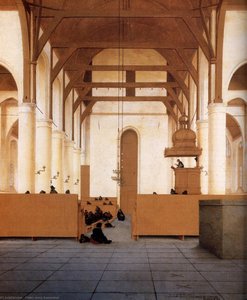
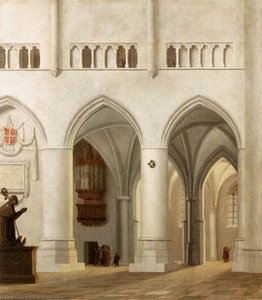
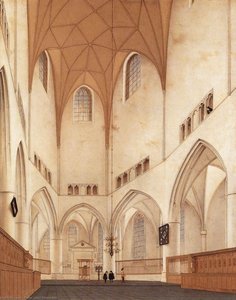
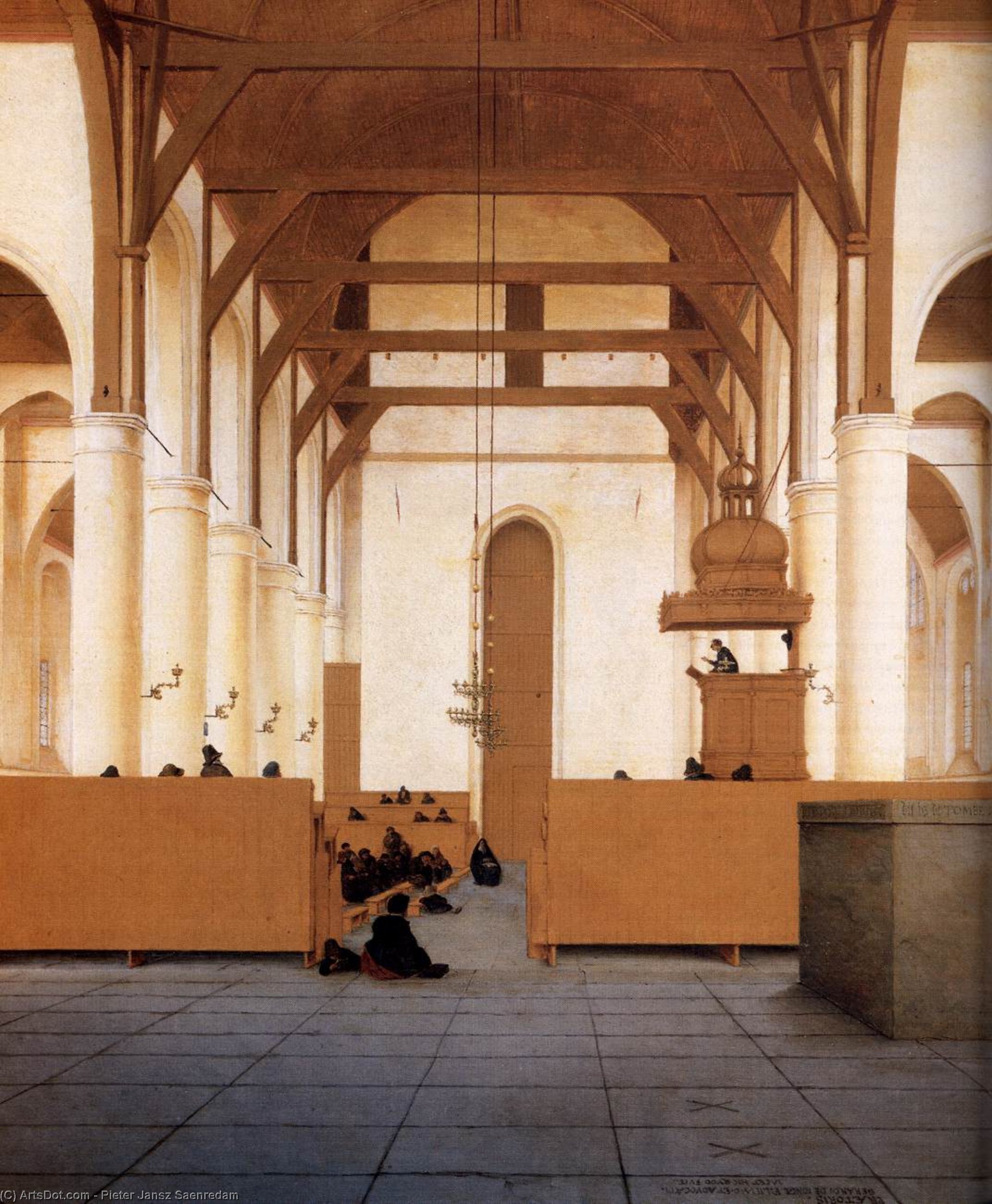
Interior de la Iglesia de San Odulfo, Assendelft (detalle)


 Ver más
Giclée / Impresión de arte
Impresiones giclée o en lienzo de calidad de museo con producción rápida y opciones de acabado flexibles. ( Comprar pintura hecha a mano Comprar imagen)




P118B $10

P118H $10

P118W $10

P438Z $10

P508JH $12

P508YH $12

P805H $10

P805Z $10

P919BZ $10

P919G $10

P919XJ $10

P959ZH $10

P968JZ $12

W106C $8

W218G $10

W218JH $8

W218Y $10

W307PJ $10

W316G $10

W316PJ $8

W316Y $10

W398PJ $8

W4111J $10

W500HY $15

W500JH $15

W692G $12

W849H $8

W940BG $15

W953PJ $8




Elija entre nuestros tamaños predefinidos que respetan las proporciones originales de la obra.

Puede introducir sus propias dimensiones para adaptarse a un marco o espacio específico. Si el tamaño seleccionado no coincide con las proporciones de la imagen original, recortaremos la obra de arte o extenderemos la imagen con un borde con efecto espejo o de color sólido. Se enviará una maqueta digital para su aprobación antes de que comience la producción.
Tenga en cuenta que la vista previa en pantalla no refleja el recorte o la extensión real. Solo la maqueta mostrará con precisión la composición final.
Aunque existen tamaños personalizados, recomendamos seleccionar una dimensión de la lista predefinida para preservar las proporciones originales.
Envío a todo el mundo () en 2 semanas en lugar de las 4/5 semanas estándar. (28 agosto)

Envío exprés gratuito a todo el mundo

Lienzo de lino de alta calidad

Seguro de envío total

Garantía de reembolso de impuestos aduaneros

Garantía de fidelidad cromática exacta

Política de devolución de 60 días (solo por defectos)

Garantía de devolución del 100% del dinero

Descuento por cantidad
 La opción de vidrio solo está disponible en tamaños inferiores a 110 cm.

Interior de la Iglesia de San Odulfo, Assendelft (detalle)
Giclée / Impresión de arte
Dimensiones de la reproducción
-


Precio total final
$ 62
Interior de la Iglesia de San Odulfo, Assendelft (detalle) – Un testimonio de tranquilidad y precisión
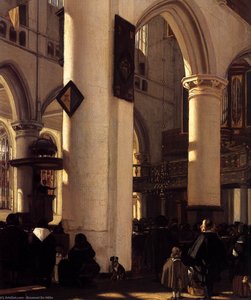
La obra “Interior de la Iglesia de San Odulfo, Assendelft” de Pieter Jansz. Saenredam trasciende la mera representación; encarna una profunda reverencia por el espacio sagrado y un dominio inigualable de la observación arquitectónica. Pintada en 1649, durante el apoge el Siglo de Oro neerlandés, esta extraordinaria pieza ofrece a los espectadores un vistazo a una visión meticulosamente elaborada de la piedad protestante, siendo un testimonio de la singular dedicación de Saenredam por capturar la esencia de las iglesias holandesas. A diferencia de muchos artistas preocupados por grandes narrativas o composiciones dinámicas, Saenredam dirigió su mirada hacia el interior, priorizando la precisión geométrica y la sutileza atmosférica por encima de todo lo demás. Esta elección deliberada dio como resultado una imagen que dice mucho sobre las sensibilidades artísticas de su época: una contemplación silenciosa de la fe plasmada con un detalle asombroso.- Temática: La pintura retrata una serena vista interior de la St Odulphuskerk, en Assendelft, mostrando techos abovedados y paredes encaladas iluminadas por una luz natural difusa.
- Estilo: El estilo de Saenredam se caracteriza por su elegancia austera y un compromiso inquebrantable con el realismo. Evitó la ornamentación flamante, optando en su lugar por una paleta contenida y una perspectiva precisa, técnicas que se convertirían en sellos distintivos de su obra.
Contexto histórico y trascendencia
Pintada durante la Reforma holandesa, esta obra refleja el fervor religioso predominante de la era. Las representaciones de iglesias de Saenredam sirvieron no solo como registros artísticos, sino también como expresiones de piedad protestante, un contrapunto deliberado al opulento estilo barroco favorecido por los mecenas católicos. La iglesia misma poseía una inmensa importancia simbólica dentro de la sociedad neerlandesa, representando estabilidad, moralidad y consuelo espiritual. Al centrarse en este espacio sagrado, Saenredam capturó un aspecto crucial de la identidad cultural holandesa durante un periodo de significativo agitación religiosa.Simbolismo e impacto emocional
La quietud y la luminosidad de la pintura evocan sentimientos de paz y serenidad, una intención deliberada de Saenredam para transmitir la esencia espiritual del interior de la iglesia. Las líneas ortogonales convergentes simbolizan el orden divino y la armonía, reforzando el tema central de la contemplación. Observar el “Interior de la Iglesia de San Odulfo” invita al espectador a un espacio de reflexión silenciosa, un recordatorio del poder perdurable del arte para inspirar asombro y reverencia hacia la belleza y la fe. Se erige como un ejemplo excepcional de la arquitectura barroca holandesa y de la visión artística.Obras relacionadas

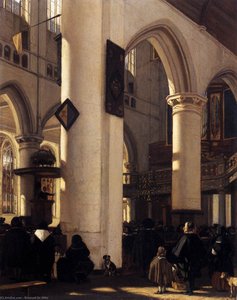
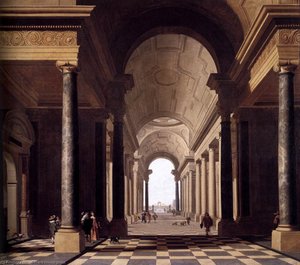
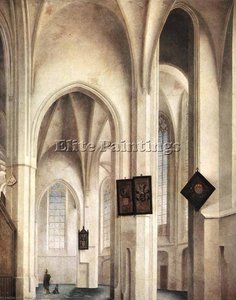
Biografía del artista
Pieter Jansz Saenredam (1597-1665): A Life Illuminated
Pieter Jansz. Saenredam, born in Assendelft, Netherlands (1597), dedicated his artistic life to a singular and profoundly moving pursuit: capturing the serene grandeur of Dutch churches. He wasn’t interested in bustling genre scenes or dramatic historical narratives; instead, he found beauty and spiritual resonance within the cool, spacious interiors of Protestant houses of worship. This dedication set him apart from many of his contemporaries during the Dutch Golden Age, establishing him as a unique voice focused on architectural precision and an almost meditative stillness. His early artistic journey began around 1612 with an apprenticeship to Frans Pietersz de Grebber, a prominent Haarlem portraitist. This foundational training instilled in Saenredam essential skills in draftsmanship and technique, providing the building blocks for his later mastery. However, it was his friendship with Jacob van Campen, a painter and architect of considerable renown, that truly shaped his artistic direction, fostering a deep understanding of perspective and architectural principles that would become hallmarks of his style.The Architect’s Eye: Style and Development
Saenredam specialized in painting the interiors of Dutch churches, particularly those belonging to the Protestant Reformed Church—a reflection of the religious landscape of his time. His work is immediately recognizable for its remarkable precision, meticulous detail, and masterful application of perspective. He wasn’t striving for dramatic effect or emotional intensity; rather, he aimed for an almost scientific accuracy in his depictions. Unlike many artists who populated their scenes with figures to add narrative or life, Saenredam often omitted them entirely, choosing instead to emphasize the architectural space itself as the primary subject. This deliberate choice draws the viewer’s eye to the soaring arches, the play of light and shadow on whitewashed walls, and the subtle nuances of the building's structure. His palette was deliberately restrained, primarily employing whites, grays, and subtle tonal variations to convey depth and luminosity within the church interiors. He understood that less could be more, allowing the architecture to speak for itself with quiet dignity. This approach wasn’t simply about technical skill; it reflected a particular sensibility—a reverence for the space as a testament to faith and human ingenuity. Saenredam’s style was profoundly influenced by the architectural theories and designs of his friend, Jacob van Campen. Van Campen’s emphasis on classical principles and harmonious proportions informed Saenredam’s understanding of spatial composition and contributed to the sense of order and balance in his paintings. However, Saenredam's work also stands apart from the more overtly dramatic religious paintings prevalent during the period, offering a unique perspective on Dutch Protestant worship spaces—spaces often characterized by their simplicity and austerity following the Reformation. His paintings serve as invaluable historical documents, preserving images of churches that have undergone alterations or even been destroyed over time.Landmarks in Paint: Major Works and Achievements
Several works stand out as testaments to Saenredam's exceptional talent. Interior of St Bavo’s Church in Haarlem, for example, is a masterpiece showcasing his ability to capture the vastness and intricate detail of a large church interior. The sheer scale of the space is breathtaking, rendered with an astonishing level of accuracy. Similarly, Interior of the Sint-Odulphuskerk in Assendelft demonstrates his dedication to faithfully representing architectural features, revealing a deep respect for the building’s history and design. The Nave and Choir of the Mariakerk in Utrecht (1641) exemplifies his skill in rendering complex spatial relationships, creating a convincing illusion of depth and volume. And The West Façade of the Church of Saint Mary in Utrecht (1662) is a stunning architectural panel that showcases the precision and clarity characteristic of Dutch Golden Age painting. These works weren’t merely representations; they were acts of preservation, capturing buildings as they existed at a specific moment in time—a valuable historical record for future generations. ## Legacy of Light and Space: Influences and Historical Significance Saenredam’s artistic vision was profoundly influenced by the architectural theories and designs of his friend, Jacob van Campen. Van Campen’s emphasis on classical principles and harmonious proportions informed Saenredam’s understanding of spatial composition and contributed to the sense of order and balance in his paintings. However, Saenredam's work also stands apart from the more overtly dramatic religious paintings prevalent during the period, offering a unique perspective on Dutch Protestant worship spaces—spaces often characterized by their simplicity and austerity following the Reformation. His paintings serve as invaluable historical documents, preserving images of churches that have undergone alterations or even been destroyed over time. He paved the way for a more analytical and objective approach to depicting architecture, influencing generations of painters to come. ## A Lasting Impression: Final Years and Enduring Influence Pieter Jansz. Saenredam continued painting throughout his life, refining his technique and producing a substantial body of work that continues to captivate viewers today. He died in Haarlem in 1665, leaving behind a legacy as one of the most important architectural painters of the Dutch Golden Age. His paintings are not merely depictions of buildings; they are meditations on light, space, and the enduring power of architecture to inspire awe and reverence. They offer a glimpse into a specific time and place—the Netherlands in the 17th century—but their beauty and timeless quality transcend historical boundaries, ensuring that Saenredam’s vision continues to resonate with audiences for centuries to come. His work remains a testament to the power of art to preserve memory, celebrate beauty, and illuminate the human spirit.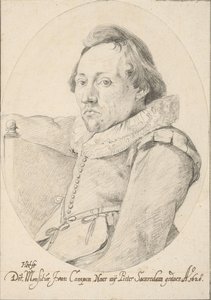
Pieter Jansz. Saenredam
1597 - 1665 , Países Bajos
Datos clave
- Artistic Movement Or Style: Dutch Golden Age painting
- Artists Who Influenced This Artist: ['Jacob van Campen']
- Date Of Birth: 1597
- Full Name: Pieter Jansz. Saenredam
- Nationality: Dutch
- Notable Artworks:
- Interior of St Bavo's Church
- Sint-Odulphuskerk in Assendelft
- Mariakerk in Utrecht (1641)
- Church of Saint Mary (1662)
- Place Of Birth: Assendelft, Netherlands
Artículos relacionados

Los 10 Maestros del Barroco Holandés: Obras que Definen una Época | ArtsDot
Descubre los 10 imprescindibles del Barroco holandés: Rembrandt, Vermeer y más. Explora la historia, técnica y belleza de estas obras maestras. Reproducciones de arte en ArtsDot.com para decorar tu hogar con elegancia.

Drama Barroca: Llevando la Grandeza y la Emoción a los Interiores Contemporáneos
Descubre cómo el drama y la grandeza del arte barroco pueden transformar tus interiores. Guía experta, inspiración y reproducciones de alta calidad en .

Reflejos de una Época Dorada: La Pintura Barroca Holandesa y la Innovación Cultural
Descubra la riqueza y el detalle de la pintura barroca holandesa del Siglo de Oro. Explore las obras maestras de Rembrandt, Vermeer y otros artistas clave. Análisis experto e historia cultural.

The Dramatic Flourish: Exploring the Baroque Movement's Enduring Legacy in Art History
Explore the dramatic world of Baroque art! Discover iconic artists like Caravaggio & Rubens, defining techniques, and its lasting impact on art history. Expert insights for collectors & enthusiasts at ArtsDot.
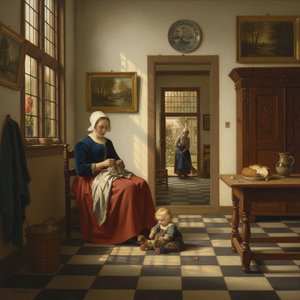
Pieter de Hooch: Illuminating Dutch Domestic Life & Golden Age Charm
Explore the captivating world of Pieter de Hooch, a master of Dutch Golden Age painting. Discover his innovative use of light, intimate domestic scenes, and lasting influence on art history. Learn more at ArtsDot.