 Ver en contexto
 Enviar
 Compartir
 Detalles

 Descargar
 Similares
 Radiografía
 Presentación de diapositivas
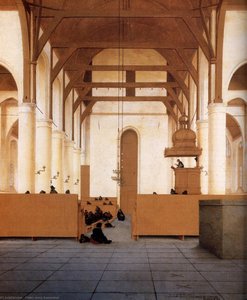
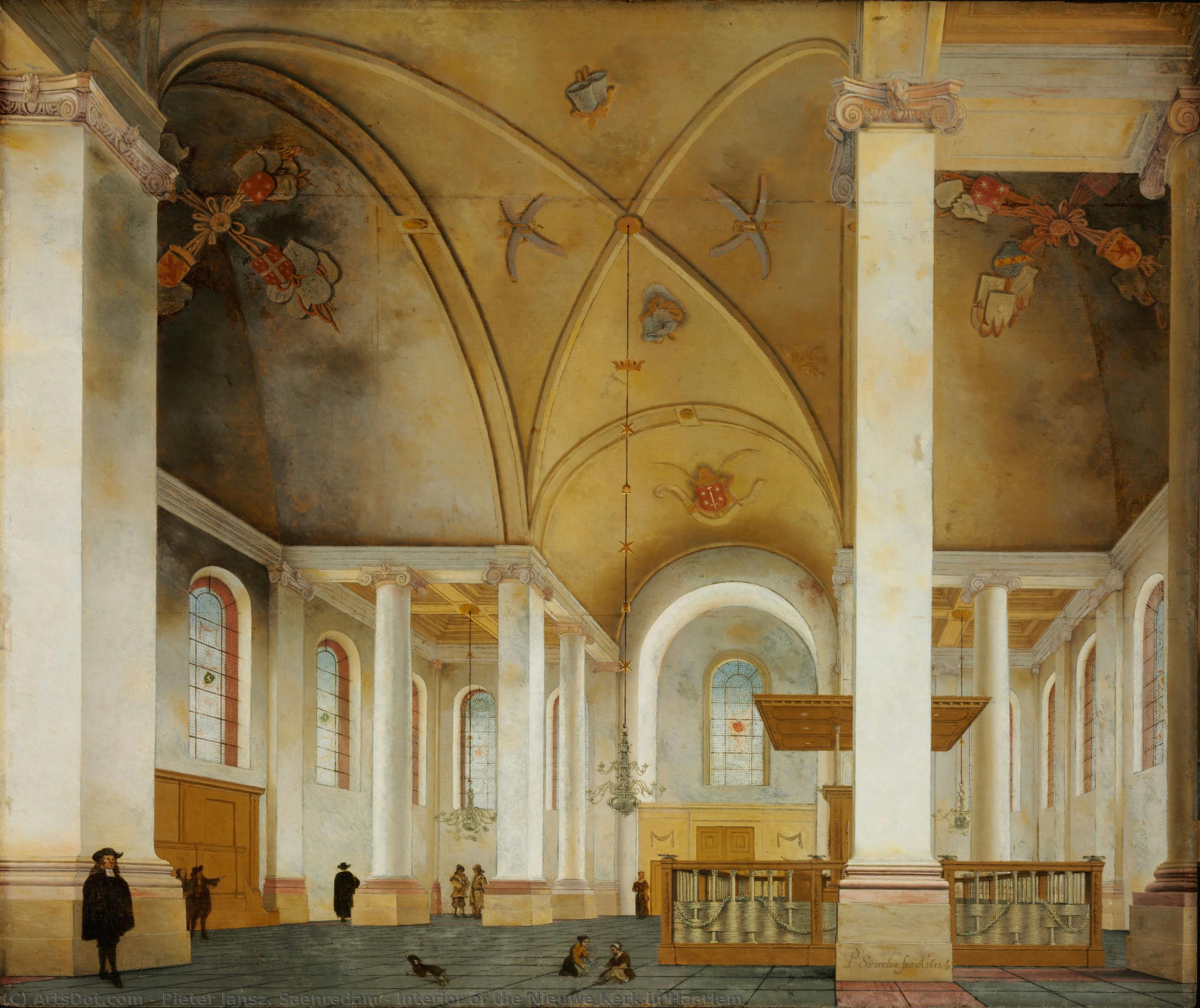
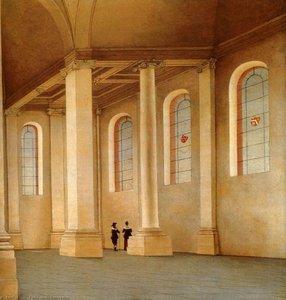
Interior of the Nieuwe Kerk in Haarlem
 Acrylic On Canvas
- WallArt
- Baroque
 1653
1653 86.0 x 103.0 cm
 Museo de Bellas Artes (Budapest)
 Ver más
Giclée / Impresión de arte
Impresiones giclée o en lienzo de calidad de museo con producción rápida y opciones de acabado flexibles. ( Comprar pintura hecha a mano Comprar imagen)




P118B $10

P118H $10

P118W $10

P438Z $10

P508JH $12

P508YH $12

P805H $10

P805Z $10

P919BZ $10

P919G $10

P919XJ $10

P959ZH $10

P968JZ $12

W106C $8

W218G $10

W218JH $8

W218Y $10

W307PJ $10

W316G $10

W316PJ $8

W316Y $10

W398PJ $8

W4111J $10

W500HY $15

W500JH $15

W692G $12

W849H $8

W940BG $15

W953PJ $8




Elija entre nuestros tamaños predefinidos que respetan las proporciones originales de la obra.

Puede introducir sus propias dimensiones para adaptarse a un marco o espacio específico. Si el tamaño seleccionado no coincide con las proporciones de la imagen original, recortaremos la obra de arte o extenderemos la imagen con un borde con efecto espejo o de color sólido. Se enviará una maqueta digital para su aprobación antes de que comience la producción.
Tenga en cuenta que la vista previa en pantalla no refleja el recorte o la extensión real. Solo la maqueta mostrará con precisión la composición final.
Aunque existen tamaños personalizados, recomendamos seleccionar una dimensión de la lista predefinida para preservar las proporciones originales.
Envío a todo el mundo () en 2 semanas en lugar de las 4/5 semanas estándar. (3 septiembre)

Envío exprés gratuito a todo el mundo

Lienzo de lino de alta calidad

Seguro de envío total

Garantía de reembolso de impuestos aduaneros

Garantía de fidelidad cromática exacta

Política de devolución de 60 días (solo por defectos)

Garantía de devolución del 100% del dinero

Descuento por cantidad
 La opción de vidrio solo está disponible en tamaños inferiores a 110 cm.

Interior of the Nieuwe Kerk in Haarlem
Giclée / Impresión de arte
Dimensiones de la reproducción
-


Precio total final
$ 62
A Singular Vision of Sacred Space: Pieter Jansz. Saenredam’s Interior of the Nieuwe Kerk
The Dutch Golden Age witnessed an explosion of artistic creativity, yet amidst the opulent portraits and dramatic landscapes flourished a remarkable figure – Pieter Jansz. Saenredam – whose unwavering focus on architectural interiors distinguished him from his peers. Born in Assendelft in 1597, Saenredam embarked on a lifelong mission to capture the essence of Dutch Protestant churches, transforming them into canvases of serene contemplation and spiritual reverence. This dedication wasn’t merely stylistic; it reflected a profound philosophical stance – an insistence on observing and representing the world with meticulous detail, mirroring the burgeoning scientific spirit of the era.- Historical Context: Saenredam's work emerged during a period of religious reformation in Holland, where Protestant churches held significant sway. The artist’s commitment to portraying these spaces stemmed from a deep conviction that architecture could convey spiritual truths – a belief rooted in the Calvinist theology prevalent at the time.
- Style and Technique: Unlike many artists preoccupied with narrative storytelling, Saenredam prioritized accuracy and stillness. His watercolors employed a technique characterized by layering delicate washes to build up tonal gradations, achieving remarkable luminosity and capturing the subtle nuances of light within the church interiors. Precise linear perspective guided the viewer’s eye through the nave, emphasizing the grandeur of the vaulted ceilings and monumental columns.
- Symbolism: The church interior served as a powerful symbol of faith and divine presence. Saenredam's depiction wasn’t merely decorative; it aimed to inspire contemplation and reverence for God. The geometric precision of the architectural elements – arches, columns, and vaults – mirrored theological concepts of order and harmony.
- Emotional Impact: Viewing Saenredam’s Interior of the Nieuwe Kerk evokes a feeling of tranquility and solemn beauty. The artist's masterful use of watercolor captures not only the physical appearance of the church but also its spiritual essence—a testament to his ability to translate visual observation into profound artistic expression.
Obras relacionadas
Biografía del artista
Pieter Jansz Saenredam (1597-1665): A Life Illuminated
Pieter Jansz. Saenredam, born in Assendelft, Netherlands (1597), dedicated his artistic life to a singular and profoundly moving pursuit: capturing the serene grandeur of Dutch churches. He wasn’t interested in bustling genre scenes or dramatic historical narratives; instead, he found beauty and spiritual resonance within the cool, spacious interiors of Protestant houses of worship. This dedication set him apart from many of his contemporaries during the Dutch Golden Age, establishing him as a unique voice focused on architectural precision and an almost meditative stillness. His early artistic journey began around 1612 with an apprenticeship to Frans Pietersz de Grebber, a prominent Haarlem portraitist. This foundational training instilled in Saenredam essential skills in draftsmanship and technique, providing the building blocks for his later mastery. However, it was his friendship with Jacob van Campen, a painter and architect of considerable renown, that truly shaped his artistic direction, fostering a deep understanding of perspective and architectural principles that would become hallmarks of his style.The Architect’s Eye: Style and Development
Saenredam specialized in painting the interiors of Dutch churches, particularly those belonging to the Protestant Reformed Church—a reflection of the religious landscape of his time. His work is immediately recognizable for its remarkable precision, meticulous detail, and masterful application of perspective. He wasn’t striving for dramatic effect or emotional intensity; rather, he aimed for an almost scientific accuracy in his depictions. Unlike many artists who populated their scenes with figures to add narrative or life, Saenredam often omitted them entirely, choosing instead to emphasize the architectural space itself as the primary subject. This deliberate choice draws the viewer’s eye to the soaring arches, the play of light and shadow on whitewashed walls, and the subtle nuances of the building's structure. His palette was deliberately restrained, primarily employing whites, grays, and subtle tonal variations to convey depth and luminosity within the church interiors. He understood that less could be more, allowing the architecture to speak for itself with quiet dignity. This approach wasn’t simply about technical skill; it reflected a particular sensibility—a reverence for the space as a testament to faith and human ingenuity. Saenredam’s style was profoundly influenced by the architectural theories and designs of his friend, Jacob van Campen. Van Campen’s emphasis on classical principles and harmonious proportions informed Saenredam’s understanding of spatial composition and contributed to the sense of order and balance in his paintings. However, Saenredam's work also stands apart from the more overtly dramatic religious paintings prevalent during the period, offering a unique perspective on Dutch Protestant worship spaces—spaces often characterized by their simplicity and austerity following the Reformation. His paintings serve as invaluable historical documents, preserving images of churches that have undergone alterations or even been destroyed over time.Landmarks in Paint: Major Works and Achievements
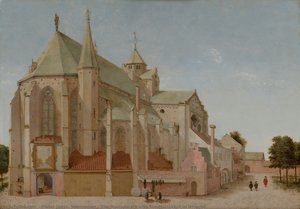
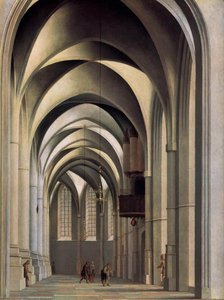
Several works stand out as testaments to Saenredam's exceptional talent. Interior of St Bavo’s Church in Haarlem, for example, is a masterpiece showcasing his ability to capture the vastness and intricate detail of a large church interior. The sheer scale of the space is breathtaking, rendered with an astonishing level of accuracy. Similarly, Interior of the Sint-Odulphuskerk in Assendelft demonstrates his dedication to faithfully representing architectural features, revealing a deep respect for the building’s history and design. The Nave and Choir of the Mariakerk in Utrecht (1641) exemplifies his skill in rendering complex spatial relationships, creating a convincing illusion of depth and volume. And The West Façade of the Church of Saint Mary in Utrecht (1662) is a stunning architectural panel that showcases the precision and clarity characteristic of Dutch Golden Age painting. These works weren’t merely representations; they were acts of preservation, capturing buildings as they existed at a specific moment in time—a valuable historical record for future generations. ## Legacy of Light and Space: Influences and Historical Significance Saenredam’s artistic vision was profoundly influenced by the architectural theories and designs of his friend, Jacob van Campen. Van Campen’s emphasis on classical principles and harmonious proportions informed Saenredam’s understanding of spatial composition and contributed to the sense of order and balance in his paintings. However, Saenredam's work also stands apart from the more overtly dramatic religious paintings prevalent during the period, offering a unique perspective on Dutch Protestant worship spaces—spaces often characterized by their simplicity and austerity following the Reformation. His paintings serve as invaluable historical documents, preserving images of churches that have undergone alterations or even been destroyed over time. He paved the way for a more analytical and objective approach to depicting architecture, influencing generations of painters to come. ## A Lasting Impression: Final Years and Enduring Influence Pieter Jansz. Saenredam continued painting throughout his life, refining his technique and producing a substantial body of work that continues to captivate viewers today. He died in Haarlem in 1665, leaving behind a legacy as one of the most important architectural painters of the Dutch Golden Age. His paintings are not merely depictions of buildings; they are meditations on light, space, and the enduring power of architecture to inspire awe and reverence. They offer a glimpse into a specific time and place—the Netherlands in the 17th century—but their beauty and timeless quality transcend historical boundaries, ensuring that Saenredam’s vision continues to resonate with audiences for centuries to come. His work remains a testament to the power of art to preserve memory, celebrate beauty, and illuminate the human spirit.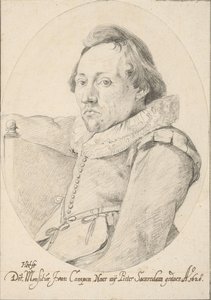
Pieter Jansz. Saenredam
1597 - 1665 , Países Bajos
Datos clave
- Artistic Movement Or Style: Dutch Golden Age painting
- Artists Who Influenced This Artist: ['Jacob van Campen']
- Date Of Birth: 1597
- Full Name: Pieter Jansz. Saenredam
- Nationality: Dutch
- Notable Artworks:
- Interior of St Bavo's Church
- Sint-Odulphuskerk in Assendelft
- Mariakerk in Utrecht (1641)
- Church of Saint Mary (1662)
- Place Of Birth: Assendelft, Netherlands
Artículos relacionados

Los 10 Maestros del Siglo de Oro Holandés: Arte, Historia y Decoración Exclusiva
Descubre los 10 imprescindibles del Siglo de Oro Holandés: Rembrandt, Vermeer y más. Explora la historia, técnica y belleza de estos lienzos clásicos. Encuentra reproducciones de arte exclusivas para decorar tu hogar en .

Reflejos de una Época Dorada: La Pintura Barroca Holandesa y la Innovación Cultural
Descubra la riqueza y el detalle de la pintura barroca holandesa del Siglo de Oro. Explore las obras maestras de Rembrandt, Vermeer y otros artistas clave. Análisis experto e historia cultural.

La Luz y la República: Innovación Artística en el Siglo de Oro Neerlandés
Descubra la innovación artística del Siglo de Oro Neerlandés. Explore las obras maestras de Rembrandt y Vermeer, técnicas revolucionarias y el legado perdurable de este florecimiento cultural. ¡Sumérjase en la luz y la belleza!
Golden Light & Dutch Skies: Bringing the Magic of Dutch Golden Age Landscapes into Your Home
Transform your home with the breathtaking light of Dutch Golden Age landscapes. Discover how hand-painted oil reproductions of masterworks like Ruisdael and Vermeer bring timeless elegance, atmosphere, and soulful texture to modern interiors. Elevate your space with museum-quality art.
Illuminating Realism: Exploring the Dutch Golden Age of Painting (1600-1700)
Explore the Dutch Golden Age of painting (1600-1700) with ArtsDot. Discover Rembrandt, Vermeer & other masters. Learn about techniques, history & find museum-quality reproductions.