

 Ver en contexto
 Enviar
 Compartir
 Detalles

 Descargar
 Similares
 Radiografía
 Presentación de diapositivas
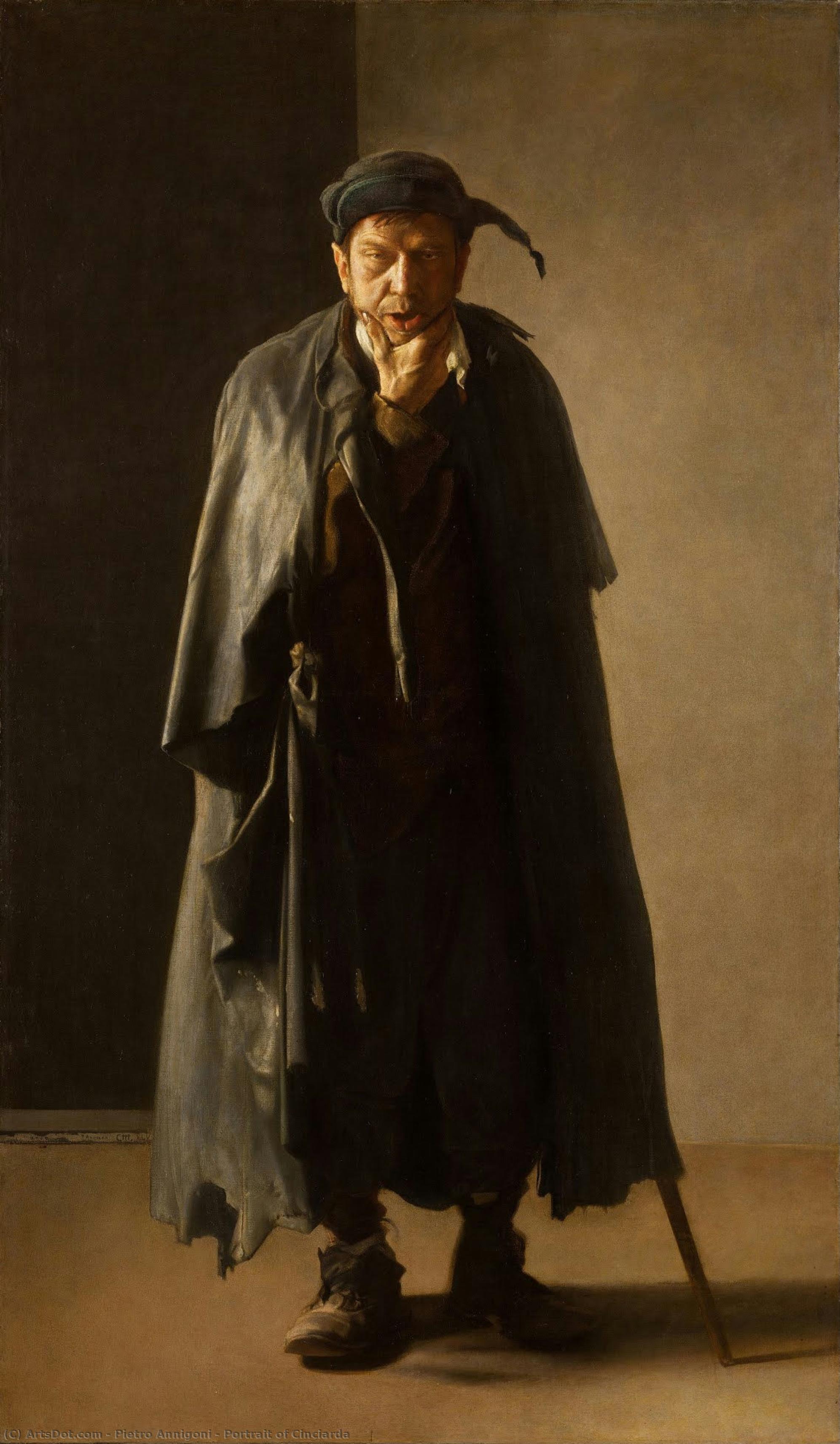
Portrait of Cinciarda
 Acrylic On Canvas
- WallArt
- Contemporary Realism
 100.0 x 180.0 cm
 Fondazione Cariplo
 Ver más
Giclée / Impresión de arte
Impresiones giclée o en lienzo de calidad de museo con producción rápida y opciones de acabado flexibles. ( Comprar pintura hecha a mano Comprar imagen)




P118B $10

P118H $10

P118W $10

P438Z $10

P508JH $12

P508YH $12

P805H $10

P805Z $10

P919BZ $10

P919G $10

P919XJ $10

P959ZH $10

P968JZ $12

W106C $8

W218G $10

W218JH $8

W218Y $10

W307PJ $10

W316G $10

W316PJ $8

W316Y $10

W398PJ $8

W4111J $10

W500HY $15

W500JH $15

W692G $12

W849H $8

W940BG $15

W953PJ $8




Elija entre nuestros tamaños predefinidos que respetan las proporciones originales de la obra.

Puede introducir sus propias dimensiones para adaptarse a un marco o espacio específico. Si el tamaño seleccionado no coincide con las proporciones de la imagen original, recortaremos la obra de arte o extenderemos la imagen con un borde con efecto espejo o de color sólido. Se enviará una maqueta digital para su aprobación antes de que comience la producción.
Tenga en cuenta que la vista previa en pantalla no refleja el recorte o la extensión real. Solo la maqueta mostrará con precisión la composición final.
Aunque existen tamaños personalizados, recomendamos seleccionar una dimensión de la lista predefinida para preservar las proporciones originales.
Envío a todo el mundo () en 2 semanas en lugar de las 4/5 semanas estándar. (26 agosto)

Envío exprés gratuito a todo el mundo

Lienzo de lino de alta calidad

Seguro de envío total

Garantía de reembolso de impuestos aduaneros

Garantía de fidelidad cromática exacta

Política de devolución de 60 días (solo por defectos)

Garantía de devolución del 100% del dinero

Descuento por cantidad
 La opción de vidrio solo está disponible en tamaños inferiores a 110 cm.

Portrait of Cinciarda
Giclée / Impresión de arte
Dimensiones de la reproducción
-


Precio total final
$ 62
Descripción de la pieza
A Portrait of Quiet Majesty: Pietro Annigoni’s “Portrait of Cinciarda”
Pietro Annigoni's "Portrait of Cinciarda," painted in 1945, isn’t merely a likeness; it’s a carefully constructed tableau of observation and quiet contemplation. This compelling work, currently residing within the Art Collection of the Fondazione Guelpa in Ivrea, Italy, offers a rare glimpse into the artist's fascination with marginalized figures – a recurring theme that defined much of his oeuvre. The painting depicts Cinciarda, a nameless beggar from Florence, rendered not as a symbol of poverty but as a subject worthy of profound artistic attention. Annigoni’s choice to focus on this seemingly unremarkable individual speaks volumes about the artist's belief in the inherent dignity and complexity within every human being.
The painting itself is executed in tempera grassa on canvas, a technique that lends a remarkable richness and luminosity to the surface. Annigoni’s meticulous attention to detail—the subtle play of light across Cinciarda's face, the worn texture of his cloak, the carefully rendered hands—demonstrates a commitment to realism rarely seen in contemporary Italian art at the time. He deliberately employs a Flemish influence, evident in the careful modeling of form and the atmospheric perspective, creating a sense of depth and immediacy that draws the viewer into the scene. The muted palette – dominated by browns, greys, and ochres – further enhances the painting’s somber mood, reflecting the subject's difficult circumstances while simultaneously imbuing it with an understated beauty.
The Echoes of Northern Painting & a Flemish Influence
Annigoni’s stylistic choices are deeply rooted in the traditions of Northern European art, particularly the work of artists like Jan van Eyck and Rogier van der Weyden. The meticulous rendering of textures—the rough wool of the cloak, the sheen of the metal buttons—is a hallmark of Flemish painting, emphasizing the tactile qualities of the subject matter. Furthermore, Annigoni’s use of light is masterful, creating dramatic contrasts between shadow and highlight that sculpt the figure's form and draw attention to key details. This technique, reminiscent of the Northern masters, serves not only to illuminate the subject but also to evoke a sense of mystery and introspection.
The painting’s composition—Cinciarda standing before a wall, his hands clasped behind him in a gesture of quiet contemplation—is deliberately ambiguous. He is neither actively engaged nor passively resigned; rather, he exists in a state of suspended animation, inviting the viewer to project their own interpretations onto the scene. This deliberate lack of narrative prompts a deeper engagement with the subject’s presence and suggests a profound understanding of human psychology.
Symbolism & The Human Condition
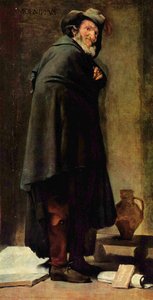
Beyond its technical brilliance, “Portrait of Cinciarda” is laden with symbolic meaning. The artist's choice to depict a marginalized figure—a ‘Cinciarda,’ a nickname for a sickly and often drunk beggar—reflects a broader concern with the plight of the dispossessed in post-war Italy. The painting can be interpreted as an allegory of human vulnerability, resilience, and the enduring search for dignity amidst hardship. Annigoni’s comparison to Diego Velasquez's "Menippo" – a work known for its unflinching portrayal of human misery – underscores this thematic resonance.
The figure’s posture—a hand resting on his chin, an inquisitive expression on his face—suggests a contemplative spirit, a quiet awareness of his own situation. He is not simply a victim of circumstance; he is a subject worthy of respect and understanding. Annigoni himself described the painting as capturing “the uncertainty of our future,” reflecting a shared sense of anxiety and disorientation in the wake of World War II. The portrait becomes a poignant meditation on the human condition, reminding us of the inherent worth of every individual, regardless of their social status or circumstances.
A Legacy of Realism & Psychological Insight
“Portrait of Cinciarda” stands as a pivotal work in Pietro Annigoni’s artistic development and a testament to his enduring commitment to realism. It exemplifies his ability to capture not only the physical likeness of his subjects but also their inner lives, revealing a profound psychological insight that elevates the painting beyond mere portraiture. The painting's continued relevance lies in its timeless exploration of human vulnerability, dignity, and the enduring power of art to illuminate the complexities of the human experience. Reproductions of this powerful image offer a valuable opportunity to engage with Annigoni’s vision and contemplate the universal themes he so masterfully conveyed.
Obras relacionadas


Biografía del artista
Primeros Años y Educación
- Nacido: Milán, Italia (1910)
- Fallecido: 1988
- La primera etapa de la vida de Annigoni se caracterizó por una fuerte inclinación artística. Provenía de una familia donde su padre era ingeniero, pero Pietro demostró una clara pasión por el arte desde temprana edad.
- En 1927, se matriculó en la Academia de Bellas Artes de Florencia, estudiando bajo la tutela de Felice Carena (pintura), Giuseppe Graziosi (escultura) y Celestino Celesti (grabado). Esta formación formal le proporcionó una sólida base en técnicas clásicas.
- También asistió a clases en el Circolo degli Artisti florentino, perfeccionando aún más sus habilidades en dibujo de desnudos.
Desarrollo Artístico e Influencias
- Influencia del Renacimiento: Annigoni estuvo profundamente influenciado por los maestros del Renacimiento italiano. Esto es evidente en su meticulosa atención al detalle, la representación realista de las figuras y el uso de técnicas tradicionales.
- Primeras Obras: Sus primeras obras mostraron un talento en desarrollo para el retrato y la pintura de frescos. Obtuvo reconocimiento a través de exposiciones en Florencia durante la década de 1930.
- Pintores Realistas Modernos: En 1947, Annigoni cofundó el "Manifiesto de Pintores Realistas Modernos", un grupo que se opuso al arte abstracto y defendió un retorno a la pintura representacional. Esto demostró su compromiso con los valores artísticos tradicionales.
Logros Destacados y Reconocimiento
- Retratos de la Reina Isabel II: Su logro más famoso fue, sin duda, los dos retratos que pintó de la Reina Isabel II (1955 y 1969). El primer retrato, encargado por la Worshipful Company of Fishmongers, atrajo una gran popularidad y congregó a un número récord de visitantes en la Exposición de Verano del Royal Academy.
- Acogida Internacional: La obra de Annigoni obtuvo reconocimiento internacional a través de exposiciones en Londres (Wildenstein's, Agnew's), París y Nueva York.
- Retratos Notables: Pintó retratos de numerosas otras figuras prominentes, incluyendo al Papa Juan XXIII, los presidentes estadounidenses John F. Kennedy y Lyndon B. Johnson, el Shah y la Emperatriz de Irán, la Princesa Margarita, Salvatore Ferragamo, Luigi Ugolini, Margot Fonteyn, Rudolf Nureyev y Gayatri Devi de Jaipur.
- Portadas de Time Magazine: Fue seleccionado para pintar al Presidente John F. Kennedy para la portada de Time magazine en 1962, consolidando aún más su reputación como un destacado artista retratista.
Estilo Artístico y Significado Histórico
- Realismo y Detalle: El estilo de Annigoni se caracterizó por su meticuloso realismo y atención al detalle. Empleó técnicas tradicionales para crear representaciones fidedignas de sus sujetos, capturando sus personalidades y esencia con una precisión notable.
- Contraste con el Arte Moderno: Su dedicación al arte representacional lo colocó en contraste con las tendencias modernistas dominantes de su época. Esto lo convirtió en una figura significativa para aquellos que valoraban las tradiciones artísticas clásicas.
- Legado: La obra de Annigoni continúa siendo admirada por su habilidad técnica, realismo y capacidad para capturar la esencia de sus sujetos. Sigue siendo una figura importante en el arte del siglo XX, representando un puente entre las técnicas tradicionales del Renacimiento y el retrato moderno.
Vida Posterior y Fallecimiento
- Annigoni continuó pintando y exponiendo a lo largo de sus años posteriores, manteniendo un fuerte seguimiento tanto en Italia como internacionalmente.
- Se casó con Rosella Segreto en 1976.
- Fallecimiento: Falleció el 28 de octubre de 1988, en Florencia, Italia, debido a una insuficiencia renal tras una cirugía por una úlcera perforada. Está enterrado en la Basílica di San Miniato al Monte con vistas a Florencia.
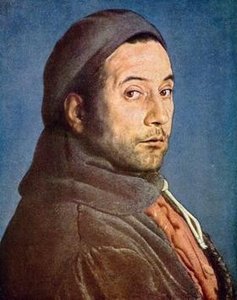
Pietro Annigoni
1910 - 1988 , Italia
Datos clave
- Artistas Que Influyeron: ['Maestros del Renacimiento Italiano']
- Fecha De Fallecimiento: 28 de octubre de 1988
- Fecha De Nacimiento: 7 de junio de 1910
- Lugar De Nacimiento: Milán, Italia
- Movimiento Artístico: Realismo, Tradición Renacentista
- Nacionalidad: Italiana
- Nombre Completo: Pietro Annigoni
- Obras Notables:
- Anacoreti nel Deserto
- Conte giancarlo bossi pucci
Artículos relacionados
Romantic Realism's Finest: 10 Masterpieces for Your Home | ArtsDot
Explore 10 defining masterpieces of Romantic Realism! Discover Courbet, Millet & Daumier's powerful paintings—capturing emotion and social realities. Find museum-quality reproductions for your home at ArtsDot.com.
Ecos de la Sociedad: El Legado Duradero del Realismo Social en el Arte
Descubre el fascinante mundo del Realismo Social. Explora sus orígenes, artistas clave y su impacto duradero en la historia del arte. ¡Encuentra reproducciones de alta calidad en ArtsDot!
The Evocative Embrace of Reality: Exploring Romantic Realism in 19th-Century Painting
Explore the captivating world of Romantic Realism! Discover key artists like Courbet & Millet, masterpieces, and the social context behind this influential art movement. Expert insights for collectors at ArtsDot.
The Poetic Truth of Observation: Exploring 19th-Century Realism in Painting
Explore the captivating world of 19th-century Realism! Discover key artists like Courbet & Millet, masterpieces, and the powerful social commentary behind this influential art movement. Expert insights at ArtsDot.
Los 10 Maestros del Realismo Académico: Obras que Marcaron la Historia del Arte
Descubre los 10 lienzos más emblemáticos del Realismo Académico. Explora la historia, técnica y belleza de obras maestras de Bouguereau, Gérôme y Cabanel. Encuentra reproducciones de arte clásico en ArtsDot.com.

