

 Vista previa
 Compartir
 Compartir
 Ver detalles

 Descargar
 Ver similares
 Radiografía
 Presentación de diapositivas
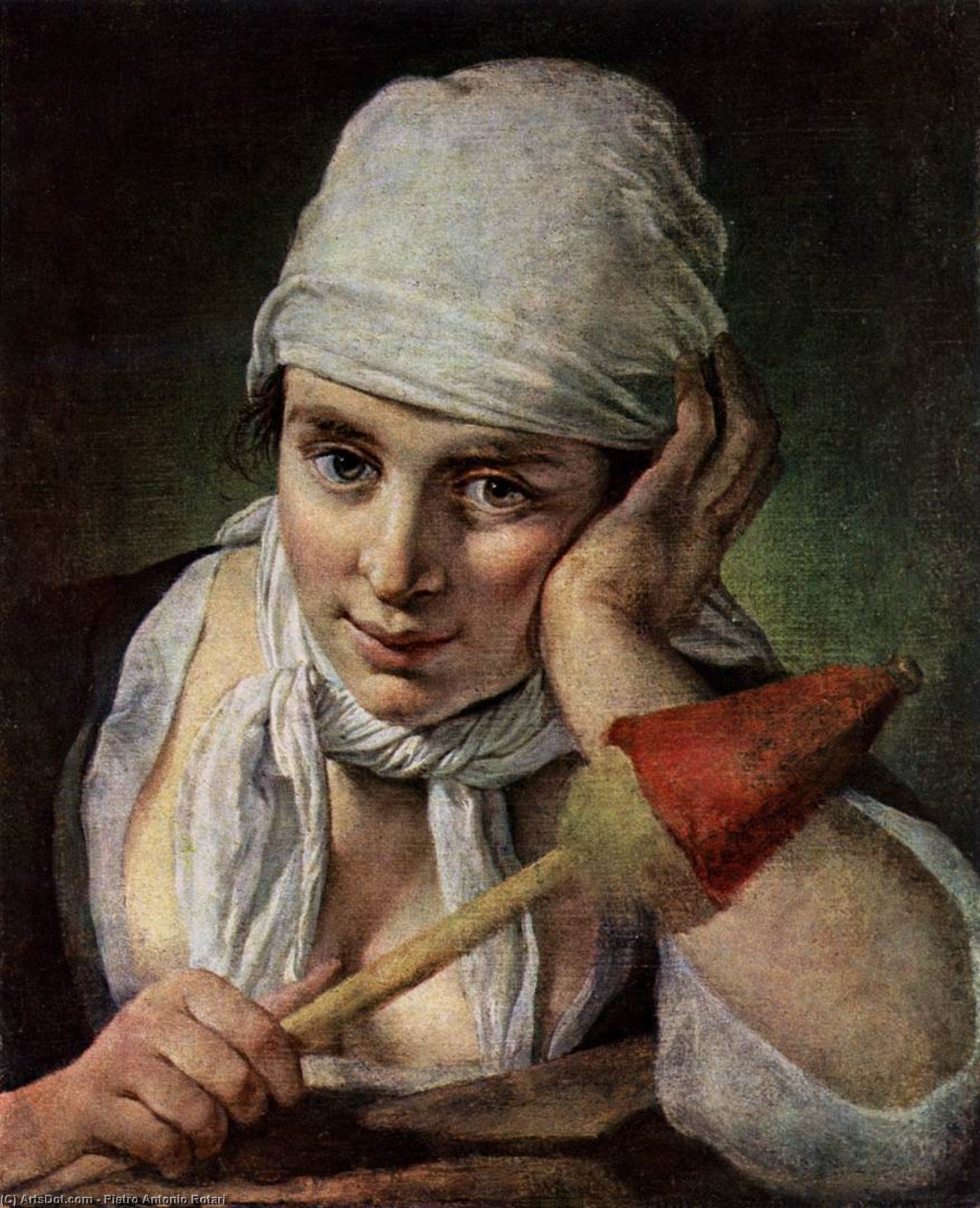
Young Girl with Distaff
 Acrylic On Canvas
- WallArt
- Baroque Rococo
 48.0 x 39.0 cm
 Museo de las Artes de Budapest
 Leer más
Reproducción al óleo hecha a mano
Óleo sobre lienzo pintado a mano en el tamaño y marco de su elección, realizado por encargo por nuestros artistas. ( Pedir impresión Comprar descarga)




P118B $10

P118H $10

P118W $10

P438Z $10

P508JH $12

P508YH $12

P805H $10

P805Z $10

P919BZ $10

P919G $10

P919XJ $10

P959ZH $10

P968JZ $12

W106C $8

W218G $10

W218JH $8

W218Y $10

W307PJ $10

W316G $10

W316PJ $8

W316Y $10

W398PJ $8

W4111J $10

W500HY $15

W500JH $15

W692G $12

W849H $8

W940BG $15

W953PJ $8




Elija entre nuestros tamaños predefinidos que respetan las proporciones originales de la obra.

Puede ingresar sus propias dimensiones para adaptarse a un marco o espacio específico. Si el tamaño seleccionado no coincide con las proporciones de la imagen original, recortaremos la obra o extenderemos la pintura con elementos adicionales pintados a mano. Se le enviará una maqueta digital para su aprobación antes de comenzar la producción.
Tenga en cuenta que la vista previa en pantalla no refleja el recorte o la extensión reales. Solo la maqueta mostrará con precisión la composición final.
Si bien existen tamaños personalizados, recomendamos seleccionar una dimensión de la lista predefinida para preservar las proporciones originales.
Tras realizar el pedido, el equipo de ArtsDot.com enviará un correo electrónico al cliente para solicitar instrucciones y proporcionarle una vista previa del boceto.
Envío a todo el mundo () en 3-4 semanas en lugar de las 5 semanas estándar. (21 agosto). Sin comprometer la calidad.

Envío exprés gratuito a todo el mundo

Lienzo de lino de alta calidad

Seguro de envío completo

Garantía de reembolso de aranceles aduaneros

Garantía de fidelidad cromática exacta

Política de devolución de 60 días (solo por defectos)

Garantía de devolución del 100% del dinero

Oferta por volumen
 La opción de vidrio solo está disponible en tamaños inferiores a 110 cm.

Young Girl with Distaff
Técnica de reproducción
Tamaño de la reproducción
-


Precio total
$ 263
Descripción de la obra
A Moment of Quietude: Exploring Pietro Antonio Rotari’s “Young Girl with Distaff”
Pietro Antonio Rotari's "Young Girl with Distaff," painted circa 1740, is more than a simple portrait; it’s a carefully constructed tableau of Rococo elegance and subtle symbolism. This captivating work, currently available as a high-quality reproduction through ArtsDot.com, transports the viewer to a serene moment in a bygone era – a glimpse into the daily life of a young woman engaged in the essential task of spinning thread. The painting’s enduring appeal lies not just in its beauty but also in the layers of meaning woven into its composition and execution.
Rotari, a prominent Venetian painter during the latter half of the 18th century, was renowned for his ability to capture both the physical likeness and the inner character of his subjects. His training under Francesco Trevisani instilled in him a meticulous attention to detail, evident in the delicate rendering of the girl’s hair, the folds of her dress, and the intricate texture of the distaff itself. The artist masterfully employs chiaroscuro – the dramatic interplay of light and shadow – to sculpt the figure, drawing our eye to her face and creating a sense of depth and intimacy within the relatively small canvas.
The Symbolism of Thread and Distaff
The inclusion of the distaff is crucial to understanding the painting’s deeper significance. In this era, before mechanized looms dominated textile production, spinning thread was a laborious but vital occupation for women – often a cornerstone of family life and economic stability. The distaff, a simple wooden beam used to hold wool or flax fibers, represents not just a practical tool but also a symbol of industry, patience, and the cyclical nature of life itself. The girl’s direct gaze, unwavering and gentle, suggests a quiet dignity and self-possession – she is not merely performing a task; she embodies a connection to tradition and craft.
Furthermore, the red color of the distaff adds a subtle note of vibrancy against the muted tones of the background. Red was often associated with passion, fertility, and the lifeblood of the land, subtly hinting at the potential for growth and prosperity linked to this seemingly simple act of spinning.
A Window into Rococo Aesthetics
“Young Girl with Distaff” is a quintessential example of the Rococo style – characterized by its grace, elegance, and emphasis on beauty. The composition is balanced and harmonious, reflecting the prevailing ideals of the period. The dark background serves to isolate the figure, drawing attention to her delicate features and creating an atmosphere of contemplative serenity. Rotari’s use of soft colors and flowing lines contributes to the painting's overall sense of refinement and charm.
Rotari’s work reflects a broader trend in 18th-century portraiture – a shift away from stiff, formal poses towards more relaxed and intimate depictions of subjects. This painting exemplifies his ability to capture not just a likeness but also the essence of his subject's character, making “Young Girl with Distaff” a timeless masterpiece that continues to resonate with viewers today.
Bringing Rotari’s Vision Home
ArtsDot.com offers exceptional reproductions of "Young Girl with Distaff," allowing you to experience the artistry and beauty of this remarkable painting in your own home. Whether as a statement piece for a living room or a charming addition to a bedroom, this reproduction captures the spirit and elegance of Rotari’s original work. Invest in a high-quality print and bring a touch of Rococo serenity into your space – a reminder of the enduring value of craftsmanship, tradition, and quiet contemplation.
Obras relacionadas
Biografía del artista
Pietro Antonio Rotari: Vida y Legado
Primeros Años y Formación
- Nacido: Verona, Italia en 1707.
- Estudios Iniciales: Pietro Antonio Rotari comenzó su viaje artístico como alumno de Antonio Balestra, un destacado pintor veronese. Esta formación fundamental le inculcó los principios de composición y técnica clásica.
- De 1725 a 1727, residió en Venecia, ampliando su exposición a diferentes estilos artísticos.
- Posteriormente perfeccionó sus habilidades bajo Francesco Trevisani en Roma (1728-1732), y más tarde colaboró con Francesco Solimena en Nápoles entre 1731 y 1734.
Desarrollo Artístico y Estilo
- Carrera Inicial: Al regresar a Verona, Rotari estableció su propio estudio y comenzó a desarrollar un estilo distintivo caracterizado por el realismo, la elegancia y la atención al detalle.
- Influencia Barroca: Su obra pertenece firmemente a la tradición barroca, pero la impregnó con una sensibilidad refinada que atraía a los mecenas aristocráticos.
- Enfoque en el Retrato: Rotari se hizo particularmente famoso por sus retratos, especialmente aquellos de mujeres. Poseía una capacidad excepcional para captar no solo la semejanza física sino también la personalidad y la gracia interior.
Comisiones Reales y Reconocimiento Internacional
- Viena (1750): Rotari se trasladó a Viena, buscando oportunidades en la corte imperial.
- Corte Rusa (1756): Un momento decisivo fue cuando fue invitado a Rusia por Tsarina Elizabetha Petrovna. Rápidamente se convirtió en el pintor de retratos favorito de la aristocracia rusa.
- Dresden y Polonia: Sus talentos se extendieron más allá de Rusia, ya que también trabajó para la corte de Augusto III de Polonia en Dresde.
- Más tarde regresó a San Petersburgo para servir a Catalina II, consolidando aún más su reputación como uno de los pintores de retratos líderes de Europa.
Logros y Obras Notables
- Retratos Reales: Sus retratos de miembros de las familias reales rusa y polaca se consideran entre sus logros más significativos, mostrando su dominio de la técnica y su capacidad para transmitir el estatus y la personalidad.
- Retablos: Además del retrato, Rotari también creó retablos a gran escala para iglesias en Italia. Ejemplos notables incluyen Los Cuatro Santos (1745) para la iglesia de San Giacomo en Verona y San Jorge tentado por los ídolos (1743).
- Pinturas Religiosas: También pintó una Anunciación (1738) para el altar mayor de la iglesia de la Annunziata en Guastalla.
Significado Histórico y Legado
- Pintor de Corte: El éxito de Rotari como pintor de corte refleja la importancia del retrato para transmitir el poder, el estatus y la legitimidad durante el siglo XVIII.
- Influencia Artística: Si bien no fue una figura revolucionaria, su estilo refinado influyó a otros artistas que trabajaban en la tradición barroca.
- Preservación de las Imagenes: Sus retratos proporcionan documentación histórica valiosa de la nobleza y la vida cortesana europea durante un período de importantes cambios políticos y sociales.
- Rotari murió en San Petersburgo en 1762, dejando atrás un legado como uno de los pintores de retratos más solicitados de su tiempo.
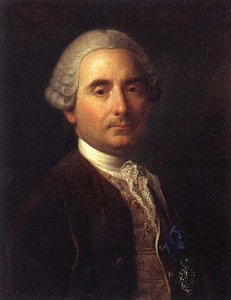
Pietro Antonio Rotari
1707 - 1762 , Italia
Datos clave
- Artistic Movement Or Style: Baroque
- Artists Who Influenced This Artist:
- Antonio Balestra
- Francesco Trevisani
- Francesco Solimena
- Date Of Birth: Verona, Italia 1707
- Date Of Death: St. Petersburg, Italia 1762
- Full Name: Pietro Antonio Rotari
- Nationality: Italian
- Notable Artworks:
- Cuatro mártires
- El Retrato de María Josefa
- Place Of Birth: Verona, Italia
Artículos relacionados

Rococó: 10 Obras Maestras que Definieron una Época | Arte y Decoración en
Descubre las 10 obras maestras del Rococó que marcaron una época. Explora la elegancia de Fragonard, Boucher y Watteau en . Reproducciones de arte de calidad museo para decorar tu hogar con estilo.

La Estética Rococó: Opulencia, Rebelión y Placer en el Arte del Siglo XVIII
Descubre la fascinante estética rococó: su historia, características clave y los artistas más influyentes del siglo XVIII. Un análisis profundo para amantes del arte y coleccionistas.
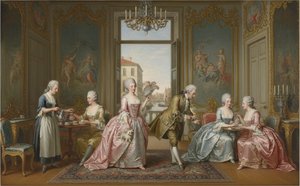
Pietro Longhi's Venetian Scenes: A Study of Rococo Society & Domestic Life
Explore the captivating world of Pietro Longhi's Venetian scenes! Discover insightful analysis of his Rococo masterpieces & social commentary on 18th-century life. Learn about this 'Venetian Hogarth' and his lasting artistic legacy.
The Allure of Elegance in Art: A Historical & Aesthetic Exploration of Refinement & Grace
Explore the exquisite world of Rococo art! Discover its history, masters (Watteau, Boucher & more), and defining elegance. Expert insights for collectors seeking museum-quality reproductions & custom portraits.
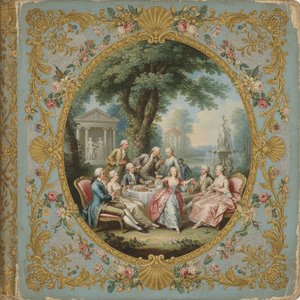
The Rococo Style: Aristocratic Leisure & the Pursuit of Delight in 18th-Century Art
Explore the opulent world of Rococo art! Discover Watteau, Boucher & Nattier's masterpieces. Expert insights for collectors seeking museum-quality reproductions and custom portraits at ArtsDot.

