 Ver en contexto
 Enviar
 Compartir
 Detalles

 Descargar
 Similares
 Radiografía
 Presentación de diapositivas
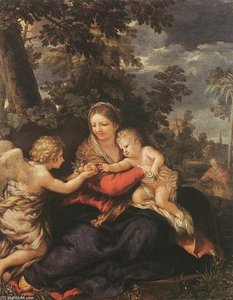
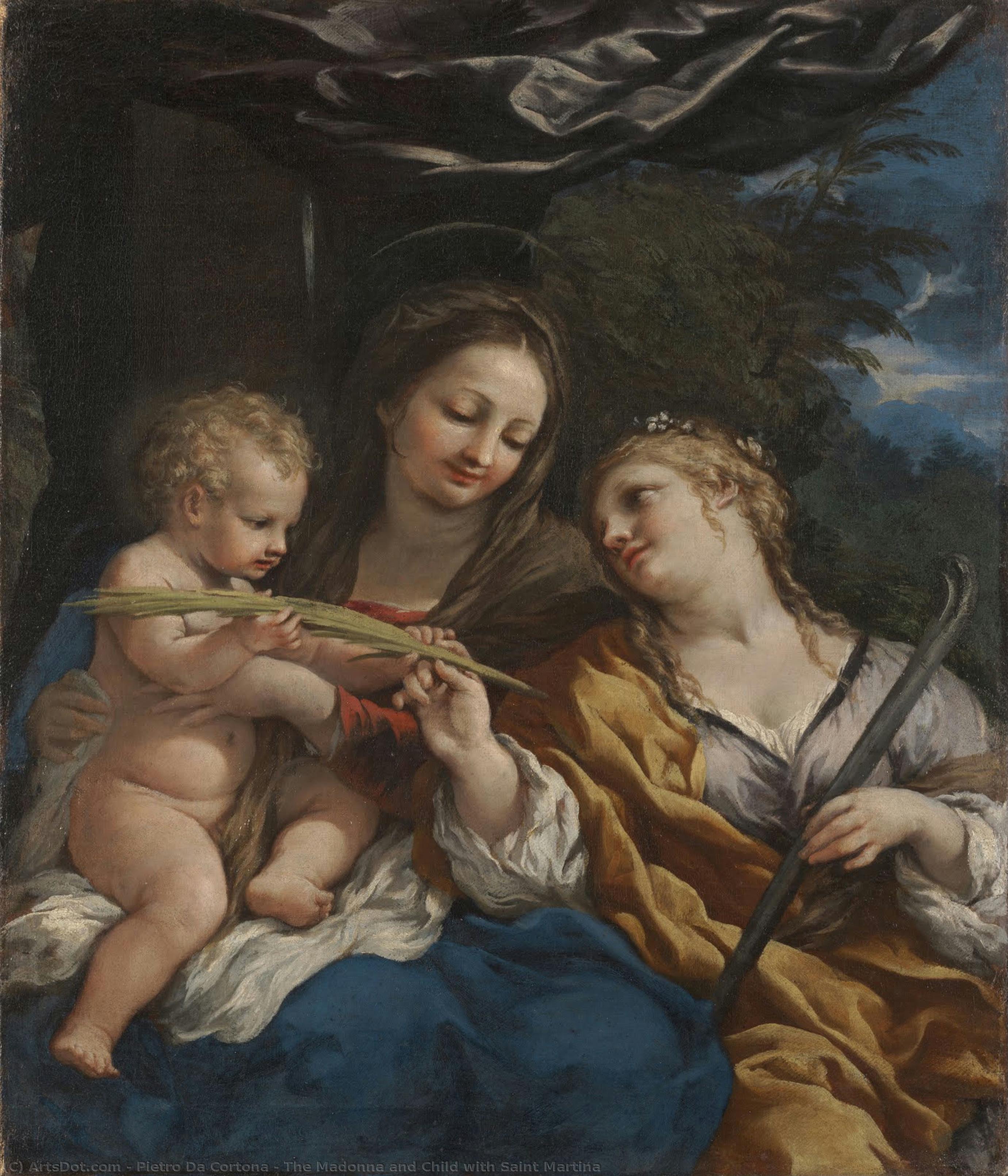
The Madonna and Child with Saint Martina
 Oil On Canvas
- WallArt
- Italian Baroque
 1645
1645 70.0 x 58.0 cm
 Museo de Arte Kimbell
 Ver más
Reproducción al óleo hecha a mano
Óleo sobre lienzo pintado a mano en el tamaño y marco de su elección, realizado por encargo por nuestros artistas. ( Comprar impresión Comprar imagen)




P118B $10

P118H $10

P118W $10

P438Z $10

P508JH $12

P508YH $12

P805H $10

P805Z $10

P919BZ $10

P919G $10

P919XJ $10

P959ZH $10

P968JZ $12

W106C $8

W218G $10

W218JH $8

W218Y $10

W307PJ $10

W316G $10

W316PJ $8

W316Y $10

W398PJ $8

W4111J $10

W500HY $15

W500JH $15

W692G $12

W849H $8

W940BG $15

W953PJ $8




Elija entre nuestros tamaños predefinidos que respetan las proporciones originales de la obra.

Puede ingresar sus propias dimensiones para adaptarse a un marco o espacio específico. Si el tamaño seleccionado no coincide con las proporciones de la imagen original, recortaremos la obra o extenderemos la pintura con elementos adicionales pintados a mano. Se le enviará una maqueta digital para su aprobación antes de comenzar la producción.
Tenga en cuenta que la vista previa en pantalla no refleja el recorte o la extensión reales. Solo la maqueta mostrará con precisión la composición final.
Si bien existen tamaños personalizados, recomendamos seleccionar una dimensión de la lista predefinida para preservar las proporciones originales.
Tras realizar el pedido, el equipo de ArtsDot.com enviará un correo electrónico al cliente para solicitar instrucciones y proporcionarle una vista previa del boceto.
Envío a todo el mundo () en 3-4 semanas en lugar de las 5 semanas estándar. (26 agosto). Sin comprometer la calidad.

Envío exprés gratuito a todo el mundo

Lienzo de lino de alta calidad

Seguro de envío total

Garantía de reembolso de impuestos aduaneros

Garantía de fidelidad cromática exacta

Política de devolución de 60 días (solo por defectos)

Garantía de devolución del 100% del dinero

Descuento por cantidad
 La opción de vidrio solo está disponible en tamaños inferiores a 110 cm.

The Madonna and Child with Saint Martina
Técnica de reproducción
Dimensiones de la reproducción
-


Precio total final
$ 263
Descripción de la obra
The Madonna and Child with Saint Martina: A Roman Baroque Masterpiece
Pietro da Cortona’s “The Madonna and Child with Saint Martina” is more than just a devotional painting; it's a vibrant testament to the artist’s genius, deeply rooted in the spiritual heart of Rome and imbued with personal significance. Completed around 1645, this captivating work transcends mere representation, offering a profound meditation on faith, martyrdom, and the divine presence through a masterful blend of color, light, and dynamic composition. The canvas breathes with an almost palpable energy, drawing the viewer into a scene brimming with emotion and symbolic weight.
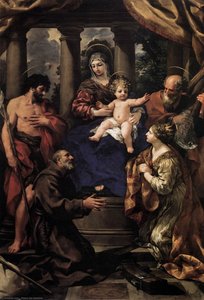
At the center of the composition stands Mary, radiating serenity and maternal grace. Dressed in a sumptuous yellow gown – a deliberate choice that draws the eye and symbolizes her divine royalty – she cradles the Christ Child, his face alight with innocence and nascent divinity. The painting’s strength lies not just in its depiction of the Virgin but also in the inclusion of Saint Martina, a third-century Roman martyr who embodies unwavering faith and sacrifice. Her posture is strikingly direct; she holds aloft the iron hook used to torture her for refusing to worship pagan idols, a stark reminder of her courage and devotion. This isn’t simply a portrait of a saint; it's an embodiment of resistance against false idols – a powerful visual metaphor resonating with the Counter-Reformation’s emphasis on authentic belief.
A Painter’s Personal Pilgrimage
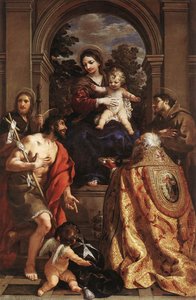
The painting’s creation is inextricably linked to Pietro da Cortona’s own life and artistic journey. Born in Cortona, Tuscany, he arrived in Rome as a young artist eager to immerse himself in the city's flourishing Baroque scene. However, it was his deep connection to Saint Martina that fueled this particular iteration of the subject. Excavations beneath the Academy of Saint Luke – where Cortona would later serve as president – unearthed her remains, triggering a profound personal response within the artist. This discovery wasn’t merely an archaeological event; it felt like a pilgrimage, prompting Cortona to revisit and reinterpret the story of this courageous martyr repeatedly throughout his career. The Kimbell Art Museum's version is particularly significant because it aligns with documented dimensions from Cardinal Barberini’s inventories, suggesting a close connection to the influential Cardinal Francesco Barberini who financed the rebuilding of the church dedicated to Saint Luke and Martina.
The Language of Baroque: Color, Light, and Drama
Cortona's signature Baroque style is fully realized in “The Madonna and Child.” He employs a dramatic use of color – the vibrant yellow of Mary’s gown contrasts sharply with the rich reds and blues of her drapery, while Saint Martina’s attire adds further visual interest. Crucially, he masterfully manipulates light and shadow to create a sense of depth and drama. The strong chiaroscuro effect highlights key figures and elements, directing the viewer's eye across the composition. Notice how the light seems to emanate from the Christ Child, bathing the scene in an ethereal glow. Furthermore, Cortona’s use of agitated drapery – billowing folds and swirling fabrics – adds a sense of movement and dynamism, reflecting the emotional intensity of the subject matter.
Symbolism and Spiritual Resonance
Beyond its technical brilliance, “The Madonna and Child with Saint Martina” is rich in symbolism. The iron hook held by Saint Martina isn’t merely an object of torture; it represents her unwavering commitment to truth and faith, even in the face of persecution. Her acceptance of the palm of martyrdom signifies victory over earthly constraints and a promise of eternal reward. The painting, therefore, serves as a potent reminder of the sacrifices made for religious conviction and the enduring power of spiritual devotion. It’s a work that invites contemplation on themes of faith, courage, and the divine presence—a timeless masterpiece resonating with viewers centuries after its creation.
Obras relacionadas
Biografía del artista
Primeros años y formación
Pietro da Cortona, cuyo nombre real era Pietro Berrettini (o Berrettini), (Cortona, 1 de noviembre de 1596 – Roma, 16 de mayo de 1669) fue un pintor y arquitecto italiano. Se formó en pintura bajo Andrea Commodi en Florencia antes de trasladarse a Roma alrededor de 1612/3, donde se unió al estudio de Baccio Ciardi.Obras y encargos destacados
- El sacrificio de Polixena, El triunfo de Baco y El rapto de las sabinas (1626) para la familia Sacchetti.
- Decoración al fresco en la iglesia de Santa Bibiana (1624-1626) bajo la dirección de Bernini.
- Alegoría de la Providencia Divina y el poder Barberini (1633) para el Palazzo Barberini, un hito en la pintura barroca.
Características clave e influencias
- Temas grandiosos y ejecución hábil.
- Uso del *trompe-l'œil* para crear ilusiones de extensión espacial.
- Influencia de los trabajos perspectivistas de Paolo Veronese y la paleta de colores de Tiziano.
- Proyectos arquitectónicos distintivos e inventivos, aunque pocos se construyeron.
Estilo artístico y desarrollo
Pietro da Cortona evolucionó desde un estilo influenciado por el manierismo temprano hacia una expresión plenamente barroca. Inicialmente, su obra mostraba una atención al detalle y una composición equilibrada, pero con el tiempo adoptó una estética más dinámica y teatral. Su habilidad para combinar la perspectiva, la iluminación dramática y las composiciones complejas lo convirtió en uno de los pintores más solicitados de Roma. La Alegoría de la Providencia Divina es un ejemplo paradigmático de su madurez artística, donde el espacio se expande ilusionísticamente hacia el cielo, creando una sensación de asombro y magnificencia. Su uso del *trompe-l'œil* no solo servía para engañar al ojo, sino también para realzar la grandiosidad de los espacios arquitectónicos.Legado e importancia histórica
Pietro da Cortona dejó un legado duradero en el mundo de la pintura y la arquitectura barroca. Su estilo innovador y sus obras influyentes inspiraron a generaciones de artistas y arquitectos. La combinación de virtuosismo técnico, dramatismo emocional y grandiosidad temática lo consagró como uno de los maestros del Barroco romano. Sus frescos en el Palazzo Barberini siguen siendo un testimonio impresionante de su talento y una referencia obligada para comprender la evolución del arte barroco.- Fechas clave:
- 1596: Nacimiento en Cortona, Toscana.
- 1612/3: Traslado a Roma.
- 1624-1626: Decoración al fresco en la iglesia de Santa Bibiana.
- 1633: Finalización de Alegoría de la Providencia Divina y el poder Barberini.
- 1669: Fallecimiento.
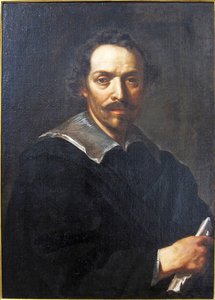
Pietro da Cortona
1596 - 1669 , Italia
Datos clave
- Estilo Artístico: Barroco
- Influencias Artísticas:
- Paolo Veronese
- Tiziano
- Lugar De Nacimiento: Cortona, Italia
- Nacimiento: 1 de noviembre de 1596
- Nacionalidad: Italiana
- Nombre Completo: Pietro da Cortona
- Obras Notables:
- El sacrificio de Polixena
- El triunfo de Baco
- El rapto de las sabinas
- Alegoría de la Providencia Divina
- Otros Nombres: Pietro Berrettini
Artículos relacionados
Leonardo da Vinci: Las 25 Obras Maestras que Definieron un Genio | ArtsDot
Descubre las 25 obras maestras de Leonardo da Vinci, desde la Mona Lisa hasta La Última Cena. Explora su arte renacentista, técnicas innovadoras y el legado del genio italiano. Reproducciones de alta calidad para decorar tu hogar con belleza y historia en ArtsDot.com.
Pietro da Cortona: Baroque Grandeur & the Synthesis of Roman Painting
Explore the life & masterpieces of Pietro da Cortona, a defining figure of the Italian Baroque. Discover his stunning frescoes at Palazzo Barberini and lasting influence on Roman art history. Learn more with ArtsDot.

Leonardo da Vinci: Síntesis del Arte, la Ciencia y la Observación Humana en el Renacimiento – Una Reinterpretación para el Coleccionista
Descubra la síntesis del arte y la ciencia en Leonardo da Vinci. Análisis profundo de sus obras maestras, técnicas innovadoras y legado para coleccionistas exigentes. Una reinterpretación experta.

Drama Barroca: Llevando la Grandeza y la Emoción a los Interiores Contemporáneos
Descubre cómo el drama y la grandeza del arte barroco pueden transformar tus interiores. Guía experta, inspiración y reproducciones de alta calidad en .
Rafael: Las 25 Obras Maestras que Definen al Genio del Renacimiento | ArtsDot
Descubre las 25 obras maestras de Rafael Sanzio, el genio del Renacimiento. Explora su historia, técnica y significado en pinturas icónicas como 'La Escuela de Atenas'. Reproducciones de arte de alta calidad para decorar tu hogar con elegancia. ¡Explora la colección completa en ArtsDot.com!