 Ver en contexto
 Enviar
 Compartir
 Detalles

 Descargar
 Similares
 Radiografía
 Presentación de diapositivas
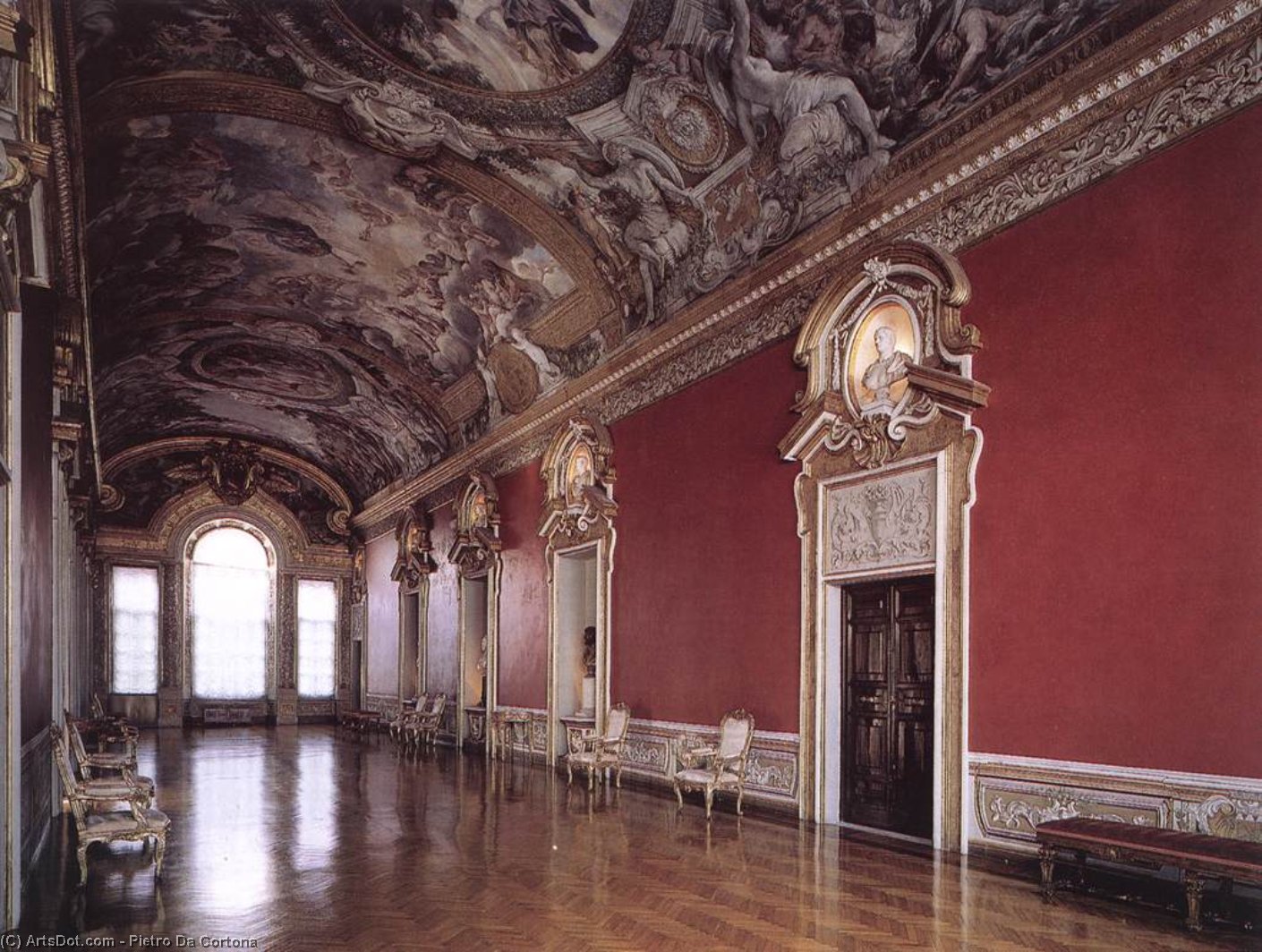
View of the Galleria Pamphilj


 Ver más
Giclée / Impresión de arte
Impresiones giclée o en lienzo de calidad de museo con producción rápida y opciones de acabado flexibles. ( Comprar pintura hecha a mano Comprar imagen)




P118B $10

P118H $10

P118W $10

P438Z $10

P508JH $12

P508YH $12

P805H $10

P805Z $10

P919BZ $10

P919G $10

P919XJ $10

P959ZH $10

P968JZ $12

W106C $8

W218G $10

W218JH $8

W218Y $10

W307PJ $10

W316G $10

W316PJ $8

W316Y $10

W398PJ $8

W4111J $10

W500HY $15

W500JH $15

W692G $12

W849H $8

W940BG $15

W953PJ $8




Elija entre nuestros tamaños predefinidos que respetan las proporciones originales de la obra.

Puede introducir sus propias dimensiones para adaptarse a un marco o espacio específico. Si el tamaño seleccionado no coincide con las proporciones de la imagen original, recortaremos la obra de arte o extenderemos la imagen con un borde con efecto espejo o de color sólido. Se enviará una maqueta digital para su aprobación antes de que comience la producción.
Tenga en cuenta que la vista previa en pantalla no refleja el recorte o la extensión real. Solo la maqueta mostrará con precisión la composición final.
Aunque existen tamaños personalizados, recomendamos seleccionar una dimensión de la lista predefinida para preservar las proporciones originales.
Envío a todo el mundo () en 2 semanas en lugar de las 4/5 semanas estándar. (30 agosto)

Envío exprés gratuito a todo el mundo

Lienzo de lino de alta calidad

Seguro de envío total

Garantía de reembolso de impuestos aduaneros

Garantía de fidelidad cromática exacta

Política de devolución de 60 días (solo por defectos)

Garantía de devolución del 100% del dinero

Descuento por cantidad
 La opción de vidrio solo está disponible en tamaños inferiores a 110 cm.

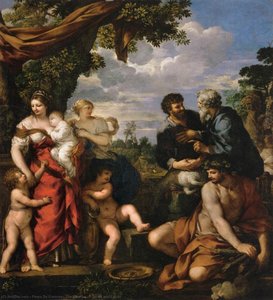
View of the Galleria Pamphilj
Giclée / Impresión de arte
Dimensiones de la reproducción
-


Precio total final
$ 62
A Tuscan Sun Illuminates Roman Grandeur: Exploring Pietro da Cortona’s View of the Galleria Pamphilj
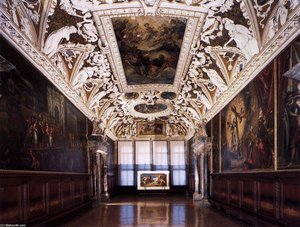
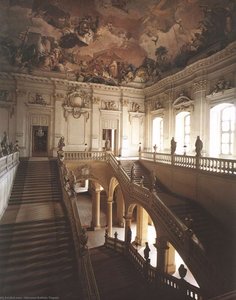
The Galleria Pamphilj in Rome stands as a testament to papal patronage and artistic ambition, housing a breathtaking collection of Baroque masterpieces. Among these treasures is Pietro da Cortona's monumental fresco depicting a panoramic view of the gallery itself – an artwork that transcends mere representation, offering a glimpse into the opulent aesthetic sensibilities of its era and capturing the very essence of Roman Baroque grandeur. Completed in 1651 during the reign of Pope Innocent X Pamphili, this painting isn’t simply documenting a space; it's crafting an experience for the viewer, mirroring the grandeur intended to impress visitors and solidify papal authority.Style and Technique: Mastering Illusion and Light
Cortona’s masterful technique exemplifies the Baroque preoccupation with illusionism – a deliberate effort to deceive the eye and create a sense of depth and realism unattainable through earlier Renaissance styles. He employed *trompe l'oeil*, skillfully blending painted surfaces with architectural elements, blurring the boundaries between reality and artifice. The artist meticulously studied perspective, utilizing aerial perspective to render distant objects paler and less defined, enhancing the illusion of vastness within the gallery walls. Furthermore, Cortona’s masterful use of chiaroscuro – dramatic contrasts between light and shadow – sculpts form and directs the viewer's gaze, emphasizing key architectural features and highlighting the luminous glow emanating from the central chandelier. This technique wasn’t merely aesthetically pleasing; it served a crucial communicative purpose, reinforcing the impression of monumental scale and divine splendor.Historical Context: Papal Power and Artistic Expression
The Galleria Pamphilj was conceived as a symbol of papal prestige during Innocent X's papacy – a period marked by political maneuvering and religious fervor. Cortona’s commission reflects the broader trend of papal patronage supporting ambitious artistic projects designed to elevate Rome’s status as the spiritual capital of Christendom. The fresco served as part of a larger effort to decorate the gallery with artworks celebrating papal piety and commemorating important liturgical events. It stands alongside other masterpieces by Caravaggio, Bernini, and Borromee, forming an unrivaled ensemble that embodies the artistic fervor of the Baroque period. Cortona’s work is inextricably linked to the political climate of Rome, demonstrating how art could be deployed as a tool for asserting power and shaping public perception.Symbolism: Light, Glory, and Divine Presence
Beyond its technical brilliance, Cortona's fresco resonates with profound symbolic meaning. The chandelier, positioned at the apex of the ceiling, represents divine illumination – symbolizing God’s grace and guiding light illuminating the earthly realm. Its radiant glow underscores the gallery’s purpose as a sacred space dedicated to worship. Similarly, the architectural details—the ornate cornices, gilded moldings, and expansive windows—evoke images of imperial grandeur and reinforce the impression of limitless power. Cortona skillfully employs visual cues to convey spiritual aspiration and elevate the viewer's consciousness, aligning with the Baroque’s desire to inspire awe and reverence.Emotional Impact: Capturing Roman Majesty
Looking upon Cortona’s View of the Galleria Pamphilj is akin to stepping into a realm of sublime beauty—a space imbued with palpable energy and grandeur. The artist succeeds in transporting the viewer beyond mere observation, inviting contemplation on the magnificence of papal Rome and the transformative power of art. The painting's luminous palette and masterful composition evoke feelings of awe and reverence, mirroring the emotional response elicited by other Baroque masterpieces. It remains a powerful reminder that art can transcend time, capturing not only visual splendor but also the spirit of an era defined by ambition, faith, and artistic innovation—a legacy that continues to inspire admiration centuries later.Obras relacionadas
Biografía del artista
Primeros años y formación
Pietro da Cortona, cuyo nombre real era Pietro Berrettini (o Berrettini), (Cortona, 1 de noviembre de 1596 – Roma, 16 de mayo de 1669) fue un pintor y arquitecto italiano. Se formó en pintura bajo Andrea Commodi en Florencia antes de trasladarse a Roma alrededor de 1612/3, donde se unió al estudio de Baccio Ciardi.Obras y encargos destacados
- El sacrificio de Polixena, El triunfo de Baco y El rapto de las sabinas (1626) para la familia Sacchetti.
- Decoración al fresco en la iglesia de Santa Bibiana (1624-1626) bajo la dirección de Bernini.
- Alegoría de la Providencia Divina y el poder Barberini (1633) para el Palazzo Barberini, un hito en la pintura barroca.
Características clave e influencias
- Temas grandiosos y ejecución hábil.
- Uso del *trompe-l'œil* para crear ilusiones de extensión espacial.
- Influencia de los trabajos perspectivistas de Paolo Veronese y la paleta de colores de Tiziano.
- Proyectos arquitectónicos distintivos e inventivos, aunque pocos se construyeron.
Estilo artístico y desarrollo
Pietro da Cortona evolucionó desde un estilo influenciado por el manierismo temprano hacia una expresión plenamente barroca. Inicialmente, su obra mostraba una atención al detalle y una composición equilibrada, pero con el tiempo adoptó una estética más dinámica y teatral. Su habilidad para combinar la perspectiva, la iluminación dramática y las composiciones complejas lo convirtió en uno de los pintores más solicitados de Roma. La Alegoría de la Providencia Divina es un ejemplo paradigmático de su madurez artística, donde el espacio se expande ilusionísticamente hacia el cielo, creando una sensación de asombro y magnificencia. Su uso del *trompe-l'œil* no solo servía para engañar al ojo, sino también para realzar la grandiosidad de los espacios arquitectónicos.Legado e importancia histórica
Pietro da Cortona dejó un legado duradero en el mundo de la pintura y la arquitectura barroca. Su estilo innovador y sus obras influyentes inspiraron a generaciones de artistas y arquitectos. La combinación de virtuosismo técnico, dramatismo emocional y grandiosidad temática lo consagró como uno de los maestros del Barroco romano. Sus frescos en el Palazzo Barberini siguen siendo un testimonio impresionante de su talento y una referencia obligada para comprender la evolución del arte barroco.- Fechas clave:
- 1596: Nacimiento en Cortona, Toscana.
- 1612/3: Traslado a Roma.
- 1624-1626: Decoración al fresco en la iglesia de Santa Bibiana.
- 1633: Finalización de Alegoría de la Providencia Divina y el poder Barberini.
- 1669: Fallecimiento.
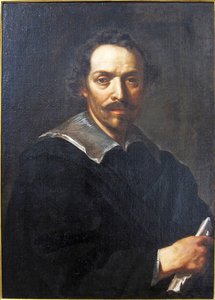
Pietro da Cortona
1596 - 1669 , Italia
Datos clave
- Estilo Artístico: Barroco
- Influencias Artísticas:
- Paolo Veronese
- Tiziano
- Lugar De Nacimiento: Cortona, Italia
- Nacimiento: 1 de noviembre de 1596
- Nacionalidad: Italiana
- Nombre Completo: Pietro da Cortona
- Obras Notables:
- El sacrificio de Polixena
- El triunfo de Baco
- El rapto de las sabinas
- Alegoría de la Providencia Divina
- Otros Nombres: Pietro Berrettini
Artículos relacionados
Leonardo da Vinci: Las 25 Obras Maestras que Definieron un Genio | ArtsDot
Descubre las 25 obras maestras de Leonardo da Vinci, desde la Mona Lisa hasta La Última Cena. Explora su arte renacentista, técnicas innovadoras y el legado del genio italiano. Reproducciones de alta calidad para decorar tu hogar con belleza y historia en ArtsDot.com.
Pietro da Cortona: Baroque Grandeur & the Synthesis of Roman Painting
Explore the life & masterpieces of Pietro da Cortona, a defining figure of the Italian Baroque. Discover his stunning frescoes at Palazzo Barberini and lasting influence on Roman art history. Learn more with ArtsDot.
Leonardo da Vinci: Síntesis del Arte, la Ciencia y la Observación Humana en el Renacimiento – Una Reinterpretación para el Coleccionista
Descubra la síntesis del arte y la ciencia en Leonardo da Vinci. Análisis profundo de sus obras maestras, técnicas innovadoras y legado para coleccionistas exigentes. Una reinterpretación experta.

Drama Barroca: Llevando la Grandeza y la Emoción a los Interiores Contemporáneos
Descubre cómo el drama y la grandeza del arte barroco pueden transformar tus interiores. Guía experta, inspiración y reproducciones de alta calidad en .

Barroco Sublime: 10 Obras Maestras que Definieron una Época |
Descubre las 10 obras maestras del Barroco que marcaron una época. Caravaggio, Bernini y Velázquez cobran vida en . Reproducciones de arte de calidad museo para decorar tu hogar con elegancia. ¡Explora la colección online!