

 Ver en contexto
 Enviar
 Compartir
 Detalles

 Descargar
 Similares
 Radiografía
 Presentación de diapositivas
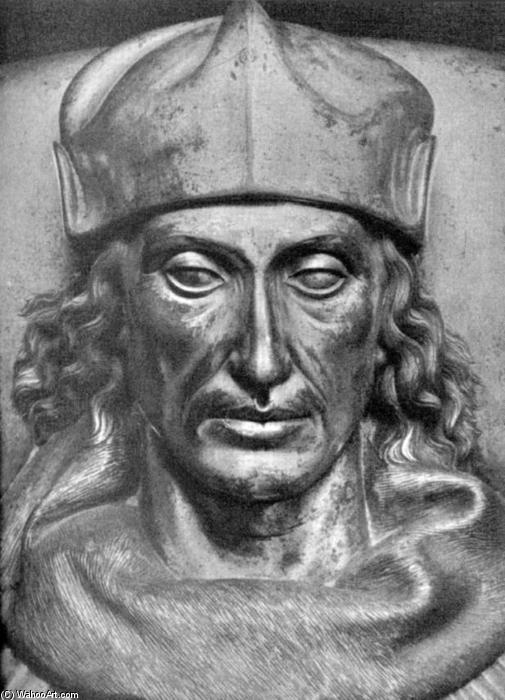
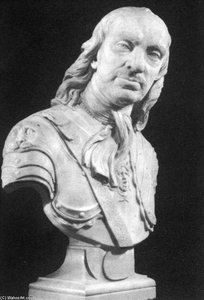
Monument to Henry VII (detail)


 Ver más
Reproducción al óleo hecha a mano
Óleo sobre lienzo pintado a mano en el tamaño y marco de su elección, realizado por encargo por nuestros artistas. ( Comprar impresión Comprar imagen)




P118B $10

P118H $10

P118W $10

P438Z $10

P508JH $12

P508YH $12

P805H $10

P805Z $10

P919BZ $10

P919G $10

P919XJ $10

P959ZH $10

P968JZ $12

W106C $8

W218G $10

W218JH $8

W218Y $10

W307PJ $10

W316G $10

W316PJ $8

W316Y $10

W398PJ $8

W4111J $10

W500HY $15

W500JH $15

W692G $12

W849H $8

W940BG $15

W953PJ $8




Elija entre nuestros tamaños predefinidos que respetan las proporciones originales de la obra.

Puede ingresar sus propias dimensiones para adaptarse a un marco o espacio específico. Si el tamaño seleccionado no coincide con las proporciones de la imagen original, recortaremos la obra o extenderemos la pintura con elementos adicionales pintados a mano. Se le enviará una maqueta digital para su aprobación antes de comenzar la producción.
Tenga en cuenta que la vista previa en pantalla no refleja el recorte o la extensión reales. Solo la maqueta mostrará con precisión la composición final.
Si bien existen tamaños personalizados, recomendamos seleccionar una dimensión de la lista predefinida para preservar las proporciones originales.
Tras realizar el pedido, el equipo de ArtsDot.com enviará un correo electrónico al cliente para solicitar instrucciones y proporcionarle una vista previa del boceto.
Envío a todo el mundo () en 3-4 semanas en lugar de las 5 semanas estándar. (30 agosto). Sin comprometer la calidad.

Envío exprés gratuito a todo el mundo

Lienzo de lino de alta calidad

Seguro de envío total

Garantía de reembolso de impuestos aduaneros

Garantía de fidelidad cromática exacta

Política de devolución de 60 días (solo por defectos)

Garantía de devolución del 100% del dinero

Descuento por cantidad
 La opción de vidrio solo está disponible en tamaños inferiores a 110 cm.

Monument to Henry VII (detail)
Técnica de reproducción
Dimensiones de la reproducción
-


Precio total final
$ 263
A Regal Gaze: Pietro Torrigiano’s Monumental Portrait of Henry VII
The image before us is more than just a sculpted head; it's a frozen moment of authority, a testament to the ambition and enduring legacy of Henry VII. Carved by the Florentine sculptor Pietro Torrigiano in 1512, this portrait offers a profound glimpse into the character of England’s first Tudor king – a man both formidable and subtly melancholic. The monochrome palette, achieved through meticulous stone carving and likely enhanced over centuries, immediately establishes a timeless quality, stripping away the distractions of color to focus entirely on form and texture.
Torrigiano's skill is evident in every meticulously rendered detail. The strong lines defining the face – the prominent brow, the firm jawline, the carefully sculpted lips – speak to a deliberate effort to convey strength and resolve. Yet, it’s not merely a portrait of power; there’s an underlying sense of weariness etched into the lines around the eyes and mouth, suggesting a life spent navigating treacherous political waters. The slight tilt of the head adds dynamism, drawing the viewer in for a closer examination of this complex figure.
Renaissance Realism and Florentine Influence
This sculpture is a prime example of Renaissance realism, reflecting Torrigiano’s training under the great masters of Florence. He brought with him the Italian emphasis on anatomical accuracy and naturalistic representation, which was relatively new to English art at the time. The level of detail – from the individual strands of hair to the subtle creases in the skin – demonstrates a profound understanding of human anatomy and a commitment to capturing the likeness of his subject with remarkable fidelity. The influence of Florentine sculpture is palpable; Torrigiano’s work shares a similar emphasis on conveying character through gesture and expression, moving beyond mere imitation to capture the essence of the individual.
A Royal Legacy: Symbolism and Context
Henry VII's tomb was intended as a monumental statement of royal power and legitimacy. Commissioned after his victory at Bosworth Field, it aimed to solidify his claim to the throne and establish a new dynasty. The crown or elaborate hat worn by the figure is not merely decorative; it’s a potent symbol of kingship, signifying authority, divine right, and the continuity of the monarchy. The aged features, despite their regal setting, subtly hint at the burdens of leadership – a reminder that even the most powerful rulers are subject to time and mortality. The sculpture was part of a larger complex designed to impress upon future generations the importance of the Tudor dynasty.
Craftsmanship and Technique: A Master’s Hand
Torrigiano worked primarily with marble, a material prized for its durability and ability to capture fine detail. The rough texture visible on the surface is not a flaw but rather a deliberate artistic choice – a testament to the sculpting process itself. The interplay of light and shadow, expertly rendered through the carving, creates a dramatic chiaroscuro effect, emphasizing the three-dimensionality of the sculpture and highlighting its textures. This masterful use of light and shadow brings the figure to life, revealing the subtle nuances of his expression and form. The scale of the piece – originally intended for a monumental tomb – further underscores Torrigiano’s ambition and technical prowess.
Collecting a Piece of History
Reproductions of this iconic portrait offer a remarkable opportunity to bring a touch of Tudor history into any setting. Whether displayed in a grand hall or a smaller room, this sculpture captures the essence of a pivotal moment in English history – a reminder of the ambition, power, and enduring legacy of Henry VII. Consider commissioning a hand-painted reproduction from ArtsDot.com to experience the artistry and craftsmanship of Torrigiano’s original work, ensuring that this regal gaze continues to inspire for generations to come.
Obras relacionadas


Biografía del artista
Primeros Años y Formación
- Nacido: Florencia, Italia, 24 de noviembre de 1472
- Fallecido: Sevilla, España, julio/agosto de 1528
- Pietro Torrigiano nació en una familia florentina de artistas.
- Recibió su formación inicial junto a Miguel Ángel en los jardines Medici de San Marco bajo Bertoldo di Giovanni, un estudiante de Donatello. Este entorno lo expuso a la escultura clásica y a los ideales del Renacimiento.
- La influencia de la obra de Donatello es evidente en el estilo posterior de Torrigiano, particularmente en su atención al detalle y la representación realista de la anatomía humana.
El Incidente con Miguel Ángel y Exilio Posterior
- Un momento definitorio en la vida de Torrigiano fue un altercado violento con Miguel Ángel alrededor de 1492. Los relatos de Giorgio Vasari y Benvenuto Cellini describen a Torrigiano golpeando a Miguel Ángel, rompiéndole la nariz debido a lo que parecía ser celos por la creciente fama de Miguel Ángel.
- Este incidente llevó al exilio de Torrigiano de Florencia, impactando significativamente el rumbo de su carrera.
- Después de su expulsión, sirvió como soldado en varios ejércitos, incluyendo los de César Borgia, demostrando una vida más allá de las actividades artísticas.
Carrera en Inglaterra y Comisiones Reales
- Alrededor de 1507, Torrigiano fue invitado a Inglaterra por comerciantes florentinos, donde encontró el patrocinio del rey Enrique VII.
- Recibió importantes comisiones para tumbas reales, incluyendo el elaborado monumento para Enrique VII y Elizabeth of York en la Abadía de Westminster. Este trabajo demostró su habilidad para crear esculturas realistas y detalladas.
- Otros proyectos notables en Inglaterra incluyeron la tumba de Margaret Beaufort, Condesa de Richmond, lo que demuestra su versatilidad como escultor.
- Su trabajo en estos monumentos reales lo estableció como un artista prominente en Inglaterra durante el período Tudor temprano.
Estilo Artístico y Obras Principales
- Estilo: El estilo de Torrigiano se caracteriza por el realismo, la atención al detalle y una mezcla de ideales del Renacimiento con un toque de expresividad. Era conocido por su capacidad para capturar rasgos faciales con precisión, particularmente en el retrato.
- Obras Principales:
- Tumba de Enrique VII y Elizabeth of York (Abadía de Westminster) – Considerada su obra maestra, que muestra detalles intrincados y una representación realista de los monarcas.
- Tumba de Margaret Beaufort (Abadía de Westminster) – Una obra significativa que demuestra su habilidad para crear esculturas conmemorativas.
- Redentor (c. 1500-1510) - escultura en terracota que muestra influencias tempranas.
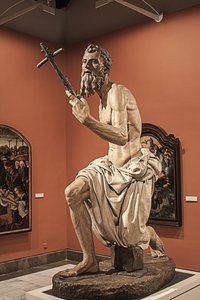
- San Jerónimo (c. 1525) - terracota, mostrando influencia manierista más adelante en su carrera.
- Materiales: Trabajó principalmente con terracota y mármol, demostrando dominio sobre estos materiales.
Años Posteriores y Significado Histórico
- Después de un período de tiempo en Inglaterra, Torrigiano viajó a España, donde continuó trabajando como escultor.
- Posteriormente fue arrestado por la Inquisición española y murió en prisión alrededor de 1528.
- Significado Histórico: Torrigiano es significativo por introducir técnicas y estilos artísticos del Renacimiento en Inglaterra. Su trabajo en las tumbas reales de la Abadía de Westminster representa un vínculo crucial entre el arte del Renacimiento italiano y el desarrollo artístico inglés. Se erige como ejemplo de un artista cuya carrera fue moldeada tanto por un talento extraordinario como por conflictos personales, dejando atrás un legado de esculturas impresionantes que continúan siendo admiradas en la actualidad.
Pietro Torrigiano
1472 - 1528 , Italia
Datos clave
- Artistas Que Influyeron:
- Masaccio
- Donatello
- Bertoldo di Giovanni
- Fecha De Fallecimiento: Julio/Agosto de 1528
- Fecha De Nacimiento: 24 de noviembre de 1472
- Influenciado Por Artistas:
- Diego Velázquez
- Francisco de Zurbarán
- Juan de Martínez Montañés
- Lugar De Nacimiento: Florencia, Italia
- Movimiento Artístico: Renacimiento florentino
- Nacionalidad: Italiana
- Nombre Completo: Pietro Torrigiano
- Obras Notables:
- Tumba de Enrique VII
- Isabel de York
- Condesa Margaret Beaufort
- Redentor
- San Jerónimo
Artículos relacionados
Henri Matisse: Las 25 Obras Maestras que Definieron un Genio del Color | ArtsDot
Descubre las 25 obras maestras de Henri Matisse, el rey del color y padre del fauvismo. Explora su arte moderno, lienzos vibrantes y la historia detrás de cada pintura icónica. Encuentra reproducciones de alta calidad en ArtsDot.com.

Esculturas de Bronce Legendarias: 10 Obras Maestras que Transformaron el Arte | ArtsDot
Descubre las 10 esculturas de bronce más legendarias que revolucionaron el arte. Explora la historia de Rodin, Degas y otros maestros del bronce. Encuentra reproducciones de alta calidad e inspiración para tu hogar en ArtsDot.com.

The Enduring Form: Exploring Themes & Techniques in Sculpture Across Historical Periods
Explore the rich history of sculpture from ancient masterpieces to contemporary innovations. Discover key techniques, influential artists & investment potential for discerning art collectors.
Henry Moore: Sculpting Modernity – Form, Emotion & the Human Condition
Explore the revolutionary sculptures of Henry Moore – abstract forms, reclining figures & powerful expressions of the human condition. Discover his legacy & artistic process with ArtsDot.

The Enduring Form: Sculpture Across History, Technique & Emotional Resonance
Explore the rich history of sculpture with ArtsDot. Discover key techniques, influential artists & investment potential for discerning collectors. Expert insights into valuing and collecting timeless masterpieces.

