

 Vista previa
 Compartir
 Compartir
 Ver detalles

 Descargar
 Ver similares
 Radiografía
 Presentación de diapositivas
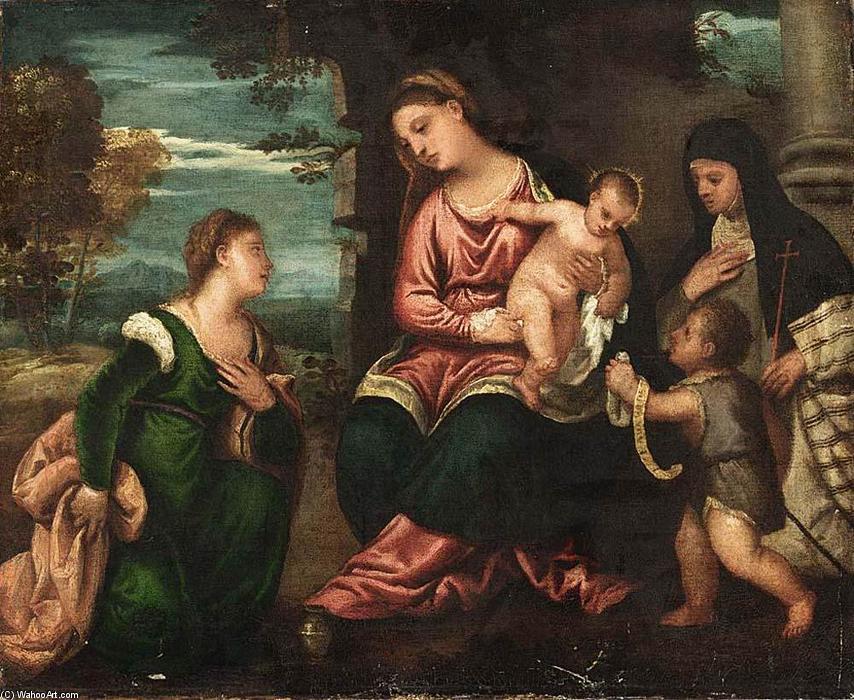
Madonna and Child with Saints
 Renaissance
 60.0 x 73.0 cm
 Leer más
Giclée / Impresión de arte
Impresiones giclée o en lienzo de calidad de museo con producción rápida y opciones de acabado flexibles. ( Encargar reproducción pintada a mano Comprar descarga)




P118B $10

P118H $10

P118W $10

P438Z $10

P508JH $12

P508YH $12

P805H $10

P805Z $10

P919BZ $10

P919G $10

P919XJ $10

P959ZH $10

P968JZ $12

W106C $8

W218G $10

W218JH $8

W218Y $10

W307PJ $10

W316G $10

W316PJ $8

W316Y $10

W398PJ $8

W4111J $10

W500HY $15

W500JH $15

W692G $12

W849H $8

W940BG $15

W953PJ $8




Elija entre nuestros tamaños predefinidos que respetan las proporciones originales de la obra.

Puede introducir sus propias dimensiones para adaptarse a un marco o espacio específico. Si el tamaño seleccionado no coincide con las proporciones de la imagen original, recortaremos la obra de arte o extenderemos la imagen con un borde con efecto espejo o de color sólido. Se enviará una maqueta digital para su aprobación antes de que comience la producción.
Tenga en cuenta que la vista previa en pantalla no refleja el recorte o la extensión real. Solo la maqueta mostrará con precisión la composición final.
Aunque existen tamaños personalizados, recomendamos seleccionar una dimensión de la lista predefinida para preservar las proporciones originales.
Envío a todo el mundo () en 2 semanas en lugar de las 4/5 semanas estándar. (21 agosto)

Envío exprés gratuito a todo el mundo

Lienzo de lino de alta calidad

Seguro de envío completo

Garantía de reembolso de aranceles aduaneros

Garantía de fidelidad cromática exacta

Política de devolución de 60 días (solo por defectos)

Garantía de devolución del 100% del dinero

Oferta por volumen
 La opción de vidrio solo está disponible en tamaños inferiores a 110 cm.

Madonna and Child with Saints
Giclée / Impresión de arte
Tamaño de la reproducción
-


Precio total
$ 62
Obras relacionadas
Biografía del artista
Polidoro da Lanciano: Venetian Echoes of Renaissance Genius
Polidoro da Lanciano (c. 1515 – 1565), born Alessandro Lanzani in Lanciano, Italy—a town nestled a few miles inland from Ortona on the Adriatic coast—remains an artist shrouded in relative obscurity despite producing remarkable paintings that resonate with Venetian artistic sensibilities of his time. Biographical details are scarce, yet scholarly research suggests he was profoundly influenced by the artistic currents swirling around Venice during the High Renaissance, establishing himself as a significant contributor to the region’s vibrant visual culture. His grandfather, Alessandro Rienzo, practiced ceramic painting in Lanciano, hinting at an early exposure to artistic traditions rooted in the local vernacular. Precise birthdate estimations place him around 1515, fueled by Venetian documents that corroborate his formative years. Remarkably adept from a young age, Polidoro embarked on a journey toward artistic mastery, relocating to Venice where he adopted the Venetian form of his name—Lanzani—a common practice for artists seeking prestige and patronage within the city’s artistic elite. Records indicate Polidoro's presence in Venice as early as 1536, several years before official documentation confirms his arrival. He diligently pursued training under luminaries like Titian (1488–1576), Bonifacio Veronese (c. 1487–1557), and Pordenone (1484–1539)—artists whose stylistic innovations profoundly shaped Polidoro’s artistic vision. Venetian legal documents attest to his involvement as a witness in various transactions between 1536 and 1549, demonstrating his social standing and engagement within the city's commercial life. His final will, dated July 20, 1565, provides invaluable insight into his personal circumstances and confirms his passing just days later—a poignant end to a prolific artistic career. Polidoro’s oeuvre is characterized by intimate depictions of the Holy Family—particularly Madonna and Child with Saints—landscapes imbued with serene beauty, and compositions reflecting Venetian elegance and refinement. His style exhibits a distinctive blend of Venetian realism and Mannerist tendencies, mirroring the stylistic evolution occurring throughout Venice during his lifetime. The influence of Veronese is palpable in certain works, highlighting the interconnectedness of artistic dialogues within the Renaissance landscape. He skillfully captured the ethereal light characteristic of Venetian painting, achieving remarkable atmospheric perspective—a technique perfected by Titian and embraced by many Venetian artists of his era. Among Polidoro’s celebrated paintings are “Madonna and Child with Saints” (circa 1540), a masterpiece showcasing meticulous detail and symbolic richness; "Virgin and Child with Saint Luke and a Kneeling Donor (Vision of Saint Stanislaus)" (circa 1545), which exemplifies Venetian artistic virtuosity; and “Christ and the Adulteress” (circa 1560), demonstrating dramatic flair and masterful technique. These paintings are housed in prestigious collections worldwide, testifying to their enduring artistic merit and historical significance. Polidoro da Lanciano’s legacy continues to inspire admiration for his contribution to Venetian Renaissance art—a testament to his talent and the transformative power of artistic exchange. He stands as a beacon of understated genius, reminding us that true artistry often resides in subtlety and profound emotional resonance.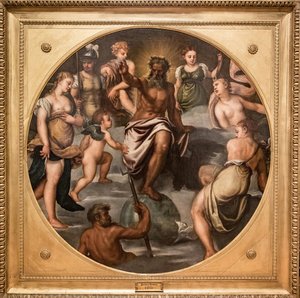
Polidoro Lanzani
1515 - 1565 , Italia
Datos clave
- Artistic Movement Or Style: Pintura Veneciana
- Artists Or Movements Influenced By This Artist: ['Bonifacio Veronese']
- Artists Who Influenced This Artist: ['Tiziano']
- Date Of Birth: ca. 1515
- Date Of Death: 1565
- Full Name: Polidoro da Lanciano
- Nationality: Italiano
- Notable Artworks:
- Madonna e Bambino con Santi
- Virgen y Niño con San Lucas y un Donador Arrodillado (Visión de San Stanislao)
- Cristo y la Mujer Adultera
- Place Of Birth: Lanciano, Italia
Artículos relacionados
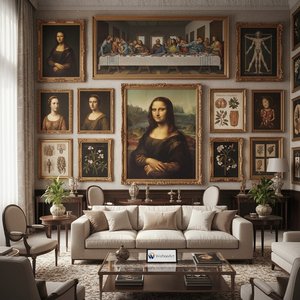
Leonardo da Vinci: Las 25 Obras Maestras que Definieron un Genio | ArtsDot
Descubre las 25 obras maestras de Leonardo da Vinci, desde la Mona Lisa hasta La Última Cena. Explora su arte renacentista, técnicas innovadoras y el legado del genio italiano. Reproducciones de alta calidad para decorar tu hogar con belleza y historia en ArtsDot.com.
The Enduring Legacy of Oil Paint: Technique, History & Emotional Resonance in Western Art
Explore the rich history & techniques of oil painting! Discover Renaissance masters, scientific principles behind color, and emotional resonance in art. Learn about glazing, layering, and atmospheric perspective – a guide for enthusiasts & collectors.

Leonardo da Vinci: Síntesis del Arte, la Ciencia y la Observación Humana en el Renacimiento – Una Reinterpretación para el Coleccionista
Descubra la síntesis del arte y la ciencia en Leonardo da Vinci. Análisis profundo de sus obras maestras, técnicas innovadoras y legado para coleccionistas exigentes. Una reinterpretación experta.

The Enduring Legacy of Oil on Canvas: Technique, History & Aesthetic Impact
Explore the rich history & techniques of oil painting – from Renaissance masters to Impressionism. Discover pigments, layering methods, and why this timeless medium endures. Expert insights for artists & art enthusiasts.

El Óleo sobre Lienzo: Historia, Técnica y la Persistencia de un Medio Artístico Atemporal
Descubre la historia y técnica del óleo sobre lienzo. Explora reproducciones fieles hechas a mano, personalización artística y consejos de expertos con ArtsDot. ¡Colecciona arte con confianza!

