 Ver en contexto
 Enviar
 Compartir
 Detalles

 Descargar
 Similares
 Radiografía
 Presentación de diapositivas
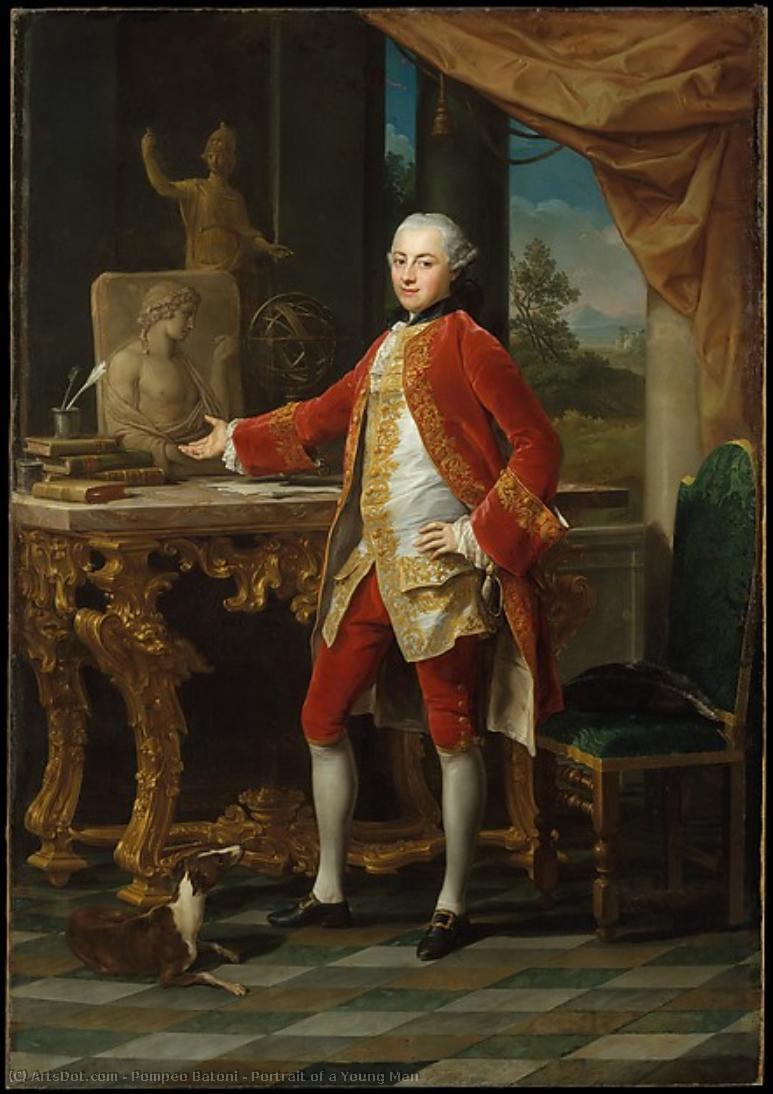
Portrait of a Young Man
 Oil On Canvas
- WallArt
- Baroque Classicism
 1760
1760- Early Modern
 247.0 x 176.0 cm
 Museo Metropolitano de Arte
 Ver más
Reproducción al óleo hecha a mano
Óleo sobre lienzo pintado a mano en el tamaño y marco de su elección, realizado por encargo por nuestros artistas. ( Comprar impresión Comprar imagen)




P118B $10

P118H $10

P118W $10

P438Z $10

P508JH $12

P508YH $12

P805H $10

P805Z $10

P919BZ $10

P919G $10

P919XJ $10

P959ZH $10

P968JZ $12

W106C $8

W218G $10

W218JH $8

W218Y $10

W307PJ $10

W316G $10

W316PJ $8

W316Y $10

W398PJ $8

W4111J $10

W500HY $15

W500JH $15

W692G $12

W849H $8

W940BG $15

W953PJ $8




Elija entre nuestros tamaños predefinidos que respetan las proporciones originales de la obra.

Puede ingresar sus propias dimensiones para adaptarse a un marco o espacio específico. Si el tamaño seleccionado no coincide con las proporciones de la imagen original, recortaremos la obra o extenderemos la pintura con elementos adicionales pintados a mano. Se le enviará una maqueta digital para su aprobación antes de comenzar la producción.
Tenga en cuenta que la vista previa en pantalla no refleja el recorte o la extensión reales. Solo la maqueta mostrará con precisión la composición final.
Si bien existen tamaños personalizados, recomendamos seleccionar una dimensión de la lista predefinida para preservar las proporciones originales.
Tras realizar el pedido, el equipo de ArtsDot.com enviará un correo electrónico al cliente para solicitar instrucciones y proporcionarle una vista previa del boceto.
Envío a todo el mundo () en 3-4 semanas en lugar de las 5 semanas estándar. (1 septiembre). Sin comprometer la calidad.

Envío exprés gratuito a todo el mundo

Lienzo de lino de alta calidad

Seguro de envío total

Garantía de reembolso de impuestos aduaneros

Garantía de fidelidad cromática exacta

Política de devolución de 60 días (solo por defectos)

Garantía de devolución del 100% del dinero

Descuento por cantidad
 La opción de vidrio solo está disponible en tamaños inferiores a 110 cm.

Portrait of a Young Man
Técnica de reproducción
Dimensiones de la reproducción
-


Precio total final
$ 263
A Vision of Grandeur: The Elegance of Batoni’s Young Man
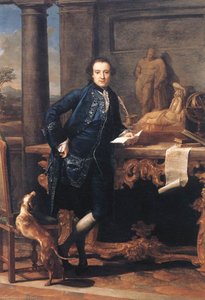
In the heart of Rome’s Golden Age, amidst the vibrant intellectual and social currents of the mid-eighteenth century, Pompeo Batoni captured more than just a likeness; he immortalized an era. His Portrait of a Young Man, executed around 1760, serves as a breathtaking window into the soul of the Grand Tour—that quintessential journey of cultural refinement undertaken by the European aristocracy. The painting presents a figure of striking poise, draped in rich, muted reds that command attention without sacrificing subtlety. As he stands beside a desk laden with the tools of an enlightened mind, the subject becomes a vessel for the aspirations of his time, embodying a sophisticated blend of classical reverence and contemporary elegance.
The composition is a masterclass in narrative depth, where every object serves as a silent witness to the sitter's status. The presence of books—guides to ancient Rome and Homer’s Odyssey—alongside an armillary sphere and a statue of Minerva, speaks eloquently of a life dedicated to the pursuit of wisdom and the study of antiquity. Even more provocative is the inclusion of a relief sculpture of Antinous, which hints at the complex, often hidden, layers of classical influence and cultural identity that permeated the Roman social landscape. For the discerning collector or interior designer, this piece offers a profound sense of intellectual weight, making it an ideal centerpiece for spaces that celebrate history, literature, and the timeless allure of the classical world.
Technical Brilliance and the Rococo Glow
Batoni’s technical prowess is nothing short of extraordinary, showcasing a seamless fusion of Baroque dynamism and Rococo refinement. His brushwork, though possessing an expressive fluidity that suggests movement and life, remains disciplined enough to render textures with startling realism. One can almost feel the weight of the heavy fabrics and the smooth, cool surface of the polished desk. Through the masterful application of glazing techniques, Batoni builds layers of pigment that allow light to penetrate the surface, creating a luminous quality that makes the skin tones appear supple and the red drapery glow with an inner warmth.
The color palette is a sophisticated dialogue between heat and coolness. The commanding reds of the young man’s attire are expertly balanced by the softer, more tranquil tones of the background, ensuring that the eye is drawn first to the subject before wandering through the intricate details of the room. This careful orchestration of light and shadow—chiaroscuro refined for a more delicate era—imbues the portrait with a palpable atmosphere of serenity and prestige. To possess a reproduction of such a work is to invite a sense of historical majesty and painterly excellence into one's environment, offering an enduring aesthetic pleasure that transcends the passing trends of modern decor.
Obras relacionadas
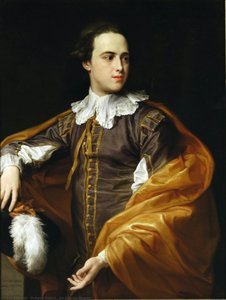
Biografía del artista
Primeros Años y Formación
- Nacido: Lucca, Italia (1708)
- Fallecido: 1787
- Pompeo Batoni se trasladó a Roma en 1727.
- Se formó con Agostino Masucci, Sebastiano Conca y/o Francesco Imperiali.
- Su primera comisión independiente surgió como resultado de las lluvias que azotaron Roma en abril de 1732.
- La pintura "El Éxtasis de Santa Catalina de Siena" ilustra su refinamiento académico del estilo tardío barroco.
Estilo Artístico e Influencias
- El estilo de Batoni se inspiró en la antigüedad clásica, el rococó francés, el clasicismo boloñés y artistas como Nicolas Poussin, Claude Lorrain y especialmente Rafael.
- Se le considera un precursor del neoclasicismo.
- Su obra puede encontrarse en varios museos, incluyendo la Pinacoteca di Brera en Milán, Italia.
Obras Notables y Comisiones
- Virgen con Niño y Santos
- Un Caballero en Roma: Charles Cecil Roberts – Un celebrado retrato de un viajero británico ambientado entre ruinas romanas.
- El Triunfo de Venecia
- Numerosos retablos para iglesias en Italia, como el Museo Duomo en Siena.
- Fue muy solicitado para retratos, particularmente por viajeros británicos del Gran Tour que encargaban retratos de pie dentro de escenarios antiguos.
Desarrollo y Significado Histórico
- Batoni se convirtió en un pintor muy afable en Roma después de que su rival, Anton Raphael Mengs, partiera para España en 1761.
- Se hizo amigo de Winckelmann y buscó restringir el clasicismo en su pintura.
- Sus retratos capturaron el espíritu de la época del Gran Tour, reflejando la fascinación por la antigüedad clásica entre las élites europeas.
- La capacidad de Batoni para combinar técnicas barrocas con ideales neoclásicos emergentes lo posicionó como una figura de transición en la historia del arte italiano.
Legado
- Pompeo Batoni falleció el 4 de febrero de 1787, en Roma.
- Dejó atrás un legado como uno de los pintores italianos más renombrados de su tiempo.
- Su obra continúa siendo admirada por su habilidad técnica, composiciones elegantes y representaciones perspicaces de individuos dentro de su contexto histórico.
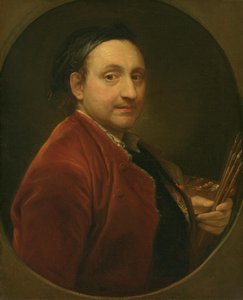
Pompeo Batoni
1708 - 1787 , Italia
Datos clave
- Artistas Que Influyeron:
- Nicolas Poussin
- Claude Lorrain
- Rafael
- Estilo Artístico: Neoclasicismo
- Fecha De Fallecimiento: 4 de febrero de 1787
- Fecha De Nacimiento: 25 de enero de 1708
- Lugar De Nacimiento: Lucca, Italia
- Nacionalidad: Italiana
- Nombre Completo: Pompeo Girolamo Batoni
- Obras Notables:
- Virgen y Niño con Santos
- Un Caballero en Roma
- El Triunfo de Venecia
Artículos relacionados

Baroque Classicism: Reconciling Drama & Order in 17th-Century Art
Explore the captivating world of Baroque Classicism! Discover its history, key artists like Caravaggio & Rubens, and defining characteristics. Expert insights & high-quality reproductions at ArtsDot.

Drama Barroca: Llevando la Grandeza y la Emoción a los Interiores Contemporáneos
Descubre cómo el drama y la grandeza del arte barroco pueden transformar tus interiores. Guía experta, inspiración y reproducciones de alta calidad en .
Los 10 Maestros del Neoclasicismo: Obras que Definieron una Era |
Descubre los 10 imprescindibles del Neoclasicismo con . Obras de David, Ingres y Canova que marcaron una era. Historia, técnica y significado de cada pieza. Encuentra reproducciones de arte de museo en
El Legado Perenne del Clasicismo: Principios Fundamentales, Evolución e Influencia en el Arte Occidental
Descubre la historia del arte clásico occidental: desde sus orígenes en Grecia y Roma hasta su influencia en el Renacimiento y las corrientes contemporáneas. Análisis experto, artistas clave y obras maestras imperdibles.

Barroco Sublime: 10 Obras Maestras que Definieron una Época |
Descubre las 10 obras maestras del Barroco que marcaron una época. Caravaggio, Bernini y Velázquez cobran vida en . Reproducciones de arte de calidad museo para decorar tu hogar con elegancia. ¡Explora la colección online!