 Vista previa
 Compartir
 Compartir
 Ver detalles

 Descargar
 Ver similares
 Radiografía
 Presentación de diapositivas
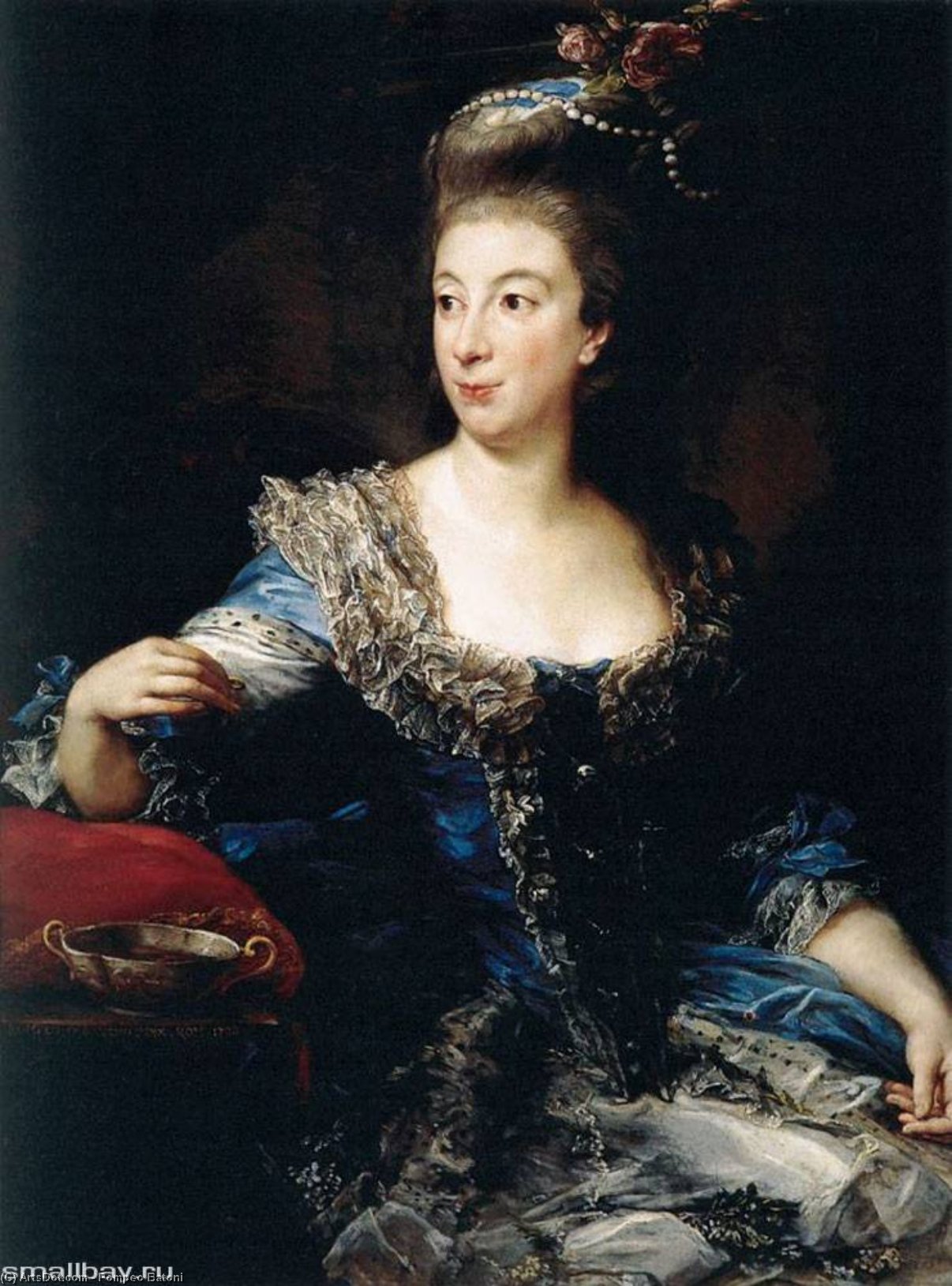
The Countess of San Martino
 Oil On Canvas
- WallArt
- Baroque Rococo
 1785
1785 99.0 x 74.0 cm
 Museo Nacional Thyssen-Bornemisza
 Leer más
Giclée / Impresión de arte
Impresiones giclée o en lienzo de calidad de museo con producción rápida y opciones de acabado flexibles. ( Encargar reproducción pintada a mano Comprar descarga)




P118B $10

P118H $10

P118W $10

P438Z $10

P508JH $12

P508YH $12

P805H $10

P805Z $10

P919BZ $10

P919G $10

P919XJ $10

P959ZH $10

P968JZ $12

W106C $8

W218G $10

W218JH $8

W218Y $10

W307PJ $10

W316G $10

W316PJ $8

W316Y $10

W398PJ $8

W4111J $10

W500HY $15

W500JH $15

W692G $12

W849H $8

W940BG $15

W953PJ $8




Elija entre nuestros tamaños predefinidos que respetan las proporciones originales de la obra.

Puede introducir sus propias dimensiones para adaptarse a un marco o espacio específico. Si el tamaño seleccionado no coincide con las proporciones de la imagen original, recortaremos la obra de arte o extenderemos la imagen con un borde con efecto espejo o de color sólido. Se enviará una maqueta digital para su aprobación antes de que comience la producción.
Tenga en cuenta que la vista previa en pantalla no refleja el recorte o la extensión real. Solo la maqueta mostrará con precisión la composición final.
Aunque existen tamaños personalizados, recomendamos seleccionar una dimensión de la lista predefinida para preservar las proporciones originales.
Envío a todo el mundo () en 2 semanas en lugar de las 4/5 semanas estándar. (22 agosto)

Envío exprés gratuito a todo el mundo

Lienzo de lino de alta calidad

Seguro de envío completo

Garantía de reembolso de aranceles aduaneros

Garantía de fidelidad cromática exacta

Política de devolución de 60 días (solo por defectos)

Garantía de devolución del 100% del dinero

Oferta por volumen
 La opción de vidrio solo está disponible en tamaños inferiores a 110 cm.

The Countess of San Martino
Giclée / Impresión de arte
Tamaño de la reproducción
-


Precio total
$ 62
Descripción de la pieza
The Countess of San Martino: A Portrait of Grace and Grand Tour Elegance
Pompeo Batoni’s “The Countess of San Martino,” painted in 1785, is more than just a portrait; it's a meticulously crafted tableau vivant—a frozen moment capturing the essence of aristocratic life during Italy’s Golden Age. This exquisite work, housed within the Thyssen-Bornemisza Museum in Madrid, offers a glimpse into the refined tastes and opulent sensibilities of European high society through its subject’s poised demeanor, luxurious attire, and the carefully orchestrated backdrop.
Batoni, a pivotal figure bridging the Baroque and Neoclassical eras, possessed an extraordinary ability to imbue his subjects with both dignity and warmth. He was particularly renowned for his “Grand Tour” portraits—commissioned by wealthy British travelers who embarked on extended journeys through Europe, eager to acquire art, experience new cultures, and showcase their worldly possessions. The Countess of San Martino exemplifies this genre perfectly, embodying the allure and sophistication associated with these aristocratic expeditions. Her gaze is direct yet subtly melancholic, hinting at a quiet intelligence beneath her composed exterior.
A Symphony of Color and Light
Batoni’s technical mastery is immediately apparent in the painting's luminous quality. He skillfully employs chiaroscuro—the dramatic contrast between light and shadow—to sculpt the Countess’s form, creating a sense of depth and volume. The soft, diffused light emanating from an unseen source washes over her face and gown, highlighting the intricate details of the fabric: the delicate lace at her cuffs, the rich velvet of her bodice, and the subtle shimmer of her jewelry. The artist's use of color is equally deliberate; a palette dominated by warm reds, blues, and golds evokes a sense of wealth, nobility, and timeless elegance.
Notice particularly how Batoni renders the textures – the heavy folds of the drapery, the sheen of the silk, and the delicate embroidery. These details aren’t merely decorative; they contribute to the overall impression of luxury and refinement. The background landscape, rendered in a hazy, atmospheric style, is not simply a backdrop but an integral part of the composition, suggesting a distant Italian vista—a nod to the Countess's travels and the allure of the Grand Tour itself.
Symbolism and Context
Beyond its aesthetic beauty, “The Countess of San Martino” is rich in symbolic meaning. The pose itself – seated with one hand resting gracefully on a cushion – conveys an air of composure and authority. The inclusion of classical motifs—the architectural elements subtly integrated into the background—references the artistic ideals of antiquity, aligning the portrait with the Neoclassical movement that was gaining momentum during Batoni’s time. The Countess's attire, indicative of her social standing, speaks volumes about the values and expectations of aristocratic women in 18th-century Europe.
The painting’s provenance—having been commissioned by a British gentleman—further underscores its significance within the context of European cultural exchange. It represents a tangible link between Italy's artistic heritage and the burgeoning fascination with classical art and culture that swept through Britain during the Enlightenment. It is a testament to Batoni's ability to capture not just a likeness, but also the spirit of an era.
A Timeless Masterpiece
“The Countess of San Martino” remains a captivating work of art, offering viewers a glimpse into a bygone world of elegance, sophistication, and artistic patronage. Its enduring appeal lies in Batoni’s masterful technique, his ability to evoke emotion through subtle gestures and evocative lighting, and the painting's rich historical context. Whether admired for its technical brilliance or appreciated for its portrayal of aristocratic life, this portrait continues to resonate with audiences today—a timeless reminder of the power of art to transcend time and connect us to the past.
Obras relacionadas






Biografía del artista
Primeros Años y Formación
- Nacido: Lucca, Italia (1708)
- Fallecido: 1787
- Pompeo Batoni se trasladó a Roma en 1727.
- Se formó con Agostino Masucci, Sebastiano Conca y/o Francesco Imperiali.
- Su primera comisión independiente surgió como resultado de las lluvias que azotaron Roma en abril de 1732.
- La pintura "El Éxtasis de Santa Catalina de Siena" ilustra su refinamiento académico del estilo tardío barroco.
Estilo Artístico e Influencias
- El estilo de Batoni se inspiró en la antigüedad clásica, el rococó francés, el clasicismo boloñés y artistas como Nicolas Poussin, Claude Lorrain y especialmente Rafael.
- Se le considera un precursor del neoclasicismo.
- Su obra puede encontrarse en varios museos, incluyendo la Pinacoteca di Brera en Milán, Italia.
Obras Notables y Comisiones
- Virgen con Niño y Santos
- Un Caballero en Roma: Charles Cecil Roberts – Un celebrado retrato de un viajero británico ambientado entre ruinas romanas.
- El Triunfo de Venecia
- Numerosos retablos para iglesias en Italia, como el Museo Duomo en Siena.
- Fue muy solicitado para retratos, particularmente por viajeros británicos del Gran Tour que encargaban retratos de pie dentro de escenarios antiguos.
Desarrollo y Significado Histórico
- Batoni se convirtió en un pintor muy afable en Roma después de que su rival, Anton Raphael Mengs, partiera para España en 1761.
- Se hizo amigo de Winckelmann y buscó restringir el clasicismo en su pintura.
- Sus retratos capturaron el espíritu de la época del Gran Tour, reflejando la fascinación por la antigüedad clásica entre las élites europeas.
- La capacidad de Batoni para combinar técnicas barrocas con ideales neoclásicos emergentes lo posicionó como una figura de transición en la historia del arte italiano.
Legado
- Pompeo Batoni falleció el 4 de febrero de 1787, en Roma.
- Dejó atrás un legado como uno de los pintores italianos más renombrados de su tiempo.
- Su obra continúa siendo admirada por su habilidad técnica, composiciones elegantes y representaciones perspicaces de individuos dentro de su contexto histórico.
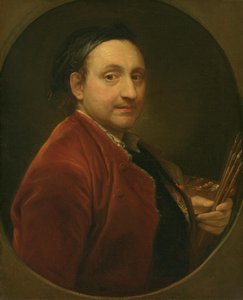
Pompeo Batoni
1708 - 1787 , Italia
Datos clave
- Artistas Que Influyeron:
- Nicolas Poussin
- Claude Lorrain
- Rafael
- Estilo Artístico: Neoclasicismo
- Fecha De Fallecimiento: 4 de febrero de 1787
- Fecha De Nacimiento: 25 de enero de 1708
- Lugar De Nacimiento: Lucca, Italia
- Nacionalidad: Italiana
- Nombre Completo: Pompeo Girolamo Batoni
- Obras Notables:
- Virgen y Niño con Santos
- Un Caballero en Roma
- El Triunfo de Venecia
Artículos relacionados

Drama Barroca: Llevando la Grandeza y la Emoción a los Interiores Contemporáneos
Descubre cómo el drama y la grandeza del arte barroco pueden transformar tus interiores. Guía experta, inspiración y reproducciones de alta calidad en .

The Dramatic Flourish: Exploring the Baroque Movement's Enduring Legacy in Art History
Explore the dramatic world of Baroque art! Discover iconic artists like Caravaggio & Rubens, defining techniques, and its lasting impact on art history. Expert insights for collectors & enthusiasts at ArtsDot.

Barroco Sublime: 10 Obras Maestras que Definieron una Época |
Descubre las 10 obras maestras del Barroco que marcaron una época. Caravaggio, Bernini y Velázquez cobran vida en . Reproducciones de arte de calidad museo para decorar tu hogar con elegancia. ¡Explora la colección online!

The Visceral Stage: Exploring Dramatic Narratives & Emotional Intensity in Baroque Art
Explore the dramatic world of Baroque art! Discover iconic masters like Caravaggio & Rembrandt, their techniques, and the movement's lasting impact. Expert insights for collectors & enthusiasts at ArtsDot.
Theatricality & Triumph: Baroque Drama in Painting & Sculpture
Explore the dramatic world of Baroque art! Discover its history, defining characteristics, & lasting influence on painting & sculpture. Expert insights into Caravaggio, Zurbarán, and Bernini – plus high-quality reproductions at ArtsDot.