 Ver en contexto
 Enviar
 Compartir
 Detalles

 Descargar
 Similares
 Radiografía
 Presentación de diapositivas
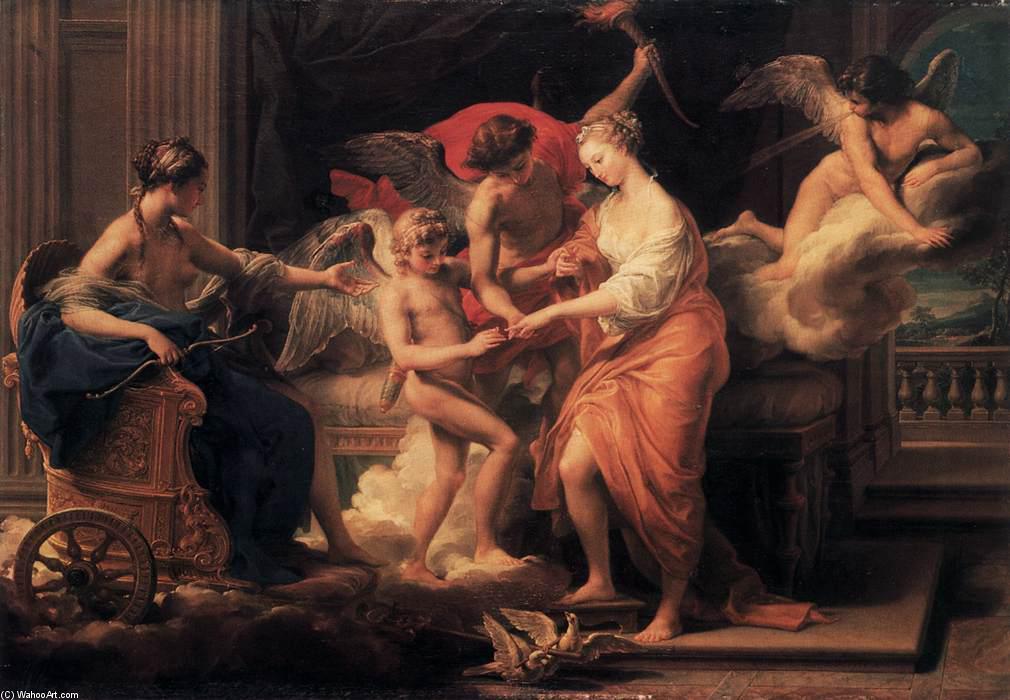
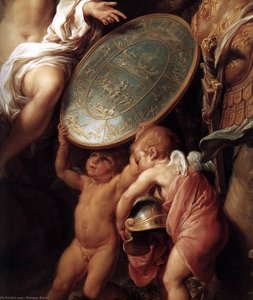
The Marriage of Cupid and Psyche
 Oil On Canvas
- WallArt
- Baroque Classicism
 1756
1756 183.0 x 118.0 cm
 Staatliche Museen zu Berlin
 Ver más
Giclée / Impresión de arte
Impresiones giclée o en lienzo de calidad de museo con producción rápida y opciones de acabado flexibles. ( Comprar pintura hecha a mano Comprar imagen)




P118B $10

P118H $10

P118W $10

P438Z $10

P508JH $12

P508YH $12

P805H $10

P805Z $10

P919BZ $10

P919G $10

P919XJ $10

P959ZH $10

P968JZ $12

W106C $8

W218G $10

W218JH $8

W218Y $10

W307PJ $10

W316G $10

W316PJ $8

W316Y $10

W398PJ $8

W4111J $10

W500HY $15

W500JH $15

W692G $12

W849H $8

W940BG $15

W953PJ $8




Elija entre nuestros tamaños predefinidos que respetan las proporciones originales de la obra.

Puede introducir sus propias dimensiones para adaptarse a un marco o espacio específico. Si el tamaño seleccionado no coincide con las proporciones de la imagen original, recortaremos la obra de arte o extenderemos la imagen con un borde con efecto espejo o de color sólido. Se enviará una maqueta digital para su aprobación antes de que comience la producción.
Tenga en cuenta que la vista previa en pantalla no refleja el recorte o la extensión real. Solo la maqueta mostrará con precisión la composición final.
Aunque existen tamaños personalizados, recomendamos seleccionar una dimensión de la lista predefinida para preservar las proporciones originales.
Envío a todo el mundo () en 2 semanas en lugar de las 4/5 semanas estándar. (24 agosto)

Envío exprés gratuito a todo el mundo

Lienzo de lino de alta calidad

Seguro de envío total

Garantía de reembolso de impuestos aduaneros

Garantía de fidelidad cromática exacta

Política de devolución de 60 días (solo por defectos)

Garantía de devolución del 100% del dinero

Descuento por cantidad
 La opción de vidrio solo está disponible en tamaños inferiores a 110 cm.

The Marriage of Cupid and Psyche
Giclée / Impresión de arte
Dimensiones de la reproducción
-


Precio total final
$ 62
Descripción de la pieza
Pompeo Batoni’s Enchanting Tale of Love and Resilience: The Marriage of Cupid and Psyche
The Marriage of Cupid and Psyche by Pompeo Batoni stands as a testament to the Baroque painter's masterful blend of classical ideals and emotional depth, capturing a pivotal moment in Greek mythology with breathtaking precision. Completed in 1756, this monumental canvas resides within the Gemäldegalerie Berlin, offering visitors an unparalleled glimpse into the artistic sensibilities of Enlightenment Rome. Batoni’s reputation rested on his ability to portray aristocratic subjects with dignity and grace—a skill he brilliantly demonstrated here, securing commissions from wealthy patrons eager for opulent depictions of mythological narratives.A Symphony of Color and Composition
Batoni's technique is characterized by a luminous palette achieved through meticulous layering of glazes – a hallmark of Bolognese Classicism that Batoni adopted as his own. The painting’s dominant hues—warm reds, golds, and creams—create an atmosphere of radiant warmth and celebratory grandeur. Observe how Batoni skillfully employs pyramidal composition, anchoring the central figures of Cupid and Psyche amidst a richly ornamented Roman interior. This architectural framing directs the viewer's gaze upwards, emphasizing the divine intervention that orchestrates their union. The artist’s meticulous attention to detail extends beyond mere representation; he imbues every element—from the drapery folds to the delicate floral garlands—with palpable texture and vibrancy.Mythological Narrative Illuminated
The artwork recounts the legendary romance between Cupid, god of love, and Psyche, a mortal princess renowned for her beauty and virtue. Driven by jealousy fueled by Venus, Aphrodite, Psyche’s mother, Zeus intervenes to protect his daughter's happiness, orchestrating a series of trials designed to test Psyche’s devotion. Batoni portrays Cupid and Psyche exchanging rings—a symbolic gesture signifying their unbreakable bond—under the watchful gaze of angelic figures representing divine benevolence. The inclusion of Zephyr and Flora – gods of wind and flowers respectively – underscores the fecundity and promise inherent in marriage, mirroring the blossoming relationship between the lovers.Classical Influences and Artistic Legacy
Batoni’s artistic vision drew heavily from the stylistic precepts established by Renaissance masters like Raphael and Nicolas Poussin. He skillfully emulated Raphael's harmonious proportions and idealized figures, reflecting the humanist ideals prevalent during his time. Furthermore, Batoni’s penchant for dramatic lighting—a technique championed by Claude Lorrain—creates a theatrical effect that amplifies the emotional resonance of the scene. This masterful execution solidified Batoni’s position as a precursor to Neoclassicism, influencing subsequent generations of artists who sought to recapture the grandeur and clarity of antiquity.A Timeless Reflection on Love's Triumph
“The Marriage of Cupid and Psyche” transcends mere visual representation; it embodies an enduring exploration of themes such as love, perseverance, and divine grace. Batoni’s ability to convey profound emotion through subtle gestures and expressive facial expressions elevates the painting beyond a simple retelling of myth—it becomes a meditation on the transformative power of devotion and the ultimate victory of goodness over adversity. Its continued presence in prestigious museums like the Gemäldegalerie Berlin ensures that Batoni's masterpiece continues to inspire awe and admiration for centuries to come.Obras relacionadas
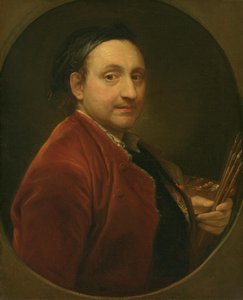
Biografía del artista
Primeros Años y Formación
- Nacido: Lucca, Italia (1708)
- Fallecido: 1787
- Pompeo Batoni se trasladó a Roma en 1727.
- Se formó con Agostino Masucci, Sebastiano Conca y/o Francesco Imperiali.
- Su primera comisión independiente surgió como resultado de las lluvias que azotaron Roma en abril de 1732.
- La pintura "El Éxtasis de Santa Catalina de Siena" ilustra su refinamiento académico del estilo tardío barroco.
Estilo Artístico e Influencias
- El estilo de Batoni se inspiró en la antigüedad clásica, el rococó francés, el clasicismo boloñés y artistas como Nicolas Poussin, Claude Lorrain y especialmente Rafael.
- Se le considera un precursor del neoclasicismo.
- Su obra puede encontrarse en varios museos, incluyendo la Pinacoteca di Brera en Milán, Italia.
Obras Notables y Comisiones
- Virgen con Niño y Santos
- Un Caballero en Roma: Charles Cecil Roberts – Un celebrado retrato de un viajero británico ambientado entre ruinas romanas.
- El Triunfo de Venecia
- Numerosos retablos para iglesias en Italia, como el Museo Duomo en Siena.
- Fue muy solicitado para retratos, particularmente por viajeros británicos del Gran Tour que encargaban retratos de pie dentro de escenarios antiguos.
Desarrollo y Significado Histórico
- Batoni se convirtió en un pintor muy afable en Roma después de que su rival, Anton Raphael Mengs, partiera para España en 1761.
- Se hizo amigo de Winckelmann y buscó restringir el clasicismo en su pintura.
- Sus retratos capturaron el espíritu de la época del Gran Tour, reflejando la fascinación por la antigüedad clásica entre las élites europeas.
- La capacidad de Batoni para combinar técnicas barrocas con ideales neoclásicos emergentes lo posicionó como una figura de transición en la historia del arte italiano.
Legado
- Pompeo Batoni falleció el 4 de febrero de 1787, en Roma.
- Dejó atrás un legado como uno de los pintores italianos más renombrados de su tiempo.
- Su obra continúa siendo admirada por su habilidad técnica, composiciones elegantes y representaciones perspicaces de individuos dentro de su contexto histórico.
Pompeo Batoni
1708 - 1787 , Italia
Datos clave
- Artistas Que Influyeron:
- Nicolas Poussin
- Claude Lorrain
- Rafael
- Estilo Artístico: Neoclasicismo
- Fecha De Fallecimiento: 4 de febrero de 1787
- Fecha De Nacimiento: 25 de enero de 1708
- Lugar De Nacimiento: Lucca, Italia
- Nacionalidad: Italiana
- Nombre Completo: Pompeo Girolamo Batoni
- Obras Notables:
- Virgen y Niño con Santos
- Un Caballero en Roma
- El Triunfo de Venecia
Artículos relacionados
Romantic Realism's Finest: 10 Masterpieces for Your Home | ArtsDot
Explore 10 defining masterpieces of Romantic Realism! Discover Courbet, Millet & Daumier's powerful paintings—capturing emotion and social realities. Find museum-quality reproductions for your home at ArtsDot.com.
Echoes of Olympus: Mythological Narratives in Western Art Through the Ages
Explore the captivating history of mythological narratives in Western art! From ancient Greece to modern masterpieces, discover iconic artworks & symbolism. Expert analysis and high-quality reproductions at ArtsDot.

Paisajes Románticos: 10 Obras Maestras que Definieron un Movimiento Artístico
Descubre los 10 paisajes románticos más influyentes de artistas como Caspar David Friedrich y Turner. Explora la belleza, el simbolismo y las técnicas del movimiento romántico. Reproducciones de arte exclusivas en ArtsDot.com.
Las 10 Obras de Arte Más Románticas: Historia, Artistas y Decoración con
Descubre las 10 obras de arte más románticas de Monet, Renoir y Goya. Explora la historia del amor en el arte, sus colores y técnicas. Encuentra lienzos perfectos para crear un ambiente inolvidable con
Las 10 Obras de Arte Más Románticas: Pasión, Historia y Belleza para tu Hogar
Descubre las 10 obras de arte más románticas de la historia. Explora la pasión, el amor y los secretos detrás de lienzos icónicos de artistas como Monet y Klimt. Encuentra reproducciones de museo en .