

 Ver en contexto
 Enviar
 Compartir
 Detalles

 Descargar
 Similares
 Radiografía
 Presentación de diapositivas
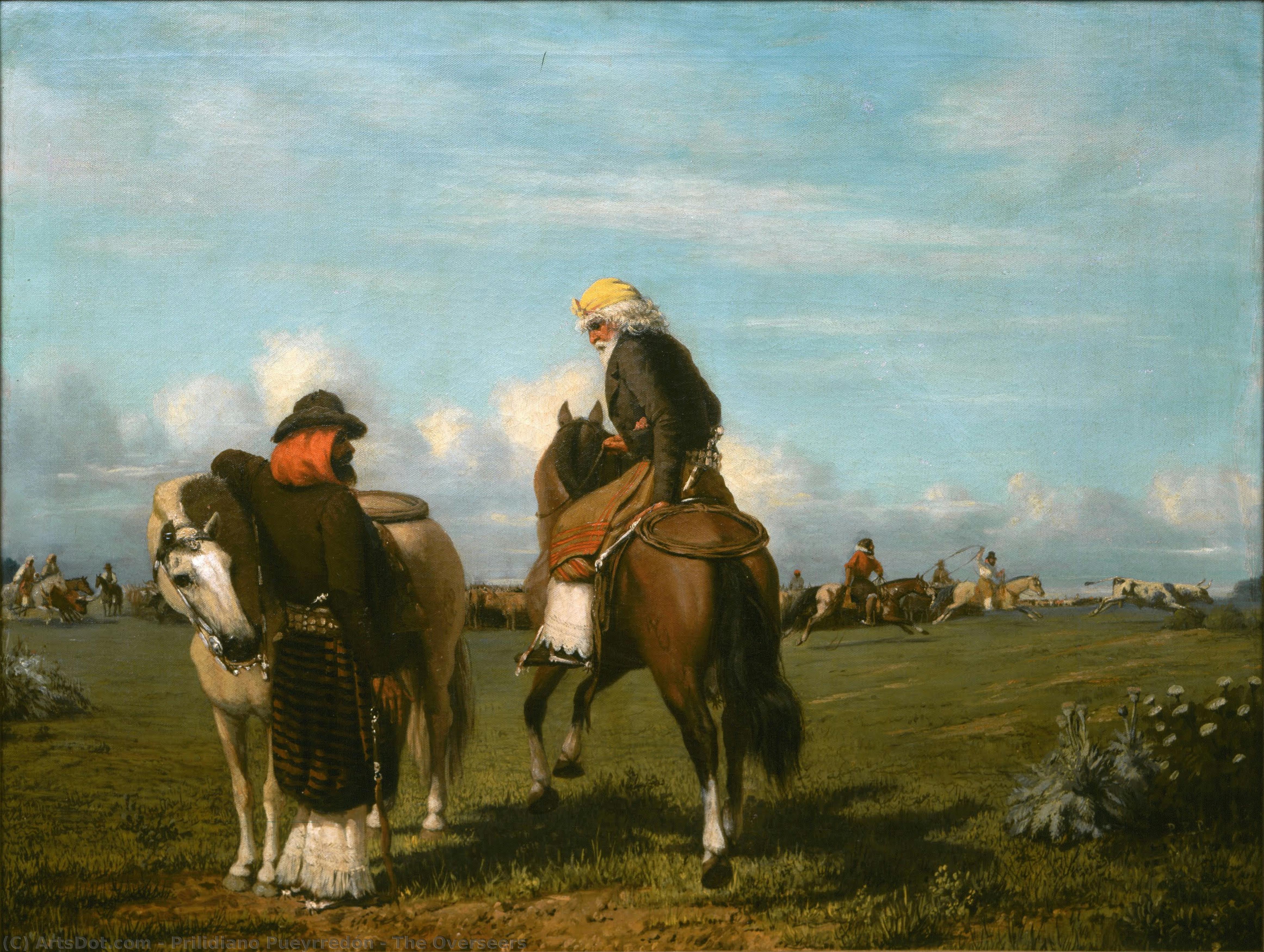
The Overseers

 Ver más
Reproducción al óleo hecha a mano
Óleo sobre lienzo pintado a mano en el tamaño y marco de su elección, realizado por encargo por nuestros artistas. ( Comprar impresión Comprar imagen)




































Elija entre nuestros tamaños predefinidos que respetan las proporciones originales de la obra.

Puede ingresar sus propias dimensiones para adaptarse a un marco o espacio específico. Si el tamaño seleccionado no coincide con las proporciones de la imagen original, recortaremos la obra o extenderemos la pintura con elementos adicionales pintados a mano. Se le enviará una maqueta digital para su aprobación antes de comenzar la producción.
Tenga en cuenta que la vista previa en pantalla no refleja el recorte o la extensión reales. Solo la maqueta mostrará con precisión la composición final.
Si bien existen tamaños personalizados, recomendamos seleccionar una dimensión de la lista predefinida para preservar las proporciones originales.
Tras realizar el pedido, el equipo de ArtsDot.com enviará un correo electrónico al cliente para solicitar instrucciones y proporcionarle una vista previa del boceto.
Envío a todo el mundo () en 3-4 semanas en lugar de las 5 semanas estándar. (24 agosto). Sin comprometer la calidad.

Envío exprés gratuito a todo el mundo

Lienzo de lino de alta calidad

Seguro de envío total

Garantía de reembolso de impuestos aduaneros

Garantía de fidelidad cromática exacta

Política de devolución de 60 días (solo por defectos)

Garantía de devolución del 100% del dinero

Descuento por cantidad
 La opción de vidrio solo está disponible en tamaños inferiores a 110 cm.

The Overseers
Técnica de reproducción
Dimensiones de la reproducción
-


Precio total final
$ 263
Descripción de la obra
Obras relacionadas









Biografía del artista
A Pioneer of Argentine Painting
Prilidiano Paz Pueyrredón (January 24, 1823 – November 3, 1870) stands as one of the foremost figures in the genesis of Argentine painting. Born in Buenos Aires, Argentina—the son of Juan Martín de Pueyrredón, then Supreme Director of the United Provinces of Río de la Plata—and María Calixta Tellechea y Caviedes, a noblewoman—Pueyrredón’s artistic journey began amidst the intellectual ferment of his formative years. His education at Colegio de la Independencia instilled in him a profound appreciation for classical aesthetics and broadened his horizons beyond the confines of aristocratic society.Early Life and European Education
The Pueyrredón family relocated to Europe in 1835, where Pueyrredón pursued further studies in Paris and spent summers in Cádiz—a city brimming with artistic inspiration thanks to its burgeoning cosmopolitan atmosphere and the presence of travelers eager to absorb European culture. Recognizing his innate talent for engineering alongside his passion for painting, he enrolled at École Polytechnique, marking a pivotal moment in shaping his multifaceted intellectual pursuits. This dual focus would prove instrumental in defining his artistic vision and grounding it in scientific observation—a characteristic that distinguishes him from many Romantic painters of his time.Return to Buenos Aires and Artistic Maturity
Upon the illness of his father, Pueyrredón returned to Buenos Aires in 1849, where he established his atelier and dedicated himself to mastering his craft. His artistic output flourished during the mid-1850s and 60s—a period marked by a fervent embrace of Romantic ideals and an unwavering commitment to portraying Argentine society with unflinching realism. Pueyrredón’s canvases captured the essence of daily life, from gauchos traversing the vast plains to laborers engaged in arduous tasks—subjects that resonated deeply with the spirit of his era and cemented his reputation as a chronicler of Argentina's socio-cultural landscape. Notably, he was among the first Argentine painters to depict nude figures—a daring gesture that challenged prevailing artistic conventions and reflected his progressive sensibilities. His iconic paintings *La siesta* and *El baño*, housed in the Museo Nacional de Bellas Artes, remain enduring symbols of Argentine art history.Costumbrismo and Influences
Pueyrredón’s artistic style—characterized by Costumbrismo—was profoundly influenced by European Romanticism and Impressionism. This movement championed the depiction of everyday scenes and characters—a deliberate rejection of idealized representations favored by earlier generations—and Pueyrredón skillfully employed vibrant colors and expressive brushstrokes to convey emotion and immediacy. His canvases are imbued with a palpable sense of atmosphere, capturing the nuances of Argentine rural life and reflecting the artist’s deep empathy for his fellow countrymen. Furthermore, Pueyrredón's work served as an inspiration for subsequent generations of Argentine painters—establishing Costumbrismo as a cornerstone of national artistic identity.Legacy and Notable Works
Pueyrredón’s legacy extends beyond his individual creations—he fostered the development of Argentine art education and mentored numerous aspiring artists—leaving an indelible mark on the trajectory of Argentinian painting. His oeuvre encompasses approximately 223 paintings, predominantly landscapes and portraits—among which *Un alto en el campo*, *Capataz y peón de campo*, *Lavanderas del Bajo Belgrano* and *Recorriendo la Pampa* stand out as masterpieces of Costumbrismo. Pueyrredón’s contribution to the architectural landscape of Buenos Aires is equally significant—he designed buildings that embody elegance and functionality, reflecting his intellectual curiosity and artistic vision. His enduring influence continues to inspire artists today, ensuring that Prilidiano Pueyrredón's name remains synonymous with Argentine art history.
Prilidiano Pueyrredón
1823 - 1870 , Argentina
Datos clave
- Artistic Movement Or Style: Costumbrismo
- Date Of Birth: 24 enero 1823
- Date Of Death: 3 noviembre 1870
- Full Name: Prilidiano Paz Pueyrredón
- Nationality: Argentino
- Notable Artworks:
- Los supervisores
- Una parada en el campo
- Las alturas de San Isidro
- El rancho
- Place Of Birth: Buenos Aires, Argentina

