 Enviar
 Compartir
 Detalles

 Descargar
 Similares
 Presentación de diapositivas
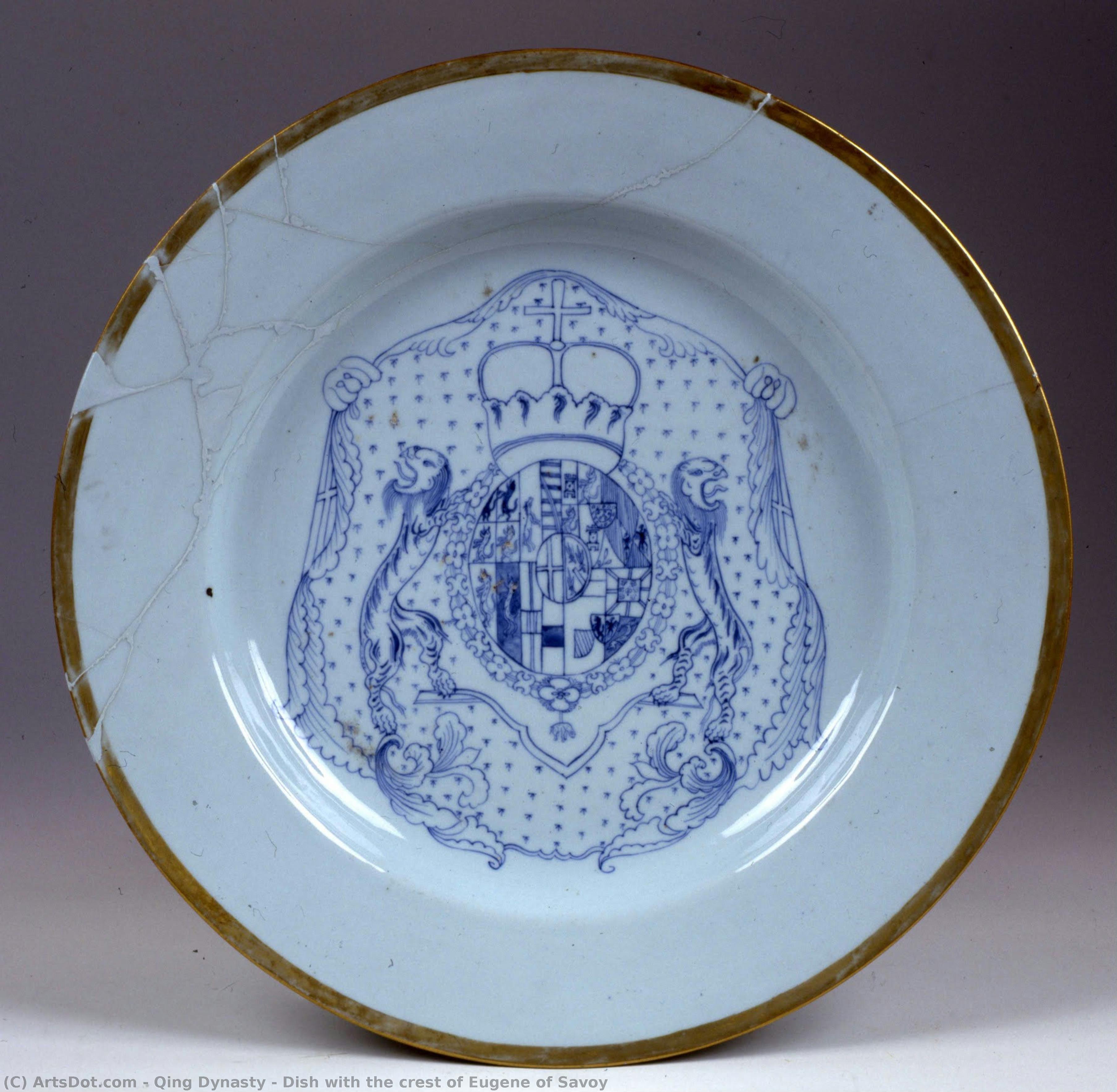
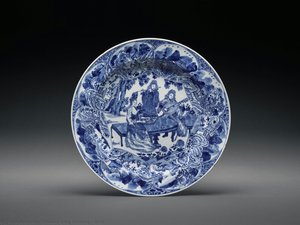
Dish with the crest of Eugene of Savoy


 Ver más
Reproducción al óleo hecha a mano
Óleo sobre lienzo pintado a mano en el tamaño y marco de su elección, realizado por encargo por nuestros artistas. ( Comprar impresión Comprar imagen)




































Elija entre nuestros tamaños predefinidos que respetan las proporciones originales de la obra.

Puede ingresar sus propias dimensiones para adaptarse a un marco o espacio específico. Si el tamaño seleccionado no coincide con las proporciones de la imagen original, recortaremos la obra o extenderemos la pintura con elementos adicionales pintados a mano. Se le enviará una maqueta digital para su aprobación antes de comenzar la producción.
Tenga en cuenta que la vista previa en pantalla no refleja el recorte o la extensión reales. Solo la maqueta mostrará con precisión la composición final.
Si bien existen tamaños personalizados, recomendamos seleccionar una dimensión de la lista predefinida para preservar las proporciones originales.
Tras realizar el pedido, el equipo de ArtsDot.com enviará un correo electrónico al cliente para solicitar instrucciones y proporcionarle una vista previa del boceto.
Envío a todo el mundo () en 3-4 semanas en lugar de las 5 semanas estándar. (26 agosto). Sin comprometer la calidad.

Envío exprés gratuito a todo el mundo

Lienzo de lino de alta calidad

Seguro de envío total

Garantía de reembolso de impuestos aduaneros

Garantía de fidelidad cromática exacta

Política de devolución de 60 días (solo por defectos)

Garantía de devolución del 100% del dinero

Descuento por cantidad
 La opción de vidrio solo está disponible en tamaños inferiores a 110 cm.

Dish with the crest of Eugene of Savoy
Técnica de reproducción
Dimensiones de la reproducción
-


Precio total final
$ 263
Descripción de la obra
A Royal Legacy in Blue and White
In the delicate dance of cobalt and kaolin, there exists a profound connection between the imperial workshops of China and the aristocratic courts of Europe. This exquisite porcelain dish, dating to approximately 1725, serves as a breathtaking testament to this historical dialogue. At its heart lies the heraldic crest of Prince Eugene of Savoy, one of history's most formidable military commanders and a legendary patron of the arts. The plate is not merely a functional object but a piece of Chine de commande—bespoke porcelain commissioned specifically for European nobility through the powerful conduits of the East India Companies. To gaze upon this dish is to witness a moment where Eastern craftsmanship met Western identity, creating a seamless fusion of two vastly different worlds.
The artistry of the Qing Dynasty reached unparalleled heights during this era, particularly in the kilns of Jingdezhen. The technique displayed here utilizes the classic underglaze blue method, where cobalt pigment is applied to the unfired clay before being enveloped in a clear, protective glaze and fired at intense temperatures. This process creates a depth of color that seems to float just beneath the surface of the porcelain, offering a luminous quality that has captivated collectors for centuries. The precision required to render the intricate details of the Savoy crest—the crown, the heraldic symbols, and the delicate linework—speaks to the mastery of the anonymous artisans who worked under the strict dictates of European patrons.
Beyond its technical brilliance, the dish carries a heavy weight of symbolism and historical prestige. The presence of Eugene of Savoy’s crest transforms the object from a piece of decorative ware into a political and social statement. As a man who moved through the highest circles of the Habsburg Empire, his patronage brought a specific European aesthetic to the Chinese workshops. For the modern collector or interior designer, this piece offers more than just visual elegance; it provides a narrative of global interconnectedness. It evokes an era of exploration, diplomacy, and the shared human desire for beauty that transcends borders.
Integrating a high-quality reproduction of such a significant artifact into a contemporary space can breathe life and historical gravity into any interior. Whether placed as a focal point in a curated gallery or used to add a touch of classical sophistication to a modern dining setting, the dish radiates an aura of timelessness. It invites conversation about the Silk Road, the grandeur of the Qing Dynasty, and the enduring legacy of the House of Savoy. For those who seek to surround themselves with art that tells a story of power, elegance, and global heritage, this porcelain masterpiece remains an incomparable inspiration.
Obras relacionadas

Biografía del artista
qing dynasty: A Legacy of Imperial Art
The Qing Dynasty (1644–1912), also known as the Great Qing, represents a pivotal moment in Chinese history—the final chapter of imperial rule and an era profoundly shaped by artistic innovation and cultural grandeur. Emerging from the chaos following the Ming collapse, the Manchus established a new dynasty centered on Beijing, consolidating power through military prowess and skillfully adapting to Western influences while preserving core Confucian values. This period witnessed unparalleled advancements in porcelain production, monumental landscape painting, theatrical performance, and decorative arts, leaving an indelible mark on Chinese artistic heritage that continues to inspire artists today.Early Years & Artistic Foundations
Born in Manchuria (modern northeastern China), Qing Dynasty artists often hailed from aristocratic families who had embraced Manchu culture—a blend of Mongol traditions and Han Chinese customs. The initial impetus for artistic development stemmed from the desire to legitimize imperial rule through elaborate ceremonies and monumental artworks reflecting Confucian ideals of harmony and order. Early Qing painters, particularly those serving in the Imperial Court, meticulously studied classical techniques honed during the Ming Dynasty, mastering brushwork, color palettes, and compositional principles rooted in Daoist philosophy. The influence of Zen Buddhism further enriched artistic expression, emphasizing spontaneity and capturing fleeting moments of beauty—a characteristic evident in the burgeoning Xieyi style. Artists like Tingqua sought to revive traditional aesthetics while simultaneously incorporating new perspectives—demonstrating a dynamic interplay between past and present.The Gongbi Style: Detail & Luminosity
The gongbi (“meticulous”) painting style flourished during the Qing Dynasty, epitomized by artists like Tingqua, whose export paintings catered to a discerning Western clientele. Gongbi painters prioritized painstaking realism, employing layered brushstrokes and vibrant pigments to achieve astonishing levels of detail—capturing every nuance of texture and color with breathtaking accuracy. Landscapes dominated gongbi output, reflecting Confucian reverence for nature and portraying idealized vistas imbued with spiritual significance. Artists sought to convey not merely visual representation but also emotional resonance, striving to evoke contemplation and harmony within the viewer. The famed Pheasants and Blue Magpie by Tingqua exemplifies this meticulous approach, showcasing a masterful blend of observation and artistic interpretation—available at ArtsDot.com. This style’s dedication to capturing precise detail established it as a benchmark for Chinese painting excellence.The Rise of Xieyi: Freedom & Expression
Alongside gongbi’s precision came xieyi (“freehand”), championed by artists like Liu Xiaodong who continue to innovate today. Unlike gongbi's meticulous layering, xieyi embraced spontaneity and expressive brushwork—allowing for intuitive gestures that conveyed emotion rather than striving for photographic realism. This style drew inspiration from Daoist principles of wu wei ("non-action"), prioritizing intuition over intellectual calculation. Xieyi painters often employed bold colors and unconventional compositions to capture the essence of a subject—creating dynamic images brimming with energy and immediacy. Stone 1 by Liu Xiaodong embodies this liberating aesthetic, demonstrating the enduring power of artistic freedom. The stylistic divergence between gongbi and xieyi represents a crucial shift in Chinese artistic sensibilities—reflecting broader cultural transformations during the Qing period.Porcelain Innovation & Imperial Patronage
The Qing Dynasty cemented its reputation as the “Ceramic Empire” thanks to unparalleled advancements in porcelain production. The imperial kilns at Jingdezhen(jing-duh-juhn) produced exquisite wares—ranging from delicate famille rose porcelains adorned with floral motifs to monumental Guan vases showcasing breathtaking craftsmanship—that captivated collectors worldwide. These masterpieces served not only as decorative objects but also as symbols of imperial power and cultural prestige. The Dresden Porcelain Collection showcases the splendor of Qing porcelain, highlighting its enduring beauty and artistic achievement. Artists like Tingqua skillfully blended traditional techniques with Western influences—a testament to the Qing Dynasty’s openness to global exchange. ### Notable Artists & Legacy Beyond Tingqua and Liu Xiaodong, Guan Liang stands out as a master of ink painting—particularly his evocative depiction of “The Legend of the White Snake,” available at ArtsDot.com. His work exemplifies the Qing Dynasty’s commitment to capturing spiritual essence through subtle brushstrokes and understated color palettes. The Qing Dynasty's artistic legacy extends far beyond its own borders, influencing subsequent generations of Chinese artists and shaping the trajectory of Asian art history. Its emphasis on Confucian values, coupled with experimentation in painting styles like gongbi and xieyi, cemented its place as a cornerstone of Chinese cultural heritage—a testament to the transformative power of artistic vision. For more information on Qing Dynasty art and its impact, visit ArtsDot.com or wikipedia's page on the history of Asian art.
Qing dinastía
1644 - 1911 , China
Datos clave
- Artistic Movement Or Style: Gongbi & Xieyi Painting
- Artists Or Movements Influenced By This Artist: ['Kunqu Opera']
- Date Of Death: 1911
- Full Name: qing dynasty
- Nationality: Chinese
- Notable Artworks: ['Pheasants and blue magpie']
- Place Of Birth: China
Artículos relacionados

Blanco Sublime: Los 10 Cuadros Más Famosos Dominados por la Luz y el Color
Descubre los 10 cuadros blancos más emblemáticos de la historia del arte. Explora Monet, Van Gogh y Klimt, y su magistral uso de la luz y el color. Encuentra reproducciones de alta calidad e inspírate para tu decoración en .
Las 10 Obras Maestras del Azul Pizarra: Arte, Historia y Decoración
Descubre las 10 pinturas más famosas dominadas por el azul pizarra. Explora la historia, técnica y belleza de Monet, Van Gogh y otros maestros. Encuentra reproducciones de arte exclusivas para decorar tu hogar en .
The Allure of Azure: Exploring the Symbolic & Aesthetic Depths of Blue in Art History
Explore the rich history of blue in art! Discover its symbolism, from ancient pigments to modern masterpieces by Kandinsky & Seurat. Uncover the psychological impact and cultural meanings behind this captivating hue.

The Subtleties of White: Exploring Absence, Light & Symbolism in Art History
Explore the profound symbolism & history of white in art! From ancient purity to modern abstraction, discover how artists have used absence & light. Expert insights from ArtsDot.
Azure Visions: Exploring Representations of the Blue Dress in Western Art History
Explore the rich history of the blue dress in Western art! Discover its symbolism, from Renaissance masterpieces to modern interpretations by artists like Martin & Schiele. Uncover cultural meanings and artistic techniques.