

 Ver en contexto
 Enviar
 Compartir
 Detalles

 Descargar
 Similares
 Radiografía
 Presentación de diapositivas
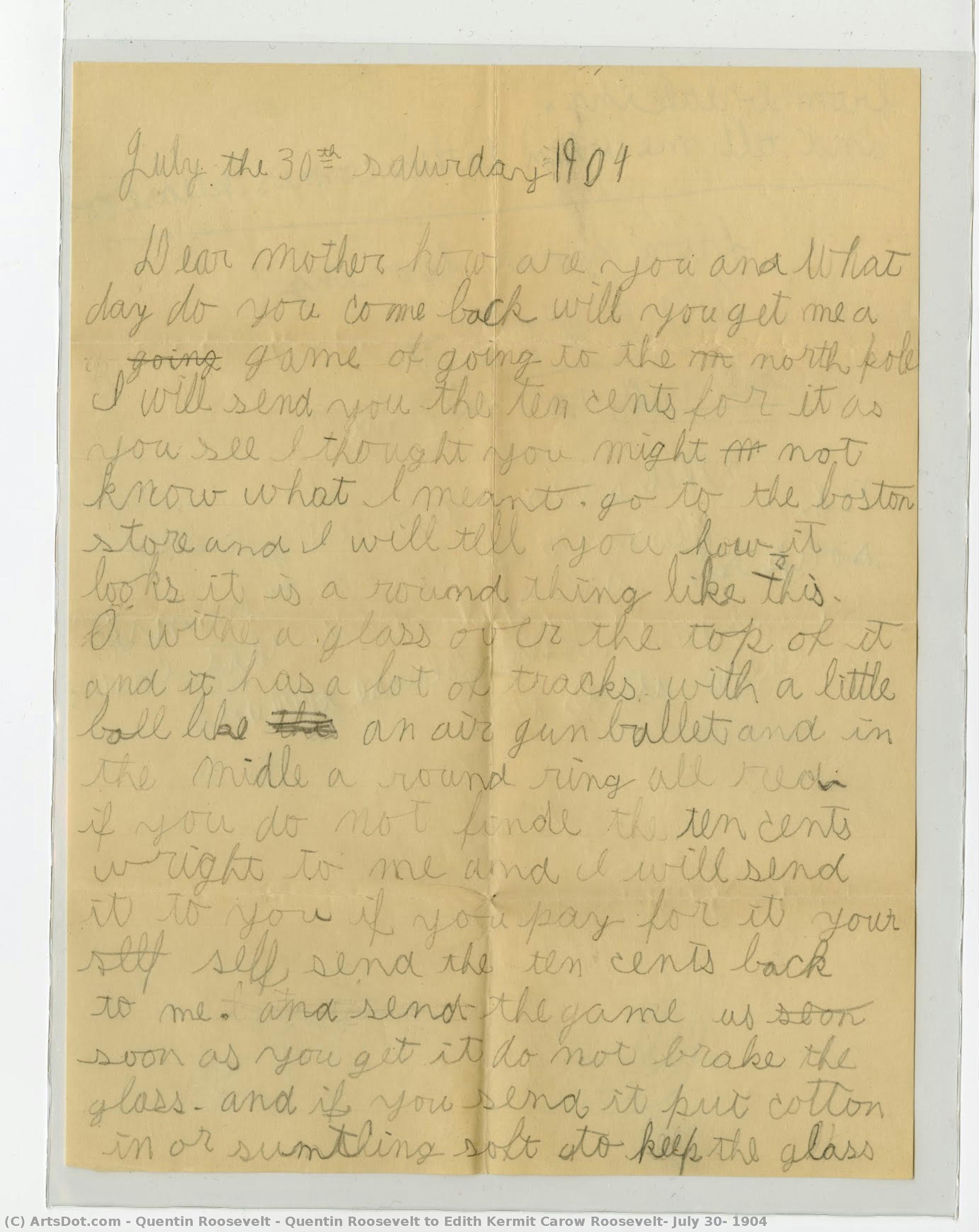
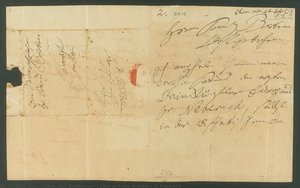
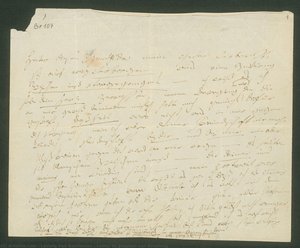
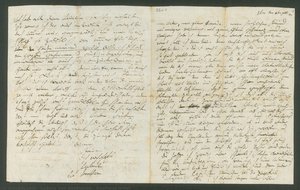
Quentin Roosevelt to Edith Kermit Carow Roosevelt, July 30, 1904


 Ver más
Reproducción al óleo hecha a mano
Óleo sobre lienzo pintado a mano en el tamaño y marco de su elección, realizado por encargo por nuestros artistas. ( Comprar impresión Comprar imagen)




P118B $10

P118H $10

P118W $10

P438Z $10

P508JH $12

P508YH $12

P805H $10

P805Z $10

P919BZ $10

P919G $10

P919XJ $10

P959ZH $10

P968JZ $12

W106C $8

W218G $10

W218JH $8

W218Y $10

W307PJ $10

W316G $10

W316PJ $8

W316Y $10

W398PJ $8

W4111J $10

W500HY $15

W500JH $15

W692G $12

W849H $8

W940BG $15

W953PJ $8




Elija entre nuestros tamaños predefinidos que respetan las proporciones originales de la obra.

Puede ingresar sus propias dimensiones para adaptarse a un marco o espacio específico. Si el tamaño seleccionado no coincide con las proporciones de la imagen original, recortaremos la obra o extenderemos la pintura con elementos adicionales pintados a mano. Se le enviará una maqueta digital para su aprobación antes de comenzar la producción.
Tenga en cuenta que la vista previa en pantalla no refleja el recorte o la extensión reales. Solo la maqueta mostrará con precisión la composición final.
Si bien existen tamaños personalizados, recomendamos seleccionar una dimensión de la lista predefinida para preservar las proporciones originales.
Tras realizar el pedido, el equipo de ArtsDot.com enviará un correo electrónico al cliente para solicitar instrucciones y proporcionarle una vista previa del boceto.
Envío a todo el mundo () en 3-4 semanas en lugar de las 5 semanas estándar. (24 agosto). Sin comprometer la calidad.

Envío exprés gratuito a todo el mundo

Lienzo de lino de alta calidad

Seguro de envío total

Garantía de reembolso de impuestos aduaneros

Garantía de fidelidad cromática exacta

Política de devolución de 60 días (solo por defectos)

Garantía de devolución del 100% del dinero

Descuento por cantidad
 La opción de vidrio solo está disponible en tamaños inferiores a 110 cm.

Quentin Roosevelt to Edith Kermit Carow Roosevelt, July 30, 1904
Técnica de reproducción
Dimensiones de la reproducción
-


Precio total final
$ 263
Descripción de la obra
A Whisper from the Past: The Intimacy of Quentin Roosevelt’s Correspondence
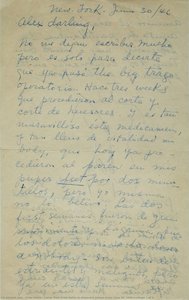
In the quiet intersection of personal history and historical artifact, there exists a profound beauty found not in grand oil paintings, but in the delicate, cursive strokes of a handwritten letter. This particular piece of correspondence, penned by Quentin Roosevelt to his mother, Edith Kermit Carow Roosevelt, on July 30, 1904, serves as a poignant window into a vanished era. To gaze upon this document is to step into the private world of the Roosevelt family, far removed from the political theater of the White House. The letter, captured in its folded, envelope-like state, carries the weight of a son’s affection and the rhythmic elegance of early 20th-century penmanship. It is more than mere paper; it is a tactile connection to a moment in time when communication required patience, intention, and a physical touch that digital text can never replicate.
The visual allure of this piece lies in its organic texture and the flowing, rhythmic movement of the ink. The script, executed in a classic cursive style, dances across the page with a grace that reflects the refined upbringing of the Roosevelt lineage. For the collector or the interior designer, this artifact offers a unique aesthetic of epistolary elegance. The way the light catches the subtle creases and folds of the aged paper creates a sense of depth and history, making it an ideal focal point for a study, a library, or a curated gallery wall dedicated to historical Americana. It embodies a "shabby chic" sophistication that is both intellectually stimulating and visually soothing, providing a sense of groundedness in a modern, fast-paced world.
Beyond its aesthetic merits, the emotional resonance of this letter is deeply moving. Knowing that Quentin Roosevelt—the "Silent Son" whose life would be tragically cut short during the Great War—was writing these words to his mother adds a layer of bittersweet nostalgia to the viewing experience. There is a profound vulnerability in his descriptions, particularly as he recounts the details of a game he wishes to play, a mundane yet vital detail that underscores the innocence of youth before the shadows of global conflict descended. This piece symbolizes the enduring bond between parent and child and the fleeting nature of peace. For those seeking to decorate with pieces that tell a story, this reproduction offers an opportunity to surround oneself with the quiet heroism and the tender, human moments that define our shared human heritage.
Obras relacionadas
Biografía del artista
Quentin Roosevelt: The Silent Son of Theodore
The youngest son of President Theodore Roosevelt and Edith Kermit Carow Roosevelt, Quentin Roosevelt (November 19, 1897 – July 14, 1918) remains an enigma in the annals of American history—a figure tragically cut short before achieving his father’s grand ambitions. While his siblings embraced military service with visible fanfare and distinction, Quentin pursued a path less traveled: he joined the United States Army Air Service during World War I, driven by a profound admiration for his father's legacy and a desire to honor his family’s tradition of courage and duty. His story is one of quiet heroism, overshadowed by circumstance—a poignant reminder that greatness can manifest in unexpected ways.Early Life & Family Influence
Born in Washington D.C., Quentin was enveloped in the vibrant atmosphere of Theodore Roosevelt's household, a milieu already brimming with intellectual curiosity and adventurous spirit. Alice Roosevelt Longworth, his elder sister, possessed an outspoken personality—a characteristic that would define her life as a social reformer—while Ethel Derby, another sibling, pursued a career as a diplomat. Ted Roosevelt III, Quentin’s brother, followed in his father's footsteps as a soldier, demonstrating unwavering commitment to service. Archie Roosevelt, Quentin’s youngest brother, was known for his rebellious streak and penchant for mischief. Yet, amidst this constellation of personalities, Quentin stood apart—a boy who absorbed the ethos of his family with remarkable sensitivity. His upbringing at Sagamore Hill National Historic Site instilled in him a deep appreciation for the natural world and fostered an inquisitive mind that would later fuel his passion for aviation. The Roosevelts’ belief in pragmatism and action—traits epitomized by Theodore Roosevelt Sr.—shaped Quentin's worldview, preparing him for a life dedicated to service and achievement. Notably, Edith Roosevelt, a woman of considerable intellect and compassion, instilled in Quentin a deep empathy for others—a quality that would inform his later humanitarian endeavors.Joining the Air Service & Pursuit Pilot Training
Inspired by his father’s unwavering conviction in preparedness and bolstered by the encouragement of his siblings, Quentin decisively abandoned Harvard University to enlist in the United States Army Air Service in 1915. Recognizing the burgeoning importance of aerial warfare—a field championed by Theodore Roosevelt Sr.—he embarked on intensive pursuit pilot training at Kelly Field in San Antonio, Texas. The training regimen demanded physical endurance and mental fortitude—qualities Quentin possessed in abundance. He excelled in his studies and demonstrated exceptional aptitude for flying maneuvers, quickly earning the respect of instructors and fellow trainees alike. His determination to honor his father’s legacy extended beyond mere military service; he sought to embody Rooseveltian ideals of courage, resilience, and unwavering commitment to duty—values that would guide him throughout his wartime career. Quentin's decision to forgo academic pursuits in favor of active participation in the Great War reflected a broader trend among young men of his generation—a yearning for adventure and a desire to contribute meaningfully to the defense of their nation.Combat Experience & The Fall of Bastille Day
Quentin’s wartime service culminated in his assignment to the 95th Aero Squadron, stationed at Chalons-sur-Marne, France. There he flew Nieuport 28 aircraft—a formidable weapon of aerial warfare—participating in daring missions against German forces. He quickly established himself as a skilled pilot and demonstrated remarkable bravery—characteristics that would earn him recognition from his comrades and superiors. On July 14th, 1918—Bastille Day—Quentin Roosevelt undertook his final flight over France. Tragically, he was engaged in combat when his aircraft was downed by anti-aircraft fire near Coulonges-Cohan. He perished instantly, becoming one of the youngest American officers to lose his life during World War I. His death resonated deeply within the Roosevelt family—a profound loss compounded by the circumstances surrounding it. Despite his brief military career, Quentin’s legacy endured—primarily through correspondence and historical accounts that documented his unwavering spirit and dedication to duty. The outpouring of grief from his family underscored the enduring power of familial bonds and served as a poignant reminder of the sacrifices made in defense of liberty. ### Remembrance & Legacy Quentin Roosevelt's story continues to captivate historians and enthusiasts alike—a testament to his quiet heroism and the indelible mark he left on American history. His death, though premature, cemented his place among the courageous young men who fought for their country during World War I—a cohort distinguished by its idealism and unwavering commitment to upholding democratic values. The ABMC cemetery at Colville-sur-Mer serves as a solemn memorial to Quentin’s life—a poignant reminder of the tragic fate that befell him amidst the tumult of wartime Europe. His image remains etched in photographic history—a symbol of youthful bravery and the enduring spirit of the Roosevelt family—forever enshrined in the annals of American lore.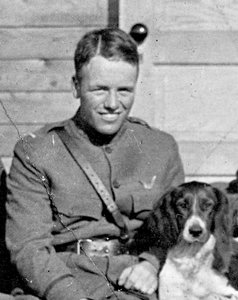
Quentin Roosevelt
1897 - 1918 , Estados Unidos
Datos clave
- Artistic Movement Or Style: None specified
- Artists Or Movements Influenced By This Artist: ['WWI aviation history']
- Artists Who Influenced This Artist: ['Theodore Roosevelt']
- Date Of Birth: Nov 19, 1897
- Date Of Death: Jul 14, 1918
- Full Name: Quentin Roosevelt
- Nationality: American
- Notable Artworks: ['Letter from Theodore Roosevelt to Quentin Roosevelt']
- Place Of Birth: Washington, D.C.
Artículos relacionados

Echoes of Time: Nostalgia, Technique & Cultural Significance in Vintage Paintings
Explore the captivating world of vintage paintings! Discover key styles, cultural significance & collecting tips from art experts at ArtsDot. Find authentic reproductions and elevate your home décor.
Echoes of Time: Exploring the Enduring Appeal of Vintage Artwork
Explore the captivating world of vintage art! Discover its history, enduring appeal, & how to build your own collection. Expert advice, custom reproductions & museum-quality prints at ArtsDot.

Echoes of Time: Exploring the Enduring Appeal & Historical Context of Vintage Art Prints
Explore the captivating world of vintage art prints! Discover their history, collecting tips & enduring appeal. Expert insights on chromolithography and building a legacy collection with ArtsDot.

Echoes of Eras Past: Exploring Themes & Techniques in Vintage Art Collections
Explore the captivating world of vintage art! Discover historical movements, iconic themes & collecting tips. Find handmade reproductions & expert appraisal at ArtsDot.

Echoes of Arcadia: Nostalgia & Transformation in Vintage Landscape Art
Explore the evocative world of vintage landscape art! Discover the history, artists & emotional power behind masterpieces from the Hudson River School & beyond. Expert insights for collectors & enthusiasts.

