

 Ver en contexto
 Enviar
 Compartir
 Detalles

 Descargar
 Similares
 Radiografía
 Presentación de diapositivas
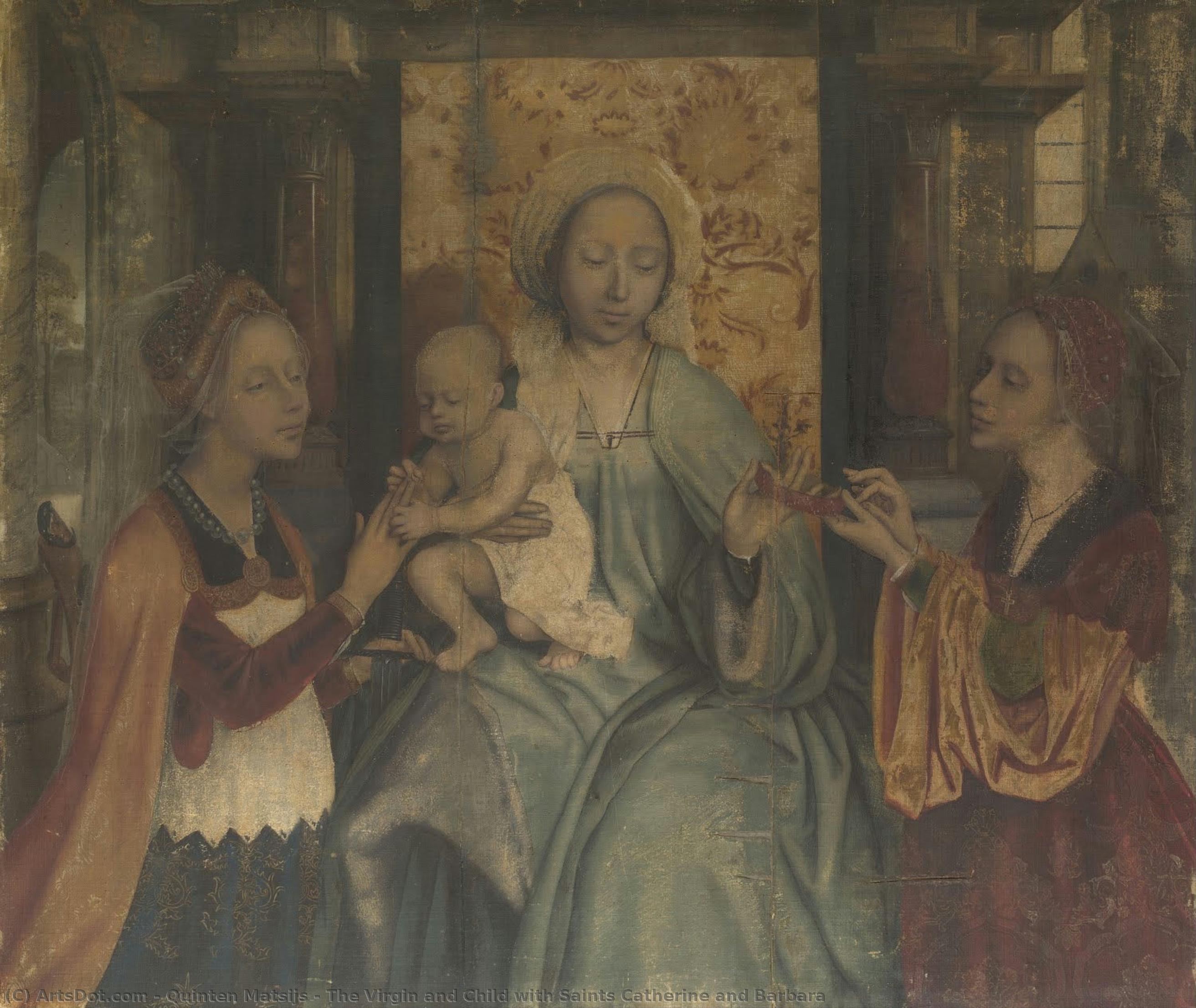
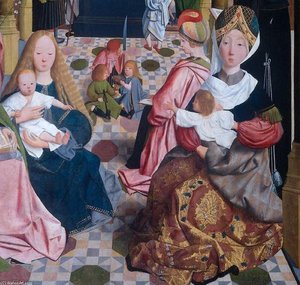
The Virgin and Child with Saints Catherine and Barbara
 Oil On Panel
- Early Renaissance
 1515
1515 93.0 x 110.0 cm
 Galería Nacional
 Ver más
Adquiera una imagen digital de alta resolución y optimizada, muy superior a la vista previa en línea.
Cada archivo es preparado meticulosamente por nuestros especialistas internos mediante el uso de herramientas avanzadas y un experto retoque manual. Nos aseguramos de que cada imagen posea una claridad excepcional, una precisión cromática impecable y un detalle minucioso.
El archivo final se entrega por correo electrónico en un plazo de 72 horas, optimizado para su uso inmediato en entornos profesionales, editoriales y de impresión. Esta es la misma calidad en la que confían los estudios de diseño, las editoriales y las galerías de primer nivel.
Imagen Digital
Descarga un archivo de alta resolución para exhibición personal, impresión y proyectos creativos. ( Comprar impresión Comprar pintura hecha a mano)
Incluido en cada pedido de imágenes digitales
Entrega digital experta, garantizada.
Al elegir ArtsDot.com, no solo está adquiriendo una imagen; está recibiendo una obra de arte digital mejorada profesionalmente, elaborada con precisión y respaldada por una garantía de satisfacción. Esto es todo lo que incluye su pedido, automáticamente:

Entrega rápida por email
Recibirá su archivo de imagen digital en alta resolución por correo electrónico en un plazo de 72 horas tras realizar su pedido, listo para su uso inmediato.

Archivo digital optimizado por IA
Su obra de arte se optimiza profesionalmente mediante herramientas avanzadas de IA y edición manual, garantizando el máximo detalle, claridad y precisión cromática.

Reenvío gratuito de por vida
¿Has borrado o perdido tu archivo por error? No te preocupes: te lo volveremos a enviar en cualquier momento, sin coste adicional.

Sin gastos de importación, siempre
Disfrute de su obra de arte al instante sin aduanas, aranceles ni gastos de envío; las descargas digitales siempre están libres de impuestos.

Garantía de fidelidad de color
Garantizamos que su imagen digital refleje los colores originales con la mayor fidelidad posible, mediante el uso de herramientas profesionales y gestión del color.

Garantía de satisfacción de 60 días
Si no está satisfecho con su imagen digital, la revisaremos o le reembolsaremos el 100% en un plazo de 60 días, sin preguntas.

100% Garantía de devolución de dinero
¿No está satisfecho? Obtenga un reembolso completo dentro de los 60 días posteriores a la recepción de su archivo digital, sin necesidad de explicaciones.

Descuentos por pedidos grandes
Compra 3 imágenes, ahorra 10% - Compra 5, ahorra 15% - Compra 10+, ahorra 20%. Ideal para proyectos creativos, galerías y agencias.
The Virgin and Child with Saints Catherine and Barbara – A Renaissance Dialogue of Faith and Form
Quinten Matsijs’ “Virgin & Child” (1515), housed in the National Gallery, London, stands as a testament to the burgeoning humanist spirit of Early Renaissance art while simultaneously embodying profound religious devotion. More than just a depiction of biblical figures—Mary, Jesus Christ, and Saint Catherine and Saint Barbara—the painting is an intricate orchestration of visual elements designed to convey spiritual contemplation and moral instruction.
- Overall Impression: The artwork presents a realistic portrayal typical of its era, albeit bearing the marks of time and careful restoration. Its central composition focuses on Mary, Jesus, and Saint Catherine, flanked by Barbara, creating a balanced visual narrative within an indistinct architectural setting suggestive of a sacred space. Dramatic lighting emphasizes key figures like Mary’s face and clothing, highlighting textural details achieved through impasto technique—particularly noticeable on Mary's robes—reflecting the influence of Flemish painting traditions.
- Size & Date: Measuring 93 x 110 cm, this piece dates back to 1515, marking a pivotal moment in artistic innovation and reflecting the stylistic developments occurring during the humanist revival.
- Artist Background: Quinten Matsijs (1466–1530), considered the founder of the Antwerp School of Painting, was born in Leuven, Belgium. Initially an ironsmith, he transitioned to painting, establishing himself as a prominent figure within the artistic landscape of his time. His oeuvre is characterized by both religious fervor and subtle satirical commentary—a duality that distinguishes him from many of his contemporaries.
- Technique & Materials: Executed in oil on panel, “Virgin & Child” exemplifies the meticulous craftsmanship demanded by Renaissance art. The artist skillfully employed a two-stage process – applying darker pigments followed by lighter tones—to create depth and illusionistic space. Infrared photography reveals an underdrawing and a black layer of underpaint, demonstrating the painstaking attention to detail characteristic of Matsijs’ approach.
- Symbolism & Interpretation: The painting overflows with symbolic significance. Mary's halo signifies her divine status, while gestures of reverence displayed by all figures underscore the sanctity of the scene. The ring placed on Saint Catherine’s finger symbolizes her mystical marriage to Christ—a visual representation of spiritual union—and the tower associated with Saint Barbara serves as a reminder of her imprisonment and martyrdom. Furthermore, the use of muted earth tones—ochres, browns, and blues—combined with touches of red and gold—creates an atmosphere of solemn piety.
A remarkable example of Early Renaissance painting, “Virgin & Child” continues to captivate viewers with its masterful blend of artistic skill and theological contemplation. Its enduring legacy resides not only in its technical brilliance but also in its ability to evoke a powerful emotional response—a feeling of serenity and reverence for the divine.
Explore this masterpiece further at The National Gallery and discover more about Quinten Matsijs’ contribution to the artistic heritage of Flanders.
Obras relacionadas
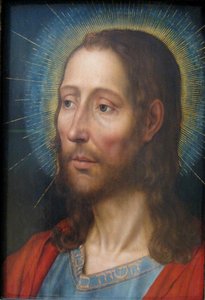
![Virgin And Child With Saint Joseph And Donor [centre Panel Of The Withypool Triptych] — Antonio Solario (lo Zingaro), High Renaissance](/media/artworks/images-thumb/b9/7d/b97d0df3c80849ec91debbc927ef02ec.jpg)
Biografía del artista
**early life and training**
quinten matsijs, a prominent figure in the early netherlandish tradition, was born in leuven, belgium, in 1466. according to tradition, matsijs began his career as an ironsmith before transitioning to painting, although this aspect of his life remains somewhat speculative.**artistic career and contributions**
active in antwerp for over two decades, quinten matsijs produced numerous works characterized by their religious undertones and satirical inclinations. his contributions to the early netherlandish art movement are significant, earning him recognition as the founder of the antwerp school of painting. this school would later become a dominant force in flemish art during the 16th century.**notable works and innovations**
- **the virgin and child with saints catherine and barbara**: a masterpiece showcasing matsijs' skill in blending religious themes with subtle moral undertones. - **jacob obrecht**: a portrait of the renowned choirmaster, exemplifying matsijs' ability to capture the essence of his subjects.**legacy and influence**
matsijs introduced new techniques and motifs to the early netherlandish tradition, paving the way for future generations of artists. his influence can be seen in the works of later flemish painters who built upon his innovations.- key contribution: founding the antwerp school of painting, which became a cornerstone of flemish art in the 16th century.
- notable museums featuring his work: the koninklijk museum voor schone kunsten in antwerp, belgium, houses several of matsijs' masterpieces, offering a glimpse into his artistic genius.
- view more of quinten matsijs' art: explore [ArtsDot.com's collection](https://ArtsDot.com/@/quinten-matsijs) for an in-depth look at his works and the early netherlandish art movement.
**conclusion**
quinten matsijs's legacy is a testament to his enduring impact on flemish painting. through his innovative approach, he not only defined the antwerp school but also influenced the broader landscape of northern renaissance art. his works continue to inspire and intrigue, offering a window into the artistic and cultural nuances of 15th-century flanders.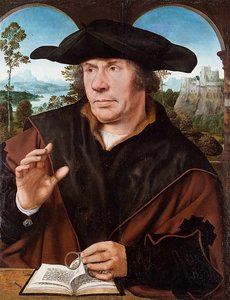
Quinten Matsijs
1466 - 1530 , Bélgica
Breves datos
- Artistic Movement Or Style: Renacimiento temprano
- Artists Or Movements Influenced By This Artist: ['Miguel Ángel']
- Artists Who Influenced This Artist:
- Lorenzo Ghiberti
- Filippo Brunelleschi
- Date Of Birth: c. 1386
- Date Of Death: 1466
- Full Name: Donato di Niccolò di Betto Bardi
- Nationality: Italiano
- Notable Artworks:
- San Jorge
- David (bronce)
- Monumento ecuestre a Gattamelata
- Place Of Birth: Florencia, Italia

