 Ver en contexto
 Enviar
 Compartir
 Detalles

 Descargar
 Similares
 Radiografía
 Presentación de diapositivas
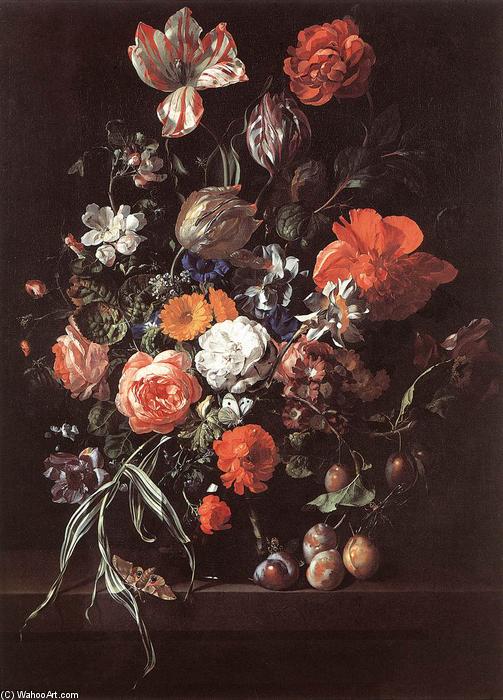
Still-Life with Bouquet of Flowers and Plums
 Oil On Canvas
- WallArt
- Dutch Golden Age
 92.0 x 70.0 cm
 Musées Royaux des Beaux-Arts
 Ver más
Giclée / Impresión de arte
Impresiones giclée o en lienzo de calidad de museo con producción rápida y opciones de acabado flexibles. ( Comprar pintura hecha a mano Comprar imagen)




P118B $10

P118H $10

P118W $10

P438Z $10

P508JH $12

P508YH $12

P805H $10

P805Z $10

P919BZ $10

P919G $10

P919XJ $10

P959ZH $10

P968JZ $12

W106C $8

W218G $10

W218JH $8

W218Y $10

W307PJ $10

W316G $10

W316PJ $8

W316Y $10

W398PJ $8

W4111J $10

W500HY $15

W500JH $15

W692G $12

W849H $8

W940BG $15

W953PJ $8




Elija entre nuestros tamaños predefinidos que respetan las proporciones originales de la obra.

Puede introducir sus propias dimensiones para adaptarse a un marco o espacio específico. Si el tamaño seleccionado no coincide con las proporciones de la imagen original, recortaremos la obra de arte o extenderemos la imagen con un borde con efecto espejo o de color sólido. Se enviará una maqueta digital para su aprobación antes de que comience la producción.
Tenga en cuenta que la vista previa en pantalla no refleja el recorte o la extensión real. Solo la maqueta mostrará con precisión la composición final.
Aunque existen tamaños personalizados, recomendamos seleccionar una dimensión de la lista predefinida para preservar las proporciones originales.
Envío a todo el mundo () en 2 semanas en lugar de las 4/5 semanas estándar. (31 agosto)

Envío exprés gratuito a todo el mundo

Lienzo de lino de alta calidad

Seguro de envío total

Garantía de reembolso de impuestos aduaneros

Garantía de fidelidad cromática exacta

Política de devolución de 60 días (solo por defectos)

Garantía de devolución del 100% del dinero

Descuento por cantidad
 La opción de vidrio solo está disponible en tamaños inferiores a 110 cm.

Still-Life with Bouquet of Flowers and Plums
Giclée / Impresión de arte
Dimensiones de la reproducción
-


Precio total final
$ 62
A Window into a Dutch Master's World: Rachel Ruysch’s Botanical Brilliance
Rachel Ruysch’s “Still-Life with Bouquet of Flowers and Plums” isn’t merely a depiction of flora; it’s a meticulously crafted portal into the world of a 17th-century Dutch artist deeply immersed in the scientific observation and artistic representation of nature. Born in The Hague in 1664, Ruysch’s life was inextricably linked to her father, Frederik Ruysch, a renowned anatomist and botanist whose vast collection of specimens formed the very foundation of her artistic practice. Unlike many artists of her time who relied on idealized representations, Ruysch’s work is rooted in an unparalleled level of detail, born from years spent studying the intricacies of flowers, insects, and even animal anatomy within her father's extraordinary laboratory – a veritable cabinet of curiosities.
The painting itself, completed sometime before 1725, showcases Ruysch’s signature style: an intensely realistic portrayal of a floral arrangement that transcends simple botanical illustration. The composition is dominated by a vibrant bouquet, overflowing with roses, violets, tulips, and other blossoms, all rendered with astonishing precision. The inclusion of plump plums adds a touch of contrasting color and texture, grounding the ethereal beauty of the flowers in a tangible reality. Notice how Ruysch doesn’t shy away from imperfections – a slightly wilted petal, a blemish on a plum – these details elevate the piece beyond mere representation, imbuing it with a sense of life and vulnerability.
The Language of Flowers: Symbolism Woven into Bloom
Ruysch’s work is deeply intertwined with the burgeoning Victorian fascination with floriography—the symbolic language of flowers. Each bloom carries a specific meaning, carefully encoded within the arrangement. Roses, for instance, traditionally represent love and beauty, while violets symbolize modesty and faithfulness. The careful selection and placement of these floral emblems invite interpretation, suggesting a hidden narrative beyond the surface appearance. Ruysch’s mastery lies not only in her technical skill but also in her understanding of how flowers could communicate emotions and ideas – a subtle sophistication that distinguished her from many of her contemporaries.
Furthermore, Ruysch's work reflects the broader cultural context of 17th-century Holland. The Dutch Republic was a center for scientific inquiry and artistic innovation, fostering an environment where observation and meticulous documentation were highly valued. Ruysch’s paintings are testaments to this spirit of intellectual curiosity, blending artistic skill with scientific rigor. Her ability to capture the fleeting beauty of flowers—their delicate textures, vibrant colors, and transient forms—is a remarkable achievement that continues to captivate viewers today.
A Masterful Technique: Light, Shadow, and Texture
Ruysch’s technical prowess is immediately apparent in her masterful use of light and shadow. The dark background serves as a dramatic foil to the brightly colored flowers, drawing the viewer's eye directly to their intricate details. She employs a technique known as “chiaroscuro,” carefully modulating the intensity of light to create a sense of depth and volume. The petals appear almost velvety to the touch, thanks to Ruysch’s meticulous attention to texture – she captures every subtle variation in color and form with astonishing accuracy.
Her brushstrokes are incredibly fine, building up layers of paint to achieve an unparalleled level of realism. The artist's ability to render the delicate veins of a leaf or the intricate patterns on a petal is truly remarkable. Ruysch’s work demonstrates a deep understanding of color theory and composition, resulting in a harmonious and visually stunning image that rewards careful observation.
A Legacy of Botanical Beauty
Rachel Ruysch's “Still-Life with Bouquet of Flowers and Plums” stands as a testament to her extraordinary talent and unwavering dedication. Her pioneering work challenged conventional artistic norms, establishing her as one of the most celebrated female artists of the Dutch Golden Age. Today, her paintings are treasured for their exquisite detail, evocative symbolism, and profound connection to the natural world. Reproductions of this iconic piece offer a glimpse into a bygone era—a time when art and science converged in a celebration of beauty, observation, and the enduring power of nature.
Obras relacionadas
Biografía del artista
Rachel Ruysch: Una Vida entre las Flores
- Nacimiento: Ámsterdam, Países Bajos, 3 de junio de 1664
- Fallecimiento: 1750
- Nacionalidad: Neerlandesa
- Conocida por: Pinturas de bodegón, particularmente arreglos florales
Primeros Años y Formación
- Rachel Ruysch nació en una familia dedicada a los estudios intelectuales. Su padre, Frederik Ruysch, fue un renombrado profesor de anatomía y botánica, poseedor de una extensa colección de especímenes botánicos, esqueletos animales y minerales. Este entorno influyó profundamente en su desarrollo artístico.
- Comenzó a pintar flores e insectos a temprana edad, utilizando la colección de su padre como inspiración y material de práctica. Sus primeros trabajos demostraron una notable atención al detalle y una aguda observación de la naturaleza.
- A los quince años, fue aprendiz de Willem van Aelst, un destacado pintor de flores en Ámsterdam. Este aprendizaje le proporcionó formación formal en técnicas pictóricas y composición. Van Aelst le enseñó a arreglar ramilletes de forma realista, creando una ilusión de espontaneidad.
Estilo Artístico y Desarrollo
- Ruysch desarrolló un estilo distintivo caracterizado por meticulosos detalles, colores vibrantes y composiciones asimétricas. Destacaba en la representación individual de flores con un realismo notable, capturando sus texturas, formas y sutiles variaciones de color.
- Sus pinturas a menudo presentaban flores caídas y tallos salvajes, creando una sensación de energía dinámica dentro del arreglo floral. Los fondos oscuros comunes en su obra servían para resaltar el brillo de los sujetos florales.
- Influenciada por Otto Marseus van Schrieck, incorporó elementos de escenas de suelo forestal en algunas de sus obras, incluyendo insectos, serpientes y otras pequeñas criaturas entre exuberante follaje.
- Combinaba hábilmente flores que florecían en diferentes épocas del año e integraba plantas raras de tierras lejanas obtenidas a través de las conexiones de su padre con jardines botánicos. Esto demostró tanto su creatividad artística como su conocimiento de la botánica.
Logros Mayores y Significado Histórico
- Ruysch alcanzó fama internacional durante su vida, atrayendo patronos de toda Europa, incluyendo miembros de familias reales como los Médici. Su éxito fue notable para una artista femenina en los siglos XVII y XVIII.
- Se convirtió en la primera mujer en ser admitida como miembro de Pictura, una exclusiva sociedad de artistas en La Haya, lo que significó su reconocimiento entre sus pares masculinos.
- Sus pinturas son muy valoradas hoy en día y se pueden encontrar en prestigiosas colecciones de todo el mundo, incluyendo el Museo Nacional de las Mujeres en las Artes, el Museo Toledo de Arte y la Mauritshuis.
- El legado de Ruysch se extiende más allá de sus logros artísticos. Desafió las normas de género dentro del mundo del arte, demostrando que las mujeres podían lograr un éxito significativo como artistas profesionales. Su meticulosa atención al detalle e innovadoras composiciones influyeron en generaciones posteriores de pintores de bodegones.
Vida Posterior y Legado
- Rachel Ruysch se casó con Jurriaen Pool en 1693, un pintor de retratos. Continuó pintando durante su matrimonio y maternidad, criando a diez hijos mientras mantenía una exitosa carrera artística - un logro inusual para las mujeres artistas de la época.
- Se publicó una colección de poemas que celebraban sus pinturas durante su vida, un honor poco común para cualquier artista.
- Falleció en 1750 a la edad de 86 años, dejando atrás una sustancial obra que continúa siendo admirada por su belleza y habilidad técnica. Su contribución al arte del Siglo de Oro Neerlandés es ahora ampliamente reconocida, solidificando su lugar como una de las pintoras de bodegones más talentosas de la historia.
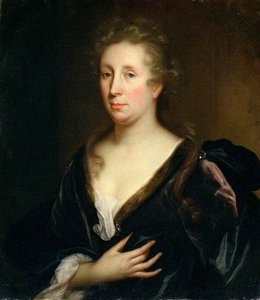
Rachel Ruysch
1664 - 1750 , Países Bajos
Datos clave
- Artistas Que Influyeron:
- Willem van Aelst
- Otto Marseus
- Fecha De Fallecimiento: 1750
- Fecha De Nacimiento: 3 de junio de 1664
- Influenciado Por: ['Jan van Huysum']
- Lugar De Nacimiento: La Haya, Países Bajos
- Movimiento Artístico: Bodegón floral
- Nacionalidad: Neerlandesa
- Nombre Completo: Rachel Ruysch
- Obras Notables:
- Rosas, campanillas...
- Insectos y lagarto
Artículos relacionados
Abraham Hendricksz van Beyeren: Pioneering Dutch Still Life & the Banquet Tradition
Explore the captivating world of Dutch Golden Age still life with Abraham van Beyeren. Discover his innovative techniques, symbolic banquet scenes & lasting influence on art history. Learn about collecting these masterpieces.
Silent Narratives: Exploring the Enduring Appeal of Still Life Painting Across Centuries
Explore the rich history of still life painting with ArtsDot. Discover Dutch Masters, decode vanitas symbolism & learn about collecting timeless art. Expert insights and museum-quality reproductions.
Jan Jansz Wijnants: A Study in Dutch Golden Age Still Life & Floral Transience
Explore the captivating world of Jan Wijnants and Dutch Golden Age still life painting. Discover symbolism, masterful techniques & lasting influence on floral art history. Learn more!
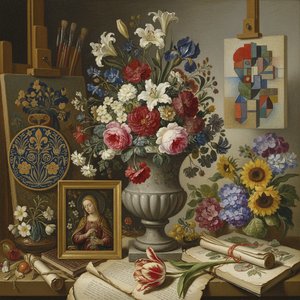
Blossoming Symbolism: A Historical Journey Through Flowers in Western Painting
Explore the rich history of flower symbolism in Western painting! Discover how artists from the Renaissance to Modernism used blossoms to convey meaning, emotion & beauty. Learn about iconic artworks and movements.
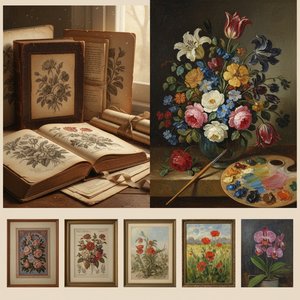
Blossoms of Time: A Historical Journey Through Flower Painting
Explore the captivating history of flower painting! Discover Dutch masters, symbolic meanings, & botanical art. Expert insights & high-quality reproductions at ArtsDot.