 Ver en contexto
 Enviar
 Compartir
 Detalles

 Descargar
 Similares
 Radiografía
 Presentación de diapositivas
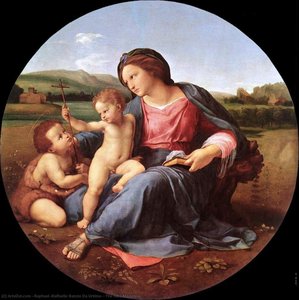
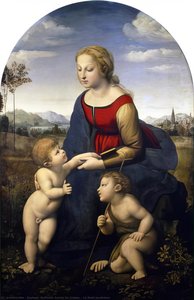
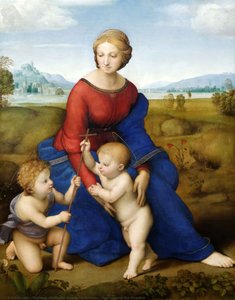
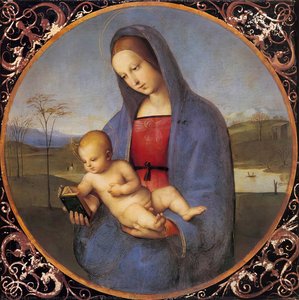
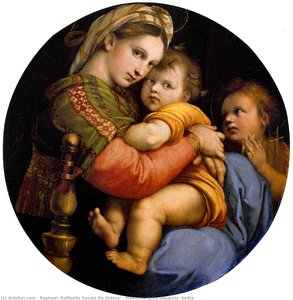
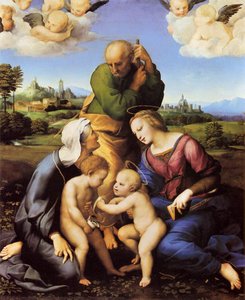
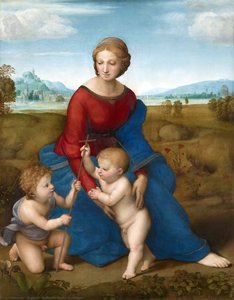
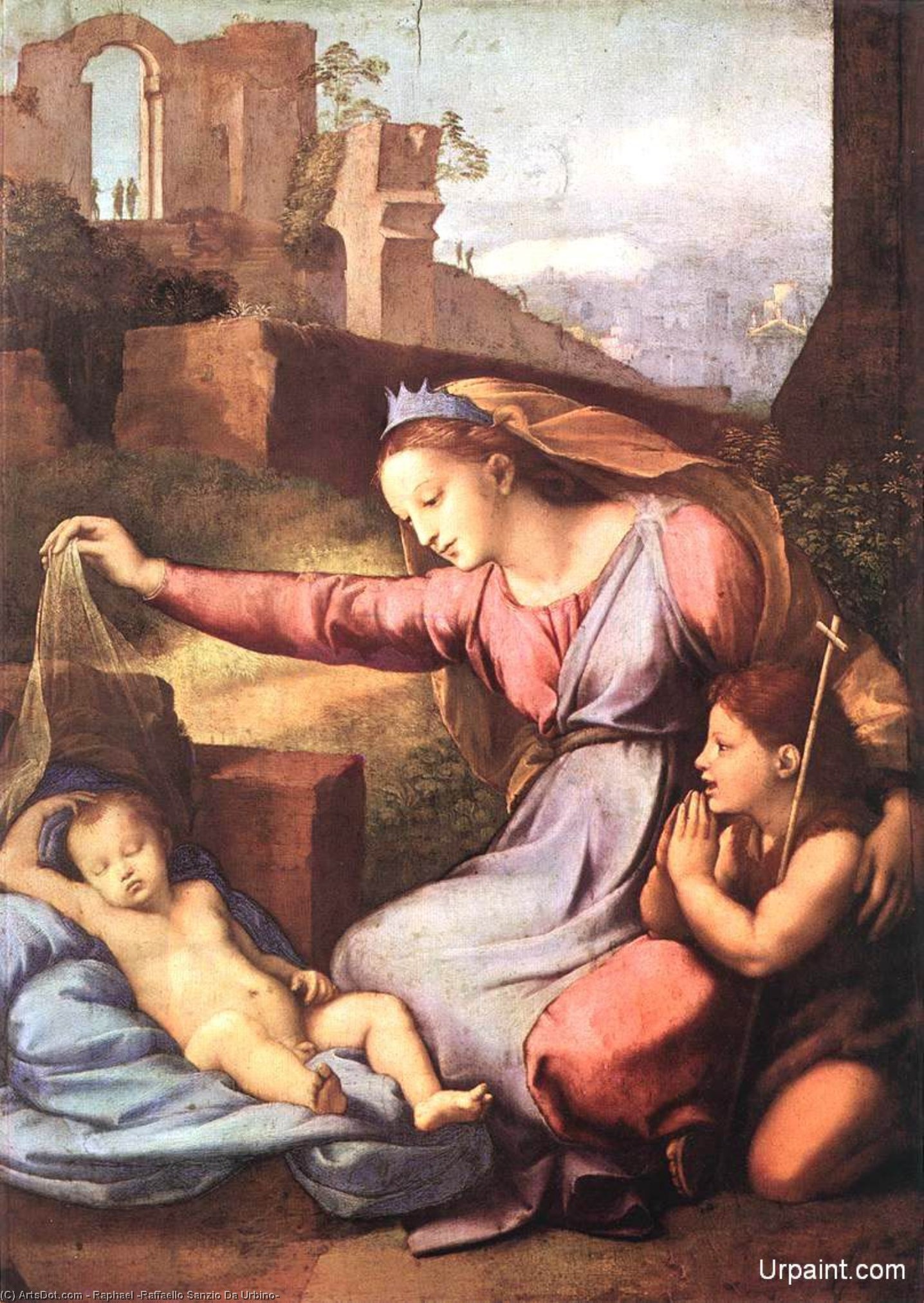
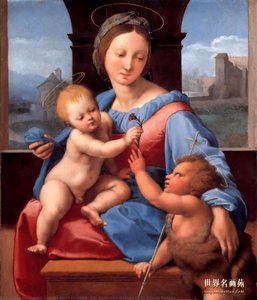
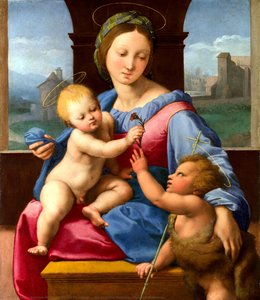
La Madonna con la Diadem Blu o La Madonna della Voce


 Ver más
Giclée / Impresión de arte
Impresiones giclée o en lienzo de calidad de museo con producción rápida y opciones de acabado flexibles. ( Comprar pintura hecha a mano Comprar imagen)




P118B $10

P118H $10

P118W $10

P438Z $10

P508JH $12

P508YH $12

P805H $10

P805Z $10

P919BZ $10

P919G $10

P919XJ $10

P959ZH $10

P968JZ $12

W106C $8

W218G $10

W218JH $8

W218Y $10

W307PJ $10

W316G $10

W316PJ $8

W316Y $10

W398PJ $8

W4111J $10

W500HY $15

W500JH $15

W692G $12

W849H $8

W940BG $15

W953PJ $8




Elija entre nuestros tamaños predefinidos que respetan las proporciones originales de la obra.

Puede introducir sus propias dimensiones para adaptarse a un marco o espacio específico. Si el tamaño seleccionado no coincide con las proporciones de la imagen original, recortaremos la obra de arte o extenderemos la imagen con un borde con efecto espejo o de color sólido. Se enviará una maqueta digital para su aprobación antes de que comience la producción.
Tenga en cuenta que la vista previa en pantalla no refleja el recorte o la extensión real. Solo la maqueta mostrará con precisión la composición final.
Aunque existen tamaños personalizados, recomendamos seleccionar una dimensión de la lista predefinida para preservar las proporciones originales.
Envío a todo el mundo () en 2 semanas en lugar de las 4/5 semanas estándar. (28 agosto)

Envío exprés gratuito a todo el mundo

Lienzo de lino de alta calidad

Seguro de envío total

Garantía de reembolso de impuestos aduaneros

Garantía de fidelidad cromática exacta

Política de devolución de 60 días (solo por defectos)

Garantía de devolución del 100% del dinero

Descuento por cantidad
 La opción de vidrio solo está disponible en tamaños inferiores a 110 cm.

La Madonna con la Diadem Blu o La Madonna della Voce
Giclée / Impresión de arte
Dimensiones de la reproducción
-


Precio total final
$ 62
The Madonna of Loreto: A Renaissance Reverie
Raphael’s “Madonna of Loreto,” completed around 1510-1512 in Rome, stands as an enduring testament to the zenith of High Renaissance artistic achievement. More than just a beautiful depiction of Mary cradling her son Jesus, it embodies the humanist ideals that defined the era—harmony, proportion, and profound contemplation—captured with breathtaking precision by Raphael’s masterful hand.
The painting resides within the Galleria Borghese in Rome, offering visitors an unparalleled opportunity to experience firsthand the artistry of one of history's greatest painters. Its serene composition draws inspiration from Leonardo da Vinci’s sfumato technique, subtly blurring outlines and softening colors to create an ethereal atmosphere that envelops the figures.
Artistic Style and Influences
Raphael’s genius lay not merely in his technical prowess but also in his ability to synthesize influences from diverse artistic traditions. “Madonna of Loreto” echoes the grandeur of Michelangelo’s Sistine Chapel ceiling, demonstrating Raphael's understanding of monumental art and its capacity to convey spiritual significance. The artist skillfully employs a pyramidal structure—a compositional device favored by Renaissance masters—stabilizing the scene while directing the viewer’s gaze towards Mary’s serene countenance.
The meticulous rendering of Mary’s drapery—flowing robes adorned with delicate folds and subtle shading—exemplifies Raphael's dedication to anatomical accuracy combined with expressive artistry. Notice how light dances across the fabric, illuminating its textures and enhancing its visual appeal. This attention to detail reflects the Renaissance preoccupation with realism and its desire to represent the human form in an idealized manner.
Symbolism and Narrative
“Madonna of Loreto” is laden with symbolic meaning—a deliberate invocation of biblical narratives and theological concepts. The Virgin Mary holds her son Jesus aloft, symbolizing divine grace and protection. Her gaze directs towards heaven, conveying a sense of spiritual aspiration and contemplation.
The painting’s muted palette—dominated by soft blues, greens, and golds—creates an atmosphere of tranquility and reverence. Raphael skillfully employs chiaroscuro—the dramatic interplay between light and shadow—enhancing the depth and dimensionality of the scene while emphasizing Mary’s maternal tenderness. The inclusion of Saint John the Baptist kneeling at Mary's feet underscores the importance of faith and righteousness within Christian theology.
Notable Works and Legacy
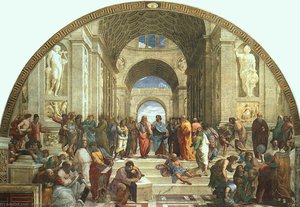
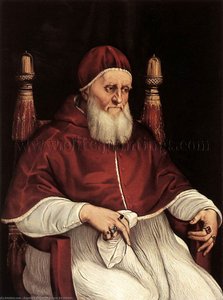
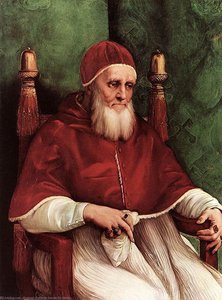
Raphael’s prolific output cemented his place as a cornerstone of Renaissance art—a figure whose influence continues to resonate across centuries. Alongside “Madonna of Loreto,” he produced masterpieces such as “The School of Athens” and “Portrait of Pope Julius II,” demonstrating his versatility and unwavering commitment to artistic excellence.
Reproductions of this iconic work offer a captivating glimpse into the aesthetic sensibilities of the Renaissance—allowing admirers to appreciate Raphael’s unparalleled skill in capturing beauty, harmony, and spiritual contemplation. Explore our curated collection today and immerse yourself in the timeless allure of High Renaissance art.
Obras relacionadas
Biografía del artista
**vida temprana y formación**
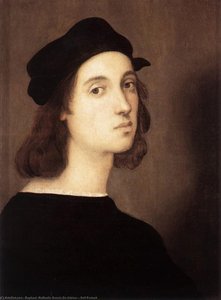
Rafael (rafaello sanzio da urbino), un renombrado pintor y arquitecto italiano, nació entre el 28 de marzo y el 6 de abril de 1483, en la pequeña pero culturalmente significativa ciudad de Urbino. Su padre, Giovanni Santi, era pintor de corte para el duque, proporcionando a Rafael una exposición temprana al mundo artístico. Después de fallecer su padre a los once años, Rafael probablemente administró el taller familiar, consolidando aún más su base artística.**carrera artística e influencias**
El viaje artístico de Rafael puede categorizarse en tres fases distintas, cada una marcada por un estilo único:- primeros años en Umbría: caracterizado por la influencia de su padre y el ambiente cultural de Urbino.
- período florentino (1504-1508): absorbiendo las tradiciones artísticas de Florencia, que influyeron significativamente en su estilo.
- período romano (1508-1520): trabajando para dos papas y sus asociados, produciendo algunas de sus obras más celebradas, incluyendo la escuela de Atenas en la stanza della segnatura del Vaticano.
**obras notables y legado**
Algunas de las obras notables de Rafael incluyen:- el juicio de Salomón (ver en ArtsDot)
- la madona de Esterházy (ver en ArtsDot)
- Stanze Vaticane - vista de la stanza della segnatura (ver en ArtsDot)
- San Sebastián (ver en ArtsDot)
- La dama velada (ver en ArtsDot)
**influencia y legado**
La influencia de Rafael en el arte es profunda, con su obra siendo un pilar del Renacimiento italiano. Su estilo sereno y armonioso ha sido un modelo para la pintura neoclásica, como señaló el historiador de arte Johann Joachim Winckelmann. A pesar de la influencia posterior del estilo de Miguel Ángel, Rafael sigue siendo uno de los artistas más reverenciados en la historia. ver el perfil de Rafael en ArtsDot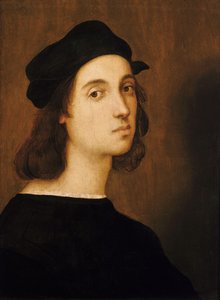
Rafael
1483 - 1520 , Italia
Datos clave
- Artistas Influyentes:
- Giovanni Santi
- Pietro Perugino
- Estilo Artístico: Alto Renacimiento
- Fecha De Muerte: 06/04/1520
- Fecha De Nacimiento: 28/03/1483
- Influencia En Artistas: Neoclasicismo
- Lugar De Nacimiento: Urbino, Italia
- Nacionalidad: Italiano
- Nombre Completo: Rafael (Raffaello Sanzio)
- Obras Notables:
- El Juicio de Salomón
- Madonna del Cardellino
- La Escuela de Atenas
- San Sebastián
- La Dama Velada
Artículos relacionados
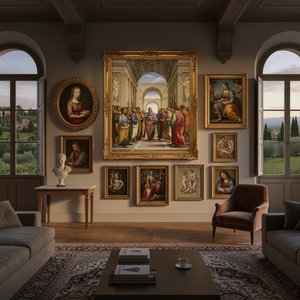
Rafael: Las 25 Obras Maestras que Definen al Genio del Renacimiento | ArtsDot
Descubre las 25 obras maestras de Rafael Sanzio, el genio del Renacimiento. Explora su historia, técnica y significado en pinturas icónicas como 'La Escuela de Atenas'. Reproducciones de arte de alta calidad para decorar tu hogar con elegancia. ¡Explora la colección completa en ArtsDot.com!

Las 10 Obras Maestras del Azul Pizarra: Arte, Historia y Decoración
Descubre las 10 pinturas más famosas dominadas por el azul pizarra. Explora la historia, técnica y belleza de Monet, Van Gogh y otros maestros. Encuentra reproducciones de arte exclusivas para decorar tu hogar en .
El Enduring Legado de la Tabla: Una Revisión Histórica de la Técnica, el Soporte y el Impacto Estético del Óleo sobre Madera
Descubre la fascinante historia de la pintura sobre tabla y óleo sobre madera. Explora técnicas ancestrales, artistas clave del Renacimiento y consejos para conservar estas obras maestras. ¡Un viaje por el legado artístico!
Las 10 Obras Maestras al Óleo sobre Panel que Transformaron la Historia del Arte |
Descubre las 10 obras maestras al óleo sobre panel que revolucionaron la historia del arte. Explora a Jan van Eyck, Botticelli y otros genios renacentistas. Reproducciones de arte exclusivas en para transformar tu hogar.
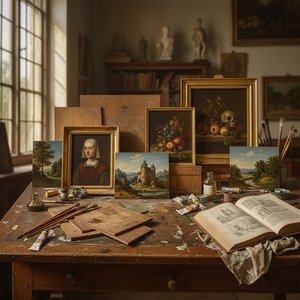
Oil on Panel: A Historical Survey of Technique, Support & Aesthetic Evolution
Explore the rich history of oil on panel painting! Discover Renaissance techniques, support structures & aesthetic evolution. Expert insights for art collectors and enthusiasts.