

 Ver en contexto
 Enviar
 Compartir
 Detalles

 Descargar
 Similares
 Radiografía
 Presentación de diapositivas
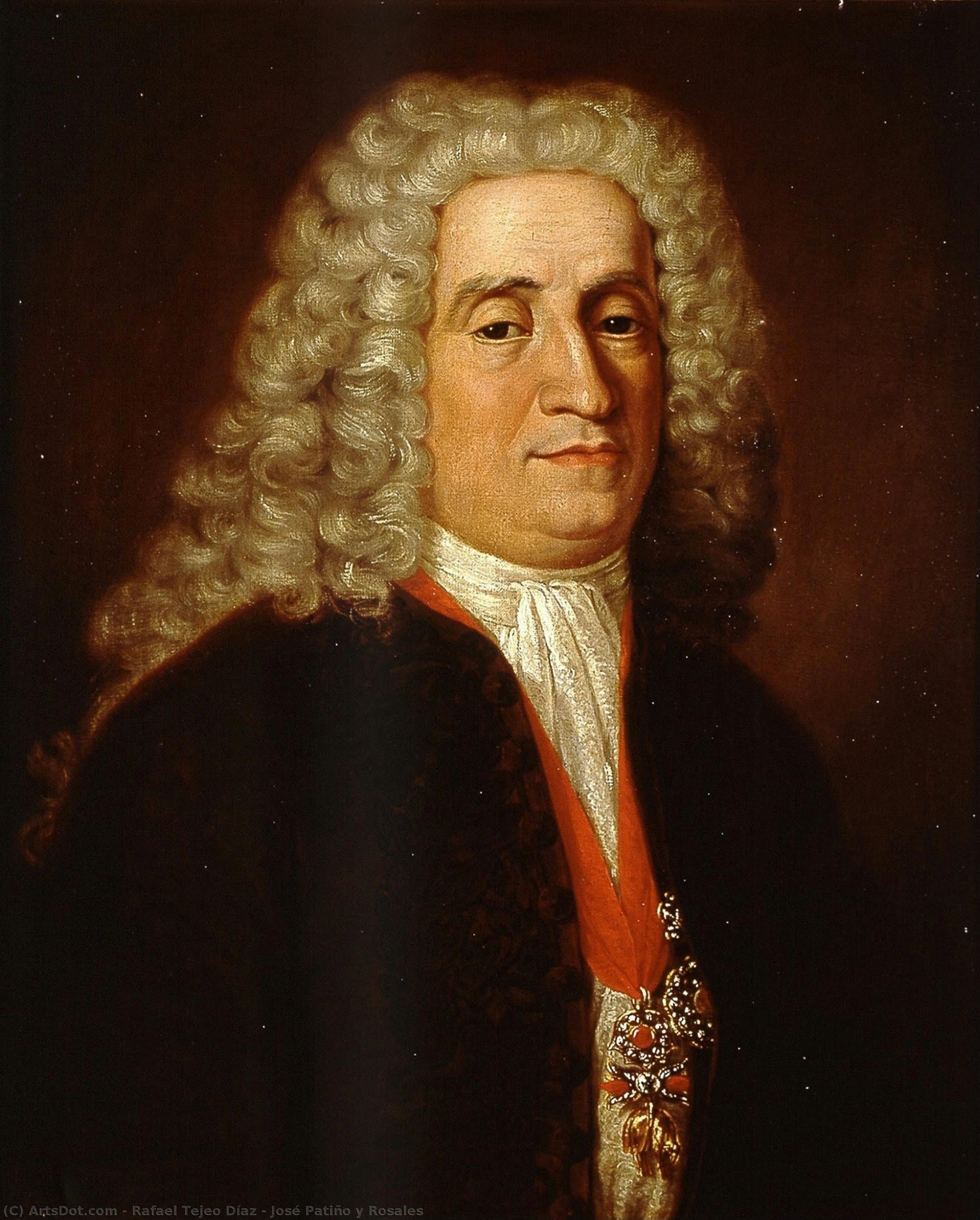
José Patiño y Rosales

 Ver más
Reproducción al óleo hecha a mano
Óleo sobre lienzo pintado a mano en el tamaño y marco de su elección, realizado por encargo por nuestros artistas. ( Comprar impresión Comprar imagen)




































Elija entre nuestros tamaños predefinidos que respetan las proporciones originales de la obra.

Puede ingresar sus propias dimensiones para adaptarse a un marco o espacio específico. Si el tamaño seleccionado no coincide con las proporciones de la imagen original, recortaremos la obra o extenderemos la pintura con elementos adicionales pintados a mano. Se le enviará una maqueta digital para su aprobación antes de comenzar la producción.
Tenga en cuenta que la vista previa en pantalla no refleja el recorte o la extensión reales. Solo la maqueta mostrará con precisión la composición final.
Si bien existen tamaños personalizados, recomendamos seleccionar una dimensión de la lista predefinida para preservar las proporciones originales.
Tras realizar el pedido, el equipo de ArtsDot.com enviará un correo electrónico al cliente para solicitar instrucciones y proporcionarle una vista previa del boceto.
Envío a todo el mundo () en 3-4 semanas en lugar de las 5 semanas estándar. (26 agosto). Sin comprometer la calidad.

Envío exprés gratuito a todo el mundo

Lienzo de lino de alta calidad

Seguro de envío total

Garantía de reembolso de impuestos aduaneros

Garantía de fidelidad cromática exacta

Política de devolución de 60 días (solo por defectos)

Garantía de devolución del 100% del dinero

Descuento por cantidad
 La opción de vidrio solo está disponible en tamaños inferiores a 110 cm.

José Patiño y Rosales
Técnica de reproducción
Dimensiones de la reproducción
-


Precio total final
$ 263
Descripción de la obra
Obras relacionadas








Biografía del artista
Rafael Tejeo Díaz (1798 – 1856): The Elegance of Neoclassicism
Rafael Tejeo Díaz emerged from the artistic landscape of Spain in the late Romantic era, a period marked by dramatic shifts in aesthetic sensibilities. Born in Caravaca de la Cruz, Murcia, in 1798, he was destined for a life dedicated to capturing beauty and grandeur through the lens of neoclassical painting—a style that championed reason, order, and idealized forms inspired by ancient Greece and Rome.Early Life & Education: Tejeo’s formative years were shaped by his family's artisan heritage. Recognizing his innate talent for drawing early on, he enrolled at the Real Sociedad de Amigos del País in Murcia, where a pivotal encounter with sculptor Santiago Baglietto ignited his passion for classical sculpture. This initial exposure to Greek art would prove foundational to his artistic vision. He honed his skills under Baglietto’s guidance, absorbing the principles of sculptural form and proportion—elements that would subsequently inform his own painting endeavors.
Academic Training & Influences: The Marqués de San Mamés’s generosity enabled Tejeo to pursue higher education at the Real Academia de Bellas Artes de San Fernando in Madrid, under the tutelage of José Aparicio and Fernando Brambila. These instructors instilled in him a disciplined approach to painting and exposed him to the stylistic innovations of his time—particularly the influence of Vincenzo Camuccini and Pietro Bienvenuti during his Roman studies. This rigorous training fostered a deep understanding of artistic technique and cemented Tejeo’s commitment to mastering classical conventions.
Roman Period & Artistic Style: Tejeo’s five-year sojourn in Rome profoundly impacted his artistic development. He absorbed the grandeur of Raphael and Guido Reni, mastering techniques that prioritized clarity, precision, and harmonious composition. His monumental murals at the Palacio Real, Casino de la Reina and Palacio de Vista Alegre showcased this mastery—demonstrating a commitment to classical ideals. During his time abroad, Tejeo meticulously studied the frescoes of Renaissance masters, diligently replicating their compositional strategies and color palettes—a deliberate effort to emulate the stylistic excellence of Rome’s artistic elite.
Portraiture & Royal Patronage: Tejeo’s fame solidified through his prolific portraiture commissions, securing him appointments as court painter for Queen Isabel II. He skillfully rendered the nobility and burgeoning bourgeoisie alike, capturing their likenesses with remarkable sensitivity and detail—a testament to his ability to convey character and emotion. His portraits of prominent figures—including Francis Duke of Cádiz—became treasured possessions within Spanish aristocratic circles.
Legacy & Notable Works: Among Tejeo’s enduring achievements are his posthumous portraits of admirals at the Museo Naval de Madrid—powerful depictions that cemented his reputation as a chronicler of Spain's maritime history. His oeuvre includes iconic canvases like “Hercules and Antaeus” and “The Healing of Tobias,” reflecting both classical mythology and religious devotion. Rafael Tejeo Díaz remains an exemplar of neoclassical elegance, whose paintings continue to captivate audiences with their timeless beauty.
For more information about Rafael Tejeo Díaz’s life and work, consult the Real Sociedad de Amigos del País or explore his page on Real Academia de Bellas Artes de San Fernando.
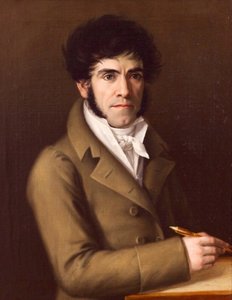
Rafael Tejeo Díaz
1798 - 1856 , España
Datos clave
- Artistic Movement Or Style: Neoclasicismo
- Artists Or Movements Influenced By This Artist: ['Romanticismo']
- Artists Who Influenced This Artist:
- Santiago Baglietto
- José Aparicio
- Fernando Brambila
- Date Of Birth: 27 noviembre 1798
- Date Of Death: 3 octubre 1856
- Full Name: Rafael Tejeo Díaz
- Nationality: Español
- Notable Artworks:
- Hércules y Antaeus
- Retratos del Duque de Cádiz
- Place Of Birth: Caravaca de la Cruz, España

