 Ver en contexto
 Enviar
 Compartir
 Detalles

 Descargar
 Similares
 Radiografía
 Presentación de diapositivas
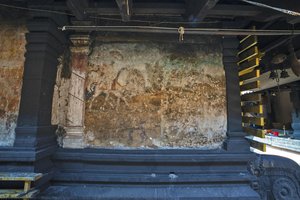
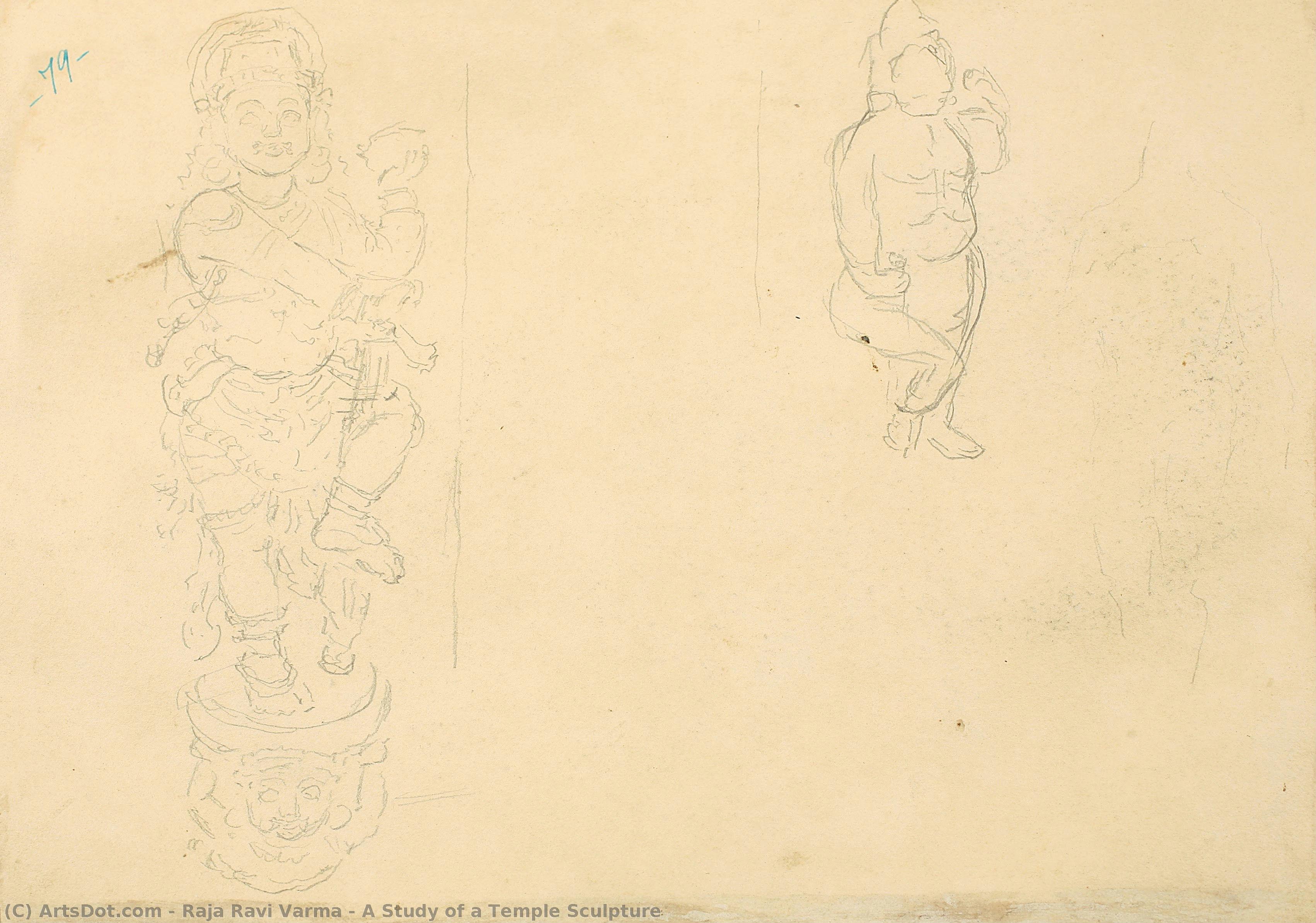
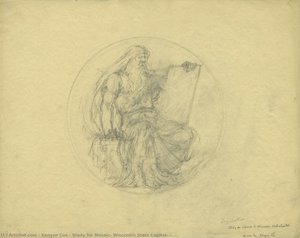
A Study of a Temple Sculpture


 Ver más
Giclée / Impresión de arte
Impresiones giclée o en lienzo de calidad de museo con producción rápida y opciones de acabado flexibles. ( Comprar pintura hecha a mano Comprar imagen)




P118B $10

P118H $10

P118W $10

P438Z $10

P508JH $12

P508YH $12

P805H $10

P805Z $10

P919BZ $10

P919G $10

P919XJ $10

P959ZH $10

P968JZ $12

W106C $8

W218G $10

W218JH $8

W218Y $10

W307PJ $10

W316G $10

W316PJ $8

W316Y $10

W398PJ $8

W4111J $10

W500HY $15

W500JH $15

W692G $12

W849H $8

W940BG $15

W953PJ $8




Elija entre nuestros tamaños predefinidos que respetan las proporciones originales de la obra.

Puede introducir sus propias dimensiones para adaptarse a un marco o espacio específico. Si el tamaño seleccionado no coincide con las proporciones de la imagen original, recortaremos la obra de arte o extenderemos la imagen con un borde con efecto espejo o de color sólido. Se enviará una maqueta digital para su aprobación antes de que comience la producción.
Tenga en cuenta que la vista previa en pantalla no refleja el recorte o la extensión real. Solo la maqueta mostrará con precisión la composición final.
Aunque existen tamaños personalizados, recomendamos seleccionar una dimensión de la lista predefinida para preservar las proporciones originales.
Envío a todo el mundo () en 2 semanas en lugar de las 4/5 semanas estándar. (27 agosto)

Envío exprés gratuito a todo el mundo

Lienzo de lino de alta calidad

Seguro de envío total

Garantía de reembolso de impuestos aduaneros

Garantía de fidelidad cromática exacta

Política de devolución de 60 días (solo por defectos)

Garantía de devolución del 100% del dinero

Descuento por cantidad
 La opción de vidrio solo está disponible en tamaños inferiores a 110 cm.

A Study of a Temple Sculpture
Giclée / Impresión de arte
Dimensiones de la reproducción
-


Precio total final
$ 62
Descripción de la pieza
A Glimpse into Artistic Study: Echoes of Form and Figure
This captivating study presents an intimate look behind the curtain of artistic creation, offering viewers not just finished masterpieces, but the very process of observation itself. The composition, rendered in delicate pencil on paper, immediately draws the eye to its dual subjects: a tender depiction of a person cradling an infant, juxtaposed with another figure exhibiting a pronounced, rounded belly. These sketches are masterfully presented alongside what appears to be a background study—a suggestion of classical sculpture—all gathered as if within the hushed reverence of a museum gallery. The monochrome nature of the pencil work lends an air of timeless contemplation, inviting us to consider the foundational moments of artistic thought.
The Dialogue Between Life and Form
What strikes the seasoned eye is the palpable dialogue occurring between these disparate subjects. The drawing of maternity and nurturing life contrasts beautifully with the study of corporeal form represented by the man’s belly, while the background statue anchors the collection in a tradition of monumental art. These are not merely sketches; they are meditations on human existence—on lineage, physical presence, and the enduring idealization of the body across different epochs. The artist seems to be exploring the universal language of the figure, examining how emotion, biology, and idealized sculpture intersect within the confines of graphite.
Technical Brilliance in Graphite
The technique employed is pure pencil drawing, a medium celebrated for its immediacy and profound subtlety. The varying gradations of black and white allow the artist to build depth and texture with remarkable control. One can almost feel the whisper of the charcoal on the paper. This mastery over tone suggests an academic rigor, yet the subject matter—the tenderness of the parent-child bond—injects a deep vein of human warmth into what is fundamentally a study in line and shadow. It speaks to an artist who respects both the discipline of classical draftsmanship and the ephemeral beauty of lived experience.
Historical Resonance and Emotional Depth
While the specific provenance remains unknown, the grouping evokes the grand tradition of art academies where masters would gather to dissect anatomy and emotion. For the collector or designer, this piece offers a unique narrative anchor for any space. It suggests an appreciation not just for beauty, but for the intellectual journey toward understanding it. The emotional impact is one of quiet contemplation; it asks us to pause, to observe the subtle curve, the gentle hold, and reflect on the enduring human condition that these studies so eloquently capture.
Obras relacionadas
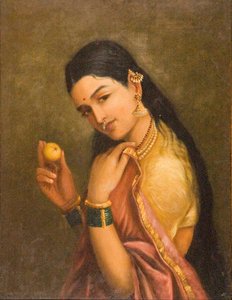
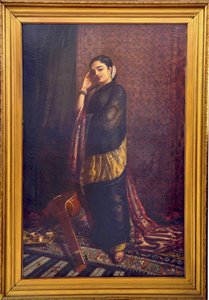
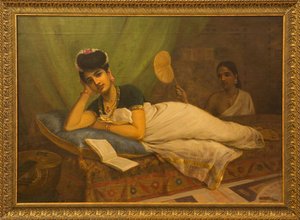
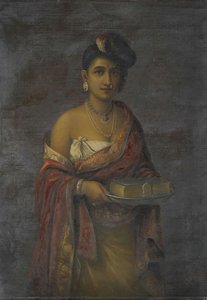
Biografía del artista
The Princely Brush: Raja Ravi Varma and the Dawn of Modern Indian Painting
Raja Ravi Varma, a name that resonates with artistic innovation in India, emerged from the royal lineage of Kilimanoor Palace in Kerala during the mid-19th century. Born on April 29, 1848, his life was steeped in both aristocratic tradition and an innate creative spirit. He wasn’t merely a painter; he was a cultural bridge, skillfully blending European academic techniques with the rich tapestry of Indian mythology and aesthetics. His family's long-standing connection to the Travancore royal house – indeed, two of his daughters were later adopted into that very family – provided both privilege and a deep understanding of Indian courtly life, which would profoundly influence his artistic vision. From an early age, Ravi Varma displayed a remarkable aptitude for art, nurtured by his uncle Raja Raja Varma, who initiated him into the world of drawing and painting, primarily within the Tanjore School tradition. However, young Ravi’s ambition extended beyond imitation; he sought to master techniques that would allow him to capture not just likeness but also emotion and narrative depth.Early Life & Background
Raja Ravi Varma was born into a noble family residing in Kilimanoor Palace, Travancore (present-day Kerala). His father, Ezhumavil Neelakanthan Bhattatiripad, was a respected scholar of Sanskrit and Ayurveda, hailing from the Ernakulam district. Uma Ambabayi Thampuratty, his mother, belonged to the baronial family that governed Kilimanoor Estate within the Travancore kingdom. She possessed considerable literary talent and penned *Parvati Swayamvaram*, which was published posthumously. Ravi Varma’s upbringing fostered a unique blend of artistic sensibilities—influenced by both European academic art and classical Indian traditions. Recognizing his exceptional talent, his uncle Raja Raja Varma, who served as Maharaja of Travancore, championed his artistic pursuits, enrolling him in formal training with Rama Swamy Naidu, a prominent painter from Tanjore. This mentorship instilled in Ravi Varma the foundational skills necessary for mastering watercolor and later, oil painting under Theodor Jenson, a Dutch artist stationed in India. At the tender age of 14, he began his artistic journey by sketching on the palace walls with charcoal—a practice that would foreshadow his lifelong dedication to visual art.A Fusion of Worlds: Technique and Inspiration
Raja Ravi Varma’s artistic trajectory took an unprecedented turn when he encountered the works of European masters during his travels abroad. He was captivated by the realism and meticulous precision characteristic of academic painting, diligently studying its principles—perspective, anatomy, light, and shadow—to elevate his own artistic endeavors. Unlike many contemporaries who merely replicated Western styles, Ravi Varma skillfully adapted these techniques to imbue Indian subjects with profound emotional resonance. His canvases became vibrant stages for scenes from the Ramayana, Mahabharata, and Puranas, populated by gods and goddesses rendered with remarkable naturalism. This transformative approach distinguished him from his peers and established a precedent for blending Eastern and Western artistic traditions. He didn’t merely depict religious narratives; he infused them with human emotion and psychological complexity—a hallmark of his distinctive style. Consider *Shakuntala*, where Ravi Varma portrays Shakuntalá’s longing gaze and delicate posture, conveying an unparalleled depth of feeling previously absent in Indian art.Lithographs and Public Appeal
Recognizing that original paintings were inaccessible to the majority of Indians, Raja Ravi Varma embarked on a visionary endeavor: establishing the Raja Ravi Varma Fine Arts Lithographic Press in 1894. This pioneering initiative revolutionized artistic dissemination by facilitating the mass production of affordable lithographs based on his masterpieces. Suddenly, images of Hindu deities and mythological narratives transcended social strata and geographical boundaries, adorning homes across India—a testament to Ravi Varma’s commitment to democratizing art. The lithographs weren’t mere reproductions; they were carefully crafted interpretations that captured the essence of Varma’s originals—further enhancing their visual impact and broadening their reach. This transformative step solidified his legacy as a champion of artistic accessibility and profoundly shaped public perceptions of Hindu iconography.Legacy and Enduring Influence
Raja Ravi Varma passed away in 1906, leaving behind an indelible mark on Indian art history. His groundbreaking fusion of European academic methods with Indian mythological themes irrevocably altered the course of artistic expression—establishing him as a pivotal figure who ushered in the era of modern Indian painting. His influence continues to resonate today, evident in the works of subsequent generations of artists who sought to forge a distinctly national artistic identity. Museums like The Raja Ravi Varma Heritage Foundation and The Ganesh Shivaswamy Foundation diligently preserve and celebrate his art—ensuring that his visionary spirit persists for posterity. His paintings remain powerful embodiments of beauty, spirituality, and cultural richness—masterpieces that encapsulate the transformative legacy of Raja Ravi Varma.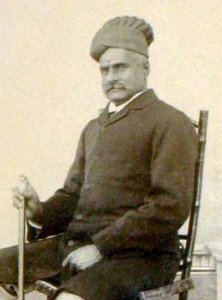
Raja Ravi Varma
1848 - 1906 , India
Datos clave
- Artistic Movement Or Style: Académico y fusión india
- Artists Or Movements Influenced By This Artist: ['Arte moderno indio']
- Artists Who Influenced This Artist: ['Maestro europeo']
- Date Of Birth: 29 abril 1848
- Date Of Death: 2 octubre 1906
- Full Name: Raja Ravi Varma
- Nationality: Indio
- Notable Artworks:
- Hansa Damayanthi
- Maharani de Travancore
- Retrato de un caballero
- Place Of Birth: Kilimanjaro, India
Artículos relacionados
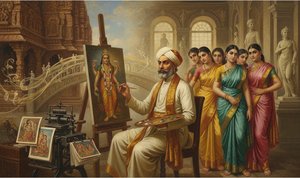
Raja Ravi Varma: Bridging Tradition & Modernity in 19th-Century Indian Art
Explore the life & art of Raja Ravi Varma, a pioneer who fused European techniques with Indian iconography. Discover his iconic paintings, lasting legacy, and influence on modern Indian art at ArtsDot.

Esculturas de Bronce Legendarias: 10 Obras Maestras que Transformaron el Arte | ArtsDot
Descubre las 10 esculturas de bronce más legendarias que revolucionaron el arte. Explora la historia de Rodin, Degas y otros maestros del bronce. Encuentra reproducciones de alta calidad e inspiración para tu hogar en ArtsDot.com.
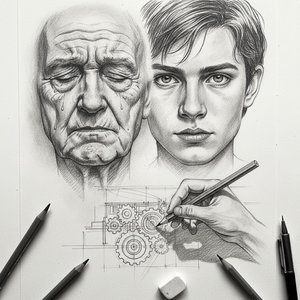
The Nuances of Graphite: Exploring Emotional Depth & Technical Mastery in Pencil Drawing
Explore the captivating world of graphite drawing! Discover its rich history, master essential techniques like chiaroscuro, and learn how artists evoke emotion through this timeless medium. Expert insights for art enthusiasts.

The Enduring Form: Exploring Themes & Techniques in Sculpture Across Historical Periods
Explore the rich history of sculpture from ancient masterpieces to contemporary innovations. Discover key techniques, influential artists & investment potential for discerning art collectors.

Las 10 Obras Maestras de Bronce que Revolucionaron la Historia del Arte | ArtsDot
Descubre las 10 esculturas de bronce más influyentes de la historia del arte. Explora obras maestras de Rodin, Degas y otros genios. Encuentra reproducciones de arte de calidad museo en ArtsDot.com.