 Ver en contexto
 Enviar
 Compartir
 Detalles

 Descargar
 Similares
 Radiografía
 Presentación de diapositivas
Flowers (3)


 Ver más
Reproducción al óleo hecha a mano
Óleo sobre lienzo pintado a mano en el tamaño y marco de su elección, realizado por encargo por nuestros artistas. ( Comprar impresión Comprar imagen)




P118B $10

P118H $10

P118W $10

P438Z $10

P508JH $12

P508YH $12

P805H $10

P805Z $10

P919BZ $10

P919G $10

P919XJ $10

P959ZH $10

P968JZ $12

W106C $8

W218G $10

W218JH $8

W218Y $10

W307PJ $10

W316G $10

W316PJ $8

W316Y $10

W398PJ $8

W4111J $10

W500HY $15

W500JH $15

W692G $12

W849H $8

W940BG $15

W953PJ $8




Elija entre nuestros tamaños predefinidos que respetan las proporciones originales de la obra.

Puede ingresar sus propias dimensiones para adaptarse a un marco o espacio específico. Si el tamaño seleccionado no coincide con las proporciones de la imagen original, recortaremos la obra o extenderemos la pintura con elementos adicionales pintados a mano. Se le enviará una maqueta digital para su aprobación antes de comenzar la producción.
Tenga en cuenta que la vista previa en pantalla no refleja el recorte o la extensión reales. Solo la maqueta mostrará con precisión la composición final.
Si bien existen tamaños personalizados, recomendamos seleccionar una dimensión de la lista predefinida para preservar las proporciones originales.
Tras realizar el pedido, el equipo de ArtsDot.com enviará un correo electrónico al cliente para solicitar instrucciones y proporcionarle una vista previa del boceto.
Envío a todo el mundo () en 3-4 semanas en lugar de las 5 semanas estándar. (28 agosto). Sin comprometer la calidad.

Envío exprés gratuito a todo el mundo

Lienzo de lino de alta calidad

Seguro de envío total

Garantía de reembolso de impuestos aduaneros

Garantía de fidelidad cromática exacta

Política de devolución de 60 días (solo por defectos)

Garantía de devolución del 100% del dinero

Descuento por cantidad
 La opción de vidrio solo está disponible en tamaños inferiores a 110 cm.

Flowers (3)
Técnica de reproducción
Dimensiones de la reproducción
-


Precio total final
$ 263
A Window into Serenity: The Luminous World of Raoul Dufy
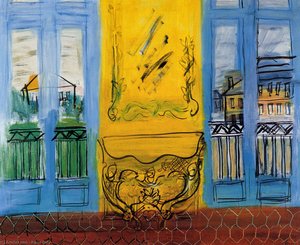
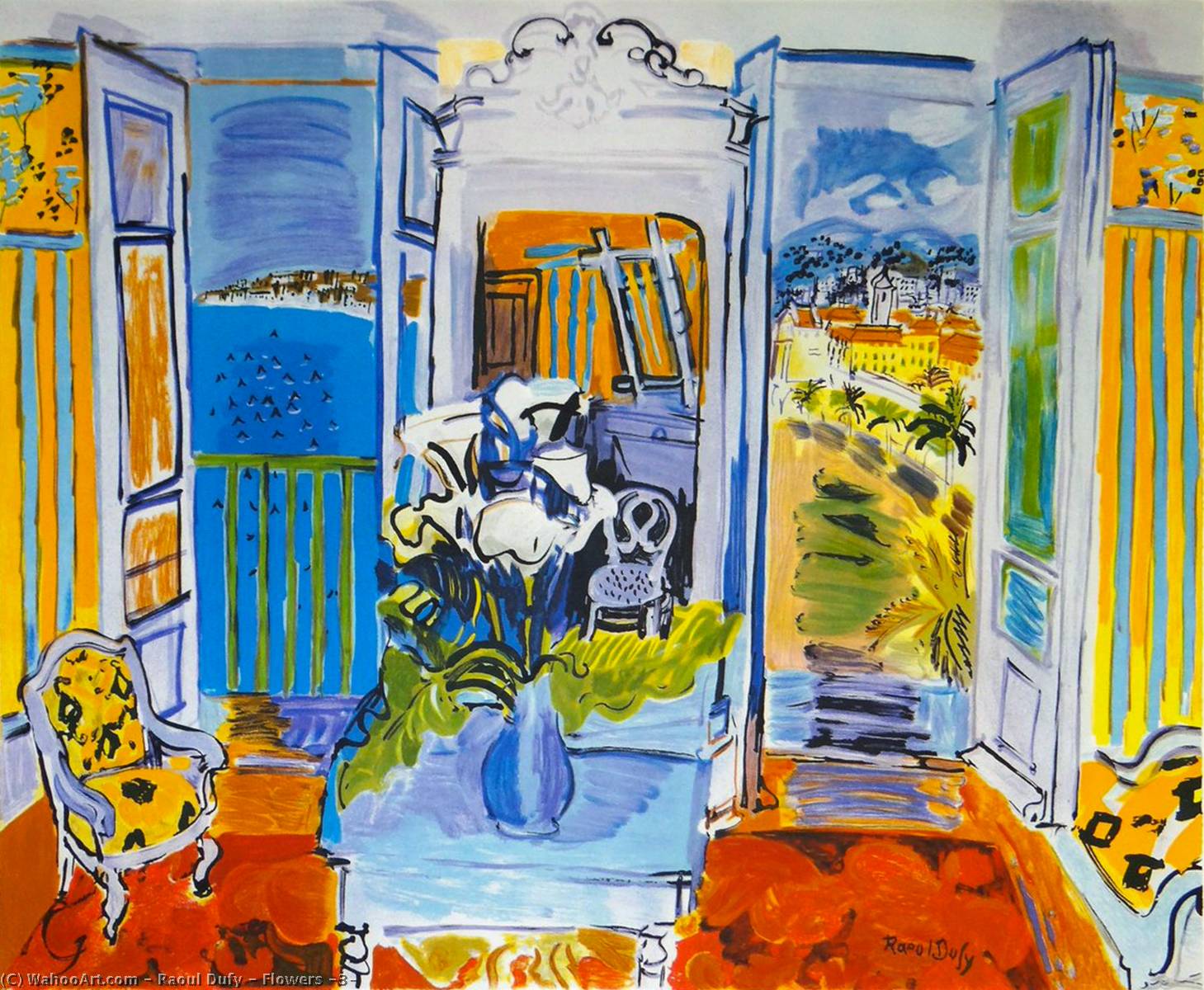
In the delicate dance of light and color that defines Raoul Dufy’s mastery, Flowers (3) emerges as a breathtaking testament to the beauty found within the quiet corners of domestic life. This exquisite watercolor invites the viewer to step through a vibrant blue doorway, a threshold that separates the external world from an intimate, sun-drenched sanctuary. The composition is a masterclass in balance and atmosphere; the cool, striking azure of the door frame provides a rhythmic contrast to the warm, inviting glow of the yellow walls within. As one gazes into this interior, the scene unfolds with a sense of effortless grace, where everyday objects—a solitary chair, a carefully placed vase, and a lush potted plant—are transformed into poetic elements of a larger, harmonious narrative.
The technique employed in Flowers (3) captures the very essence of the watercolor medium. Dufy utilizes the transparency of the pigment to create a sense of weightlessness and luminosity, allowing light to appear as if it is radiating from within the paper itself. There is a certain fragility in the brushwork, a deliberate lightness that mirrors the fleeting nature of a beautiful afternoon. The artist’s ability to blend bold, Fauvist-inspired colors with a delicate, almost ethereal touch creates a visual tension that is both stimulating and soothing. For the collector or interior designer, this piece offers more than just decoration; it provides a focal point of tranquility, capable of breathing life and a sense of joie de vivre into any sophisticated space.
The Art of the Everyday: Style and Emotional Resonance
Raoul Dufy was an artist who sought to capture the joy of existence, and nowhere is this more evident than in his ability to elevate the mundane. Influenced by the Impressionist masters like Monet, yet pushing toward a more decorative and graphic language, Dufy’s style in Flowers (3) celebrates the geometry of life. The placement of the books—one tucked into the upper corner and another resting at the bottom—acts as an anchor for the eye, guiding the viewer through the spatial depth of the room. This careful arrangement of shapes and colors creates a cozy, inviting atmosphere that resonates deeply with the human desire for peace and domestic harmony.
Beyond its aesthetic brilliance, the painting carries a profound emotional weight. It evokes a sense of nostalgia for a slower pace of life, where beauty is found in the simple interplay of shadow and sun. The vibrant blue and warm yellow palette does not merely represent colors; it represents a mood of optimism and clarity. For those seeking to curate an environment of inspiration, a high-quality reproduction of this work serves as a constant reminder of the elegance inherent in simplicity. It is a piece that speaks to the soul, offering a window into a world where every petal, every shadow, and every splash of color tells a story of enduring beauty.
Obras relacionadas
Biografía del artista
Primeros años y formación
Raúl Dufy, pintor francés del fauvismo, nació el 3 de junio de 1877 en Le Havre, Normandía. Abandonó la escuela a los catorce años para trabajar en una empresa importadora de café. En 1895, comenzó a tomar clases nocturnas de arte en la École des Beaux-Arts de Le Havre, donde conoció a Raimond Lécourt y Othon Friesz, con quienes más tarde compartió un estudio en Montmartre.Estilo artístico e influencias
Dufy desarrolló un estilo decorativo y colorido que se hizo popular para diseños de cerámica, textiles y edificios públicos. Estuvo influenciado por los pintores paisajistas impresionistas, como Claude Monet y Camille Pissarro. Su primera exposición tuvo lugar en 1901 en la Exposición de Artistas Franceses.Obras notables y colaboraciones
- El pura sangre (45 x 53 cm, arte naïf / primitivismo, óleo sobre lienzo) es una obra notable de Dufy, que muestra su estilo único.
- En 1904, trabajó con Albert Marquet en Fécamp, en el Canal de la Mancha (la Manche).
- La colaboración de Dufy con Henri Matisse's *Luxe, Calme et Volupté* en 1905 fue una revelación para el joven artista, dirigiendo sus intereses hacia el fauvismo.
Evolución y reconocimiento
Dufy experimentó con diferentes estilos a lo largo de su carrera. Inicialmente influenciado por el impresionismo y posteriormente por el fauvismo, también exploró elementos del cubismo. Su obra se caracterizó por colores vibrantes, composiciones dinámicas y una sensación general de alegría de vivir. En 1952, Dufy recibió el Gran Premio para la Pintura en la 26ª Bienal de Venecia. Sus obras se encuentran en varios museos importantes, incluyendo el Museo Real de la Colección (Reino Unido).Últimos años y legado
La salud de Dufy se deterioró debido a la artritis reumatoide, y falleció el 23 de marzo de 1953 en Forcalquier, Francia. Fue enterrado cerca de Matisse en el cementerio del monasterio de Cimiez en Cimiez, un suburbio de Niza. Su legado perdura como uno de los pintores más importantes del fauvismo, conocido por su estilo único y optimista que celebra la vida y la belleza del mundo que lo rodeaba.- Explore la obra de Dufy y su biografía en ArtsDot
- Descubra más sobre el fauvismo y su influencia en el arte en Wikipedia
- Conozca el Museo Real de la Colección (Reino Unido) y su importancia en la historia del arte en ArtsDot
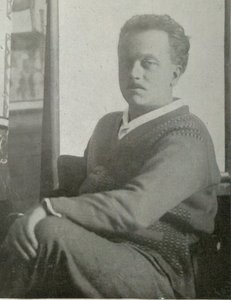
Raúl Dufy
1877 - 1953 , Francia
Datos clave
- Artistas Que Influyeron:
- Claude Monet
- Camille Pissarro
- Henri Matisse
- Estilo Artístico: Fauvismo, Decorativo
- Fecha De Fallecimiento: 23 de marzo de 1953
- Fecha De Nacimiento: 3 de junio de 1877
- Influencia En Artistas: ['Émile Othon Friesz']
- Lugar De Nacimiento: Le Havre, Francia
- Nacionalidad: Francesa
- Nombre Completo: Raoul Dufy
- Obras Notables:
- El Casino
- La consola con el bol rojo
- The Thoroughbred
Artículos relacionados

Acuarelas Legendarias: 10 Obras Maestras que Transformaron el Arte | ArtsDot
Descubre 10 acuarelas legendarias de Turner, Monet y Sargent que revolucionaron el arte. Explora la historia, técnica y belleza de estas obras maestras impresionistas y románticas. Reproducciones de museo en ArtsDot.com.
Las 10 Obras Maestras del Azul Pizarra: Arte, Historia y Decoración
Descubre las 10 pinturas más famosas dominadas por el azul pizarra. Explora la historia, técnica y belleza de Monet, Van Gogh y otros maestros. Encuentra reproducciones de arte exclusivas para decorar tu hogar en .

Ephemeral Visions: Exploring the Artistic Legacy & Contemporary Practice of Watercolor Painting
Explore the captivating world of watercolor painting! Discover its rich history, essential techniques, influential artists & collecting tips. A comprehensive guide for art enthusiasts from ArtsDot.
Visiones Efímeras: Historia y Resonancia Emocional de la Pintura Acuarela
Descubre la fascinante historia de la acuarela, desde sus orígenes hasta su expresión contemporánea. Explora técnicas, artistas clave como Paul Klee y encuentra reproducciones de alta calidad en ArtsDot.
Ephemeral Visions: Exploring the Artistic Legacy & Nuances of Watercolor Painting
Explore the captivating world of watercolor painting! Discover its rich history, essential techniques, influential artists & collecting tips from art experts. A comprehensive guide for enthusiasts.