 Ver en contexto
 Enviar
 Compartir
 Detalles

 Descargar
 Similares
 Radiografía
 Presentación de diapositivas
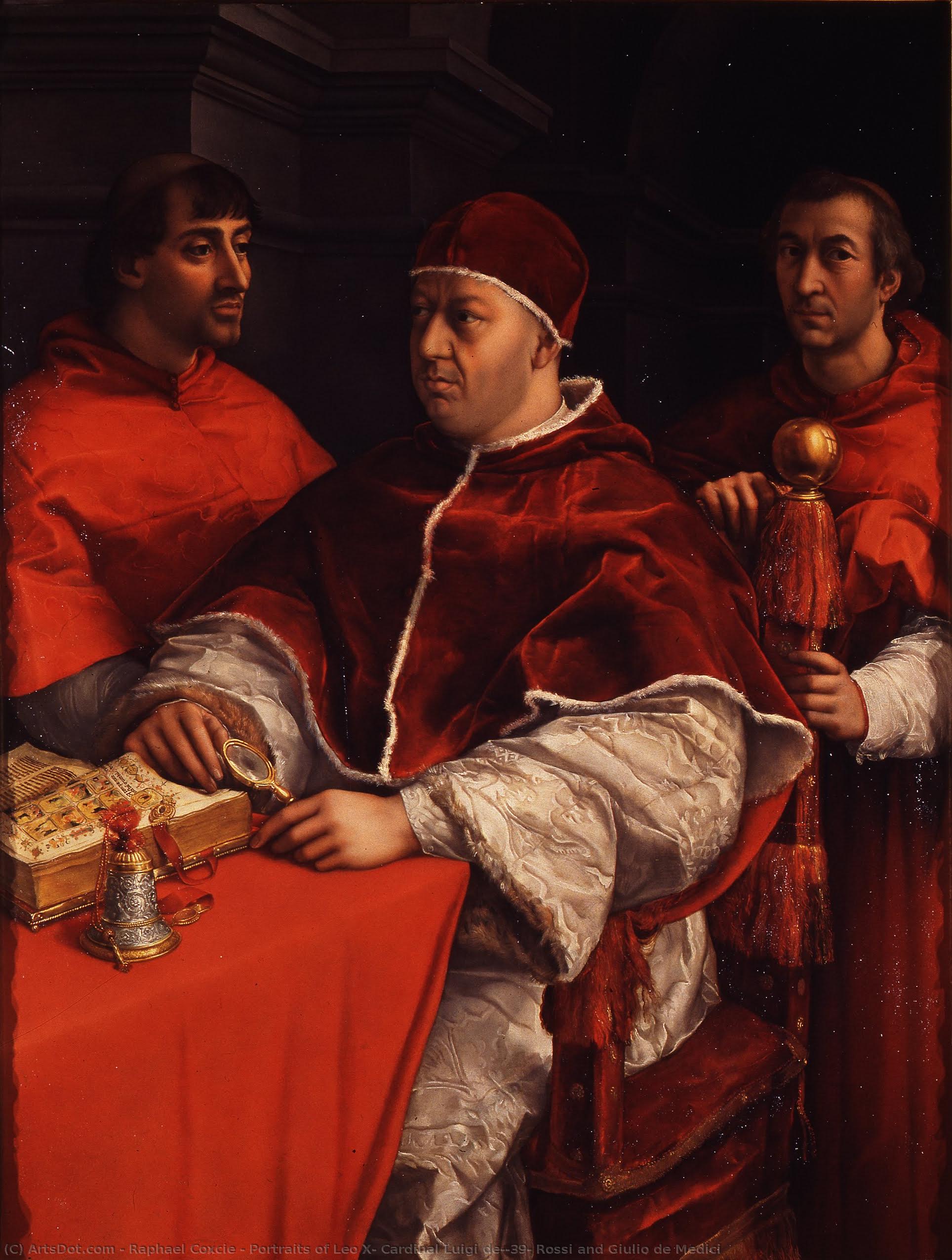
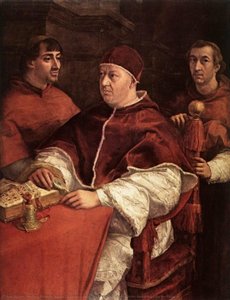
Portraits of Leo X, Cardinal Luigi de' Rossi and Giulio de Medici
 Oil On Canvas
- WallArt
- High Renaissance
 1518
1518 156.0 x 120.0 cm
 Galería de los Uffizi
 Ver más
Reproducción al óleo hecha a mano
Óleo sobre lienzo pintado a mano en el tamaño y marco de su elección, realizado por encargo por nuestros artistas. ( Comprar impresión Comprar imagen)




P118B $10

P118H $10

P118W $10

P438Z $10

P508JH $12

P508YH $12

P805H $10

P805Z $10

P919BZ $10

P919G $10

P919XJ $10

P959ZH $10

P968JZ $12

W106C $8

W218G $10

W218JH $8

W218Y $10

W307PJ $10

W316G $10

W316PJ $8

W316Y $10

W398PJ $8

W4111J $10

W500HY $15

W500JH $15

W692G $12

W849H $8

W940BG $15

W953PJ $8




Elija entre nuestros tamaños predefinidos que respetan las proporciones originales de la obra.

Puede ingresar sus propias dimensiones para adaptarse a un marco o espacio específico. Si el tamaño seleccionado no coincide con las proporciones de la imagen original, recortaremos la obra o extenderemos la pintura con elementos adicionales pintados a mano. Se le enviará una maqueta digital para su aprobación antes de comenzar la producción.
Tenga en cuenta que la vista previa en pantalla no refleja el recorte o la extensión reales. Solo la maqueta mostrará con precisión la composición final.
Si bien existen tamaños personalizados, recomendamos seleccionar una dimensión de la lista predefinida para preservar las proporciones originales.
Tras realizar el pedido, el equipo de ArtsDot.com enviará un correo electrónico al cliente para solicitar instrucciones y proporcionarle una vista previa del boceto.
Envío a todo el mundo () en 3-4 semanas en lugar de las 5 semanas estándar. (31 agosto). Sin comprometer la calidad.

Envío exprés gratuito a todo el mundo

Lienzo de lino de alta calidad

Seguro de envío total

Garantía de reembolso de impuestos aduaneros

Garantía de fidelidad cromática exacta

Política de devolución de 60 días (solo por defectos)

Garantía de devolución del 100% del dinero

Descuento por cantidad
 La opción de vidrio solo está disponible en tamaños inferiores a 110 cm.

Portraits of Leo X, Cardinal Luigi de' Rossi and Giulio de Medici
Técnica de reproducción
Dimensiones de la reproducción
-


Precio total final
$ 263
A Portrait of Power and Paradox: Raphael’s Leo X
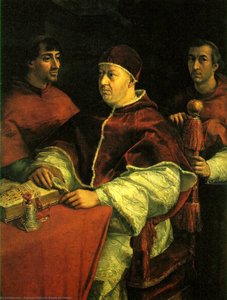
Raphael’s “Portrait of Pope Leo X with Cardinals Giulio de' Medici and Luigi de' Rossi,” painted in 1518, is far more than a simple depiction of three men seated before a table. It’s a meticulously crafted tableau vivant—a stage for the anxieties and ambitions of Renaissance Rome, a microcosm reflecting the turbulent political and religious landscape of its time. The painting immediately commands attention with its rich palette dominated by deep reds – the colors of papal authority – yet this opulence is subtly undercut by an underlying sense of unease, a visual representation of the precarious position held by Leo X himself.
The composition itself is remarkably sophisticated. Raphael masterfully employs *chiaroscuro*, the dramatic interplay of light and shadow, to sculpt the figures and draw the viewer’s eye. Leo X, seated centrally, occupies the largest portion of the canvas, his corpulent form rendered with a startling realism that contrasts sharply with the idealized depictions common in earlier portraiture. His gaze is averted, seemingly lost in contemplation or perhaps directed at an unseen presence – a subtle indication of the challenges he faced. The Cardinals flanking him, Giulio de’ Medici and Luigi de' Rossi, mirror Leo’s posture, creating a sense of shared responsibility and the weight of their respective roles within the complex web of papal power.
The Symbolism of Power and Intrigue
Beyond the immediate visual elements, the painting is laden with symbolic meaning. The open Bible on the table, identified as the Hamilton Bible – a treasured possession of Leo’s father, Lorenzo de' Medici – subtly reinforces his lineage and connection to the powerful Florentine family. However, the fact that the Bible is partially obscured suggests a questioning of established dogma, mirroring the growing dissent brewing within Europe at the time. The presence of the abacus balls on the chair—a prominent symbol of the Medici family’s wealth and influence—further emphasizes their power and control.
The carefully chosen objects – the globe, the bell, the ornate clothing – all contribute to a narrative of authority and worldly possessions. Yet, even these symbols are presented with a degree of restraint, preventing them from overwhelming the scene. The subtle tension between Leo’s outward appearance of grandeur and his averted gaze hints at the internal struggles he faced as he navigated the treacherous currents of papal politics. The Cardinals' gestures also carry weight; Luigi de' Rossi, for instance, reaches out to touch the Pope's chair, suggesting a close bond but also perhaps a subtle challenge to Leo’s authority.
A Window into a Tumultuous Era
Painted during a period of immense political and religious upheaval – just months before Martin Luther posted his 95 Theses – “Portrait of Pope Leo X” offers a poignant glimpse into the anxieties of the era. The painting’s creation coincided with the sale of indulgences, a practice that directly challenged papal authority and fueled the burgeoning Protestant Reformation. Raphael's decision to portray Leo not as an idealized figurehead but as a man grappling with complex realities—a man burdened by responsibility and facing imminent challenges—is profoundly revealing.
The painting’s enduring appeal lies in its ability to capture this sense of ambiguity and complexity. It is not simply a portrait; it's a psychological study, a historical document, and a testament to Raphael’s artistic genius. It invites viewers to contemplate the delicate balance between power and vulnerability, faith and doubt, and the lasting impact of individual choices on the course of history.
Replicas and Artistic Legacy
Reproductions of this iconic work capture the depth and nuance of Raphael's original vision. The rich textures, the masterful use of light and shadow, and the subtle expressions of the figures are all faithfully reproduced in high-quality prints and canvases. Whether adorning a grand salon or a more intimate space, a reproduction of “Portrait of Pope Leo X” serves as a powerful reminder of the Renaissance’s artistic achievements and its enduring fascination with human nature.
Consider commissioning a hand-painted replica to bring this masterpiece into your home – a tangible connection to one of art history's most compelling portraits. The meticulous detail and vibrant colors will undoubtedly become a focal point, sparking conversation and enriching the ambiance of any room.
Obras relacionadas
Biografía del artista
El Legado de Raphael Coxcie: Un Visionario del Renacimiento
Nacido en la histórica ciudad de Malinas, Bélgica, alrededor de 1540, Raphael Coxcie se erige como una figura fundamental dentro del panorama artístico del Alto Renacimiento, un periodo caracterizado por una creatividad sin parangón y por los ideales humanistas. Su legado se extiende mucho más allá de sus pinturas individuales, moldeando tendencias estilísticas e influyendo en generaciones de artistas que le sucedieron. Aunque los detalles biográficos siguen siendo algo escasos en comparación con contemporáneos como Miguel Ángel o Leonardo da Vinci, la contribución de Coxcie al arte flamenco es innegable, posicionándolo como una voz significativa en el floreciente fervor artístico de su época.
Los años formativos de Coxcie estuvieron impregnados de una profunda tradición artística. Recibió instrucción de Raffaello Sanlzio da Urbino—conocido comúnmente como Rafael—, un maestro cuya influencia permeó la obra temprana de Coxcie. Este vínculo con los maestros italianos le dotó de una meticulosa atención al detalle y de un dominio magistral del claroscuro, ese dramático juego entre la luz y la sombra. Esta técnica se convirtió en la piedra angular de su enfoque, permitiéndole imbuir sus lienzos con una emoción y profundidad palpables, reflejando el espíritu humanista que dominaba el pensamiento renacentista. Los ecos estilísticos de la obra de Rafael son particularmente evidentes en las composiciones iniciales de Coxcie, demostrando un profundo respeto por los ideales clásicos y una dedicación a capturar la forma humana con una precisión extraordinaria.
Maestría de la Forma y la Narrativa Sagrada
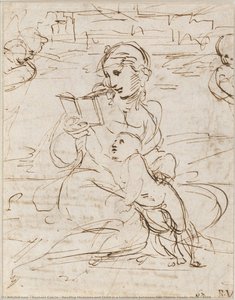
La amplitud de la producción artística de Coxcie abarcó diversos medios, especialmente el fresco y la pintura al óleo, cada uno sirviendo como testimonio de su versatilidad técnica. Su obra buscaba a menudo tender un puente entre lo terrenal y lo divino, utilizando el paisaje y la luz para elevar los temas religiosos. En obras como su Madonna con el Niño leyendo en un paisaje, se puede observar una representación serena de la maternidad y la fe, donde el mundo natural sirve como un telón de fondo silencioso para la contemplación espiritual. Su capacidad para integrar figuras en entornos exuberantes y atmosféricos resalta su maestría en la perspectiva y la teoría del color.
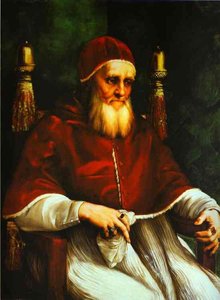
Más allá de la devoción religiosa, Coxcie demostró una habilidad excepcional para capturar el peso de la autoridad política e histórica. Su Retrato del Papa Julio II es un estudio magistral del detalle, mostrando al papa renacentista con ricas vestiduras rojas, con un enfoque especial en la textura de la tela y el juego de la luz sobre el rostro. Esta capacidad para el realismo se extendió incluso a sus estudios más contemplativos, como su conmovedora representación de la figura de Diógenes. En esta obra, Coxcie utiliza un tono sombría y un estilo clásico para explorar temas de filosofía y soledad, demostrando que su destreza residía tanto en la profundidad psicológica como en la exactitud física.
Significancia Histórica e Impacto Artístico
La importancia histórica de Raphael Coxcie reside en su papel como conducto entre las tradiciones del Renacimiento italiano y la evolución de la escuela flamenca. Al sintetizar la escala monumental y la iluminación dramática del sur con las habilidades de observación detallada características del arte del norte, ayudó a crear un lenguaje estilístico único. Sus contribuciones a obras de gran formato, incluyendo su participación en importantes proyectos de frescos, dejaron una huella indeleble en las tradiciones decorativas y narrativas del arte europeo.
Para comprender la magnitud de su impacto, se pueden considerar los siguientes pilomas de su carrera:
- Innovación Técnica: El uso sofisticado del claroscuro para crear profundidad tridimensional y resonancia emocional.
- Influencia Clásica: Una dedicación de por vida a los ideales humanistas y a la precisión anatómica heredada de los grandes maestros italianos.
- Versatilidad Temática: La capacidad de transitar sin esfuerzo entre la ternura íntima de las Madonnas y la imponente gravedad del retrato papal.
- Puente Cultural: Su papel al llevar la estética refinada del Alto Renacimiento a los florecientes centros artísticos de Bélgica.
Aunque han pasado siglos desde su muerte en 1616, las obras de Raphael Coxcie continúan cautivando la mirada moderna. Siguen siendo ventanas vitales a un periodo de la historia humana donde el arte, la ciencia y la espiritualidad estaban inextricablemente unidos, invitando a los espectadores a redescubrir la belleza de un maestro que capturó la esencia misma del espíritu renacentista.
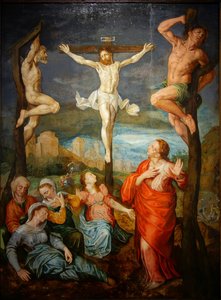
Rafael Coxcie
1540 - 1616 , Bélgica
Datos clave
- Artistic Movement Or Style: Renacimiento
- Artists Or Movements Influenced By This Artist: ['Michelangelo Buonarroti']
- Artists Who Influenced This Artist: ['Raffaello Sanzio da Urbino']
- Date Of Birth: Mechelen, Belgium (1540)
- Full Name: Raphael Coxcie
- Nationality: Belga
- Notable Artworks:
- Mass of Bolsena
- Study for the Trivulzio Monument
- Place Of Birth: Mechelen
Artículos relacionados
Rafael: Las 25 Obras Maestras que Definen al Genio del Renacimiento | ArtsDot
Descubre las 25 obras maestras de Rafael Sanzio, el genio del Renacimiento. Explora su historia, técnica y significado en pinturas icónicas como 'La Escuela de Atenas'. Reproducciones de arte de alta calidad para decorar tu hogar con elegancia. ¡Explora la colección completa en ArtsDot.com!
Pietro Perugino: Umbrian Master of Serenity & Precursor to Raphael's High Renaissance
Explore the life & art of Pietro Perugino, a pivotal Renaissance master and Raphael’s influential teacher. Discover his serene compositions, Sistine Chapel frescoes, and lasting legacy with ArtsDot.
Virtud Cívica y Rivalidad Artística: Mecenazgo e Innovación en las Repúblicas Italianas del Renacimiento, 1400–1600
Descubre el Renacimiento italiano: mecenazgo, rivalidad artística y la explosión del humanismo. Análisis experto de artistas clave y su legado cultural. ¡Sumérgete en una época fascinante!
El Florecimiento del Humanismo Italiano: Un Viaje Artístico al Renacimiento
Descubre el florecimiento del Humanismo Italiano y su impacto en el arte renacentista. Análisis profundo de Da Vinci, Miguel Ángel y Rafael. Explora técnicas innovadoras y el legado cultural que perdura hasta hoy.
Mario Sironi: A Poetic of Modern Italian Identity Through Symbolism & Social Commentary
Explore the profound works of Mario Sironi, a key figure in Italian Modernism. Discover his evolution from Futurism to Metaphysical painting and his powerful social commentary. Learn about his legacy at ArtsDot.