 Ver en contexto
 Enviar
 Compartir
 Detalles

 Descargar
 Similares
 Radiografía
 Presentación de diapositivas
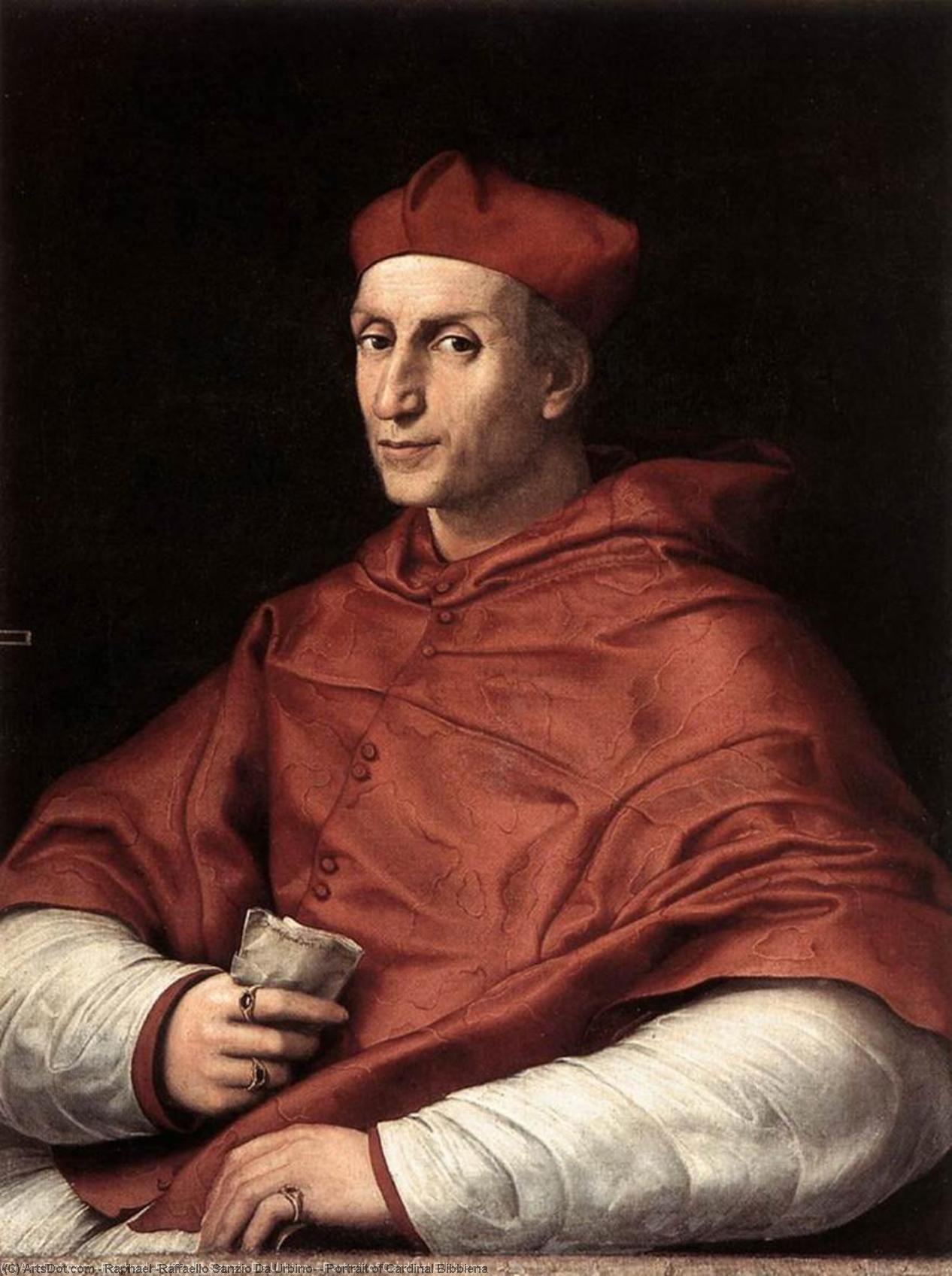
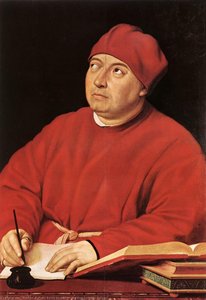
Portrait of Cardinal Bibbiena


 Ver más
Reproducción al óleo hecha a mano
Óleo sobre lienzo pintado a mano en el tamaño y marco de su elección, realizado por encargo por nuestros artistas. ( Comprar impresión Comprar imagen)




P118B $10

P118H $10

P118W $10

P438Z $10

P508JH $12

P508YH $12

P805H $10

P805Z $10

P919BZ $10

P919G $10

P919XJ $10

P959ZH $10

P968JZ $12

W106C $8

W218G $10

W218JH $8

W218Y $10

W307PJ $10

W316G $10

W316PJ $8

W316Y $10

W398PJ $8

W4111J $10

W500HY $15

W500JH $15

W692G $12

W849H $8

W940BG $15

W953PJ $8




Elija entre nuestros tamaños predefinidos que respetan las proporciones originales de la obra.

Puede ingresar sus propias dimensiones para adaptarse a un marco o espacio específico. Si el tamaño seleccionado no coincide con las proporciones de la imagen original, recortaremos la obra o extenderemos la pintura con elementos adicionales pintados a mano. Se le enviará una maqueta digital para su aprobación antes de comenzar la producción.
Tenga en cuenta que la vista previa en pantalla no refleja el recorte o la extensión reales. Solo la maqueta mostrará con precisión la composición final.
Si bien existen tamaños personalizados, recomendamos seleccionar una dimensión de la lista predefinida para preservar las proporciones originales.
Tras realizar el pedido, el equipo de ArtsDot.com enviará un correo electrónico al cliente para solicitar instrucciones y proporcionarle una vista previa del boceto.
Envío a todo el mundo () en 3-4 semanas en lugar de las 5 semanas estándar. (22 agosto). Sin comprometer la calidad.

Envío exprés gratuito a todo el mundo

Lienzo de lino de alta calidad

Seguro de envío total

Garantía de reembolso de impuestos aduaneros

Garantía de fidelidad cromática exacta

Política de devolución de 60 días (solo por defectos)

Garantía de devolución del 100% del dinero

Descuento por cantidad
 La opción de vidrio solo está disponible en tamaños inferiores a 110 cm.

Portrait of Cardinal Bibbiena
Técnica de reproducción
Dimensiones de la reproducción
-


Precio total final
$ 263
Descripción de la obra
Portrait of Cardinal Bibbiena: A Renaissance Masterpiece of Light and Shadow
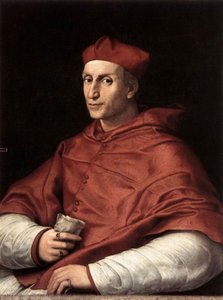
Raphael’s “Portrait of Cardinal Bibbiena,” painted in 1516, is more than just a likeness; it's a carefully constructed meditation on power, piety, and the very essence of human presence. Housed within the opulent halls of the Pitti Palace in Florence, this oil-on-panel work offers a rare glimpse into the world of Renaissance diplomacy and the subtle artistry that defined Raphael’s burgeoning reputation. The painting immediately captivates with its intimate scale – a close-up study of the cardinal's face – inviting viewers to contemplate every line, hue, and expression. It is a testament to Raphael’s extraordinary ability to render not merely a physical form, but also the psychological depth within it.
The composition itself speaks volumes about Renaissance ideals. A triangular structure dominates the canvas, anchored by the cardinal's upright posture and the horizontal line of his left arm resting upon his knee. This deliberate arrangement creates a sense of stability and balance, reflecting the humanist principles that were reshaping European thought at the time. The deep red robe, rich in velvet texture and adorned with intricate detailing, immediately draws the eye – a symbol of the cardinal’s high office and status within the Church hierarchy. The careful layering of fabrics and the subtle play of light across their surfaces demonstrate Raphael's mastery of material representation, elevating the mundane to the realm of art.
Raphael’s Command of Chiaroscuro
What truly distinguishes “Portrait of Cardinal Bibbiena” is Raphael’s masterful deployment of chiaroscuro – the dramatic interplay of light and shadow. He doesn't simply illuminate the subject; he sculpts him with darkness, creating a profound sense of volume and three-dimensionality. Notice how the folds of the robe are rendered in deep shadows, while areas of direct light accentuate the contours of the face, highlighting the cardinal’s features – the furrowed brow suggesting contemplation, the subtle curve of his lips hinting at both authority and wisdom. This technique wasn't merely a stylistic choice; it was integral to Raphael’s broader exploration of human form and emotion.
The use of light is particularly effective in drawing attention to the cardinal’s hands. Held gently before him, they are rendered with remarkable detail – the veins visible beneath the skin, the subtle tension in his fingers. These small gestures convey a sense of quiet dignity and intellectual engagement, suggesting that the cardinal is not merely a figure of power but also a man of learning and contemplation. The background remains deliberately dark, further emphasizing the subject’s presence and creating an atmosphere of intimacy.
A Window into Renaissance Florence
Beyond its technical brilliance, “Portrait of Cardinal Bibbiena” offers a valuable window into the political and cultural landscape of Renaissance Florence. Bernardo Dovizi de Bibbiena was not just a cardinal; he was a key figure in Florentine diplomacy, serving as Pope Leo X’s private secretary and holding significant influence within the city's government. The painting reflects this multifaceted role – portraying him as both a religious leader and a shrewd political operator. The portrait itself became an important document of his status, commissioned to project an image of authority and trustworthiness.
Furthermore, the work’s provenance—its presence in the Pitti Palace alongside other Renaissance masterpieces—highlights its significance within the broader artistic context of Florence. It stands as a testament to the city's role as a center for innovation and patronage during this transformative period. The painting is an integral part of the collection that showcases the grandeur and sophistication of the Medici family’s influence.
Reproductions: Bringing Raphael’s Vision to Life
ArtsDot offers meticulously crafted, hand-painted reproductions of “Portrait of Cardinal Bibbiena,” ensuring that every detail – from the subtle nuances of color to the delicate texture of the fabrics – is faithfully reproduced. Our artists, deeply versed in Raphael's techniques and stylistic choices, painstakingly recreate the painting’s luminous quality and profound emotional impact. Each reproduction captures the essence of the original while retaining a sense of immediacy and vibrancy.
These reproductions are not mere copies; they are artistic interpretations that honor Raphael’s legacy. They provide an accessible way to experience this masterpiece firsthand, allowing art lovers and collectors alike to appreciate its beauty and significance. Explore our collection at ArtsDot.com and bring a piece of Renaissance history into your home.
For further insights into Raphael’s life and work, we encourage you to visit Wikipedia.
Obras relacionadas
Biografía del artista
**vida temprana y formación**
Rafael (rafaello sanzio da urbino), un renombrado pintor y arquitecto italiano, nació entre el 28 de marzo y el 6 de abril de 1483, en la pequeña pero culturalmente significativa ciudad de Urbino. Su padre, Giovanni Santi, era pintor de corte para el duque, proporcionando a Rafael una exposición temprana al mundo artístico. Después de fallecer su padre a los once años, Rafael probablemente administró el taller familiar, consolidando aún más su base artística.**carrera artística e influencias**
El viaje artístico de Rafael puede categorizarse en tres fases distintas, cada una marcada por un estilo único:- primeros años en Umbría: caracterizado por la influencia de su padre y el ambiente cultural de Urbino.
- período florentino (1504-1508): absorbiendo las tradiciones artísticas de Florencia, que influyeron significativamente en su estilo.
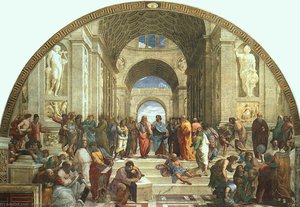
- período romano (1508-1520): trabajando para dos papas y sus asociados, produciendo algunas de sus obras más celebradas, incluyendo la escuela de Atenas en la stanza della segnatura del Vaticano.
**obras notables y legado**
Algunas de las obras notables de Rafael incluyen:- el juicio de Salomón (ver en ArtsDot)
- la madona de Esterházy (ver en ArtsDot)
- Stanze Vaticane - vista de la stanza della segnatura (ver en ArtsDot)
- San Sebastián (ver en ArtsDot)
- La dama velada (ver en ArtsDot)
**influencia y legado**
La influencia de Rafael en el arte es profunda, con su obra siendo un pilar del Renacimiento italiano. Su estilo sereno y armonioso ha sido un modelo para la pintura neoclásica, como señaló el historiador de arte Johann Joachim Winckelmann. A pesar de la influencia posterior del estilo de Miguel Ángel, Rafael sigue siendo uno de los artistas más reverenciados en la historia. ver el perfil de Rafael en ArtsDot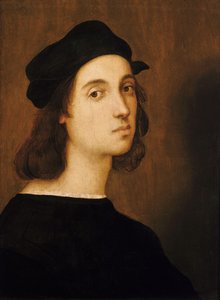
Rafael
1483 - 1520 , Italia
Datos clave
- Artistas Influyentes:
- Giovanni Santi
- Pietro Perugino
- Estilo Artístico: Alto Renacimiento
- Fecha De Muerte: 06/04/1520
- Fecha De Nacimiento: 28/03/1483
- Influencia En Artistas: Neoclasicismo
- Lugar De Nacimiento: Urbino, Italia
- Nacionalidad: Italiano
- Nombre Completo: Rafael (Raffaello Sanzio)
- Obras Notables:
- El Juicio de Salomón
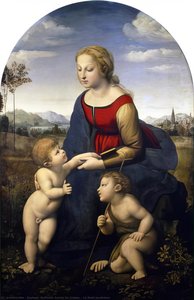
- Madonna del Cardellino
- La Escuela de Atenas
- San Sebastián
- La Dama Velada
Artículos relacionados

Rafael: Las 25 Obras Maestras que Definen al Genio del Renacimiento | ArtsDot
Descubre las 25 obras maestras de Rafael Sanzio, el genio del Renacimiento. Explora su historia, técnica y significado en pinturas icónicas como 'La Escuela de Atenas'. Reproducciones de arte de alta calidad para decorar tu hogar con elegancia. ¡Explora la colección completa en ArtsDot.com!
Las 10 Obras Maestras al Óleo sobre Panel que Transformaron la Historia del Arte |
Descubre las 10 obras maestras al óleo sobre panel que revolucionaron la historia del arte. Explora a Jan van Eyck, Botticelli y otros genios renacentistas. Reproducciones de arte exclusivas en para transformar tu hogar.
El Enduring Legado de la Tabla: Una Revisión Histórica de la Técnica, el Soporte y el Impacto Estético del Óleo sobre Madera
Descubre la fascinante historia de la pintura sobre tabla y óleo sobre madera. Explora técnicas ancestrales, artistas clave del Renacimiento y consejos para conservar estas obras maestras. ¡Un viaje por el legado artístico!
Oil on Panel: A Historical Survey of Technique, Support & Aesthetic Evolution
Explore the rich history of oil on panel painting! Discover Renaissance techniques, support structures & aesthetic evolution. Expert insights for art collectors and enthusiasts.

The Enduring Legacy of Oil on Canvas: Technique, History & Aesthetic Impact
Explore the rich history & techniques of oil painting – from Renaissance masters to Impressionism. Discover pigments, layering methods, and why this timeless medium endures. Expert insights for artists & art enthusiasts.