 Ver en contexto
 Enviar
 Compartir
 Detalles

 Descargar
 Similares
 Radiografía
 Presentación de diapositivas
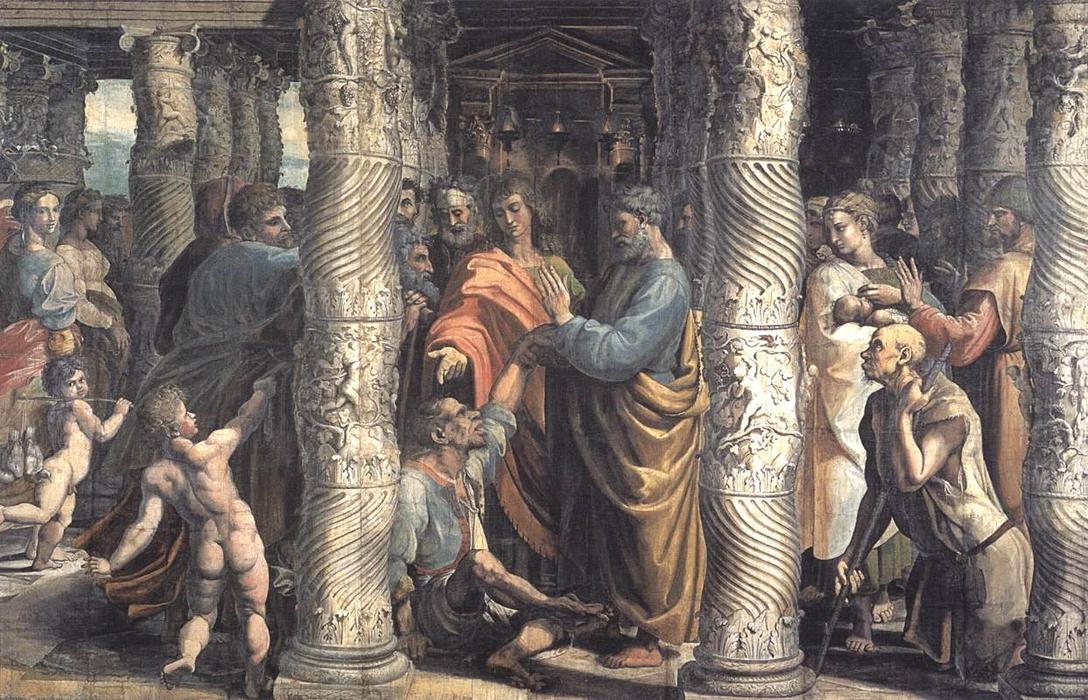
The Healing of the Lame Man (cartoon for the Sistine Chapel)


 Ver más
Reproducción al óleo hecha a mano
Óleo sobre lienzo pintado a mano en el tamaño y marco de su elección, realizado por encargo por nuestros artistas. ( Comprar impresión Comprar imagen)




P118B $10

P118H $10

P118W $10

P438Z $10

P508JH $12

P508YH $12

P805H $10

P805Z $10

P919BZ $10

P919G $10

P919XJ $10

P959ZH $10

P968JZ $12

W106C $8

W218G $10

W218JH $8

W218Y $10

W307PJ $10

W316G $10

W316PJ $8

W316Y $10

W398PJ $8

W4111J $10

W500HY $15

W500JH $15

W692G $12

W849H $8

W940BG $15

W953PJ $8




Elija entre nuestros tamaños predefinidos que respetan las proporciones originales de la obra.

Puede ingresar sus propias dimensiones para adaptarse a un marco o espacio específico. Si el tamaño seleccionado no coincide con las proporciones de la imagen original, recortaremos la obra o extenderemos la pintura con elementos adicionales pintados a mano. Se le enviará una maqueta digital para su aprobación antes de comenzar la producción.
Tenga en cuenta que la vista previa en pantalla no refleja el recorte o la extensión reales. Solo la maqueta mostrará con precisión la composición final.
Si bien existen tamaños personalizados, recomendamos seleccionar una dimensión de la lista predefinida para preservar las proporciones originales.
Tras realizar el pedido, el equipo de ArtsDot.com enviará un correo electrónico al cliente para solicitar instrucciones y proporcionarle una vista previa del boceto.
Envío a todo el mundo () en 3-4 semanas en lugar de las 5 semanas estándar. (31 agosto). Sin comprometer la calidad.

Envío exprés gratuito a todo el mundo

Lienzo de lino de alta calidad

Seguro de envío total

Garantía de reembolso de impuestos aduaneros

Garantía de fidelidad cromática exacta

Política de devolución de 60 días (solo por defectos)

Garantía de devolución del 100% del dinero

Descuento por cantidad
 La opción de vidrio solo está disponible en tamaños inferiores a 110 cm.

The Healing of the Lame Man (cartoon for the Sistine Chapel)
Técnica de reproducción
Dimensiones de la reproducción
-


Precio total final
$ 263
The Healing of the Lame Man (cartoon for the Sistine Chapel) – A Testament to Raphael’s Visionary Genius
Raphael’s “The Healing of the Lame Man,” conceived as a monumental tapestry destined for the Sistine Chapel, stands as one of the most poignant emblems of Renaissance humanist ideals. Commissioned by Pope Leo X shortly after his ascension to the papal throne in 1513, this artwork transcends mere depiction; it embodies a profound meditation on faith, compassion, and divine grace—themes central to the burgeoning Christian Reformation.
- Subject Matter: The scene portrays Peter miraculously healing a paralyzed man at Bethesda Pool in Jerusalem. This pivotal episode from Saint Luke’s Gospel recounts Peter's unwavering belief and his ability to perform miracles through prayer, representing a triumph over physical limitations and a symbol of spiritual regeneration.
- Style & Composition: Raphael adheres to the prevailing stylistic conventions of Mannerism—characterized by elongated figures, stylized poses, and dramatic contrasts of light and shadow—yet imbues the composition with an unparalleled sense of serenity and grace. The central figure of Peter dominates the canvas, radiating authority while simultaneously demonstrating tenderness as he assists the afflicted man.
- Technique: Raphael’s masterful technique is evident in his meticulous attention to detail and his skillful use of color—primarily achieved through tempera paint on linen fabric. He employed a layered approach, beginning with charcoal underdrawings that established the anatomical proportions and spatial relationships before applying thin washes of pigment to build up luminous surfaces.
The tapestry’s placement within the Sistine Chapel was deliberate; it served as a visual reminder of God's benevolence and his capacity for healing—a powerful message intended to inspire devotion amongst the papal court and its congregation. The inclusion of women purifying themselves at Bethesda Pool underscores the importance of ritual cleansing and symbolizes the spiritual renewal that accompanies divine intervention.
Beyond its religious significance, “The Healing of the Lame Man” resonates with broader humanist concerns about human dignity and potential for transformation. Raphael’s depiction captures a moment of profound empathy—a testament to his artistic genius and his unwavering belief in the transformative power of faith. The subtle color variations between the cartoon and the tapestry itself offer fascinating insights into Raphael's creative process, highlighting his dedication to achieving an unparalleled level of realism while simultaneously conveying spiritual depth.
- Symbolism: The Bethesda Pool represents divine providence—God’s intervention in human affairs. Peter’s outstretched hand signifies compassion and healing power, mirroring Christ’s own selfless care for humanity.
- Emotional Impact: Raphael's artwork evokes feelings of awe, reverence, and hope—inspiring contemplation on the mysteries of faith and reminding viewers of God’s boundless mercy.
A reproduction of this iconic masterpiece allows admirers to experience Raphael’s visionary artistry firsthand, capturing not only the visual splendor of the original but also its enduring spiritual resonance.
Obras relacionadas
Biografía del artista
**vida temprana y formación**
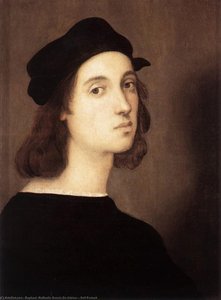
Rafael (rafaello sanzio da urbino), un renombrado pintor y arquitecto italiano, nació entre el 28 de marzo y el 6 de abril de 1483, en la pequeña pero culturalmente significativa ciudad de Urbino. Su padre, Giovanni Santi, era pintor de corte para el duque, proporcionando a Rafael una exposición temprana al mundo artístico. Después de fallecer su padre a los once años, Rafael probablemente administró el taller familiar, consolidando aún más su base artística.**carrera artística e influencias**
El viaje artístico de Rafael puede categorizarse en tres fases distintas, cada una marcada por un estilo único:- primeros años en Umbría: caracterizado por la influencia de su padre y el ambiente cultural de Urbino.
- período florentino (1504-1508): absorbiendo las tradiciones artísticas de Florencia, que influyeron significativamente en su estilo.
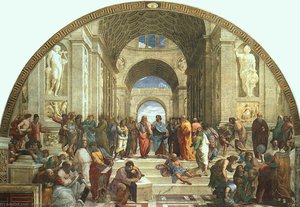
- período romano (1508-1520): trabajando para dos papas y sus asociados, produciendo algunas de sus obras más celebradas, incluyendo la escuela de Atenas en la stanza della segnatura del Vaticano.
**obras notables y legado**
Algunas de las obras notables de Rafael incluyen:- el juicio de Salomón (ver en ArtsDot)
- la madona de Esterházy (ver en ArtsDot)
- Stanze Vaticane - vista de la stanza della segnatura (ver en ArtsDot)
- San Sebastián (ver en ArtsDot)
- La dama velada (ver en ArtsDot)
**influencia y legado**
La influencia de Rafael en el arte es profunda, con su obra siendo un pilar del Renacimiento italiano. Su estilo sereno y armonioso ha sido un modelo para la pintura neoclásica, como señaló el historiador de arte Johann Joachim Winckelmann. A pesar de la influencia posterior del estilo de Miguel Ángel, Rafael sigue siendo uno de los artistas más reverenciados en la historia. ver el perfil de Rafael en ArtsDot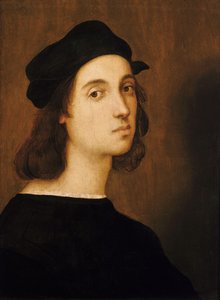
Rafael
1483 - 1520 , Italia
Datos clave
- Artistas Influyentes:
- Giovanni Santi
- Pietro Perugino
- Estilo Artístico: Alto Renacimiento
- Fecha De Muerte: 06/04/1520
- Fecha De Nacimiento: 28/03/1483
- Influencia En Artistas: Neoclasicismo
- Lugar De Nacimiento: Urbino, Italia
- Nacionalidad: Italiano
- Nombre Completo: Rafael (Raffaello Sanzio)
- Obras Notables:
- El Juicio de Salomón
- Madonna del Cardellino
- La Escuela de Atenas
- San Sebastián
- La Dama Velada
Artículos relacionados
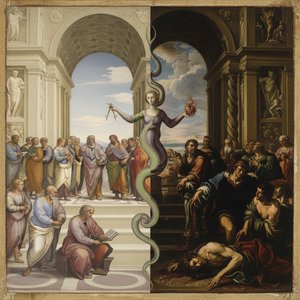
El Crepúsculo del Clasicismo Renacentista: Un Estudio del Estilo y la Afectación en el Manierismo
Descubre el Manierismo: un análisis profundo de este fascinante estilo artístico del Renacimiento tardío. Explora sus características, artistas clave y legado con ArtsDot.

Illuminating Faith: Biblical Narrative & Artistic Expression Through the Ages
Explore the rich history of biblical art from Giotto to the Renaissance masters with ArtsDot. Discover symbolism, techniques & enduring legacies. Museum-quality reproductions & expert insights.
Mannerismo: 10 Obras Maestras que Definieron un Estilo Revolucionario | ArtsDot.com
Descubre las 10 obras maestras del Mannerismo: Pontormo, El Greco y más. Explora la elegancia renacentista, figuras alargadas y paletas vibrantes de este movimiento artístico único. Reproducciones de arte exclusivas en ArtsDot.com.
Renaissance Mannerism: Style, Subtlety & the Transition from Harmony to Artifice
Explore the captivating world of Renaissance Mannerism! Discover its key characteristics, pioneering artists like Pontormo & Bronzino, and its pivotal role in art history. Expert insights & museum-quality reproductions at ArtsDot.
Illuminating Faith: Biblical Scenes & Their Enduring Legacy in Art History
Explore the profound history of biblical art! Discover Renaissance masterpieces by Giotto & more. Uncover symbolism, artistic techniques, and lasting influence. Expert insights at ArtsDot.