

 Enviar
 Compartir
 Detalles

 Descargar
 Similares
 Presentación de diapositivas
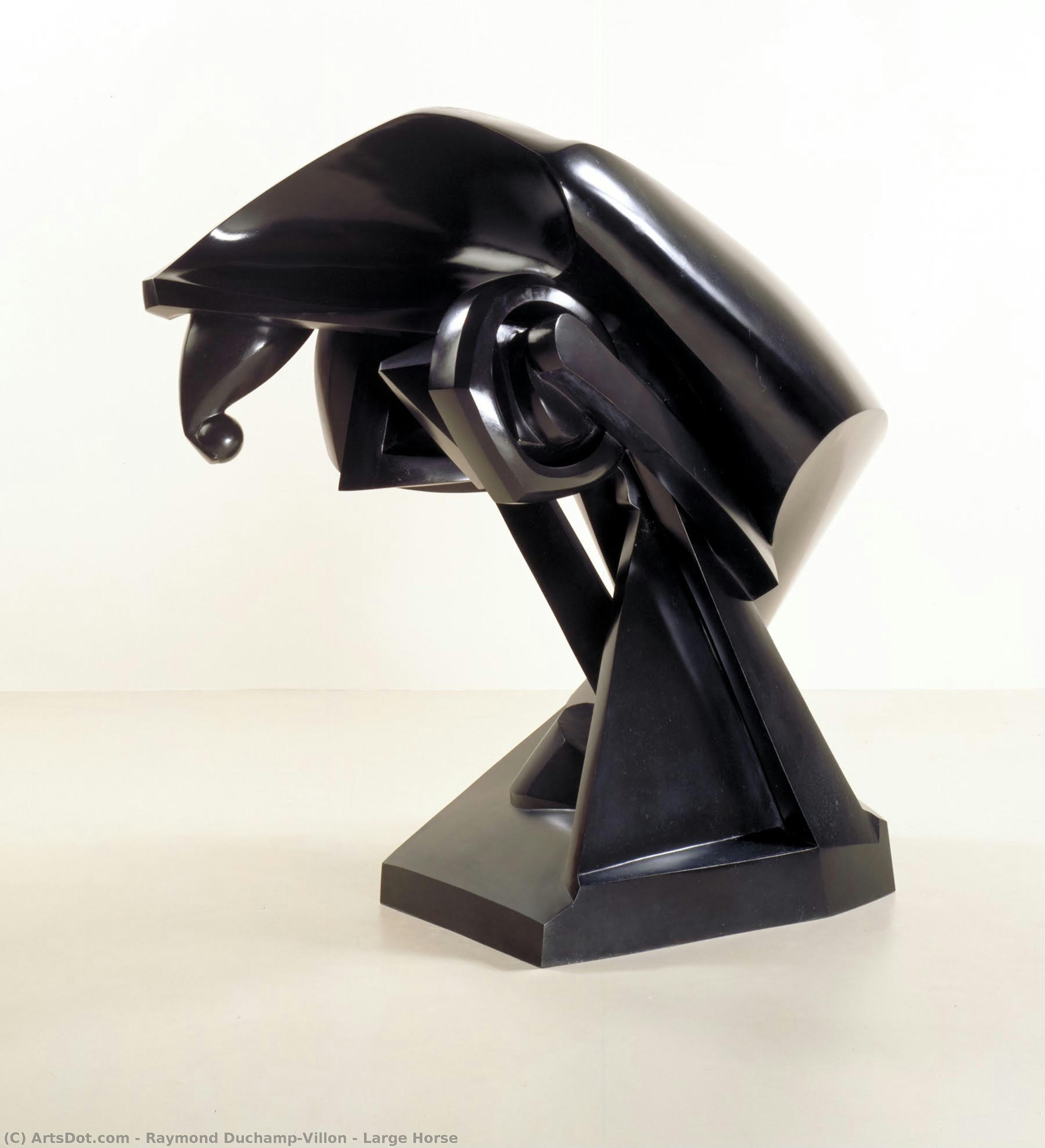
Large Horse


 Ver más
Giclée / Impresión de arte
Impresiones giclée o en lienzo de calidad de museo con producción rápida y opciones de acabado flexibles. ( Comprar pintura hecha a mano Comprar imagen)




































Elija entre nuestros tamaños predefinidos que respetan las proporciones originales de la obra.

Puede introducir sus propias dimensiones para adaptarse a un marco o espacio específico. Si el tamaño seleccionado no coincide con las proporciones de la imagen original, recortaremos la obra de arte o extenderemos la imagen con un borde con efecto espejo o de color sólido. Se enviará una maqueta digital para su aprobación antes de que comience la producción.
Tenga en cuenta que la vista previa en pantalla no refleja el recorte o la extensión real. Solo la maqueta mostrará con precisión la composición final.
Aunque existen tamaños personalizados, recomendamos seleccionar una dimensión de la lista predefinida para preservar las proporciones originales.
Envío a todo el mundo () en 2 semanas en lugar de las 4/5 semanas estándar. (7 septiembre)

Envío exprés gratuito a todo el mundo

Lienzo de lino de alta calidad

Seguro de envío total

Garantía de reembolso de impuestos aduaneros

Garantía de fidelidad cromática exacta

Política de devolución de 100 días (solo por defectos)

Garantía de devolución del 100% del dinero

Descuento por cantidad
 La opción de vidrio solo está disponible en tamaños inferiores a 110 cm.

Large Horse
Giclée / Impresión de arte
Dimensiones de la reproducción
-


Precio total final
$ 62
A Fragmented Vision: Exploring Raymond Duchamp-Villon’s “Large Horse”
Raymond Duchamp-Villon's "Large Horse," a bronze sculpture created in 1914, stands as a pivotal work bridging the waning years of traditional sculpture with the radical experimentation of early modernism. More than simply an image of a horse, it’s a distilled essence of dynamism, a fractured embodiment of mechanical energy and the anxieties of a rapidly changing world. The piece resides within the Lillie and Hugh Roy Cullen Sculpture Garden at the Museum of Fine Arts, Houston, offering viewers a direct encounter with its powerfully unsettling beauty. Duchamp-Villon, born Pierre-Maurice-Raymond Duchamp in Damville, France, inherited an artistic lineage rich with talent – his brothers Jacques Villon, Marcel Duchamp, and Suzanne Duchamp-Crotti all made significant contributions to the art world. This familial creative environment undoubtedly influenced his own trajectory, though he forged a distinctly individual path marked by a fascination with technology and its impact on form.Deconstructing Form: Style, Technique, and Materials
The sculpture’s aesthetic is undeniably Cubist, yet it transcends simple categorization. Duchamp-Villon deliberately dismantled the traditional representation of a horse, reducing it to a series of interlocking geometric planes – sharp angles of cubes, rectangles, and triangles dominate the composition. This fragmentation isn't merely stylistic; it reflects a broader artistic impulse to challenge established notions of reality and perception. The bronze itself is meticulously cast, showcasing a remarkable level of detail despite its abstracted form. The surface retains a subtle texture, revealing the marks of the casting process – a testament to the artist’s dedication to his craft. Interestingly, the original plaster model was enlarged by his brother Jacques Villon in 1930-31, demonstrating a collaborative spirit within the Duchamp family and solidifying the sculpture's final form. The choice of bronze speaks volumes about the artist’s intent – a durable, enduring material capable of capturing both the solidity of form and the inherent dynamism of movement.Echoes of War and Modernity: Historical Context
“Large Horse” was conceived during a period of immense social and political upheaval—the eve of World War I. The sculpture can be interpreted as a reflection of this turbulent era, embodying the sense of disruption and fragmentation experienced by Europe. Duchamp-Villon’s own life was tragically cut short in 1918, succumbing to typhoid fever during his military service. This untimely death adds another layer of poignancy to the work, suggesting a premature silencing of a visionary artist. The sculpture's angularity and tension evoke feelings of dynamism, power, and perhaps even anxiety—qualities that resonated deeply with the artistic sensibilities of the time. It’s not simply a depiction of a horse; it’s a visual metaphor for the anxieties and uncertainties of modernity.Symbolism and Emotional Resonance
The fractured form of “Large Horse” invites multiple interpretations. Some scholars suggest it symbolizes the breakdown of traditional values and the disintegration of established order in the face of technological advancement. The machine age, with its emphasis on efficiency and standardization, is powerfully represented through the sculpture’s geometric construction. However, there's also a sense of raw energy and vitality within the piece—a suggestion that even amidst fragmentation, life persists. Duchamp-Villon himself described his artistic vision as being inspired by the power of mathematics, engineering, and the machine, suggesting a belief in their potential to shape both art and society. Ultimately, “Large Horse” remains an enigmatic work, prompting viewers to confront questions about form, representation, and the human condition within a rapidly changing world. It’s a sculpture that demands engagement, inviting us to contemplate its fragmented beauty and profound symbolism.Obras relacionadas
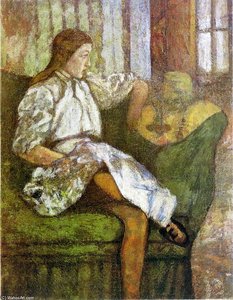
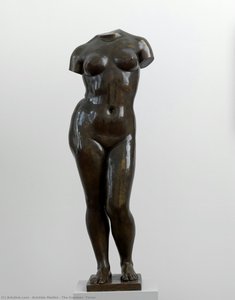
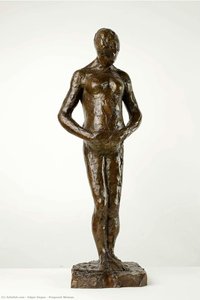
Biografía del artista
Raymond Duchamp-Villon: Pionero de la Escultura Cubista
- Nacido: 5 de noviembre de 1876, Damville, Francia
- Fallecido: 9 de octubre de 1918, Cannes, Francia
- Nombre Completo: Pierre-Maurice-Raymond Duchamp
- Conexiones Familiares: Hermano de Jacques Villon, Marcel Duchamp y Suzanne Duchamp-Crotti – todos artistas consumados.
Primeros Años y Desarrollo Artístico
- Duchamp-Villon inicialmente cursó estudios de medicina en la Sorbona pero abandonó sus estudios debido a una fiebre reumática en 1898. Este evento lo redirigió hacia la escultura.
- Fue en gran medida autodidacta, demostrando una aptitud notable y dominando rápidamente las técnicas escultóricas.
- Las primeras obras estuvieron influenciadas por el estilo naturalista de Auguste Rodin antes de pasar a los principios cubistas.
- Para distinguirse de su hermano Marcel, adoptó el nombre Duchamp-Villon para todas sus creaciones artísticas.
- Exhibió en el Salon de la Société Nationale des Beaux-Arts en 1902 y 1903.
La Aceptación del Cubismo y Obras Clave
- Influencia Cubista: Duchamp-Villon se convirtió en una figura clave al aplicar los principios cubistas a la escultura, superando la representación tradicional.
- Grupo Section d'Or: Fue un miembro integral del grupo Section d’Or, un colectivo de artistas, poetas y críticos que moldeó significativamente el arte del siglo XX.
- Obras Notables:
- Torse de jeune homme (Torsos de Joven): Demuestra su estilo evolutivo hacia la abstracción.
- La Maison Cubiste (La Casa Cubista): Una fachada que muestra el experimento arquitectónico dentro del marco cubista.
- Le Cheval Majeur (El Caballo Mayor): Su obra más celebrada, encarna un movimiento dinámico y una energía mecánica – una pieza fundamental en el desarrollo de la escultura cubista. Existen múltiples moldes, incluyendo los alojados en el Miami Art Museum.
- Gallo Cock: Una escultura en relieve en capas que muestra dinamismo y color audaz.
Influencias y Significado Artístico
- Cubismo: Fuertemente influenciado por el trabajo pionero de Pablo Picasso y Georges Braque en el Cubismo, Duchamp-Villon adaptó sus técnicas a tres dimensiones.
- Futurismo: Compartió una afinidad con los futuristas italianos a través de su descripción del dinamismo y el movimiento mecánico, particularmente evidente en Le Cheval Majeur.
- Primitivismo: Se inspiró en las formas artísticas primitivas, como se ve en su obra posterior Portrait of Professor Gosset, que se asemeja a una máscara funeraria africana.
- Contribución a la Escultura Moderna: El uso innovador de Duchamp-Villon de formas geométricas y la exploración del movimiento avanzaron significativamente el campo de la escultura moderna, cerrando la brecha entre la pintura y la escultura.
Legado y Últimos Años
- Sirvió en una capacidad médica durante la Primera Guerra Mundial.
- Contrajo fiebre tifoidea en 1916 y falleció en 1918 a los 41 años.
- Su obra se exhibió póstumamente, incluidas exposiciones con sus familiares (Jacques Villon, Marcel Duchamp, Suzanne Duchamp) que ayudaron a solidificar su lugar en la historia del arte.
- Continúa siendo reconocido como una figura clave en el desarrollo del Cubismo y la escultura moderna.
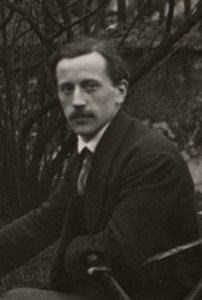
Raymond Duchamp-Villon
1876 - 1918 , Francia
Datos clave
- Artistas Que Influyeron: ['Auguste Rodin']
- Fecha De Fallecimiento: 9 de octubre de 1918
- Fecha De Nacimiento: 5 de noviembre de 1876
- Influenciado Por: ['Futuristas']
- Lugar De Nacimiento: Damville, Francia
- Movimiento Artístico: Cubismo
- Nacionalidad: Francesa
- Nombre Completo: Raymond Duchamp-Villon
- Obras Notables:
- Torse de jeune homme
- La Maison Cubiste
- Le Cheval Majeur
Artículos relacionados

Las 10 Obras Maestras de Bronce que Revolucionaron la Historia del Arte | ArtsDot
Descubre las 10 esculturas de bronce más influyentes de la historia del arte. Explora obras maestras de Rodin, Degas y otros genios. Encuentra reproducciones de arte de calidad museo en ArtsDot.com.

Esculturas de Bronce Legendarias: 10 Obras Maestras que Transformaron el Arte | ArtsDot
Descubre las 10 esculturas de bronce más legendarias que revolucionaron el arte. Explora la historia de Rodin, Degas y otros maestros del bronce. Encuentra reproducciones de alta calidad e inspiración para tu hogar en ArtsDot.com.
The Enduring Legacy of Bronze: A Historical & Artistic Exploration for the Collector
Explore the rich history & enduring appeal of bronze sculpture with expert insights for collectors at ArtsDot. Learn about casting techniques, iconic artists, collecting tips & contemporary interpretations.
The Enduring Legacy of Bronze: History, Technique & Artistic Expression for the Collector
Explore the rich history & enduring appeal of bronze sculpture with expert insights for collectors at ArtsDot. Learn about casting techniques, iconic artists, and collecting tips.
The Enduring Legacy of Bronze Sculpture: A Collector's Guide to Form & Cultural Significance
Explore the rich history & enduring appeal of bronze sculpture with expert insights for collectors at ArtsDot. Learn about casting techniques, iconic artists, and collecting tips to build a discerning art collection.