

 Vista previa
 Compartir
 Compartir
 Ver detalles

 Descargar
 Ver similares
 Radiografía
 Presentación de diapositivas
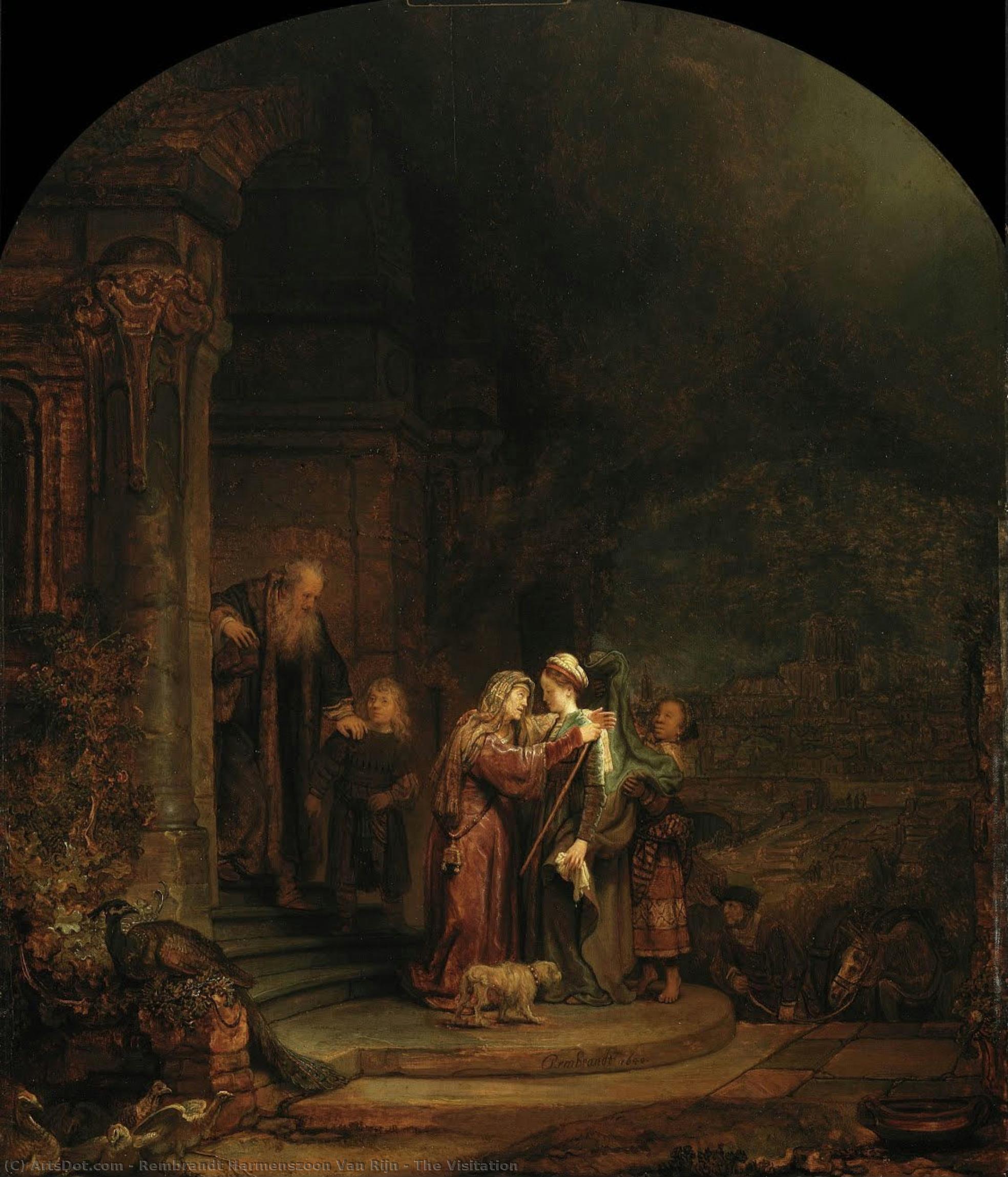
The Visitation


 Leer más
Adquiera una imagen digital de alta resolución y optimizada, muy superior a la vista previa en línea.
Cada archivo es preparado meticulosamente por nuestros especialistas internos mediante el uso de herramientas avanzadas y un experto retoque manual. Nos aseguramos de que cada imagen posea una claridad excepcional, una precisión cromática impecable y un detalle minucioso.
El archivo final se entrega por correo electrónico en un plazo de 72 horas, optimizado para su uso inmediato en entornos profesionales, editoriales y de impresión. Esta es la misma calidad en la que confían los estudios de diseño, las editoriales y las galerías de primer nivel.
Imagen Digital
Descarga un archivo de alta resolución para exhibición personal, impresión y proyectos creativos. ( Pedir impresión Encargar reproducción pintada a mano)
Incluido en cada compra de imágenes digitales
Entrega digital experta, garantizada.
Al elegir ArtsDot.com, no solo está adquiriendo una imagen; está recibiendo una obra de arte digital mejorada profesionalmente, elaborada con precisión y respaldada por una garantía de satisfacción. Esto es todo lo que incluye su pedido, automáticamente:

Entrega rápida por email
Recibirá su archivo de imagen digital en alta resolución por correo electrónico en un plazo de 72 horas tras realizar su pedido, listo para su uso inmediato.

Archivo digital optimizado por IA
Su obra de arte se optimiza profesionalmente mediante herramientas avanzadas de IA y edición manual, garantizando el máximo detalle, claridad y precisión cromática.

Reenvío gratuito de por vida
¿Has borrado o perdido tu archivo por error? No te preocupes: te lo volveremos a enviar en cualquier momento, sin coste adicional.

Sin gastos de importación, siempre
Disfrute de su obra de arte al instante sin aduanas, aranceles ni gastos de envío; las descargas digitales siempre están libres de impuestos.

Garantía de precisión de color
Garantizamos que su imagen digital refleje los colores originales con la mayor fidelidad posible, mediante el uso de herramientas profesionales y gestión del color.

Garantía de satisfacción de 60 días
Si no está satisfecho con su imagen digital, la revisaremos o le reembolsaremos el 100% en un plazo de 60 días, sin preguntas.

100% Garantía de devolución de dinero
¿No está satisfecho? Obtenga un reembolso completo dentro de los 60 días posteriores a la recepción de su archivo digital, sin necesidad de explicaciones.

Descuentos por volumen
Compra 3 imágenes, ahorra 10% - Compra 5, ahorra 15% - Compra 10+, ahorra 20%. Ideal para proyectos creativos, galerías y agencias.
Descripción del coleccionable
Rembrandt’s Tender Narrative: The Visitation
Rembrandt Harmenszoon van Rijn's “The Visitation,” painted in 1640, isn’t merely a biblical scene; it’s a profound meditation on family, faith, and the quiet miracle of new life. This small-scale panel, measuring just over twenty inches high, immediately draws the viewer into a dimly lit chamber, a space both intimate and imbued with a palpable sense of reverence. The composition is remarkably restrained, focusing intently on the two women at its heart – Mary, standing tall and dignified, and Elizabeth, leaning gently upon her cane. Rembrandt masterfully employs his signature technique of *chiaroscuro*, dramatically contrasting areas of light and shadow to sculpt the figures and create a powerful emotional atmosphere. Notice how the beam of moonlight, seemingly originating from an unseen source, washes over Mary’s face and hands, highlighting her serene expression while leaving Elizabeth partially shrouded in darkness – a subtle acknowledgment of her age and vulnerability.
The painting's historical context is fascinating. The Visitation was a relatively uncommon subject for Dutch artists at the time, suggesting it may have been commissioned specifically for this occasion. Some art historians believe Rembrandt subtly incorporated elements reflecting his own personal life; Elizabeth’s resemblance to his recently deceased mother has fueled speculation about a deeply felt familial connection. Beyond this intimate detail, “The Visitation” reflects the broader artistic trends of the Dutch Golden Age – a period characterized by a meticulous attention to realism and a deep engagement with religious themes. Rembrandt's ability to capture not just the physical likenesses but also the emotional nuances of his subjects was revolutionary for his time.
Symbolism Woven into Light and Shadow
The painting is rich in symbolic detail, each element contributing to the overall narrative. The darkened room itself represents a space removed from the everyday world, a sanctuary dedicated to contemplation and spiritual connection. Mary’s upright posture signifies her role as the bearer of Christ, while Elizabeth's bent form symbolizes her age and the miracle she is experiencing. The presence of Zachariah, descending the stairs with his son, reinforces the theme of lineage and divine intervention. Even the humble objects – a donkey, a bowl, and a simple cloak – contribute to the scene’s authenticity and emotional resonance.
The most striking element, however, is undoubtedly the light. It's not simply illumination; it’s a conduit for grace and divine presence. Rembrandt uses light to draw our attention to Mary’s face, conveying her inner peace and acceptance. The subtle gradations of shadow create a sense of mystery and reverence, inviting us to contemplate the profound significance of this moment.
Rembrandt's Technique: A Masterclass in Light and Texture
Rembrandt’s brushwork is remarkably expressive, characterized by loose, gestural strokes that capture both the texture of the figures’ clothing and the subtle nuances of their emotions. He employs a technique known as *impasto*, applying thick layers of paint to create a tactile surface that seems to shimmer with light. Observe how he builds up the forms of Mary's hands, conveying not just their physical shape but also the warmth and tenderness of her touch. The use of muted earth tones – browns, ochres, and grays – creates a sense of depth and atmosphere, while the subtle highlights add brilliance to the scene.
Furthermore, Rembrandt’s mastery of *chiaroscuro* is evident in the dramatic contrast between light and shadow. He skillfully uses this technique to sculpt the figures, create a sense of drama, and draw our attention to key elements within the composition. The interplay of light and shadow not only enhances the painting's visual impact but also contributes to its emotional depth.
A Timeless Reflection on Family and Faith
“The Visitation” transcends its biblical subject matter to offer a timeless reflection on family, faith, and the miracle of new life. It’s a deeply moving portrayal of two women sharing a sacred moment, united by their shared belief and the promise of future generations. Rembrandt's ability to capture such profound emotions with such understated elegance is a testament to his genius as an artist and storyteller. Today, this intimate painting continues to resonate with viewers, inviting us to contemplate our own connections to family, faith, and the enduring power of human compassion.
Obras relacionadas


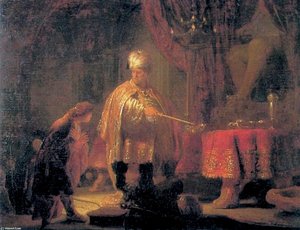
Biografía del artista
Rembrandt van Rijn: Vida y Legado
Primeros Años y Educación (1606-1625)
- Rembrandt Harmenszoon van Rijn nació el 15 de julio de 1606 en Leiden, Países Bajos – un centro bullicioso durante la Edad Dorada de la República Holandesa.
- Su padre, Harmen Gerritszoon van Rijn, era molinero y su madre, Neeltgen Willemsdochter van Zuytbrouck, provenía de una familia de panaderos. Esto le proporcionó acceso a la educación en la Escuela Latina de Leiden.
- Alrededor de 1620, comenzó un aprendizaje con Jacob van Swanenburg en Leiden.
- Un período crucial de seis meses (1624) se pasó estudiando bajo Pieter Lastman en Ámsterdam, cuyo uso dramático de la luz y la sombra influyó profundamente en el trabajo temprano de Rembrandt.
- Al regresar a Leiden, estableció su propio estudio alrededor de 1625, compartiéndolo con el artista fellow Jan Lievens.
Carrera Temprana y Traslado a Ámsterdam (1625-1642)
- Rembrandt rápidamente ganó reconocimiento en Leiden por sus pinturas históricas y retratos.
- En 1629, se benefició del mecenazgo de Constantijn Huygens, asegurando encargos del tribunal de La Haya – un punto de inflexión en su carrera.
- Se trasladó a Ámsterdam en 1631, convirtiéndose en un pintor de retratos exitoso que atraía clientes adinerados.
- En 1634, se casó con Saskia van Uylenburgh, hija de un jurista y alcalde prominente, obteniendo influencia social e inicial estabilidad financiera.
Desarrollo Artístico y Estilo
- El desarrollo artístico de Rembrandt se caracterizó por una experimentación constante. Se alejó de las formas idealizadas hacia representaciones realistas y emocionalmente expresivas.
- Periodo Temprano (c. 1625-1635): Marcado por el realismo detallado e influencia de Lastman.
- Periodo Maduro (c. 1635-1650s): Caracterizado por un uso magistral del *claroscuro* – luz y sombra dramáticas que crean profundidad psicológica. Sus pinceladas se volvieron más sueltas, transmitiendo textura y emoción.
- Periodo Tardío (c. 1650s-1669): Un retorno a una paleta más sobria centrándose en retratos íntimos y escenas bíblicas que reflejan luchas personales y reflexiones espirituales.
Obras Maestras y Logros
- La Lección de Anatomía del Dr. Nicolaes Tulp (1632): Retrato grupal innovador que muestra anatomía humana y personalidad.
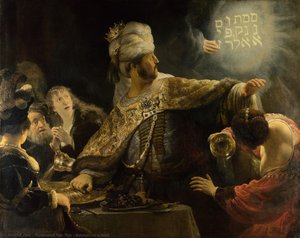
- La Cena de Belzabal (1635): Escena bíblica dramática que demuestra dominio de la luz, la sombra y la composición.
- La Guarda Nocturna (1642) – oficialmente Compañía Miliciana del Distrito II bajo el Comando del Capitán Frans Bannink Cocq: Un retrato grupal dinámico que redefine el género con una composición e iluminación innovadoras.
- Autorretratos: Aproximadamente 40 autorretratos que ofrecen un registro visual único de su proceso de envejecimiento y visión artística.
Influencias y Legado
- Maestros Italianos: Estudió obras de Tiziano, Caravaggio a través de grabados y reproducciones.
- Caravaggio: El uso dramático de la luz y la sombra impactó profundamente en su estilo.
- Artistas Holandeses y Flamencos: Influenciado por contemporáneos que trabajaban en la República Holandesa y Flandes.
- Rembrandt revolucionó el retrato, elevó el grabado a una forma de arte fina y exploró temas psicológicos profundos.
- A pesar de las tragedias personales y las dificultades financieras, su reputación perduró. Ahora se considera un pilar del arte holandés y un símbolo universal del genio artístico.
Significado Histórico
- La obra de Rembrandt refleja el espíritu de la Edad Dorada Holandesa – prosperidad económica, florecimiento intelectual e innovación artística.
- Capturó la esencia de esta época a través de retratos, escenas bíblicas que resonaban con los públicos y la exploración de emociones humanas universales.
- Su vida historia – marcada por el éxito y la adversidad – ha hecho de él una figura convincente en la historia del arte. Sigue siendo un símbolo perdurable de dedicación a la artesanía incluso frente a desafíos personales. El impacto de Rembrandt en las generaciones posteriores de artistas es inmensurable.
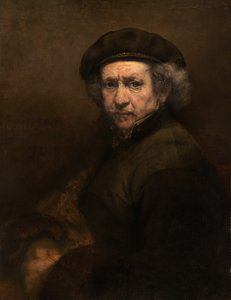
Rembrandt van Rijn
1606 - 1669 , Países Bajos
Datos clave
- Artistas Influenciados: Generaciones posteriores
- Artistas Que Influyeron:
- Pieter Lastman
- Caravaggio
- Maestros Italianos
- Fecha De Muerte: 1669
- Fecha De Nacimiento: 15 de julio de 1606
- Lugar De Nacimiento: Leiden, Países Bajos
- Movimiento Artístico: Barroco Holandés
- Nacionalidad: Holandés
- Nombre Completo: Rembrandt van Rijn
- Obras Notables:
- La Lección de Anatomía del Dr. Tulp
- Cena en Belzabal
- La Ronda de Noche
- Autorretratos

