 Ver en contexto
 Enviar
 Compartir
 Detalles

 Descargar
 Similares
 Radiografía
 Presentación de diapositivas
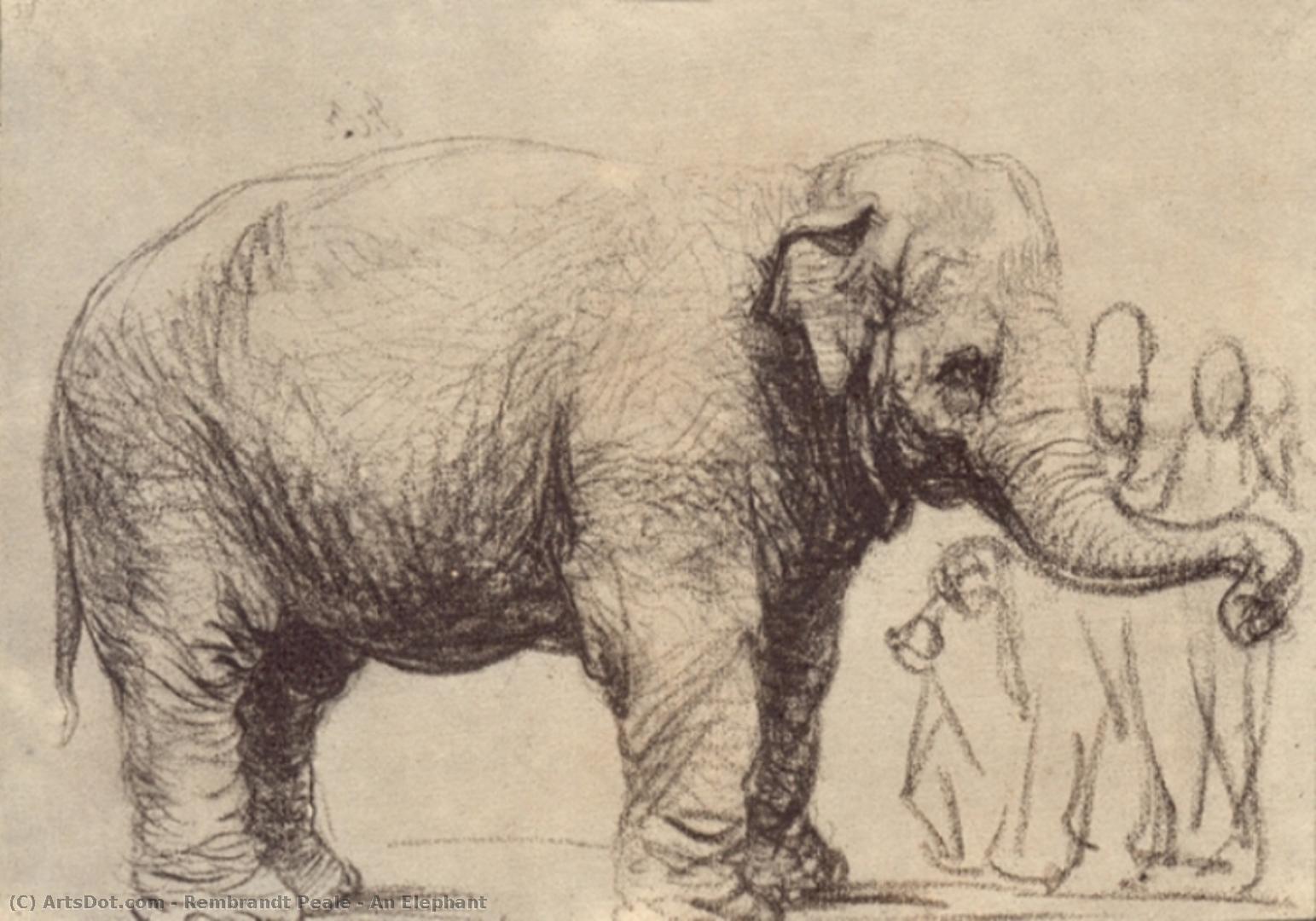
An Elephant


 Ver más
Reproducción al óleo hecha a mano
Óleo sobre lienzo pintado a mano en el tamaño y marco de su elección, realizado por encargo por nuestros artistas. ( Comprar impresión Comprar imagen)




P118B $10

P118H $10

P118W $10

P438Z $10

P508JH $12

P508YH $12

P805H $10

P805Z $10

P919BZ $10

P919G $10

P919XJ $10

P959ZH $10

P968JZ $12

W106C $8

W218G $10

W218JH $8

W218Y $10

W307PJ $10

W316G $10

W316PJ $8

W316Y $10

W398PJ $8

W4111J $10

W500HY $15

W500JH $15

W692G $12

W849H $8

W940BG $15

W953PJ $8




Elija entre nuestros tamaños predefinidos que respetan las proporciones originales de la obra.

Puede ingresar sus propias dimensiones para adaptarse a un marco o espacio específico. Si el tamaño seleccionado no coincide con las proporciones de la imagen original, recortaremos la obra o extenderemos la pintura con elementos adicionales pintados a mano. Se le enviará una maqueta digital para su aprobación antes de comenzar la producción.
Tenga en cuenta que la vista previa en pantalla no refleja el recorte o la extensión reales. Solo la maqueta mostrará con precisión la composición final.
Si bien existen tamaños personalizados, recomendamos seleccionar una dimensión de la lista predefinida para preservar las proporciones originales.
Tras realizar el pedido, el equipo de ArtsDot.com enviará un correo electrónico al cliente para solicitar instrucciones y proporcionarle una vista previa del boceto.
Envío a todo el mundo () en 3-4 semanas en lugar de las 5 semanas estándar. (4 septiembre). Sin comprometer la calidad.

Envío exprés gratuito a todo el mundo

Lienzo de lino de alta calidad

Seguro de envío total

Garantía de reembolso de impuestos aduaneros

Garantía de fidelidad cromática exacta

Política de devolución de 60 días (solo por defectos)

Garantía de devolución del 100% del dinero

Descuento por cantidad
 La opción de vidrio solo está disponible en tamaños inferiores a 110 cm.

An Elephant
Técnica de reproducción
Dimensiones de la reproducción
-


Precio total final
$ 263
The Majesty of Encounter: Exploring Rembrandt Peale's "An Elephant"
To stand before Rembrandt Peale’s "An Elephant" is to step directly into a moment suspended between the known and the utterly marvelous. This charcoal study, dating from 1637, transcends a mere depiction of wildlife; it captures an encounter—a profound meeting point between human curiosity and raw, magnificent nature. The composition immediately draws the eye to the colossal presence of the elephant, its form rendered with a startling verisimilitude that belies the delicate medium of charcoal on paper. Peale masterfully employs the dramatic chiaroscuro characteristic of the Baroque period, allowing light to sculpt the wrinkled hide and powerful musculature of the beast while deep shadows lend an air of mystery to the scene.
Baroque Drama in Charcoal
The technical brilliance of this piece lies in its execution. While the subject matter—the elephant—speaks of exoticism, the handling of the charcoal suggests a profound intimacy with the material. Peale’s ability to convey texture, particularly the complex topography of the elephant's skin and the subtle folds of the observers' garments, is breathtaking. The background remains deliberately sparse, an artistic choice that forces the viewer into an immediate, focused dialogue with the central drama. This minimalism amplifies the emotional weight of the interaction, making every gesture—the extended trunk, the attentive profiles of the three observing figures—feel monumental.
A Glimpse Through Time: Context and Symbolism
The historical context adds layers of intrigue. For an audience in the early 17th century encountering such a creature would have been akin to witnessing a miracle or a profound scientific marvel. The three figures, rendered in profile, act as our proxies; they are the witnesses whose rapt attention anchors the narrative for us today. Symbolically, the elephant has long represented memory, strength, and wisdom across cultures. Here, its gentle curiosity, suggested by its relaxed posture, seems to bridge the gap between the wild unknown and the structured world of humanity. It is a meditation on perception itself—how we react when confronted with something so grandly different.
Bringing the Encounter Home
For those who wish to incorporate this piece of historical drama into their own curated spaces, understanding its emotional resonance is key. A reproduction of "An Elephant" offers more than just an image; it offers a narrative anchor—a focal point that suggests contemplation and wonder. Whether placed in a library among weighty tomes or within a drawing-room designed for intimate conversation, the artwork commands attention through its sheer dramatic power. It invites the viewer to pause, to breathe in the quiet tension of the moment, and to feel the weight of history mingling with the enduring mystery of the natural world.
Obras relacionadas
Biografía del artista
Primeros años y formación
Rembrandt Peale, un artista y conservador de museo estadounidense, nació el 22 de febrero de 1778 en Bucks County, Pensilvania. Fue el tercer hijo de seis hijos sobrevivientes de su madre, Rachel Brewer, y su padre, Charles Willson Peale, un artista notable. El nombre de Rembrandt fue inspirado por el pintor y grabador holandés del siglo XVII Rembrandt Harmenszoon van Rijn. Su padre enseñó a todos sus hijos a pintar paisajes y retratos, y tutorizó a Rembrandt en las artes y las ciencias.Carrera artística
El estilo de Peale fue influenciado por el neoclasicismo francés después de una estancia en París a principios de los treinta. Comenzó a dibujar a la edad de 8 años y completó su primer autorretrato a los 13, mostrando su dominio temprano. La prolífica carrera de Peale incluyó más de 70 réplicas detalladas, incluyendo retratos de los presidentes George Washington y Thomas Jefferson.- Obras notables:
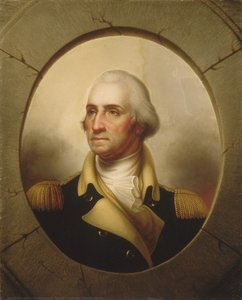
- George Washington (tipo portilla) (1795), ahora en la Galería Nacional de Retratos (Londres, Reino Unido), [https://ArtsDot.com/@@/d44spg-rembrandt-peale-george-washington-(porthole-type)](pintura de 'Rembrandt Peale' | Rembrandt Peale: George Washington (tipo portilla))
- Hombre con barba (sin fecha), [https://ArtsDot.com/@@/d329cc-rembrandt-peale-man-with-a-beard](pintura de 'Rembrandt Peale' | Rembrandt Peale: Hombre con barba)
- Retrato del Rev. John Pierpont (1785-1866), [https://ArtsDot.com/@@/d4nqk5-rembrandt-peale-portrait-of-the-rev-john-pierpont-(1785-1866)](pintura de 'Rembrandt Peale' | Rembrandt Peale: Retrato del Rev. John Pierpont (1785-1866))
Museo y legado
Peale lanzó su primer museo en Baltimore, Maryland, el 15 de agosto de 1814, que posteriormente sirvió como el segundo ayuntamiento de Baltimore y finalmente fue restaurado como el Museo Peale. Su legado continúa siendo celebrado a través de sus numerosos retratos, ahora forman parte de varias colecciones de museos, incluyendo la Galería Nacional de Retratos (Washington, Estados Unidos), [https://ArtsDot.com/@/rembrandt-peale](artista: Rembrandt Peale | 243 obras de arte).Conclusión
La prolífica carrera de Rembrandt Peale como artista y conservador de museo estadounidense ha dejado un impacto duradero en el mundo del arte. Sus numerosos retratos, incluyendo los de George Washington y Thomas Jefferson, continúan siendo celebrados por su significado histórico y valor artístico.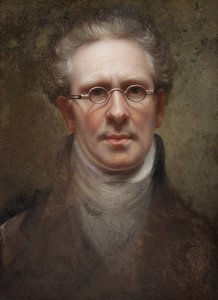
Rembrandt Peale
1778 - 1860 , Estados Unidos de América
Datos clave
- Artistas Que Influyeron:
- Rembrandt Harmenszoon van Rijn
- Charles Willson Peale
- Lugar De Nacimiento: Bucks County, EE. UU.
- Movimiento Artístico: Neoclasicismo
- Nacionalidad: Estadounidense
- Nombre Completo: Rembrandt Peale
- Notable Obras:
- George Washington (tipo portilla)
- Hombre con barba
- Retrato del Rev. John Pierpont
Artículos relacionados

Rembrandt van Rijn: Las 25 Obras Maestras que Definen un Genio | Arte, Historia y Decoración
Descubre las 25 obras maestras de Rembrandt van Rijn, el genio del barroco holandés. Explora su historia, técnica y simbolismo en retratos icónicos como 'La Ronda Nocturna'. Encuentra reproducciones de arte exclusivas para decorar tu hogar con ArtsDot.com.
Animalia: Explorando la Presencia Duradera de los Animales en el Arte y el Diseño de Interiores
Descubre la fascinante historia de los animales en el arte y cómo inspirar tu hogar con su simbolismo. Expertos en reproducciones y asesoramiento artístico.

Los 10 Maestros del Barroco Holandés: Obras que Definen una Época | ArtsDot
Descubre los 10 imprescindibles del Barroco holandés: Rembrandt, Vermeer y más. Explora la historia, técnica y belleza de estas obras maestras. Reproducciones de arte en ArtsDot.com para decorar tu hogar con elegancia.

Barroco Sublime: 10 Obras Maestras que Definieron una Época |
Descubre las 10 obras maestras del Barroco que marcaron una época. Caravaggio, Bernini y Velázquez cobran vida en . Reproducciones de arte de calidad museo para decorar tu hogar con elegancia. ¡Explora la colección online!

The Visceral Stage: Exploring Dramatic Narratives & Emotional Intensity in Baroque Art
Explore the dramatic world of Baroque art! Discover iconic masters like Caravaggio & Rembrandt, their techniques, and the movement's lasting impact. Expert insights for collectors & enthusiasts at ArtsDot.