

 Ver en contexto
 Enviar
 Compartir
 Detalles

 Descargar
 Similares
 Radiografía
 Presentación de diapositivas
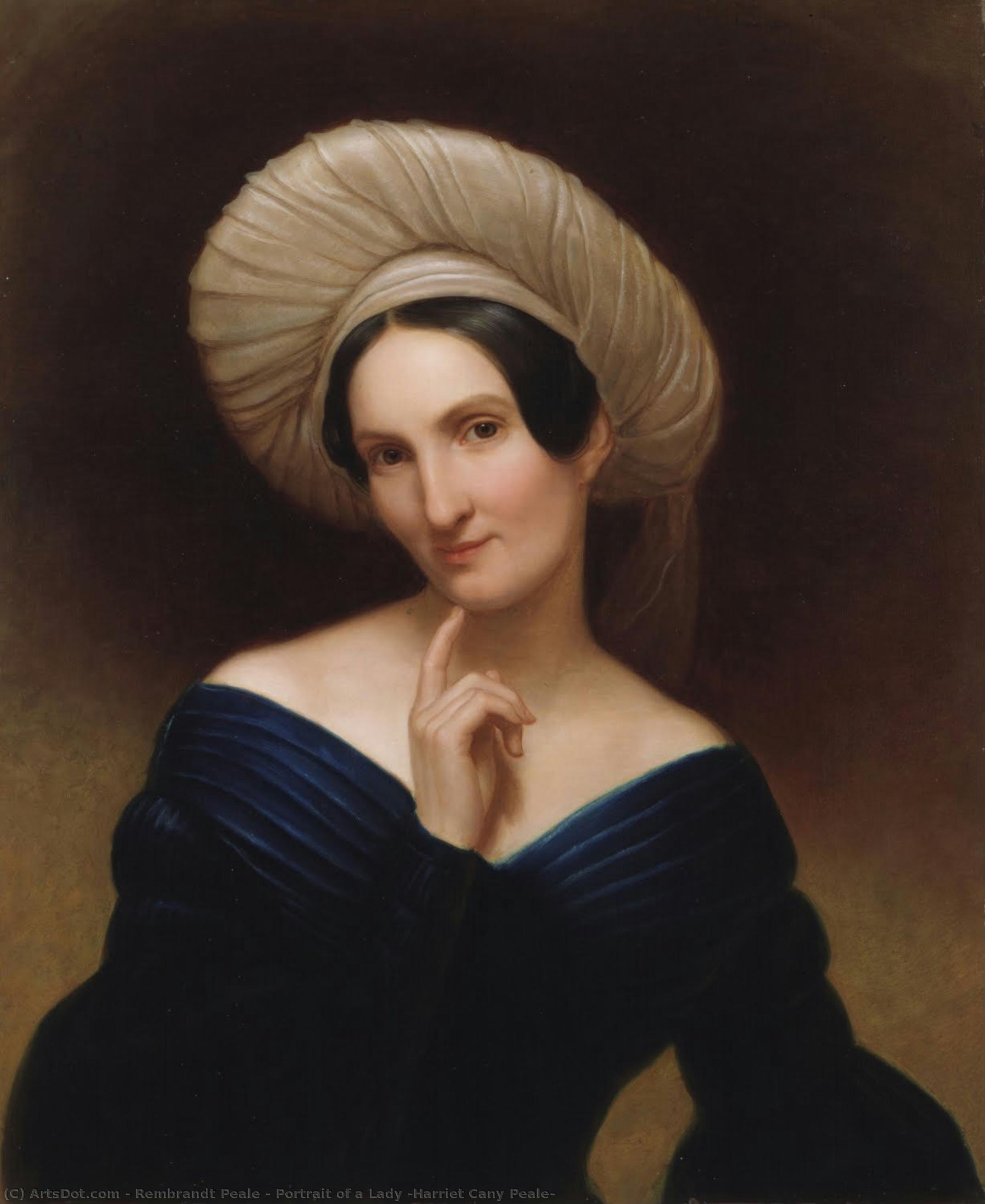
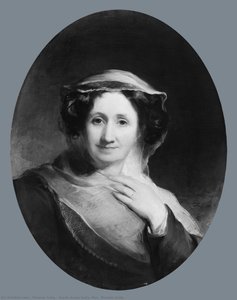
Portrait of a Lady (Harriet Cany Peale)
 Oil On Canvas
- WallArt
- Neoclassicism
 1840
1840 76.0 x 62.0 cm
 Museo de Arte Chrysler
 Ver más
Adquiera una imagen digital de alta resolución y optimizada, muy superior a la vista previa en línea.
Cada archivo es preparado meticulosamente por nuestros especialistas internos mediante el uso de herramientas avanzadas y un experto retoque manual. Nos aseguramos de que cada imagen posea una claridad excepcional, una precisión cromática impecable y un detalle minucioso.
El archivo final se entrega por correo electrónico en un plazo de 72 horas, optimizado para su uso inmediato en entornos profesionales, editoriales y de impresión. Esta es la misma calidad en la que confían los estudios de diseño, las editoriales y las galerías de primer nivel.
Imagen Digital
Descarga un archivo de alta resolución para exhibición personal, impresión y proyectos creativos. ( Comprar impresión Comprar pintura hecha a mano)
Incluido en cada pedido de imágenes digitales
Entrega digital experta, garantizada.
Al elegir ArtsDot.com, no solo está adquiriendo una imagen; está recibiendo una obra de arte digital mejorada profesionalmente, elaborada con precisión y respaldada por una garantía de satisfacción. Esto es todo lo que incluye su pedido, automáticamente:

Entrega rápida por email
Recibirá su archivo de imagen digital en alta resolución por correo electrónico en un plazo de 72 horas tras realizar su pedido, listo para su uso inmediato.

Archivo digital optimizado por IA
Su obra de arte se optimiza profesionalmente mediante herramientas avanzadas de IA y edición manual, garantizando el máximo detalle, claridad y precisión cromática.

Reenvío gratuito de por vida
¿Has borrado o perdido tu archivo por error? No te preocupes: te lo volveremos a enviar en cualquier momento, sin coste adicional.

Sin gastos de importación, siempre
Disfrute de su obra de arte al instante sin aduanas, aranceles ni gastos de envío; las descargas digitales siempre están libres de impuestos.

Garantía de fidelidad de color
Garantizamos que su imagen digital refleje los colores originales con la mayor fidelidad posible, mediante el uso de herramientas profesionales y gestión del color.

Garantía de satisfacción de 60 días
Si no está satisfecho con su imagen digital, la revisaremos o le reembolsaremos el 100% en un plazo de 60 días, sin preguntas.

100% Garantía de devolución de dinero
¿No está satisfecho? Obtenga un reembolso completo dentro de los 60 días posteriores a la recepción de su archivo digital, sin necesidad de explicaciones.

Descuentos por pedidos grandes
Compra 3 imágenes, ahorra 10% - Compra 5, ahorra 15% - Compra 10+, ahorra 20%. Ideal para proyectos creativos, galerías y agencias.
A Portrait of Quiet Grace: Harriet Cany Peale’s “Portrait of a Lady”
Rembrandt Peale's "Portrait of a Lady," featuring his wife, Harriet Cany Peale, is more than just a likeness; it’s a window into the burgeoning artistic landscape of mid-19th century America and a testament to a quietly powerful partnership. Painted around 1840, this oil on canvas captures Harriet in an elegant pose that balances dignified reserve with a subtle hint of intellectual curiosity. The painting immediately draws the eye with its rich palette – deep blues and greens dominate, contrasted by the warm tones of her gown and the soft light illuminating her face. It’s a scene brimming with understated beauty, inviting viewers to contemplate the complexities of womanhood and artistic collaboration.
The style leans firmly into Neoclassicism, yet it's infused with Romantic sensibilities. Peale meticulously renders Harriet’s features – the delicate curve of her jawline, the sparkle in her eyes, the subtle tilt of her head—with a precision that speaks to his considerable skill as a portraitist. However, he doesn’t simply aim for photographic accuracy; instead, he imbues the image with an emotional depth, suggesting a thoughtful and introspective nature. The composition is carefully balanced, centering on Harriet's face and upper body, creating a sense of intimacy while maintaining a formal elegance. Notice how the dark background serves to heighten her presence, drawing attention to her refined attire and serene expression.
The Peale Family Legacy: Collaboration and Artistic Influence
Understanding “Portrait of a Lady” requires acknowledging the context of the Peale family’s remarkable artistic legacy. Rembrandt Peale was not merely a painter; he was a cultural innovator, founding the American Museum in Philadelphia—a pioneering institution dedicated to showcasing both American and European art. His father, Charles Willson Peale, a renowned naturalist, artist, and educator, instilled in his sons a deep appreciation for observation, scientific inquiry, and artistic expression. This family environment fostered a remarkable exchange of ideas and techniques, with Rembrandt and Harriet collaborating on numerous projects, including the creation of copies after masterworks like Domenichino’s “Old Testament Sibyls.”
The influence of this collaborative spirit is evident in "Portrait of a Lady." While Rembrandt primarily executed the portrait itself, Harriet's contribution extended beyond simply posing for the painting. She was an accomplished artist in her own right, specializing in landscapes and genre scenes. Her involvement ensured that the portrait reflected not only Rembrandt’s technical skill but also her artistic sensibility—a subtle blend of observation, emotion, and personal style. The fact that she is depicted with a turban and exotic dress suggests a deliberate effort to elevate her status and celebrate her charm, reflecting the societal expectations placed upon women during this era.
Symbolism and Social Context
The painting’s symbolism is layered and intriguing. Harriet's attire—a rich blue gown adorned with intricate details—immediately conveys wealth and social standing. The turban, a fashionable accessory at the time, further emphasizes her elevated position within society. However, it also hints at a connection to distant lands and exotic cultures, reflecting the growing fascination with travel and exploration during the 19th century. Her contemplative gaze suggests an inner life, hinting at intellectual curiosity and perhaps even a quiet resistance to societal constraints.
Furthermore, the portrait speaks to the evolving role of women in American society. While Harriet’s position is undoubtedly privileged, her artistic talent—often undervalued during this period—is subtly acknowledged through her dignified presence and the attention paid to her likeness. The painting serves as a quiet assertion of female agency within a patriarchal world, celebrating both her beauty and her intellect.
A Timeless Masterpiece: Reproduction and Appreciation
“Portrait of a Lady” remains a captivating work of art, offering a glimpse into the artistic and social dynamics of 19th-century America. Reproductions capture the painting’s rich textures, nuanced colors, and subtle emotional depth, allowing viewers to appreciate its beauty and historical significance. Whether displayed in a grand salon or a more intimate setting, this portrait continues to inspire admiration for its elegant composition, skillful execution, and poignant portrayal of a remarkable woman.
Obras relacionadas



Biografía del artista
Primeros años y formación
Rembrandt Peale, un artista y conservador de museo estadounidense, nació el 22 de febrero de 1778 en Bucks County, Pensilvania. Fue el tercer hijo de seis hijos sobrevivientes de su madre, Rachel Brewer, y su padre, Charles Willson Peale, un artista notable. El nombre de Rembrandt fue inspirado por el pintor y grabador holandés del siglo XVII Rembrandt Harmenszoon van Rijn. Su padre enseñó a todos sus hijos a pintar paisajes y retratos, y tutorizó a Rembrandt en las artes y las ciencias.Carrera artística
El estilo de Peale fue influenciado por el neoclasicismo francés después de una estancia en París a principios de los treinta. Comenzó a dibujar a la edad de 8 años y completó su primer autorretrato a los 13, mostrando su dominio temprano. La prolífica carrera de Peale incluyó más de 70 réplicas detalladas, incluyendo retratos de los presidentes George Washington y Thomas Jefferson.- Obras notables:
- George Washington (tipo portilla) (1795), ahora en la Galería Nacional de Retratos (Londres, Reino Unido), [https://ArtsDot.com/@@/d44spg-rembrandt-peale-george-washington-(porthole-type)](pintura de 'Rembrandt Peale' | Rembrandt Peale: George Washington (tipo portilla))
- Hombre con barba (sin fecha), [https://ArtsDot.com/@@/d329cc-rembrandt-peale-man-with-a-beard](pintura de 'Rembrandt Peale' | Rembrandt Peale: Hombre con barba)
- Retrato del Rev. John Pierpont (1785-1866), [https://ArtsDot.com/@@/d4nqk5-rembrandt-peale-portrait-of-the-rev-john-pierpont-(1785-1866)](pintura de 'Rembrandt Peale' | Rembrandt Peale: Retrato del Rev. John Pierpont (1785-1866))
Museo y legado
Peale lanzó su primer museo en Baltimore, Maryland, el 15 de agosto de 1814, que posteriormente sirvió como el segundo ayuntamiento de Baltimore y finalmente fue restaurado como el Museo Peale. Su legado continúa siendo celebrado a través de sus numerosos retratos, ahora forman parte de varias colecciones de museos, incluyendo la Galería Nacional de Retratos (Washington, Estados Unidos), [https://ArtsDot.com/@/rembrandt-peale](artista: Rembrandt Peale | 243 obras de arte).Conclusión
La prolífica carrera de Rembrandt Peale como artista y conservador de museo estadounidense ha dejado un impacto duradero en el mundo del arte. Sus numerosos retratos, incluyendo los de George Washington y Thomas Jefferson, continúan siendo celebrados por su significado histórico y valor artístico.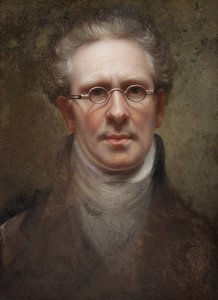
Rembrandt Peale
1778 - 1860 , Estados Unidos de América
Breves datos
- Artistas Que Influyeron:
- Rembrandt Harmenszoon van Rijn
- Charles Willson Peale
- Lugar De Nacimiento: Bucks County, EE. UU.
- Movimiento Artístico: Neoclasicismo
- Nacionalidad: Estadounidense
- Nombre Completo: Rembrandt Peale
- Notable Obras:
- George Washington (tipo portilla)
- Hombre con barba
- Retrato del Rev. John Pierpont

