 Ver en contexto
 Enviar
 Compartir
 Detalles

 Descargar
 Similares
 Radiografía
 Presentación de diapositivas
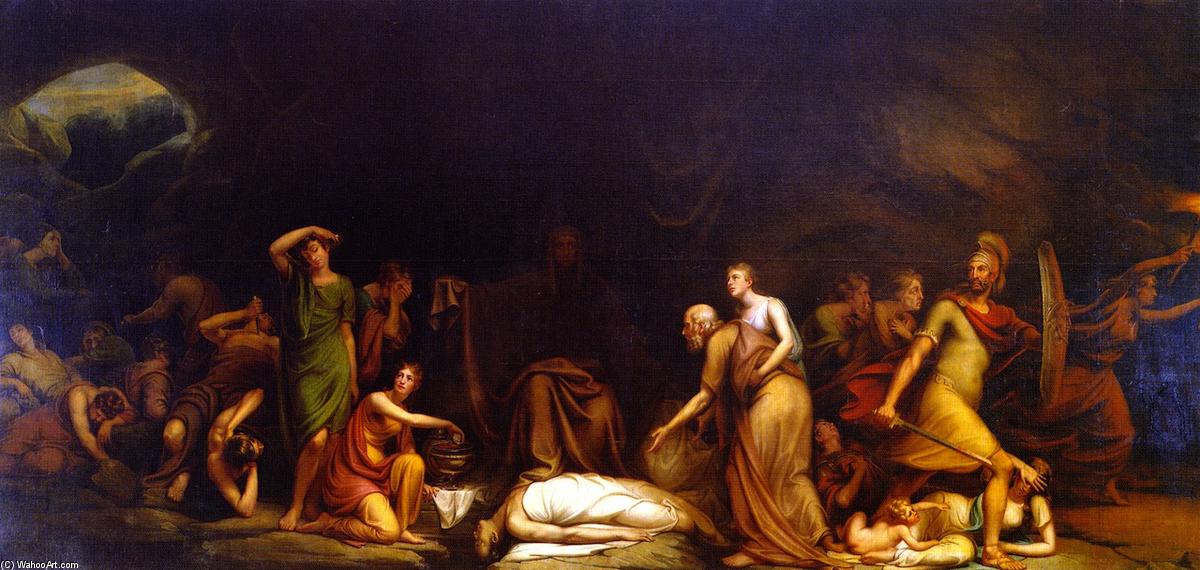
The Court of Death


 Ver más
Giclée / Impresión de arte
Impresiones giclée o en lienzo de calidad de museo con producción rápida y opciones de acabado flexibles. ( Comprar pintura hecha a mano Comprar imagen)




P118B $10

P118H $10

P118W $10

P438Z $10

P508JH $12

P508YH $12

P805H $10

P805Z $10

P919BZ $10

P919G $10

P919XJ $10

P959ZH $10

P968JZ $12

W106C $8

W218G $10

W218JH $8

W218Y $10

W307PJ $10

W316G $10

W316PJ $8

W316Y $10

W398PJ $8

W4111J $10

W500HY $15

W500JH $15

W692G $12

W849H $8

W940BG $15

W953PJ $8




Elija entre nuestros tamaños predefinidos que respetan las proporciones originales de la obra.

Puede introducir sus propias dimensiones para adaptarse a un marco o espacio específico. Si el tamaño seleccionado no coincide con las proporciones de la imagen original, recortaremos la obra de arte o extenderemos la imagen con un borde con efecto espejo o de color sólido. Se enviará una maqueta digital para su aprobación antes de que comience la producción.
Tenga en cuenta que la vista previa en pantalla no refleja el recorte o la extensión real. Solo la maqueta mostrará con precisión la composición final.
Aunque existen tamaños personalizados, recomendamos seleccionar una dimensión de la lista predefinida para preservar las proporciones originales.
Envío a todo el mundo () en 2 semanas en lugar de las 4/5 semanas estándar. (30 agosto)

Envío exprés gratuito a todo el mundo

Lienzo de lino de alta calidad

Seguro de envío total

Garantía de reembolso de impuestos aduaneros

Garantía de fidelidad cromática exacta

Política de devolución de 60 días (solo por defectos)

Garantía de devolución del 100% del dinero

Descuento por cantidad
 La opción de vidrio solo está disponible en tamaños inferiores a 110 cm.

The Court of Death
Giclée / Impresión de arte
Dimensiones de la reproducción
-


Precio total final
$ 62
A Dramatic Allegory of Mortality
Rembrandt Peale’s “The Court of Death,” painted in 1820, isn't merely a portrait; it’s a meticulously crafted allegory—a visual sermon on the inevitability of mortality and the consequences of earthly pursuits. Measuring an imposing 23 feet by 11 feet, this monumental work immediately commands attention, drawing the viewer into a dimly lit cave-like setting that feels both claustrophobic and profoundly theatrical. The scene unfolds with a deliberate sense of drama, populated by twenty-two figures rendered in rich, dark tones—a palette dominated by browns, blacks, and deep reds – reflecting the somber subject matter.
Peale’s intention was to illustrate Beilby Porteus's 1772 poem of the same name, a work that explored the themes of sin, judgment, and the afterlife. The composition is carefully structured around Death himself—a stern, cloaked figure holding a scythe—who sits at the center of the scene, presiding over a court of souls. To his left are those who have succumbed to vices: Intemperance, Suicide, Frenzy, and Desolation, each depicted with a chilling realism that underscores their tragic fates. To his right, we encounter figures representing various sins – Gout, Dropsy, Hypochondria, Apoplexy—all victims of the body’s decay. The inclusion of a warrior stepping over a mother and child adds another layer of complexity, suggesting that even those engaged in warfare or public service are ultimately subject to Death's dominion.
Neoclassical Detail and American Identity
Peale’s style is firmly rooted in the Neoclassical tradition, influenced by his time spent studying art in Paris. He meticulously renders each figure with a high degree of detail, employing techniques reminiscent of both Rembrandt and Jacques-Louis David—the dominant painter of the era. The figures are sculpted with anatomical precision, their expressions conveying a range of emotions from despair to resignation. Note the careful attention to drapery, the subtle shifts in light and shadow, and the overall sense of realism that elevates the painting beyond simple illustration. This commitment to detail reflects Peale’s desire to create an image that would be both aesthetically pleasing and intellectually stimulating.
Crucially, “The Court of Death” is a product of its time—a reflection of the burgeoning American identity being forged in the early 19th century. Charles Willson Peale, Rembrandt’s father, was a prominent figure in this era, advocating for art as a means of educating and uniting the nation. Peale himself embraced this role, producing portraits of influential figures like George Washington and Thomas Jefferson—images that helped to solidify their legacies and shape the narrative of American history. “The Court of Death,” therefore, can be seen as an extension of this effort, offering a visual commentary on the values and anxieties of a young republic grappling with its own mortality.
Symbolism and Emotional Resonance
Beyond its literal depiction of judgment, “The Court of Death” is rich in symbolism. The central figure of Old Age, supported by Virtue, represents the path to salvation—a life lived according to moral principles. The inclusion of a young man being struck down highlights the sudden and unpredictable nature of death. The overall atmosphere of the painting is one of profound melancholy, yet it also carries a sense of solemn dignity. It’s not simply a morbid depiction of demise; rather, it's an invitation to contemplate our own mortality and to consider how we choose to spend our lives.
The painting’s impact is amplified by its sheer scale—a deliberate choice that forces the viewer to confront the subject matter directly. It evokes a sense of unease and introspection, prompting questions about legacy, purpose, and the ultimate fate of humanity. “The Court of Death” remains a powerful testament to Peale's artistic skill and his profound engagement with the philosophical and spiritual concerns of his time.
A Legacy Preserved
Today, “The Court of Death” resides at the Detroit Institute of Arts, where it continues to captivate audiences. Its imposing size and dramatic composition make it a truly unforgettable experience. Reproductions of this masterpiece offer a glimpse into the world of 19th-century American art and provide a poignant reminder of our shared mortality. Consider commissioning a high-quality reproduction—a tangible connection to this extraordinary work of art, a conversation starter, and a timeless symbol of life’s fleeting beauty.
Obras relacionadas


Biografía del artista
Primeros años y formación
Rembrandt Peale, un artista y conservador de museo estadounidense, nació el 22 de febrero de 1778 en Bucks County, Pensilvania. Fue el tercer hijo de seis hijos sobrevivientes de su madre, Rachel Brewer, y su padre, Charles Willson Peale, un artista notable. El nombre de Rembrandt fue inspirado por el pintor y grabador holandés del siglo XVII Rembrandt Harmenszoon van Rijn. Su padre enseñó a todos sus hijos a pintar paisajes y retratos, y tutorizó a Rembrandt en las artes y las ciencias.Carrera artística
El estilo de Peale fue influenciado por el neoclasicismo francés después de una estancia en París a principios de los treinta. Comenzó a dibujar a la edad de 8 años y completó su primer autorretrato a los 13, mostrando su dominio temprano. La prolífica carrera de Peale incluyó más de 70 réplicas detalladas, incluyendo retratos de los presidentes George Washington y Thomas Jefferson.- Obras notables:
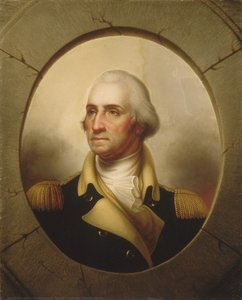
- George Washington (tipo portilla) (1795), ahora en la Galería Nacional de Retratos (Londres, Reino Unido), [https://ArtsDot.com/@@/d44spg-rembrandt-peale-george-washington-(porthole-type)](pintura de 'Rembrandt Peale' | Rembrandt Peale: George Washington (tipo portilla))
- Hombre con barba (sin fecha), [https://ArtsDot.com/@@/d329cc-rembrandt-peale-man-with-a-beard](pintura de 'Rembrandt Peale' | Rembrandt Peale: Hombre con barba)
- Retrato del Rev. John Pierpont (1785-1866), [https://ArtsDot.com/@@/d4nqk5-rembrandt-peale-portrait-of-the-rev-john-pierpont-(1785-1866)](pintura de 'Rembrandt Peale' | Rembrandt Peale: Retrato del Rev. John Pierpont (1785-1866))
Museo y legado
Peale lanzó su primer museo en Baltimore, Maryland, el 15 de agosto de 1814, que posteriormente sirvió como el segundo ayuntamiento de Baltimore y finalmente fue restaurado como el Museo Peale. Su legado continúa siendo celebrado a través de sus numerosos retratos, ahora forman parte de varias colecciones de museos, incluyendo la Galería Nacional de Retratos (Washington, Estados Unidos), [https://ArtsDot.com/@/rembrandt-peale](artista: Rembrandt Peale | 243 obras de arte).Conclusión
La prolífica carrera de Rembrandt Peale como artista y conservador de museo estadounidense ha dejado un impacto duradero en el mundo del arte. Sus numerosos retratos, incluyendo los de George Washington y Thomas Jefferson, continúan siendo celebrados por su significado histórico y valor artístico.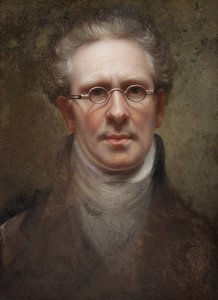
Rembrandt Peale
1778 - 1860 , Estados Unidos de América
Datos clave
- Artistas Que Influyeron:
- Rembrandt Harmenszoon van Rijn
- Charles Willson Peale
- Lugar De Nacimiento: Bucks County, EE. UU.
- Movimiento Artístico: Neoclasicismo
- Nacionalidad: Estadounidense
- Nombre Completo: Rembrandt Peale
- Notable Obras:
- George Washington (tipo portilla)
- Hombre con barba
- Retrato del Rev. John Pierpont
Artículos relacionados

Rembrandt van Rijn: Las 25 Obras Maestras que Definen un Genio | Arte, Historia y Decoración
Descubre las 25 obras maestras de Rembrandt van Rijn, el genio del barroco holandés. Explora su historia, técnica y simbolismo en retratos icónicos como 'La Ronda Nocturna'. Encuentra reproducciones de arte exclusivas para decorar tu hogar con ArtsDot.com.

The Enduring Legacy of Oil on Canvas: Technique, History & Aesthetic Impact
Explore the rich history & techniques of oil painting – from Renaissance masters to Impressionism. Discover pigments, layering methods, and why this timeless medium endures. Expert insights for artists & art enthusiasts.

El Óleo sobre Lienzo: Historia, Técnica y la Persistencia de un Medio Artístico Atemporal
Descubre la historia y técnica del óleo sobre lienzo. Explora reproducciones fieles hechas a mano, personalización artística y consejos de expertos con ArtsDot. ¡Colecciona arte con confianza!
Charles Willson Peale: Portraiture, Enlightenment Ideals & Shaping American Identity
Explore the life & art of Charles Willson Peale – Revolutionary portraitist, scientist, and founder of America’s first museum. Discover his iconic paintings of Washington & the Enlightenment ideals that shaped a nation.

The Enduring Power of Painting: A Historical & Contemporary Exploration of Form and Emotion
Explore the rich history & enduring techniques of oil painting with ArtsDot. Discover masterpieces, learn about art collecting, and find authentic handmade reproductions crafted by skilled artists.