

 Vista previa
 Compartir
 Compartir
 Ver detalles

 Descargar
 Ver similares
 Radiografía
 Presentación de diapositivas
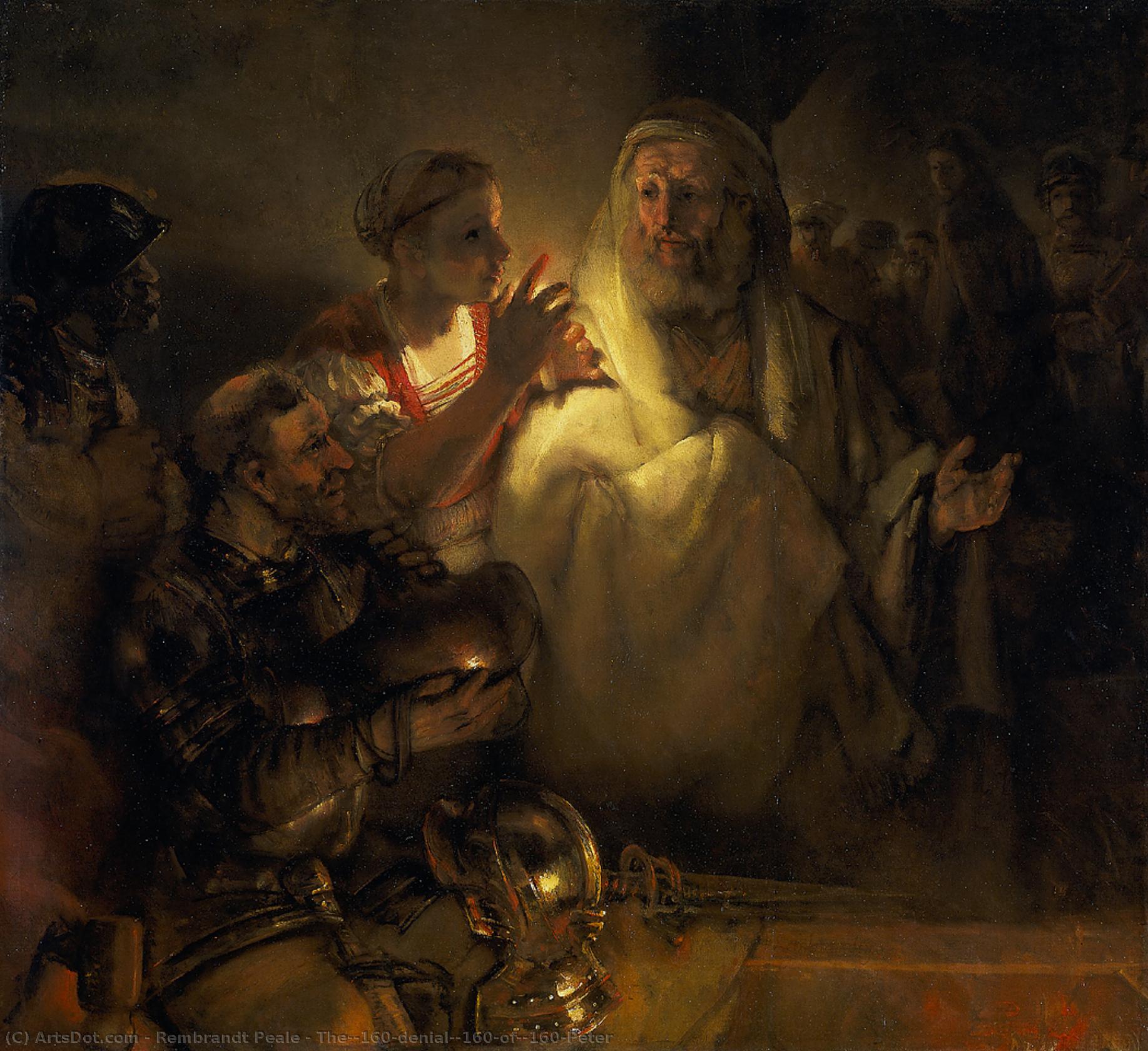
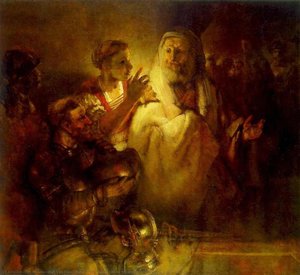
The denial of Peter
 Oil On Canvas
- WallArt
- Baroque Realism
 1660
1660 169.0 x 154.0 cm
 Rijksmuseum
 Leer más
Adquiera una imagen digital de alta resolución y optimizada, muy superior a la vista previa en línea.
Cada archivo es preparado meticulosamente por nuestros especialistas internos mediante el uso de herramientas avanzadas y un experto retoque manual. Nos aseguramos de que cada imagen posea una claridad excepcional, una precisión cromática impecable y un detalle minucioso.
El archivo final se entrega por correo electrónico en un plazo de 72 horas, optimizado para su uso inmediato en entornos profesionales, editoriales y de impresión. Esta es la misma calidad en la que confían los estudios de diseño, las editoriales y las galerías de primer nivel.
Imagen Digital
Descarga un archivo de alta resolución para exhibición personal, impresión y proyectos creativos. ( Pedir impresión Encargar reproducción pintada a mano)
Incluido en cada compra de imágenes digitales
Entrega digital experta, garantizada.
Al elegir ArtsDot.com, no solo está adquiriendo una imagen; está recibiendo una obra de arte digital mejorada profesionalmente, elaborada con precisión y respaldada por una garantía de satisfacción. Esto es todo lo que incluye su pedido, automáticamente:

Entrega rápida por email
Recibirá su archivo de imagen digital en alta resolución por correo electrónico en un plazo de 72 horas tras realizar su pedido, listo para su uso inmediato.

Archivo digital optimizado por IA
Su obra de arte se optimiza profesionalmente mediante herramientas avanzadas de IA y edición manual, garantizando el máximo detalle, claridad y precisión cromática.

Reenvío gratuito de por vida
¿Has borrado o perdido tu archivo por error? No te preocupes: te lo volveremos a enviar en cualquier momento, sin coste adicional.

Sin gastos de importación, siempre
Disfrute de su obra de arte al instante sin aduanas, aranceles ni gastos de envío; las descargas digitales siempre están libres de impuestos.

Garantía de precisión de color
Garantizamos que su imagen digital refleje los colores originales con la mayor fidelidad posible, mediante el uso de herramientas profesionales y gestión del color.

Garantía de satisfacción de 60 días
Si no está satisfecho con su imagen digital, la revisaremos o le reembolsaremos el 100% en un plazo de 60 días, sin preguntas.

100% Garantía de devolución de dinero
¿No está satisfecho? Obtenga un reembolso completo dentro de los 60 días posteriores a la recepción de su archivo digital, sin necesidad de explicaciones.

Descuentos por volumen
Compra 3 imágenes, ahorra 10% - Compra 5, ahorra 15% - Compra 10+, ahorra 20%. Ideal para proyectos creativos, galerías y agencias.
Descripción del coleccionable
A Portrait of Faith: Rembrandt Peale’s “The Denial of Peter”
Rembrandt Peale's "The Denial of Peter," completed in 1660, stands as a testament to the enduring fascination with biblical narratives and the burgeoning spirit of American artistic ambition. More than just a depiction of a pivotal moment from Jesus’ ministry—the threefold denial by Saint Peter—it embodies a complex interplay of observation, emotion, and stylistic innovation that cemented Peale's place among the leading portraitists of his era.Subject Matter and Narrative Depth
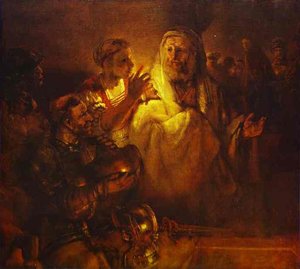
The painting captures precisely what its title proclaims: the agonizing scene where Peter abandons Jesus before sunrise after denying him three times. Rembrandt skillfully portrays the palpable tension within the group—Jesus’ serene composure juxtaposed against Peter’s visible distress, illuminated by the soft glow of candlelight. The inclusion of other figures in the crowd underscores the universality of human vulnerability and doubt, transforming this biblical tale into a meditation on faith and repentance. Peale's meticulous attention to detail ensures that every gesture and expression conveys profound psychological insight—a hallmark of Baroque artistry.Style and Technique: Baroque Influence
Peale’s approach is firmly rooted in the Baroque tradition, evident in his masterful use of chiaroscuro – dramatic contrasts between light and dark – which sculpts the figures and imbues the scene with an atmosphere of solemn grandeur. The artist employs oil paint on canvas, applying thin glazes to build up layers of color that achieve remarkable luminosity and depth. Rembrandt Peale’s technique is characterized by a meticulous blending of pigments, creating smooth surfaces and subtle gradations of tone that heighten the realism of his subjects. This painstaking process reflects the Baroque preoccupation with capturing the essence of human emotion and conveying spiritual significance.Historical Context: Enlightenment Seeds
Painted during the early Enlightenment, “The Denial of Peter” represents a pivotal moment in artistic evolution. While retaining the stylistic conventions of its predecessors—primarily influenced by Caravaggio’s dramatic realism—the painting nevertheless foreshadows the burgeoning interest in scientific observation and psychological portraiture that would define the century to come. Peale's work reflects the broader cultural shift toward rational inquiry, yet simultaneously acknowledges the profound importance of religious belief and moral contemplation. It speaks to a desire for artistic expression that transcends mere visual representation, aiming instead to communicate deeper truths about human experience.Symbolism: Light and Darkness as Moral Allegory
The painting’s symbolism is rich and multilayered. The dominant use of light—particularly the candlelight illuminating Peter’s face—represents divine grace and spiritual illumination, contrasting sharply with the darkness that envelops the rest of the scene. This visual dichotomy underscores the biblical theme of redemption through faith – Peter's anguish symbolizes the struggle to overcome doubt and embrace righteousness. Rembrandt Peale skillfully employs artistic conventions to convey moral messages, aligning his work with the intellectual currents of the Enlightenment.Emotional Impact: A Window into Human Psyche
Ultimately, “The Denial of Peter” resonates powerfully with viewers due to its unflinching portrayal of human emotion. Rembrandt Peale captures the vulnerability and remorse inherent in Peter’s predicament—a depiction that transcends time and speaks directly to our own anxieties about faith and morality. The painting invites contemplation on the complexities of human experience, reminding us that even amidst moments of despair, there remains the possibility of spiritual renewal. It is a masterpiece not merely for its technical brilliance but also for its enduring capacity to evoke empathy and inspire reflection.Obras relacionadas

Biografía del artista
Primeros años y formación
Rembrandt Peale, un artista y conservador de museo estadounidense, nació el 22 de febrero de 1778 en Bucks County, Pensilvania. Fue el tercer hijo de seis hijos sobrevivientes de su madre, Rachel Brewer, y su padre, Charles Willson Peale, un artista notable. El nombre de Rembrandt fue inspirado por el pintor y grabador holandés del siglo XVII Rembrandt Harmenszoon van Rijn. Su padre enseñó a todos sus hijos a pintar paisajes y retratos, y tutorizó a Rembrandt en las artes y las ciencias.Carrera artística
El estilo de Peale fue influenciado por el neoclasicismo francés después de una estancia en París a principios de los treinta. Comenzó a dibujar a la edad de 8 años y completó su primer autorretrato a los 13, mostrando su dominio temprano. La prolífica carrera de Peale incluyó más de 70 réplicas detalladas, incluyendo retratos de los presidentes George Washington y Thomas Jefferson.- Obras notables:
- George Washington (tipo portilla) (1795), ahora en la Galería Nacional de Retratos (Londres, Reino Unido), [https://ArtsDot.com/@@/d44spg-rembrandt-peale-george-washington-(porthole-type)](pintura de 'Rembrandt Peale' | Rembrandt Peale: George Washington (tipo portilla))
- Hombre con barba (sin fecha), [https://ArtsDot.com/@@/d329cc-rembrandt-peale-man-with-a-beard](pintura de 'Rembrandt Peale' | Rembrandt Peale: Hombre con barba)
- Retrato del Rev. John Pierpont (1785-1866), [https://ArtsDot.com/@@/d4nqk5-rembrandt-peale-portrait-of-the-rev-john-pierpont-(1785-1866)](pintura de 'Rembrandt Peale' | Rembrandt Peale: Retrato del Rev. John Pierpont (1785-1866))
Museo y legado
Peale lanzó su primer museo en Baltimore, Maryland, el 15 de agosto de 1814, que posteriormente sirvió como el segundo ayuntamiento de Baltimore y finalmente fue restaurado como el Museo Peale. Su legado continúa siendo celebrado a través de sus numerosos retratos, ahora forman parte de varias colecciones de museos, incluyendo la Galería Nacional de Retratos (Washington, Estados Unidos), [https://ArtsDot.com/@/rembrandt-peale](artista: Rembrandt Peale | 243 obras de arte).Conclusión
La prolífica carrera de Rembrandt Peale como artista y conservador de museo estadounidense ha dejado un impacto duradero en el mundo del arte. Sus numerosos retratos, incluyendo los de George Washington y Thomas Jefferson, continúan siendo celebrados por su significado histórico y valor artístico.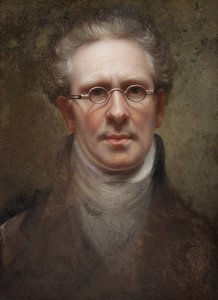
Rembrandt Peale
1778 - 1860 , Estados Unidos de América
Datos clave
- Artistas Que Influyeron:
- Rembrandt Harmenszoon van Rijn
- Charles Willson Peale
- Lugar De Nacimiento: Bucks County, EE. UU.
- Movimiento Artístico: Neoclasicismo
- Nacionalidad: Estadounidense
- Nombre Completo: Rembrandt Peale
- Notable Obras:
- George Washington (tipo portilla)
- Hombre con barba
- Retrato del Rev. John Pierpont

