 Ver en contexto
 Enviar
 Compartir
 Detalles

 Descargar
 Similares
 Radiografía
 Presentación de diapositivas
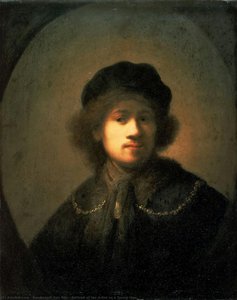
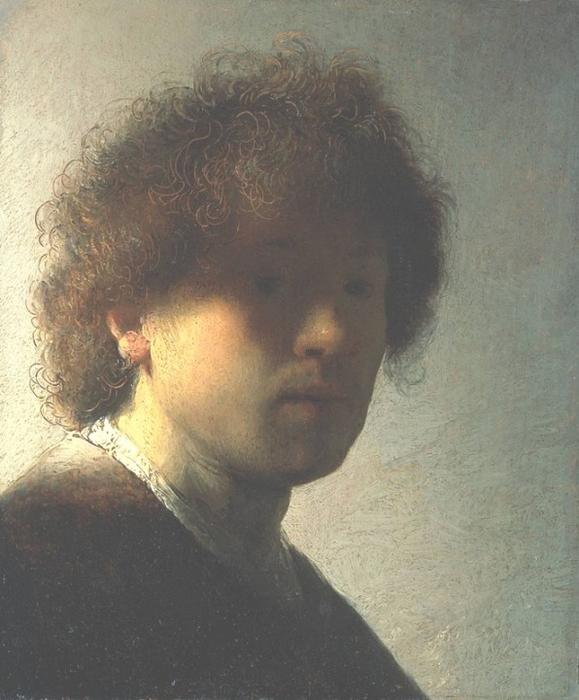
Autorretrato a temprana edad
 Óleo sobre tabla
- Dutch Golden Age
 1628
1628- Renacimiento
 23.0 x 19.0 cm
 Ver más
Reproducción al óleo hecha a mano
Óleo sobre lienzo pintado a mano en el tamaño y marco de su elección, realizado por encargo por nuestros artistas. ( Comprar impresión Comprar imagen)




P118B $10

P118H $10

P118W $10

P438Z $10

P508JH $12

P508YH $12

P805H $10

P805Z $10

P919BZ $10

P919G $10

P919XJ $10

P959ZH $10

P968JZ $12

W106C $8

W218G $10

W218JH $8

W218Y $10

W307PJ $10

W316G $10

W316PJ $8

W316Y $10

W398PJ $8

W4111J $10

W500HY $15

W500JH $15

W692G $12

W849H $8

W940BG $15

W953PJ $8




Elija entre nuestros tamaños predefinidos que respetan las proporciones originales de la obra.

Puede ingresar sus propias dimensiones para adaptarse a un marco o espacio específico. Si el tamaño seleccionado no coincide con las proporciones de la imagen original, recortaremos la obra o extenderemos la pintura con elementos adicionales pintados a mano. Se le enviará una maqueta digital para su aprobación antes de comenzar la producción.
Tenga en cuenta que la vista previa en pantalla no refleja el recorte o la extensión reales. Solo la maqueta mostrará con precisión la composición final.
Si bien existen tamaños personalizados, recomendamos seleccionar una dimensión de la lista predefinida para preservar las proporciones originales.
Tras realizar el pedido, el equipo de ArtsDot.com enviará un correo electrónico al cliente para solicitar instrucciones y proporcionarle una vista previa del boceto.
Envío a todo el mundo () en 3-4 semanas en lugar de las 5 semanas estándar. (23 agosto). Sin comprometer la calidad.

Envío exprés gratuito a todo el mundo

Lienzo de lino de alta calidad

Seguro de envío total

Garantía de reembolso de impuestos aduaneros

Garantía de fidelidad cromática exacta

Política de devolución de 60 días (solo por defectos)

Garantía de devolución del 100% del dinero

Descuento por cantidad
 La opción de vidrio solo está disponible en tamaños inferiores a 110 cm.

Autorretrato a temprana edad
Técnica de reproducción
Dimensiones de la reproducción
-


Precio total final
$ 263
Descripción de la obra
Rembrandt van Rijn: Unveiling ‘Self Portrait at an Early Age’
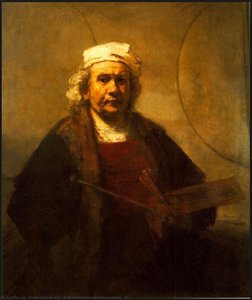
The Dutch Golden Age produced a constellation of artistic giants, but few resonate with the same profound depth and psychological insight as Rembrandt Harmenszoon van Rijn. Among his vast oeuvre, the painting “Self Portrait at an Early Age” (1628) stands as a particularly poignant window into the formative years of one of art history’s most celebrated figures. More than just a likeness, this work is a carefully constructed meditation on identity, ambition, and the nascent genius that would soon transform the artistic landscape.
The painting immediately draws the viewer in with its masterful use of chiaroscuro – the dramatic interplay between light and shadow – a technique Rembrandt honed during his apprenticeship under Pieter Lastman. The artist’s face dominates the composition, positioned centrally within a carefully balanced frame. His gaze is direct, almost challenging, inviting contemplation and suggesting an awareness of being observed. Notice how the light, originating from an unseen source to the left, sculpts his features with remarkable precision, highlighting the curve of his brow, the intensity in his eyes, and the subtle texture of his curly brown hair and beard. The background, a simple yet effective blue wall, serves not as mere decoration but as a visual anchor, subtly emphasizing the subject’s presence.
The Artist's Gaze: Introspection and Ambition
What truly captivates in “Self Portrait at an Early Age” is the palpable sense of introspection conveyed by Rembrandt’s expression. It’s not a boastful or triumphant gaze, but rather one imbued with quiet self-awareness – a young man grappling with his potential and the challenges ahead. The slight furrow of his brow hints at a thoughtful disposition, while the subtle curve of his lips suggests an underlying confidence. This is not simply a portrait; it's a psychological study, revealing the nascent artist’s burgeoning understanding of himself and his craft.
The inclusion of the white collar around his neck – a symbol of his status as an emerging artist – adds another layer of meaning. It subtly acknowledges his position within the artistic hierarchy while simultaneously hinting at his aspirations to rise above it. Rembrandt was not yet established as a master, but this painting represents a crucial stage in his development—a period of intense experimentation and self-discovery.
Historical Context: A Renaissance Tradition
Self-portraits were a relatively recent phenomenon during the 17th century, gaining popularity alongside the rise of individualism. While earlier examples existed, they were often more formal and less psychologically probing than Rembrandt’s work. The practice of self-portraiture served multiple purposes for artists: it allowed them to demonstrate their technical skills, explore different expressions and compositions, and even serve as a form of marketing – showcasing their abilities to potential clients. Rembrandt's early self-portraits, including this one, are particularly significant because they document the evolution of his style and technique during a formative period.
The painting’s creation coincided with a time of great artistic ferment in the Netherlands, marked by a renewed interest in classical art and a flourishing of creativity. Rembrandt's work reflects this dynamic environment, blending traditional techniques with innovative approaches to light, color, and composition. It is important to note that Rembrandt was heavily influenced by Pieter Lastman, whose dramatic use of light and shadow played a crucial role in shaping the artist’s own style.
A Legacy of Psychological Portraiture
“Self Portrait at an Early Age” is more than just a beautiful painting; it's a profound meditation on identity, ambition, and the creative process. Rembrandt’s ability to capture not only the physical likeness but also the inner life of his subject has made this work one of the most enduring and influential self-portraits in art history. It stands as a testament to his genius and a window into the soul of a young artist on the cusp of greatness.
Today, reproductions of this iconic painting are available through ArtsDot.com, offering collectors and interior designers alike the opportunity to experience Rembrandt’s masterful artistry firsthand. For those seeking to delve deeper into the life and work of this extraordinary artist, we encourage you to explore further resources such as Wikipedia's articles on Rembrandt and his self-portraits.
Obras relacionadas
Biografía del artista
Rembrandt van Rijn: Vida y Legado
Primeros Años y Educación (1606-1625)
- Rembrandt Harmenszoon van Rijn nació el 15 de julio de 1606 en Leiden, Países Bajos – un centro bullicioso durante la Edad Dorada de la República Holandesa.
- Su padre, Harmen Gerritszoon van Rijn, era molinero y su madre, Neeltgen Willemsdochter van Zuytbrouck, provenía de una familia de panaderos. Esto le proporcionó acceso a la educación en la Escuela Latina de Leiden.
- Alrededor de 1620, comenzó un aprendizaje con Jacob van Swanenburg en Leiden.
- Un período crucial de seis meses (1624) se pasó estudiando bajo Pieter Lastman en Ámsterdam, cuyo uso dramático de la luz y la sombra influyó profundamente en el trabajo temprano de Rembrandt.
- Al regresar a Leiden, estableció su propio estudio alrededor de 1625, compartiéndolo con el artista fellow Jan Lievens.
Carrera Temprana y Traslado a Ámsterdam (1625-1642)
- Rembrandt rápidamente ganó reconocimiento en Leiden por sus pinturas históricas y retratos.
- En 1629, se benefició del mecenazgo de Constantijn Huygens, asegurando encargos del tribunal de La Haya – un punto de inflexión en su carrera.
- Se trasladó a Ámsterdam en 1631, convirtiéndose en un pintor de retratos exitoso que atraía clientes adinerados.
- En 1634, se casó con Saskia van Uylenburgh, hija de un jurista y alcalde prominente, obteniendo influencia social e inicial estabilidad financiera.
Desarrollo Artístico y Estilo
- El desarrollo artístico de Rembrandt se caracterizó por una experimentación constante. Se alejó de las formas idealizadas hacia representaciones realistas y emocionalmente expresivas.
- Periodo Temprano (c. 1625-1635): Marcado por el realismo detallado e influencia de Lastman.
- Periodo Maduro (c. 1635-1650s): Caracterizado por un uso magistral del *claroscuro* – luz y sombra dramáticas que crean profundidad psicológica. Sus pinceladas se volvieron más sueltas, transmitiendo textura y emoción.
- Periodo Tardío (c. 1650s-1669): Un retorno a una paleta más sobria centrándose en retratos íntimos y escenas bíblicas que reflejan luchas personales y reflexiones espirituales.
Obras Maestras y Logros
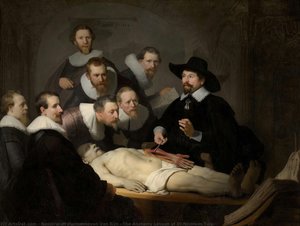
- La Lección de Anatomía del Dr. Nicolaes Tulp (1632): Retrato grupal innovador que muestra anatomía humana y personalidad.
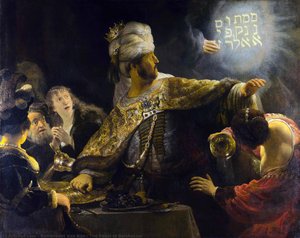
- La Cena de Belzabal (1635): Escena bíblica dramática que demuestra dominio de la luz, la sombra y la composición.
- La Guarda Nocturna (1642) – oficialmente Compañía Miliciana del Distrito II bajo el Comando del Capitán Frans Bannink Cocq: Un retrato grupal dinámico que redefine el género con una composición e iluminación innovadoras.
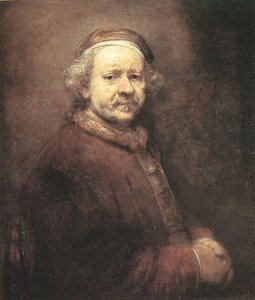
- Autorretratos: Aproximadamente 40 autorretratos que ofrecen un registro visual único de su proceso de envejecimiento y visión artística.
Influencias y Legado
- Maestros Italianos: Estudió obras de Tiziano, Caravaggio a través de grabados y reproducciones.
- Caravaggio: El uso dramático de la luz y la sombra impactó profundamente en su estilo.
- Artistas Holandeses y Flamencos: Influenciado por contemporáneos que trabajaban en la República Holandesa y Flandes.
- Rembrandt revolucionó el retrato, elevó el grabado a una forma de arte fina y exploró temas psicológicos profundos.
- A pesar de las tragedias personales y las dificultades financieras, su reputación perduró. Ahora se considera un pilar del arte holandés y un símbolo universal del genio artístico.
Significado Histórico
- La obra de Rembrandt refleja el espíritu de la Edad Dorada Holandesa – prosperidad económica, florecimiento intelectual e innovación artística.
- Capturó la esencia de esta época a través de retratos, escenas bíblicas que resonaban con los públicos y la exploración de emociones humanas universales.
- Su vida historia – marcada por el éxito y la adversidad – ha hecho de él una figura convincente en la historia del arte. Sigue siendo un símbolo perdurable de dedicación a la artesanía incluso frente a desafíos personales. El impacto de Rembrandt en las generaciones posteriores de artistas es inmensurable.
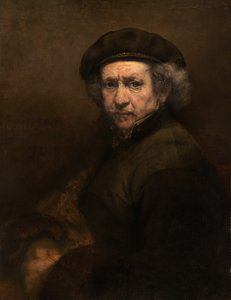
Rembrandt van Rijn
1606 - 1669 , Países Bajos
Datos clave
- Artistas Influenciados: Generaciones posteriores
- Artistas Que Influyeron:
- Pieter Lastman
- Caravaggio
- Maestros Italianos
- Fecha De Muerte: 1669
- Fecha De Nacimiento: 15 de julio de 1606
- Lugar De Nacimiento: Leiden, Países Bajos
- Movimiento Artístico: Barroco Holandés
- Nacionalidad: Holandés
- Nombre Completo: Rembrandt van Rijn
- Obras Notables:
- La Lección de Anatomía del Dr. Tulp
- Cena en Belzabal
- La Ronda de Noche
- Autorretratos
Artículos relacionados

Rembrandt van Rijn: Las 25 Obras Maestras que Definen un Genio | Arte, Historia y Decoración
Descubre las 25 obras maestras de Rembrandt van Rijn, el genio del barroco holandés. Explora su historia, técnica y simbolismo en retratos icónicos como 'La Ronda Nocturna'. Encuentra reproducciones de arte exclusivas para decorar tu hogar con ArtsDot.com.

Los 10 Maestros del Barroco Holandés: Obras que Definen una Época | ArtsDot
Descubre los 10 imprescindibles del Barroco holandés: Rembrandt, Vermeer y más. Explora la historia, técnica y belleza de estas obras maestras. Reproducciones de arte en ArtsDot.com para decorar tu hogar con elegancia.
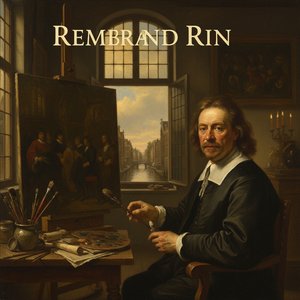
Rembrandt van Rijn: A Life Illuminated – Innovation, Emotion, and the Dutch Golden Age
Explore the life & art of Rembrandt van Rijn, a Dutch Golden Age master. Discover his innovative techniques, iconic paintings like 'The Night Watch', and enduring legacy. Expert insights for collectors & enthusiasts.

Los 10 Maestros del Siglo de Oro Holandés: Arte, Historia y Decoración Exclusiva
Descubre los 10 imprescindibles del Siglo de Oro Holandés: Rembrandt, Vermeer y más. Explora la historia, técnica y belleza de estos lienzos clásicos. Encuentra reproducciones de arte exclusivas para decorar tu hogar en .
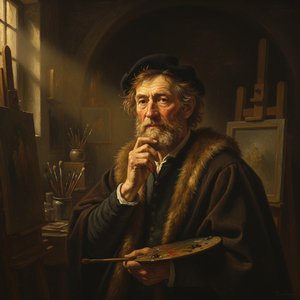
Rembrandt van Rijn: A Life Illuminated – Exploring the Master of Light, Shadow, and Human Emotion
Explore the life & art of Rembrandt van Rijn, master of light and shadow. Discover his iconic paintings, revolutionary techniques, and enduring legacy with ArtsDot – trusted experts in fine art reproductions since 2004.
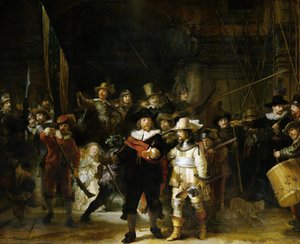
![La Lección de Anatomía del Dr. Nicolaes Tulp [1632]](/media/artworks/images-thumb/e5/fc/e5fcb33447eac6b24ab049b22effa1a3.jpg)