 Ver en contexto
 Enviar
 Compartir
 Detalles

 Descargar
 Similares
 Radiografía
 Presentación de diapositivas
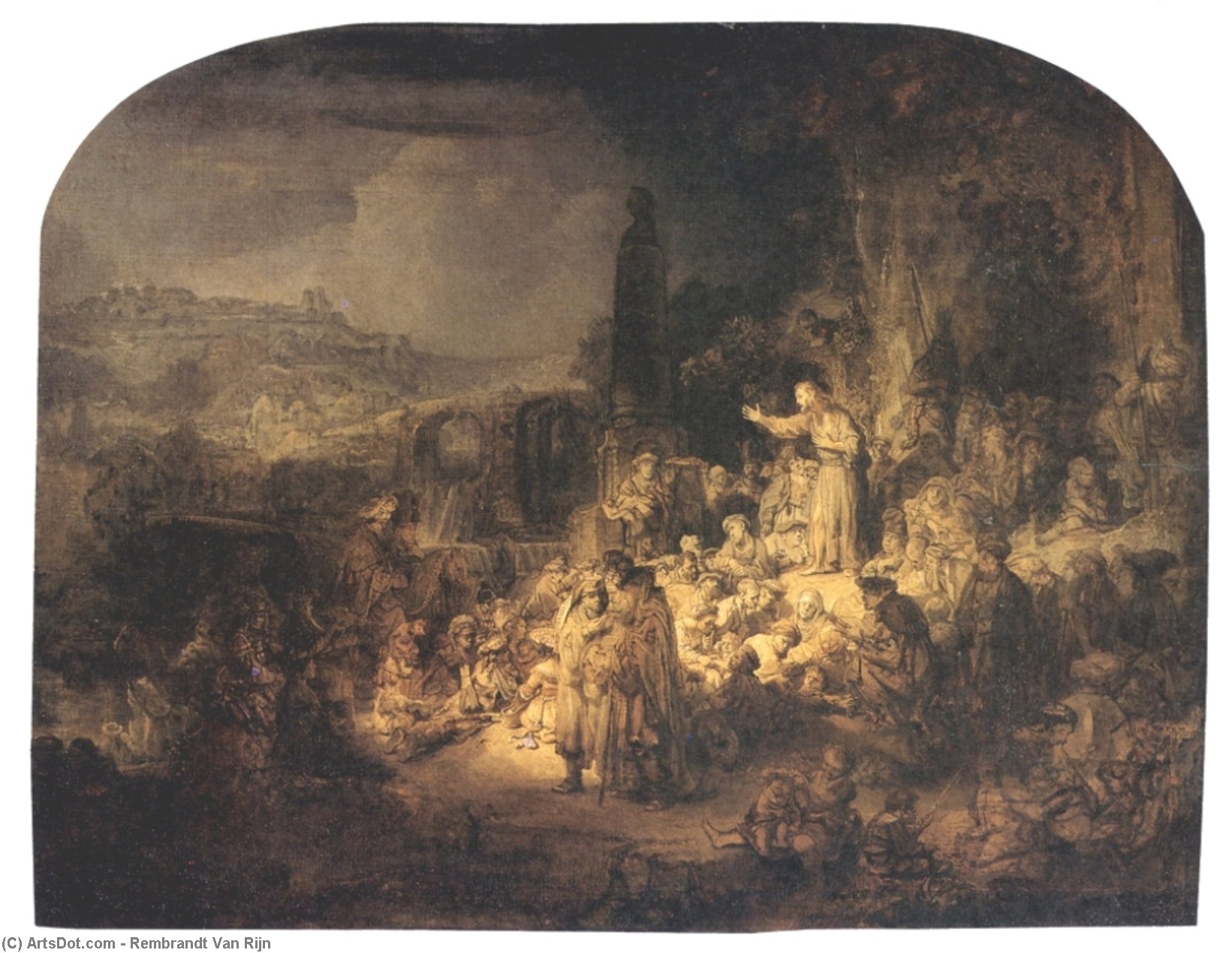
El Sermón de San Juan Bautista
 Acrílico sobre lienzo
- Arte de pared
- Baroque
 1634
1634- Renacimiento
 62.0 x 80.0 cm
 Ver más
Giclée / Impresión de arte
Impresiones giclée o en lienzo de calidad de museo con producción rápida y opciones de acabado flexibles. ( Comprar pintura hecha a mano Comprar imagen)




P118B $10

P118H $10

P118W $10

P438Z $10

P508JH $12

P508YH $12

P805H $10

P805Z $10

P919BZ $10

P919G $10

P919XJ $10

P959ZH $10

P968JZ $12

W106C $8

W218G $10

W218JH $8

W218Y $10

W307PJ $10

W316G $10

W316PJ $8

W316Y $10

W398PJ $8

W4111J $10

W500HY $15

W500JH $15

W692G $12

W849H $8

W940BG $15

W953PJ $8




Elija entre nuestros tamaños predefinidos que respetan las proporciones originales de la obra.

Puede introducir sus propias dimensiones para adaptarse a un marco o espacio específico. Si el tamaño seleccionado no coincide con las proporciones de la imagen original, recortaremos la obra de arte o extenderemos la imagen con un borde con efecto espejo o de color sólido. Se enviará una maqueta digital para su aprobación antes de que comience la producción.
Tenga en cuenta que la vista previa en pantalla no refleja el recorte o la extensión real. Solo la maqueta mostrará con precisión la composición final.
Aunque existen tamaños personalizados, recomendamos seleccionar una dimensión de la lista predefinida para preservar las proporciones originales.
Envío a todo el mundo () en 2 semanas en lugar de las 4/5 semanas estándar. (26 agosto)

Envío exprés gratuito a todo el mundo

Lienzo de lino de alta calidad

Seguro de envío total

Garantía de reembolso de impuestos aduaneros

Garantía de fidelidad cromática exacta

Política de devolución de 60 días (solo por defectos)

Garantía de devolución del 100% del dinero

Descuento por cantidad
 La opción de vidrio solo está disponible en tamaños inferiores a 110 cm.

El Sermón de San Juan Bautista
Giclée / Impresión de arte
Dimensiones de la reproducción
-


Precio total final
$ 62
Descripción de la pieza
St. John The Baptist Preaching: A Dialogue Between Light and Shadow
Rembrandt van Rijn’s *St. John The Baptist Preaching*, completed in 1634, stands as an emblem of the Dutch Golden Age's profound engagement with religious iconography—a testament to Rembrandt’s unparalleled ability to distill spiritual essence into visual form. Measuring 62 x 80 cm, this oil on canvas painting transcends mere depiction; it embodies a carefully orchestrated interplay of light and shadow that draws viewers into a contemplative meditation on faith and divine revelation. This monumental composition captures not only the biblical narrative but also the intellectual currents shaping seventeenth-century Europe, reflecting Rembrandt’s masterful understanding of human psychology and artistic innovation.Composition and Setting: Wilderness Reverie
The scene unfolds in an ethereal wilderness landscape—a stylized representation of the Jordan Valley—dominated by spindly trees and a hazy pinkish-yellow sky suggestive of twilight or dawn. This backdrop isn’t merely decorative; it serves as a crucial element in conveying the painting’s overarching mood of solemn contemplation. Rembrandt skillfully employs atmospheric perspective, diminishing colors and details as they recede into the distance, creating an illusion of depth that enhances the sense of solitude and spiritual yearning. The central figure of St. John stands prominently at the center of the canvas, radiating authority yet imbued with vulnerability—a deliberate juxtaposition reflecting the complexities inherent in prophetic ministry. He is positioned against a backdrop that emphasizes his isolation, mirroring the profound introspection demanded by his role as herald of Christ’s imminent arrival.The Figures: Narrative Tension
At the heart of the composition are two figures engaged in a dynamic dialogue. St. John, gesturing emphatically towards Jesus—who appears off-canvas to the left—delivers his sermon to a group of three rabbis who occupy the right side of the painting. Rembrandt’s masterful rendering captures the tension between faith and doubt, represented by the rabbi’s haughty gaze and posture – a challenge to St. John’s proclamation. The inclusion of a kneeling woman and a young child adds another layer of narrative richness, symbolizing humility and innocence amidst the grandeur of religious discourse. Each figure is meticulously crafted with painstaking attention to anatomical detail, demonstrating Rembrandt’s unwavering commitment to realism—a hallmark of his artistic style. The subtle gestures and expressions convey an emotional intensity that transcends mere representation, inviting viewers to contemplate the profound questions posed by faith and reason.Technique: Rembrandt's Signature Light
Rembrandt’s technique—characterized by dramatic chiaroscuro—is arguably the painting’s defining feature. He employs a masterful manipulation of light and shadow to sculpt form and imbue the scene with emotional intensity. The luminous glow emanating from St. John’s figure illuminates his face and torso, highlighting his spiritual conviction, while deep shadows envelop the landscape and the rabbis’ robes, emphasizing their earthly concerns. This technique isn’t merely stylistic; it serves as a conduit for conveying profound psychological depth—reflecting Rembrandt’s belief that art should illuminate the human condition. The subtle gradations of tone achieved through layering thin glazes of paint contribute to the painting’s luminous quality and heighten its visual impact. This masterful use of light—a technique perfected by Rembrandt—creates a palpable sense of drama, mirroring the spiritual struggle at play within the scene.Symbolism: Echoes of Biblical Narrative
Beyond its formal brilliance, *St. John The Baptist Preaching* resonates with symbolic significance rooted in Christian tradition. St. John represents repentance and baptism—the prelude to Jesus’ incarnation—while the rabbis embody Jewish skepticism and resistance to divine revelation. Rembrandt’s depiction underscores the importance of dialogue between faiths—a theme that aligns with the broader humanist spirit of the Dutch Golden Age. The painting’s serene landscape symbolizes the wilderness of spiritual contemplation, inviting viewers to contemplate the mysteries of faith and redemption. It speaks to a universal yearning for understanding and acceptance—a sentiment powerfully conveyed through Rembrandt’s masterful composition and luminous execution.- Provenance: Originally housed in Cardinal Scipione Borghese's collection
- Style: Baroque
- Medium: Oil on Canvas
- Dimensions: 62 x 80 cm
Obras relacionadas
Biografía del artista
Rembrandt van Rijn: Vida y Legado
Primeros Años y Educación (1606-1625)
- Rembrandt Harmenszoon van Rijn nació el 15 de julio de 1606 en Leiden, Países Bajos – un centro bullicioso durante la Edad Dorada de la República Holandesa.
- Su padre, Harmen Gerritszoon van Rijn, era molinero y su madre, Neeltgen Willemsdochter van Zuytbrouck, provenía de una familia de panaderos. Esto le proporcionó acceso a la educación en la Escuela Latina de Leiden.
- Alrededor de 1620, comenzó un aprendizaje con Jacob van Swanenburg en Leiden.
- Un período crucial de seis meses (1624) se pasó estudiando bajo Pieter Lastman en Ámsterdam, cuyo uso dramático de la luz y la sombra influyó profundamente en el trabajo temprano de Rembrandt.
- Al regresar a Leiden, estableció su propio estudio alrededor de 1625, compartiéndolo con el artista fellow Jan Lievens.
Carrera Temprana y Traslado a Ámsterdam (1625-1642)
- Rembrandt rápidamente ganó reconocimiento en Leiden por sus pinturas históricas y retratos.
- En 1629, se benefició del mecenazgo de Constantijn Huygens, asegurando encargos del tribunal de La Haya – un punto de inflexión en su carrera.
- Se trasladó a Ámsterdam en 1631, convirtiéndose en un pintor de retratos exitoso que atraía clientes adinerados.
- En 1634, se casó con Saskia van Uylenburgh, hija de un jurista y alcalde prominente, obteniendo influencia social e inicial estabilidad financiera.
Desarrollo Artístico y Estilo
- El desarrollo artístico de Rembrandt se caracterizó por una experimentación constante. Se alejó de las formas idealizadas hacia representaciones realistas y emocionalmente expresivas.
- Periodo Temprano (c. 1625-1635): Marcado por el realismo detallado e influencia de Lastman.
- Periodo Maduro (c. 1635-1650s): Caracterizado por un uso magistral del *claroscuro* – luz y sombra dramáticas que crean profundidad psicológica. Sus pinceladas se volvieron más sueltas, transmitiendo textura y emoción.
- Periodo Tardío (c. 1650s-1669): Un retorno a una paleta más sobria centrándose en retratos íntimos y escenas bíblicas que reflejan luchas personales y reflexiones espirituales.
Obras Maestras y Logros
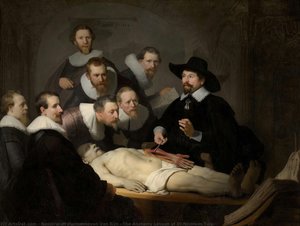
- La Lección de Anatomía del Dr. Nicolaes Tulp (1632): Retrato grupal innovador que muestra anatomía humana y personalidad.
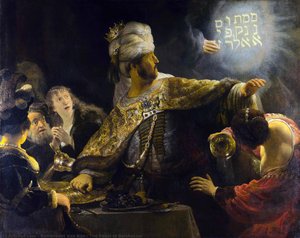
- La Cena de Belzabal (1635): Escena bíblica dramática que demuestra dominio de la luz, la sombra y la composición.
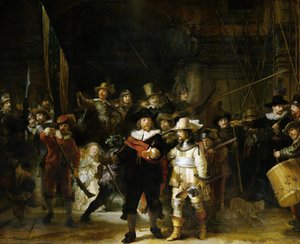
- La Guarda Nocturna (1642) – oficialmente Compañía Miliciana del Distrito II bajo el Comando del Capitán Frans Bannink Cocq: Un retrato grupal dinámico que redefine el género con una composición e iluminación innovadoras.
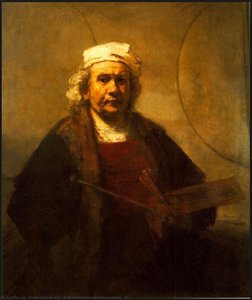
- Autorretratos: Aproximadamente 40 autorretratos que ofrecen un registro visual único de su proceso de envejecimiento y visión artística.
Influencias y Legado
- Maestros Italianos: Estudió obras de Tiziano, Caravaggio a través de grabados y reproducciones.
- Caravaggio: El uso dramático de la luz y la sombra impactó profundamente en su estilo.
- Artistas Holandeses y Flamencos: Influenciado por contemporáneos que trabajaban en la República Holandesa y Flandes.
- Rembrandt revolucionó el retrato, elevó el grabado a una forma de arte fina y exploró temas psicológicos profundos.
- A pesar de las tragedias personales y las dificultades financieras, su reputación perduró. Ahora se considera un pilar del arte holandés y un símbolo universal del genio artístico.
Significado Histórico
- La obra de Rembrandt refleja el espíritu de la Edad Dorada Holandesa – prosperidad económica, florecimiento intelectual e innovación artística.
- Capturó la esencia de esta época a través de retratos, escenas bíblicas que resonaban con los públicos y la exploración de emociones humanas universales.
- Su vida historia – marcada por el éxito y la adversidad – ha hecho de él una figura convincente en la historia del arte. Sigue siendo un símbolo perdurable de dedicación a la artesanía incluso frente a desafíos personales. El impacto de Rembrandt en las generaciones posteriores de artistas es inmensurable.
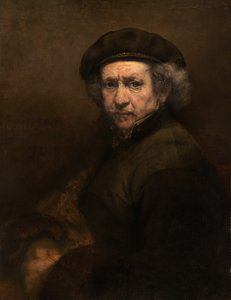
Rembrandt van Rijn
1606 - 1669 , Países Bajos
Datos clave
- Artistas Influenciados: Generaciones posteriores
- Artistas Que Influyeron:
- Pieter Lastman
- Caravaggio
- Maestros Italianos
- Fecha De Muerte: 1669
- Fecha De Nacimiento: 15 de julio de 1606
- Lugar De Nacimiento: Leiden, Países Bajos
- Movimiento Artístico: Barroco Holandés
- Nacionalidad: Holandés
- Nombre Completo: Rembrandt van Rijn
- Obras Notables:
- La Lección de Anatomía del Dr. Tulp
- Cena en Belzabal
- La Ronda de Noche
- Autorretratos
Artículos relacionados

Rembrandt van Rijn: Las 25 Obras Maestras que Definen un Genio | Arte, Historia y Decoración
Descubre las 25 obras maestras de Rembrandt van Rijn, el genio del barroco holandés. Explora su historia, técnica y simbolismo en retratos icónicos como 'La Ronda Nocturna'. Encuentra reproducciones de arte exclusivas para decorar tu hogar con ArtsDot.com.

Los 10 Maestros del Barroco Holandés: Obras que Definen una Época | ArtsDot
Descubre los 10 imprescindibles del Barroco holandés: Rembrandt, Vermeer y más. Explora la historia, técnica y belleza de estas obras maestras. Reproducciones de arte en ArtsDot.com para decorar tu hogar con elegancia.
Rembrandt van Rijn: A Life Illuminated – Exploring the Master of Light, Shadow, and Human Emotion
Explore the life & art of Rembrandt van Rijn, master of light and shadow. Discover his iconic paintings, revolutionary techniques, and enduring legacy with ArtsDot – trusted experts in fine art reproductions since 2004.
Rembrandt van Rijn: A Life Illuminated – Innovation, Emotion, and the Dutch Golden Age
Explore the life & art of Rembrandt van Rijn, a Dutch Golden Age master. Discover his innovative techniques, iconic paintings like 'The Night Watch', and enduring legacy. Expert insights for collectors & enthusiasts.
Las 10 Grabados Legendarios que Revolucionaron el Arte | ArtsDot
Descubre los 10 grabados legendarios que transformaron la historia del arte. Explora las obras maestras de Rembrandt, Goya y Dürer. Encuentra reproducciones de alta calidad e inspírate para decorar tu hogar con arte clásico en ArtsDot.com.
![La Lección de Anatomía del Dr. Nicolaes Tulp [1632]](/media/artworks/images-thumb/e5/fc/e5fcb33447eac6b24ab049b22effa1a3.jpg)