 Enviar
 Compartir
 Detalles

 Descargar
 Similares
 Presentación de diapositivas
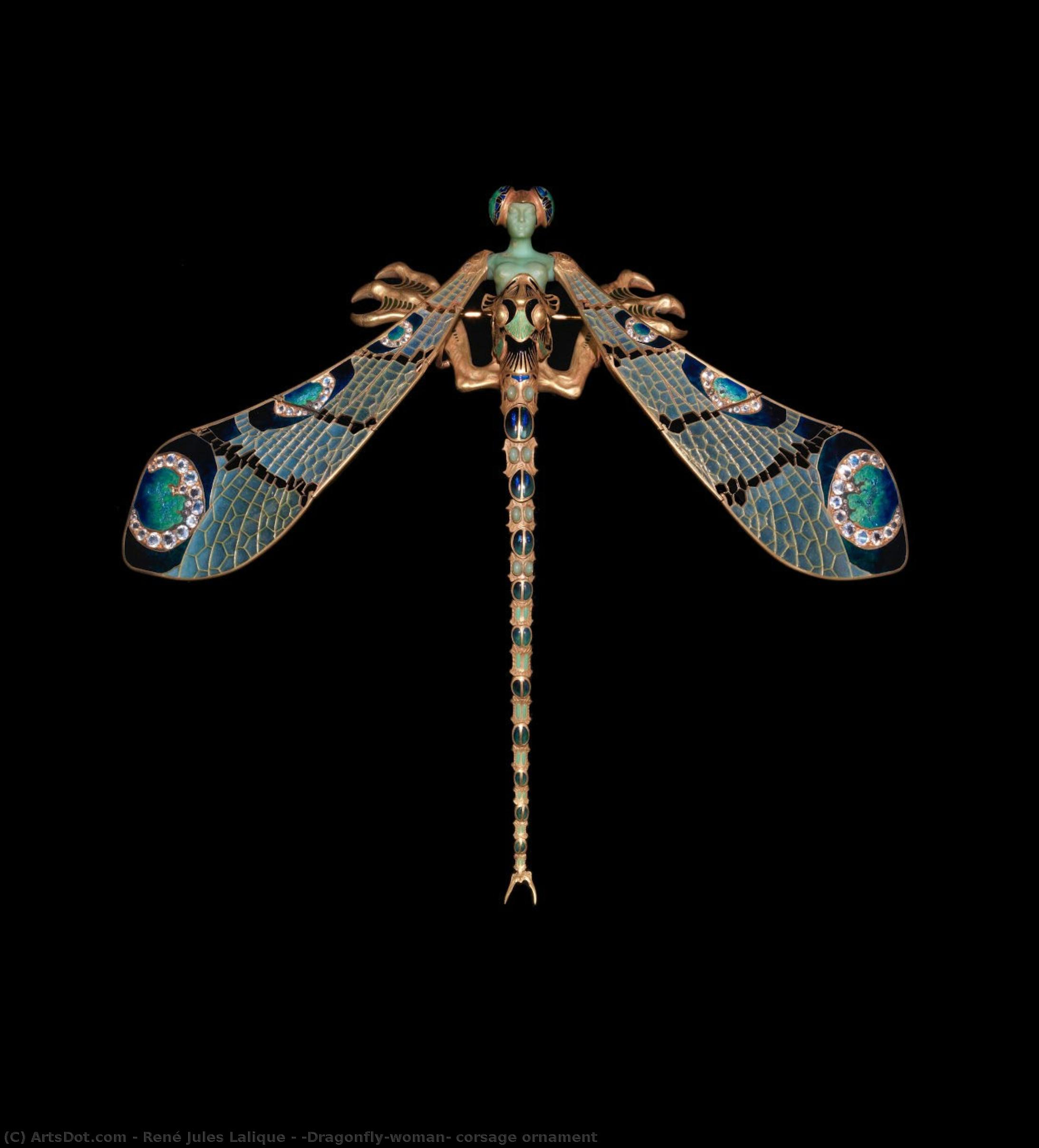
‘Dragonfly-woman’ corsage ornament


 Ver más
Reproducción al óleo hecha a mano
Óleo sobre lienzo pintado a mano en el tamaño y marco de su elección, realizado por encargo por nuestros artistas. ( Comprar impresión Comprar imagen)




































Elija entre nuestros tamaños predefinidos que respetan las proporciones originales de la obra.

Puede ingresar sus propias dimensiones para adaptarse a un marco o espacio específico. Si el tamaño seleccionado no coincide con las proporciones de la imagen original, recortaremos la obra o extenderemos la pintura con elementos adicionales pintados a mano. Se le enviará una maqueta digital para su aprobación antes de comenzar la producción.
Tenga en cuenta que la vista previa en pantalla no refleja el recorte o la extensión reales. Solo la maqueta mostrará con precisión la composición final.
Si bien existen tamaños personalizados, recomendamos seleccionar una dimensión de la lista predefinida para preservar las proporciones originales.
Tras realizar el pedido, el equipo de ArtsDot.com enviará un correo electrónico al cliente para solicitar instrucciones y proporcionarle una vista previa del boceto.
Envío a todo el mundo () en 3-4 semanas en lugar de las 5 semanas estándar. (25 agosto). Sin comprometer la calidad.

Envío exprés gratuito a todo el mundo

Lienzo de lino de alta calidad

Seguro de envío total

Garantía de reembolso de impuestos aduaneros

Garantía de fidelidad cromática exacta

Política de devolución de 60 días (solo por defectos)

Garantía de devolución del 100% del dinero

Descuento por cantidad
 La opción de vidrio solo está disponible en tamaños inferiores a 110 cm.

‘Dragonfly-woman’ corsage ornament
Técnica de reproducción
Dimensiones de la reproducción
-


Precio total final
$ 263
Descripción de la obra
A Symphony of Art Nouveau: Unveiling the ‘Dragonfly-woman’
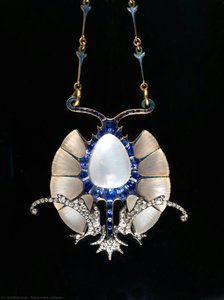
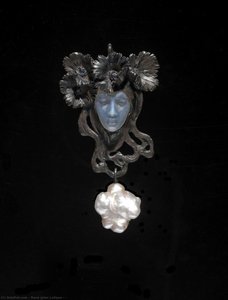
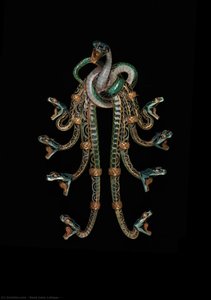
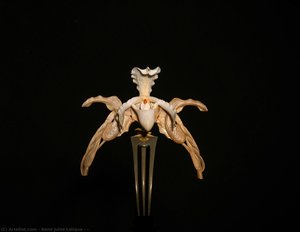
René Lalique’s “Dragonfly-woman” corsage ornament is not merely a piece of jewelry; it's an encapsulation of the Art Nouveau movement’s core tenets – a harmonious blend of nature, fantasy, and exquisite craftsmanship. Created around 1897-1898, this extraordinary brooch transcends its material components to become a potent symbol of duality, beauty, and the alluring power of transformation. Lalique, deeply influenced by his childhood memories of the French countryside and inspired by Japanese naturalism, sought to capture fleeting moments of organic life within his creations. The “Dragonfly-woman” embodies this ambition with breathtaking precision, presenting a captivating paradox that continues to resonate with viewers today.
The piece’s genesis lies in the burgeoning fascination with the exotic and the unconventional during the late 19th century. Lalique, operating at the forefront of Parisian artistic circles, skillfully navigated this landscape, forging a unique style characterized by flowing lines, intricate details, and an almost obsessive attention to natural forms. He rejected the rigid formality of earlier decorative styles, embracing instead a fluid aesthetic that mirrored the rhythms of nature itself. The “Dragonfly-woman” is a testament to this shift, representing a deliberate departure from traditional jewelry design and a bold assertion of artistic individuality.
A Hybrid Vision: Form and Symbolism
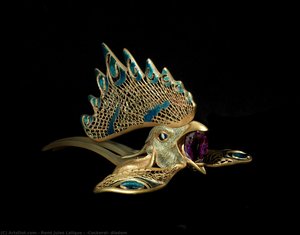
At first glance, the brooch presents a startling juxtaposition – an enormous gold and enamel dragonfly dominating the composition, its articulated wings spread in graceful motion. Emerging from the insect’s gaping mouth is a delicate female bust, adorned with a helmet embellished with beetle motifs. This deliberate merging of disparate elements—the predatory insect and the serene feminine figure—is central to the brooch's symbolic power. Lalique masterfully utilizes contrast to evoke a sense of tension and allure, suggesting a dynamic interplay between attraction and repulsion, life and death, beauty and danger.
The dragonfly itself is rich in symbolism. Traditionally associated with transformation, rebirth, and good fortune, it represents the cyclical nature of existence. The female bust, emerging from the insect’s maw, can be interpreted as a symbol of fertility, creation, and feminine power. The inclusion of moonstones and chalcedony within the figure further enhances this theme, evoking lunar cycles and the mysteries of the night. Even the choice of chrysoprase – a vibrant green gemstone – adds to the brooch's evocative quality, connecting it to nature’s vitality.
Craftsmanship & Materials: A Masterclass in Technique
The “Dragonfly-woman” is a remarkable feat of technical skill. Lalique employed a masterful combination of techniques—intricate enamel work, meticulous gemstone setting, and the skillful manipulation of gold—to achieve an unparalleled level of detail and luminosity. The enamel, particularly, is breathtaking in its vibrancy and precision, creating a shimmering surface that seems to shift and change with the light. The delicate application of diamonds further accentuates the brooch’s luxurious quality.
- Gold & Enamel: Provides the structural framework and rich color palette.
- Opaline Enamel: Used for the dragonfly's wings, creating a translucent effect that enhances their ethereal beauty.
- Diamonds: Strategically placed to catch and reflect light, adding sparkle and brilliance.
- Moonstones & Chalcedony: Employed as cabochons within the female bust, contributing to the brooch’s overall depth and visual interest.
The choice of materials themselves speaks volumes about Lalique's artistic vision. He deliberately eschewed traditional precious stones in favor of more affordable options, believing that their beauty lay not in their rarity but in their ability to capture the essence of nature. This commitment to accessibility and authenticity is a hallmark of his distinctive style.
A Legacy of Beauty: Context & Impact
The “Dragonfly-woman” was unveiled at the Paris Universal Exhibition in 1900, where it immediately captivated audiences with its audacious design and exquisite craftsmanship. It became an instant sensation, solidifying Lalique’s reputation as one of the leading artists of his time. The brooch's success underscored the growing popularity of Art Nouveau, which celebrated beauty, nature, and the decorative arts. It remains a powerful example of the movement’s influence on jewelry design, inspiring generations of artists and designers.
Today, the “Dragonfly-woman” stands as a testament to René Lalique's genius—a captivating work of art that continues to enchant viewers with its beauty, symbolism, and technical brilliance. Its enduring appeal lies in its ability to evoke a sense of wonder, mystery, and the timeless allure of nature’s embrace.
Biografía del artista
Primeros años y educación
René Jules Lalique, un renombrado joyero, medallista y diseñador de vidrio francés, nació el 6 de abril de 1860 en Aÿ, Francia. Su temprana vida estuvo dedicada al aprendizaje de las técnicas de diseño y arte que definirían su carrera posterior. A los dos años, su familia se mudó a las afueras de París, pero continuaron viajando a Aÿ durante las vacaciones de verano, lo cual influyó en el trabajo naturalista de Lalique en vidrio.
Carrera artística
Después de la muerte de su padre, Lalique comenzó su aprendizaje con el orfebre Louis Aucoc en París. Posteriormente estudió en la École des Arts Décoratifs y asistió a clases nocturnas en la Crystal Palace School of Art Sydenham, en Londres. Esta exposición a diversas disciplinas artísticas moldeó su estilo único.
- Lalique trabajó como diseñador independiente para varias firmas de joyería francesas, incluyendo Cartier y Boucheron, desde 1881.
- En 1890, abrió su propia tienda de joyería en el distrito de la Ópera de París, donde creó algunos de sus diseños más famosos.
- Su motivo principal era el mundo natural, con motivos como libélulas, orquídeas y pavos reales, elaborados utilizando una combinación de esmalte, gemas y materiales semipreciosos.
Obras notables y legado
Las creaciones de Lalique en arte del vidrio son sus obras más destacadas. Se hizo conocido por su estilo Art Déco en la década de 1920. Algunos de sus mecenas notables incluyen a Calouste Sarkis Gulbenkian, quien encargó más de 140 de sus obras.
- El trabajo de Lalique se puede encontrar en varios museos, incluido el Musée d'Orsay, que alberga una extensa colección de obras maestras impresionistas y postimpresionistas.
- Su hija, Suzanne Lalique, fue pintora y diseñadora de escenarios para la Comédie-Française.
- Su nieta, Marie Claude-Lalique (nacida en 1936), también fue fabricante de vidrio que falleció el 14 de abril de 2003 en Fort Myers, Florida.
Muerte y entierro
René Lalique murió el 1 o 5 de mayo de 1945 en París y fue enterrado en el cementerio Père Lachaise, en París, Francia. Su legado perdura a través de sus innovadoras creaciones y su influencia duradera en las artes decorativas.
Lalique es recordado como un visionario que fusionó la artesanía tradicional con una sensibilidad artística moderna.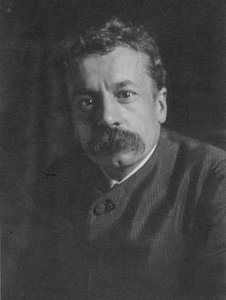
René Jules Lalique
1860 - 1945 , Francia
Datos clave
- Fecha De Fallecimiento: 1 o 5 de mayo de 1945
- Fecha De Nacimiento: 6 de abril de 1860
- Lugar De Nacimiento: Aÿ, Francia
- Movimiento Artístico: Art Nouveau y Art Déco
- Nacionalidad: Francés
- Nombre Completo: René Jules Lalique
- Obras Notables:
- Vaso St. Albert
- 'Cluny' Vaso
- Colgante con cadena
Artículos relacionados
Art Nouveau: 10 Obras Maestras que Definieron un Movimiento Revolucionario |
Descubre las 10 obras maestras del Art Nouveau que revolucionaron el arte. Explora la belleza de Mucha, Klimt y más. Reproducciones de museo en para un hogar con estilo. ¡Inspírate ahora!
La Línea Fluida y la Forma Floreciente: Explorando el Legado Estético del Art Nouveau
Descubre el legado del Art Nouveau: su historia, influencias y artistas clave como Van de Velde y Boccioni. Un análisis profundo de este movimiento estético revolucionario.
Alphonse Mucha: A Comprehensive Exploration of Art Nouveau's Master of Decorative Symbolism
Explore the life & art of Alphonse Mucha, master of Art Nouveau! Discover his iconic posters, stunning illustrations, and the monumental Slav Epic. A comprehensive guide for collectors & enthusiasts.
Raphael Kirchner: A Poetic Vision of Belle Époque Society Through Art Nouveau Lithography
Explore the captivating world of Raphael Kirchner, a master of Art Nouveau illustration during the Belle Époque. Discover his iconic 'Kirchner Girls,' pioneering pin-up art & lasting influence.
Edmund Dulac: A Master of Golden Age Illustration – Exploring Myth, Symbolism & Art Nouveau Legacy
Explore the captivating world of Edmund Dulac, a master of Golden Age illustration! Discover his enchanting fairy tales, Art Nouveau style, and lasting influence on art & design. Learn about *The Rubaiyat* and more.