 Ver en contexto
 Enviar
 Compartir
 Detalles

 Descargar
 Similares
 Radiografía
 Presentación de diapositivas
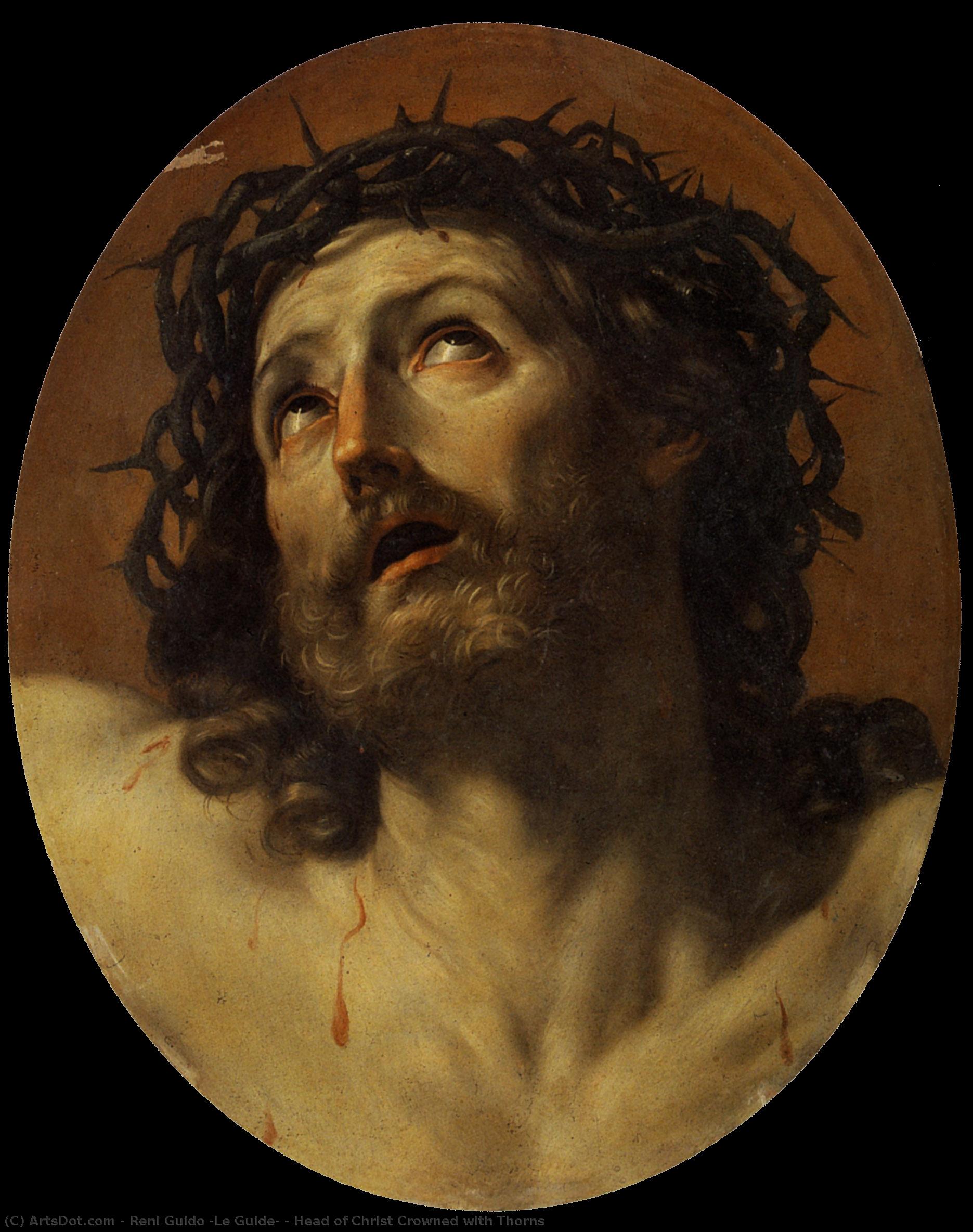
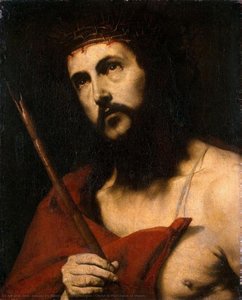
Head of Christ Crowned with Thorns
 Acrylic On Canvas
- WallArt
- Baroque
 1620
1620 50.0 x 40.0 cm
 Instituto de Artes de Detroit
 Ver más
Giclée / Impresión de arte
Impresiones giclée o en lienzo de calidad de museo con producción rápida y opciones de acabado flexibles. ( Comprar pintura hecha a mano Comprar imagen)




P118B $10

P118H $10

P118W $10

P438Z $10

P508JH $12

P508YH $12

P805H $10

P805Z $10

P919BZ $10

P919G $10

P919XJ $10

P959ZH $10

P968JZ $12

W106C $8

W218G $10

W218JH $8

W218Y $10

W307PJ $10

W316G $10

W316PJ $8

W316Y $10

W398PJ $8

W4111J $10

W500HY $15

W500JH $15

W692G $12

W849H $8

W940BG $15

W953PJ $8




Elija entre nuestros tamaños predefinidos que respetan las proporciones originales de la obra.

Puede introducir sus propias dimensiones para adaptarse a un marco o espacio específico. Si el tamaño seleccionado no coincide con las proporciones de la imagen original, recortaremos la obra de arte o extenderemos la imagen con un borde con efecto espejo o de color sólido. Se enviará una maqueta digital para su aprobación antes de que comience la producción.
Tenga en cuenta que la vista previa en pantalla no refleja el recorte o la extensión real. Solo la maqueta mostrará con precisión la composición final.
Aunque existen tamaños personalizados, recomendamos seleccionar una dimensión de la lista predefinida para preservar las proporciones originales.
Envío a todo el mundo () en 2 semanas en lugar de las 4/5 semanas estándar. (23 agosto)

Envío exprés gratuito a todo el mundo

Lienzo de lino de alta calidad

Seguro de envío total

Garantía de reembolso de impuestos aduaneros

Garantía de fidelidad cromática exacta

Política de devolución de 60 días (solo por defectos)

Garantía de devolución del 100% del dinero

Descuento por cantidad
 La opción de vidrio solo está disponible en tamaños inferiores a 110 cm.

Head of Christ Crowned with Thorns
Giclée / Impresión de arte
Dimensiones de la reproducción
-


Precio total final
$ 62
Descripción de la pieza
The Weight of Thorns: Guido Reni’s ‘Head of Christ Crowned with Thorns’
Guido Reni's “Head of Christ Crowned with Thorns,” painted around 1620, isn’t merely a depiction of a biblical event; it’s a profound meditation on suffering, sacrifice, and the very essence of humanity’s fall. This arresting portrait, housed within the National Gallery in London, transcends its relatively modest size (50 x 40 cm) to deliver an experience of intense emotional resonance – a testament to Reni's mastery of Baroque sensibilities and his ability to imbue even a single figure with monumental weight.
The painting immediately draws the eye to Christ’s face, rendered with startling realism. His eyes are wide open, not in triumph or serenity, but with an almost unbearable awareness – a gaze that seems to pierce through the viewer and directly into the heart of the scene. The thorns themselves, meticulously detailed yet subtly softened, create a halo effect around his head, transforming the instrument of torture into a symbol of divine suffering. Reni’s use of light is particularly effective; it doesn't illuminate the entire figure evenly but instead pools in Christ’s face and hands, emphasizing their vulnerability and drawing attention to the raw emotion etched upon them.
A Masterclass in Baroque Composition
Reni’s style is distinctly Baroque – a blend of classical restraint with dramatic intensity. He skillfully employs pyramidal composition, anchoring the central figure of Christ within a carefully constructed framework of supporting figures. These aren't merely decorative elements; each individual contributes to the overall narrative, hinting at the complex layers of meaning embedded within the scene. The placement of the onlookers—a mix of soldiers and civilians—adds a sense of immediacy and invites the viewer to contemplate the diverse reactions to Christ’s suffering.
Technically, Reni demonstrates remarkable control. His brushwork is smooth and polished, creating an illusion of depth and texture that brings the painting to life. The subtle gradations of color – from the deep shadows enveloping Christ's face to the brighter tones illuminating his hands – contribute to the overall sense of realism and drama. The choice of a copper panel for this work speaks volumes about Reni’s commitment to capturing the nuances of light and shadow, a technique favored by Renaissance masters.
Historical Context and Symbolism
Created during the Counter-Reformation, “Head of Christ Crowned with Thorns” reflects the era's intense focus on religious iconography. The image powerfully communicates the Passion narrative – the events leading up to Jesus’ crucifixion – in a way that is both visually arresting and emotionally compelling. Beyond its immediate biblical reference, the painting engages with broader themes of sin, redemption, and human nature. The thorns themselves are laden with symbolic weight, representing not only the physical pain endured by Christ but also the consequences of humanity's original transgression.
Interestingly, Reni’s composition subtly echoes earlier depictions of the same subject, particularly Bosch’s “Christ Mocked.” While retaining the core elements of the scene – the mocking soldiers and the crowned Christ – Reni introduces a degree of restraint and psychological complexity that distinguishes his work. The faces of the onlookers are not overtly violent or aggressive; instead, they convey a mixture of pity, confusion, and perhaps even a hint of recognition of the profound tragedy unfolding before them.
A Timeless Portrait of Suffering
“Head of Christ Crowned with Thorns” remains a profoundly moving work of art. It’s not simply a historical record or a religious illustration; it's an exploration of human emotion, faith, and the enduring power of suffering. Reni’s masterful technique, combined with his profound understanding of symbolism, creates a portrait that continues to resonate with viewers centuries after its creation. Whether viewed in person or reproduced, this painting offers a powerful reminder of the sacrifices made for humanity and the enduring legacy of Christ's compassion.
Obras relacionadas


Biografía del artista
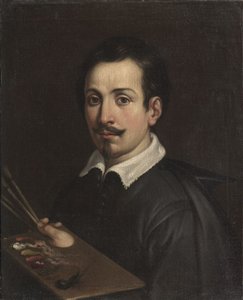
Guido Reni (Le Guide): Vida y Legado
Primeros Años y Formación
Guido Reni, también conocido como Le Guide, nació en Bolonia, Italia, en 1575. Era el único hijo de Daniele Reni, músico, y Ginevra Pozzi, también de una familia musical. Esta crianza le inculcó un aprecio por la armonía y la forma que influirían más tarde en su estilo artístico. A temprana edad de nueve años, Guido comenzó su aprendizaje con Denis Calvaert, un pintor flamenco trabajando en Bolonia. Estudió junto a otros aspirantes a artistas, Albani y Domenichino, formando una sólida base en los principios clásicos.
Carrera Artística y Desarrollo
La carrera artística de Reni abarcó varias ciudades italianas, incluyendo Roma, Nápoles y su ciudad natal, Bolonia. Su obra temprana mostró la influencia de Calvaert y los hermanos Carracci, enfatizando la precisión anatómica y la composición dramática. Sin embargo, Reni rápidamente desarrolló un estilo distintivo caracterizado por su elegante clasicismo, técnica refinada e intensidad emocional. Se convirtió en una figura dominante en la Escuela Bologuesa, conocida por su énfasis en la formación académica y las formas idealizadas.
Influencias Clave
- Denis Calvaert: El primer maestro de Reni le proporcionó una sólida base en las técnicas de la pintura flamenca.
- La Familia Carracci (Annibale, Agostino, Ludovico): Su énfasis en el arte clásico y el estudio anatómico impactaron profundamente su desarrollo artístico.
- Rafael: Reni admiraba enormemente la gracia y las composiciones armoniosas de Rafael, que se evidencian en muchas de sus obras.
Obras Maestras y Estilo Artístico
El *oeuvre* de Reni abarca una amplia gama de temas, incluyendo escenas religiosas, narrativas mitológicas y representaciones alegóricas. Algunas de sus obras más celebradas incluyen:
- Apolo en el Carruaje del Sol (Albertina, Viena): Un dibujo dinámico que muestra la maestría de Reni en el estilo barroco.
- San Santiago el Mayor: Demuestra su habilidad para capturar el fervor religioso y las emociones humanas.
- Atalanta y Hipoménes (Palacio de Capodimonte, Nápoles): Un ejemplo de sus pinturas mitológicas, caracterizadas por figuras gráciles y narraciones dramáticas.
- San Jerónimo: Es un testimonio de la capacidad de Reni para equilibrar la composición con la profundidad emocional.
- Tarantella (Palacio de Capodimonte, Nápoles): Ilustra su influencia en la cultura del baile italiano popular.
El estilo de Reni a menudo se describe como clasicismo ecléctico. Combinó la precisión del arte clásico con el dinamismo y la emoción del período barroco. Sus figuras son típicamente idealizadas, poseyendo una belleza serena y un movimiento elegante.
Significado Histórico y Legado
Guido Reni jugó un papel crucial en la configuración del desarrollo del estilo barroco alto en Italia. Influyó a generaciones de artistas con su técnica refinada, composiciones elegantes e intensidad emocional. Su obra se encuentra en importantes museos de todo el mundo, incluyendo el Palacio de Capodimonte en Nápoles. El legado de Reni se extiende más allá de la pintura; también fue un poeta e influyente figura intelectual en su tiempo.
Su arte continúa inspirando a artistas y entusiastas del arte hoy en día, consolidando su lugar como uno de los pintores más importantes del siglo XVII. Su influencia se puede ver en artistas barrocos posteriores que buscaron emular su gracia y poder emocional.
Fallecimiento
Guido Reni murió en Bolonia en 1642, dejando atrás un rico legado artístico que sigue cautivando al público siglos después.
reni guido (le guide)
1575 - 1642 , Italia
Datos clave
- Artistic Movement Or Style: Barroco italiano
- Artists Who Influenced This Artist:
- Denis Calvaert
- La Familia Carracci
- Rafael
- Date Of Birth: 1575
- Full Name: Guido Reni (Le Guide)
- Nationality: Italian
- Notable Artworks:
- Apolo en el Carruaje del Sol
- San Santiago el Mayor
- Atalanta y Hippomenes
- Saint Jerome
- Tarantella
- Place Of Birth: Bolonia, Italia
Artículos relacionados
Guido Reni: A Study in Baroque Classicism & Artistic Perfection
Explore the life & work of Guido Reni, a master of Baroque classicism. Discover his iconic religious & mythological paintings, and understand his enduring influence on art history. Expert analysis for collectors.

The Dramatic Flourish: Exploring the Baroque Movement's Enduring Legacy in Art History
Explore the dramatic world of Baroque art! Discover iconic artists like Caravaggio & Rubens, defining techniques, and its lasting impact on art history. Expert insights for collectors & enthusiasts at ArtsDot.

Drama Barroca: Llevando la Grandeza y la Emoción a los Interiores Contemporáneos
Descubre cómo el drama y la grandeza del arte barroco pueden transformar tus interiores. Guía experta, inspiración y reproducciones de alta calidad en .

Barroco Sublime: 10 Obras Maestras que Definieron una Época |
Descubre las 10 obras maestras del Barroco que marcaron una época. Caravaggio, Bernini y Velázquez cobran vida en . Reproducciones de arte de calidad museo para decorar tu hogar con elegancia. ¡Explora la colección online!

The Visceral Stage: Exploring Dramatic Narratives & Emotional Intensity in Baroque Art
Explore the dramatic world of Baroque art! Discover iconic masters like Caravaggio & Rembrandt, their techniques, and the movement's lasting impact. Expert insights for collectors & enthusiasts at ArtsDot.