 Ver en contexto
 Enviar
 Compartir
 Detalles

 Descargar
 Similares
 Radiografía
 Presentación de diapositivas
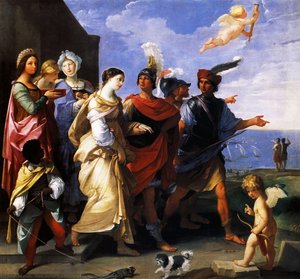
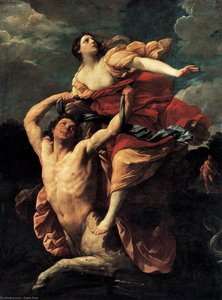
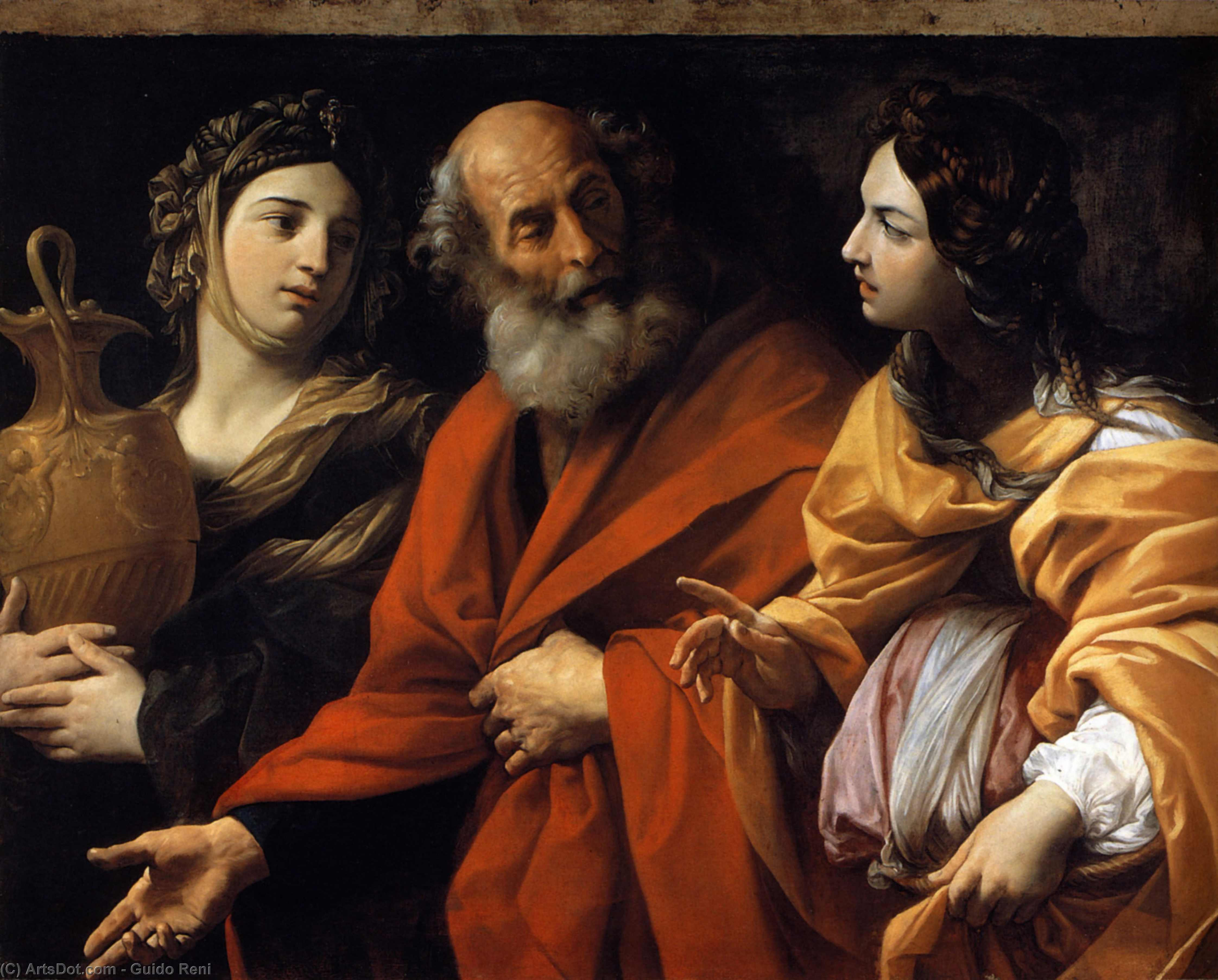
Loth and her daughters fleeing Sodome
 Oil On Canvas
- WallArt
- Baroque
 1616
1616- Early Modern
 111.0 x 149.0 cm
 Ver más
Giclée / Impresión de arte
Impresiones giclée o en lienzo de calidad de museo con producción rápida y opciones de acabado flexibles. ( Comprar pintura hecha a mano Comprar imagen)




P118B $10

P118H $10

P118W $10

P438Z $10

P508JH $12

P508YH $12

P805H $10

P805Z $10

P919BZ $10

P919G $10

P919XJ $10

P959ZH $10

P968JZ $12

W106C $8

W218G $10

W218JH $8

W218Y $10

W307PJ $10

W316G $10

W316PJ $8

W316Y $10

W398PJ $8

W4111J $10

W500HY $15

W500JH $15

W692G $12

W849H $8

W940BG $15

W953PJ $8




Elija entre nuestros tamaños predefinidos que respetan las proporciones originales de la obra.

Puede introducir sus propias dimensiones para adaptarse a un marco o espacio específico. Si el tamaño seleccionado no coincide con las proporciones de la imagen original, recortaremos la obra de arte o extenderemos la imagen con un borde con efecto espejo o de color sólido. Se enviará una maqueta digital para su aprobación antes de que comience la producción.
Tenga en cuenta que la vista previa en pantalla no refleja el recorte o la extensión real. Solo la maqueta mostrará con precisión la composición final.
Aunque existen tamaños personalizados, recomendamos seleccionar una dimensión de la lista predefinida para preservar las proporciones originales.
Envío a todo el mundo () en 2 semanas en lugar de las 4/5 semanas estándar. (26 agosto)

Envío exprés gratuito a todo el mundo

Lienzo de lino de alta calidad

Seguro de envío total

Garantía de reembolso de impuestos aduaneros

Garantía de fidelidad cromática exacta

Política de devolución de 60 días (solo por defectos)

Garantía de devolución del 100% del dinero

Descuento por cantidad
 La opción de vidrio solo está disponible en tamaños inferiores a 110 cm.

Loth and her daughters fleeing Sodome
Giclée / Impresión de arte
Dimensiones de la reproducción
-


Precio total final
$ 62
Descripción de la pieza
A Dramatic Encounter in Oil: The Mastery of Guido Reni
In the grand tradition of the Italian Baroque, few works capture the tension between human emotion and divine narrative as poignantly as Guido Reni’s Loth and her daughters fleeing Sodome. Painted in 1616, this masterpiece serves as a profound window into an era defined by theatricality and spiritual depth. The composition is anchored by a striking triangular arrangement that guides the viewer's eye through a landscape of shadow and light. At the heart of the piece, we encounter a cast of figures caught in a moment of profound transition: an elder man with a flowing white beard, whose presence evokes the weight of history, alongside women whose expressions range from solemnity to a haunting, direct engagement with the spectator. The painting does not merely depict a biblical event; it invites us into a psychological drama where every glance and gesture carries the weight of destiny.
The technical brilliance of this work lies in Reni’s masterful application of chiaroscuro. By employing sharp contrasts between deep, velvety shadows and warm, golden highlights, the artist breathes life into the canvas, creating a sense of three-dimensional volume that feels almost tactile. The light does not merely illuminate; it sculpts the figures, catching the intricate textures of the elder man’s beard and the soft folds of the women's garments. This interplay of light and dark—a hallmark of the Bolognese school—creates an atmosphere of mystery and urgency. Through meticulous brushwork, Reni achieves a refined texture that balances the smoothness of skin with the ruggedness of aged fabric, ensuring that the painting possesses a sensory richness that captivates the eye long after the first viewing.
Symbolism and the Elegance of Classical Form
Beyond its visual splendor, the artwork is steeped in symbolic resonance. The presence of a vessel or vase within the composition serves as more than a mere still-life element; it acts as a symbol of offering, sustenance, or perhaps the fragile nature of life itself during a period of flight and upheaval. Reni, often celebrated for his elegant classicism, weaves together the raw emotion of the Baroque with the balanced proportions of the Renaissance. The organic shapes of the human forms are rendered with anatomical precision, yet they are imbued with an idealized grace that elevates the scene from a historical anecdote to a timeless meditation on betrayal, survival, and the complexities of the human spirit.
For the discerning collector or interior designer, this reproduction offers more than just a decorative element; it provides a focal point of intellectual and aesthetic depth. The painting’s ability to command a room through its dramatic lighting and narrative complexity makes it an ideal centerpiece for spaces that value sophistication and historical gravity. Whether placed in a curated gallery setting or as a soulful addition to a classical study, Reni’s work continues to inspire awe, offering a window into the golden age of Italian painting where every shadow tells a story and every light reveals a truth.
Obras relacionadas

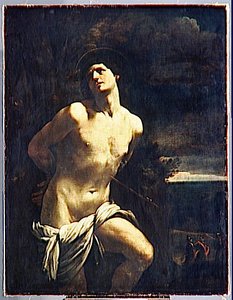
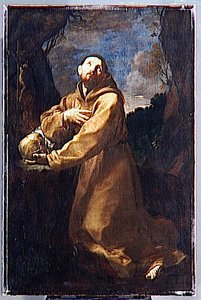
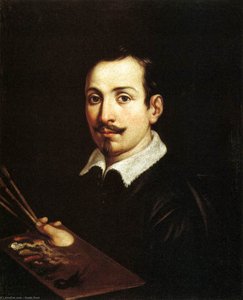
Biografía del artista
Guido Reni (Le Guide): Vida y Legado
Primeros Años y Formación
Guido Reni, también conocido como Le Guide, nació en Bolonia, Italia, en 1575. Era el único hijo de Daniele Reni, músico, y Ginevra Pozzi, también de una familia musical. Esta crianza le inculcó un aprecio por la armonía y la forma que influirían más tarde en su estilo artístico. A temprana edad de nueve años, Guido comenzó su aprendizaje con Denis Calvaert, un pintor flamenco trabajando en Bolonia. Estudió junto a otros aspirantes a artistas, Albani y Domenichino, formando una sólida base en los principios clásicos.
Carrera Artística y Desarrollo
La carrera artística de Reni abarcó varias ciudades italianas, incluyendo Roma, Nápoles y su ciudad natal, Bolonia. Su obra temprana mostró la influencia de Calvaert y los hermanos Carracci, enfatizando la precisión anatómica y la composición dramática. Sin embargo, Reni rápidamente desarrolló un estilo distintivo caracterizado por su elegante clasicismo, técnica refinada e intensidad emocional. Se convirtió en una figura dominante en la Escuela Bologuesa, conocida por su énfasis en la formación académica y las formas idealizadas.
Influencias Clave
- Denis Calvaert: El primer maestro de Reni le proporcionó una sólida base en las técnicas de la pintura flamenca.
- La Familia Carracci (Annibale, Agostino, Ludovico): Su énfasis en el arte clásico y el estudio anatómico impactaron profundamente su desarrollo artístico.
- Rafael: Reni admiraba enormemente la gracia y las composiciones armoniosas de Rafael, que se evidencian en muchas de sus obras.
Obras Maestras y Estilo Artístico
El *oeuvre* de Reni abarca una amplia gama de temas, incluyendo escenas religiosas, narrativas mitológicas y representaciones alegóricas. Algunas de sus obras más celebradas incluyen:
- Apolo en el Carruaje del Sol (Albertina, Viena): Un dibujo dinámico que muestra la maestría de Reni en el estilo barroco.
- San Santiago el Mayor: Demuestra su habilidad para capturar el fervor religioso y las emociones humanas.
- Atalanta y Hipoménes (Palacio de Capodimonte, Nápoles): Un ejemplo de sus pinturas mitológicas, caracterizadas por figuras gráciles y narraciones dramáticas.
- San Jerónimo: Es un testimonio de la capacidad de Reni para equilibrar la composición con la profundidad emocional.
- Tarantella (Palacio de Capodimonte, Nápoles): Ilustra su influencia en la cultura del baile italiano popular.
El estilo de Reni a menudo se describe como clasicismo ecléctico. Combinó la precisión del arte clásico con el dinamismo y la emoción del período barroco. Sus figuras son típicamente idealizadas, poseyendo una belleza serena y un movimiento elegante.
Significado Histórico y Legado
Guido Reni jugó un papel crucial en la configuración del desarrollo del estilo barroco alto en Italia. Influyó a generaciones de artistas con su técnica refinada, composiciones elegantes e intensidad emocional. Su obra se encuentra en importantes museos de todo el mundo, incluyendo el Palacio de Capodimonte en Nápoles. El legado de Reni se extiende más allá de la pintura; también fue un poeta e influyente figura intelectual en su tiempo.
Su arte continúa inspirando a artistas y entusiastas del arte hoy en día, consolidando su lugar como uno de los pintores más importantes del siglo XVII. Su influencia se puede ver en artistas barrocos posteriores que buscaron emular su gracia y poder emocional.
Fallecimiento
Guido Reni murió en Bolonia en 1642, dejando atrás un rico legado artístico que sigue cautivando al público siglos después.
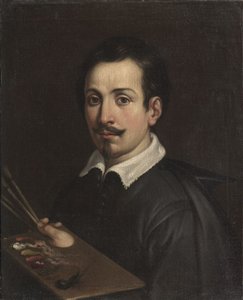
reni guido (le guide)
1575 - 1642 , Italia
Datos clave
- Artistic Movement Or Style: Barroco italiano
- Artists Who Influenced This Artist:
- Denis Calvaert
- La Familia Carracci
- Rafael
- Date Of Birth: 1575
- Full Name: Guido Reni (Le Guide)
- Nationality: Italian
- Notable Artworks:
- Apolo en el Carruaje del Sol
- San Santiago el Mayor
- Atalanta y Hippomenes
- Saint Jerome
- Tarantella
- Place Of Birth: Bolonia, Italia
Artículos relacionados
Guido Reni: A Study in Baroque Classicism & Artistic Perfection
Explore the life & work of Guido Reni, a master of Baroque classicism. Discover his iconic religious & mythological paintings, and understand his enduring influence on art history. Expert analysis for collectors.

The Dramatic Flourish: Exploring the Baroque Movement's Enduring Legacy in Art History
Explore the dramatic world of Baroque art! Discover iconic artists like Caravaggio & Rubens, defining techniques, and its lasting impact on art history. Expert insights for collectors & enthusiasts at ArtsDot.

Drama Barroca: Llevando la Grandeza y la Emoción a los Interiores Contemporáneos
Descubre cómo el drama y la grandeza del arte barroco pueden transformar tus interiores. Guía experta, inspiración y reproducciones de alta calidad en .

Barroco Sublime: 10 Obras Maestras que Definieron una Época |
Descubre las 10 obras maestras del Barroco que marcaron una época. Caravaggio, Bernini y Velázquez cobran vida en . Reproducciones de arte de calidad museo para decorar tu hogar con elegancia. ¡Explora la colección online!

The Visceral Stage: Exploring Dramatic Narratives & Emotional Intensity in Baroque Art
Explore the dramatic world of Baroque art! Discover iconic masters like Caravaggio & Rembrandt, their techniques, and the movement's lasting impact. Expert insights for collectors & enthusiasts at ArtsDot.