 Ver en contexto
 Enviar
 Compartir
 Detalles

 Descargar
 Similares
 Radiografía
 Presentación de diapositivas
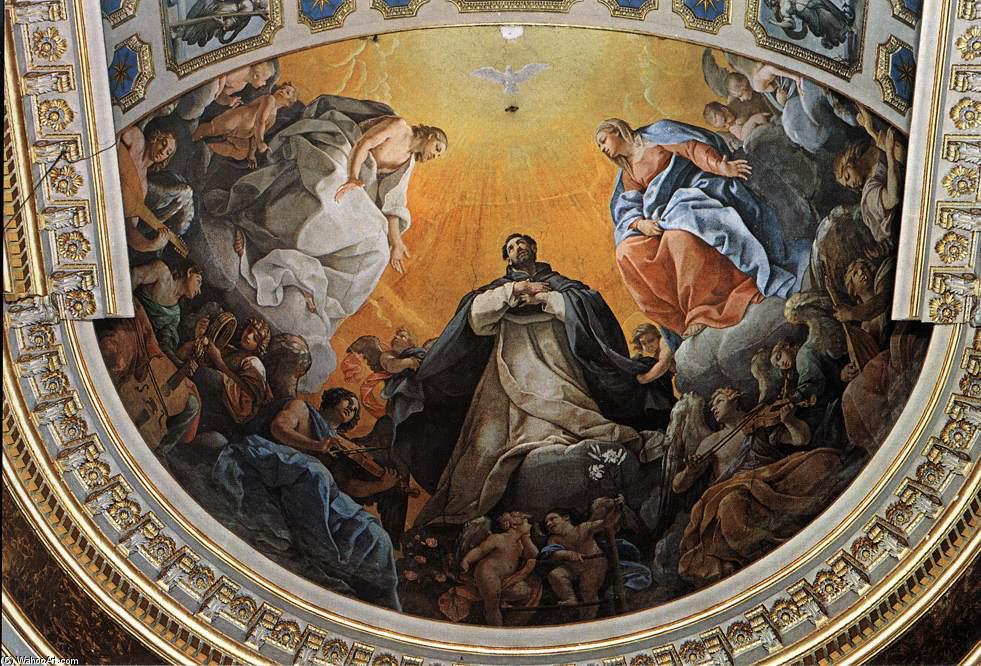
The Glory of St Dominic


 Ver más
Giclée / Impresión de arte
Impresiones giclée o en lienzo de calidad de museo con producción rápida y opciones de acabado flexibles. ( Comprar pintura hecha a mano Comprar imagen)




P118B $10

P118H $10

P118W $10

P438Z $10

P508JH $12

P508YH $12

P805H $10

P805Z $10

P919BZ $10

P919G $10

P919XJ $10

P959ZH $10

P968JZ $12

W106C $8

W218G $10

W218JH $8

W218Y $10

W307PJ $10

W316G $10

W316PJ $8

W316Y $10

W398PJ $8

W4111J $10

W500HY $15

W500JH $15

W692G $12

W849H $8

W940BG $15

W953PJ $8




Elija entre nuestros tamaños predefinidos que respetan las proporciones originales de la obra.

Puede introducir sus propias dimensiones para adaptarse a un marco o espacio específico. Si el tamaño seleccionado no coincide con las proporciones de la imagen original, recortaremos la obra de arte o extenderemos la imagen con un borde con efecto espejo o de color sólido. Se enviará una maqueta digital para su aprobación antes de que comience la producción.
Tenga en cuenta que la vista previa en pantalla no refleja el recorte o la extensión real. Solo la maqueta mostrará con precisión la composición final.
Aunque existen tamaños personalizados, recomendamos seleccionar una dimensión de la lista predefinida para preservar las proporciones originales.
Envío a todo el mundo () en 2 semanas en lugar de las 4/5 semanas estándar. (29 agosto)

Envío exprés gratuito a todo el mundo

Lienzo de lino de alta calidad

Seguro de envío total

Garantía de reembolso de impuestos aduaneros

Garantía de fidelidad cromática exacta

Política de devolución de 60 días (solo por defectos)

Garantía de devolución del 100% del dinero

Descuento por cantidad
 La opción de vidrio solo está disponible en tamaños inferiores a 110 cm.

The Glory of St Dominic
Giclée / Impresión de arte
Dimensiones de la reproducción
-


Precio total final
$ 62
The Glory of St Dominic: A Renaissance Vision
Guido Reni’s “The Glory of St Dominic,” painted in 1613, stands as a monumental testament to the fervent religious spirit and artistic mastery of the early 17th century. This large-scale fresco, depicting the veneration of Saint Dominic – founder of the Dominican Order – is more than just a devotional image; it’s a carefully constructed narrative brimming with symbolism and executed with breathtaking technical skill. The painting's power resides in its dynamic composition, the luminous quality of its figures, and the palpable sense of divine presence that permeates the scene.
- Subject Matter: At the heart of the fresco is Jesus Christ, presented as the central figure of salvation, surrounded by a celestial host of angels and saints. The inclusion of St. Dominic himself, prominently positioned near Christ, underscores his pivotal role in establishing the Dominican Order, dedicated to preaching and combating heresy.
- Composition & Style: Reni’s style exemplifies the elegant classicism that was gaining prominence during this period, drawing inspiration from both classical antiquity and the work of the Carracci brothers. The circular arrangement of figures creates a sense of unity and emphasizes the divine nature of the event. Note the deliberate use of perspective to draw the viewer into the scene, enhancing the illusion of depth and grandeur.
- Technique: Executed as a fresco – meaning painted directly onto wet plaster – “The Glory of St Dominic” demonstrates Reni’s mastery of this demanding technique. The vibrant colors, achieved through pigments mixed with water, have remarkably endured over the centuries, offering a tangible connection to the artist's studio and his meticulous process.
Historical Context & Patronage
Painted in 1613, “The Glory of St Dominic” reflects the religious fervor of the Counter-Reformation. The Catholic Church was actively seeking ways to reaffirm its authority and inspire faith after the challenges posed by the Protestant Reformation. Frescoes like this one were commissioned for churches and chapels as powerful visual tools to communicate religious doctrine and foster devotion. Reni’s work was likely commissioned by a wealthy Dominican order or a prominent patron within Bologna, reflecting the city's significant role in the Catholic Church.
- The Dominican Order: St. Dominic’s legacy as a reformer and preacher is central to the painting’s significance. The Dominican Order, founded by him, became known for its commitment to intellectual rigor, missionary work, and combating heresy – values powerfully represented in this artwork.
- Renaissance Humanism: While deeply religious, Reni's work also reflects the influence of Renaissance humanism, particularly in his attention to anatomical accuracy and the portrayal of figures with a sense of dignity and emotion. This blend of classical ideals and Christian faith is characteristic of the era.
Symbolism & Emotional Impact
Beyond its religious subject matter, “The Glory of St Dominic” is rich in symbolic meaning. The presence of the bird soaring above the figures suggests aspiration towards heaven and divine grace. The carefully arranged gestures and expressions of the saints convey a sense of reverence, devotion, and spiritual ecstasy. Reni’s ability to evoke these emotions through his masterful use of color, light, and composition is what elevates this fresco beyond mere decoration – it's a profound meditation on faith, salvation, and the glory of God.
- Color Palette: The predominantly warm tones—ochres, reds, and golds—evoke a sense of warmth, divinity, and spiritual illumination. These colors were traditionally associated with holiness and used to create an atmosphere of reverence.
- Emotional Resonance: Reni’s figures are not simply static representations; they appear to be caught in moments of intense emotion – awe, devotion, and perhaps even a hint of sorrow. This emotional depth is what continues to captivate viewers centuries after the painting's creation.
Replicas & Acquisition
ArtsDot offers meticulously crafted hand-painted reproductions of “The Glory of St Dominic,” allowing you to experience the beauty and power of this Renaissance masterpiece in your own space. Our skilled artisans employ traditional fresco techniques, using high-quality pigments to faithfully recreate Reni’s original vision. Whether for a grand salon or a smaller study, our reproduction provides an authentic connection to one of Italy's most celebrated artworks.
Obras relacionadas

Biografía del artista
Guido Reni (Le Guide): Vida y Legado
Primeros Años y Formación
Guido Reni, también conocido como Le Guide, nació en Bolonia, Italia, en 1575. Era el único hijo de Daniele Reni, músico, y Ginevra Pozzi, también de una familia musical. Esta crianza le inculcó un aprecio por la armonía y la forma que influirían más tarde en su estilo artístico. A temprana edad de nueve años, Guido comenzó su aprendizaje con Denis Calvaert, un pintor flamenco trabajando en Bolonia. Estudió junto a otros aspirantes a artistas, Albani y Domenichino, formando una sólida base en los principios clásicos.
Carrera Artística y Desarrollo
La carrera artística de Reni abarcó varias ciudades italianas, incluyendo Roma, Nápoles y su ciudad natal, Bolonia. Su obra temprana mostró la influencia de Calvaert y los hermanos Carracci, enfatizando la precisión anatómica y la composición dramática. Sin embargo, Reni rápidamente desarrolló un estilo distintivo caracterizado por su elegante clasicismo, técnica refinada e intensidad emocional. Se convirtió en una figura dominante en la Escuela Bologuesa, conocida por su énfasis en la formación académica y las formas idealizadas.
Influencias Clave
- Denis Calvaert: El primer maestro de Reni le proporcionó una sólida base en las técnicas de la pintura flamenca.
- La Familia Carracci (Annibale, Agostino, Ludovico): Su énfasis en el arte clásico y el estudio anatómico impactaron profundamente su desarrollo artístico.
- Rafael: Reni admiraba enormemente la gracia y las composiciones armoniosas de Rafael, que se evidencian en muchas de sus obras.
Obras Maestras y Estilo Artístico
El *oeuvre* de Reni abarca una amplia gama de temas, incluyendo escenas religiosas, narrativas mitológicas y representaciones alegóricas. Algunas de sus obras más celebradas incluyen:
- Apolo en el Carruaje del Sol (Albertina, Viena): Un dibujo dinámico que muestra la maestría de Reni en el estilo barroco.
- San Santiago el Mayor: Demuestra su habilidad para capturar el fervor religioso y las emociones humanas.
- Atalanta y Hipoménes (Palacio de Capodimonte, Nápoles): Un ejemplo de sus pinturas mitológicas, caracterizadas por figuras gráciles y narraciones dramáticas.
- San Jerónimo: Es un testimonio de la capacidad de Reni para equilibrar la composición con la profundidad emocional.
- Tarantella (Palacio de Capodimonte, Nápoles): Ilustra su influencia en la cultura del baile italiano popular.
El estilo de Reni a menudo se describe como clasicismo ecléctico. Combinó la precisión del arte clásico con el dinamismo y la emoción del período barroco. Sus figuras son típicamente idealizadas, poseyendo una belleza serena y un movimiento elegante.
Significado Histórico y Legado
Guido Reni jugó un papel crucial en la configuración del desarrollo del estilo barroco alto en Italia. Influyó a generaciones de artistas con su técnica refinada, composiciones elegantes e intensidad emocional. Su obra se encuentra en importantes museos de todo el mundo, incluyendo el Palacio de Capodimonte en Nápoles. El legado de Reni se extiende más allá de la pintura; también fue un poeta e influyente figura intelectual en su tiempo.
Su arte continúa inspirando a artistas y entusiastas del arte hoy en día, consolidando su lugar como uno de los pintores más importantes del siglo XVII. Su influencia se puede ver en artistas barrocos posteriores que buscaron emular su gracia y poder emocional.
Fallecimiento
Guido Reni murió en Bolonia en 1642, dejando atrás un rico legado artístico que sigue cautivando al público siglos después.
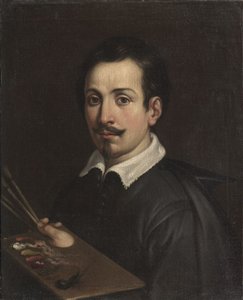
reni guido (le guide)
1575 - 1642 , Italia
Datos clave
- Artistic Movement Or Style: Barroco italiano
- Artists Who Influenced This Artist:
- Denis Calvaert
- La Familia Carracci
- Rafael
- Date Of Birth: 1575
- Full Name: Guido Reni (Le Guide)
- Nationality: Italian
- Notable Artworks:
- Apolo en el Carruaje del Sol
- San Santiago el Mayor
- Atalanta y Hippomenes
- Saint Jerome
- Tarantella
- Place Of Birth: Bolonia, Italia
Artículos relacionados

Legado en las Paredes: Frescos Familiares que Trascienden el Tiempo
Descubre el arte del fresco muralístico para inmortalizar tu historia familiar. Expertos en frescos personalizados y técnicas ancestrales. Crea un legado visual único con .
Guido Reni: A Study in Baroque Classicism & Artistic Perfection
Explore the life & work of Guido Reni, a master of Baroque classicism. Discover his iconic religious & mythological paintings, and understand his enduring influence on art history. Expert analysis for collectors.

The Enduring Legacy of Fresco Painting: Techniques, History & Contemporary Relevance
Explore the rich history & enduring artistry of fresco painting – from Giotto to Michelangelo! Discover techniques, conservation efforts, & modern applications. Learn how ArtsDot brings this timeless art form to your home.

The Enduring Legacy of Fresco: Technique, History & Artistic Expression Across Cultures
Explore the rich history & enduring legacy of fresco painting! Discover ancient techniques, Giotto's masterpieces, and modern applications. Expert insights for art lovers & professionals.
El Fresco a Través de los Siglos: Técnica, Historia y Expresión Artística Duradera
Descubre la historia y técnica del fresco, desde sus orígenes en la antigüedad hasta los maestros renacentistas. Guía completa sobre conservación, restauración y el legado artístico de este arte milenario.