

 Ver en contexto
 Enviar
 Compartir
 Detalles

 Descargar
 Similares
 Radiografía
 Presentación de diapositivas
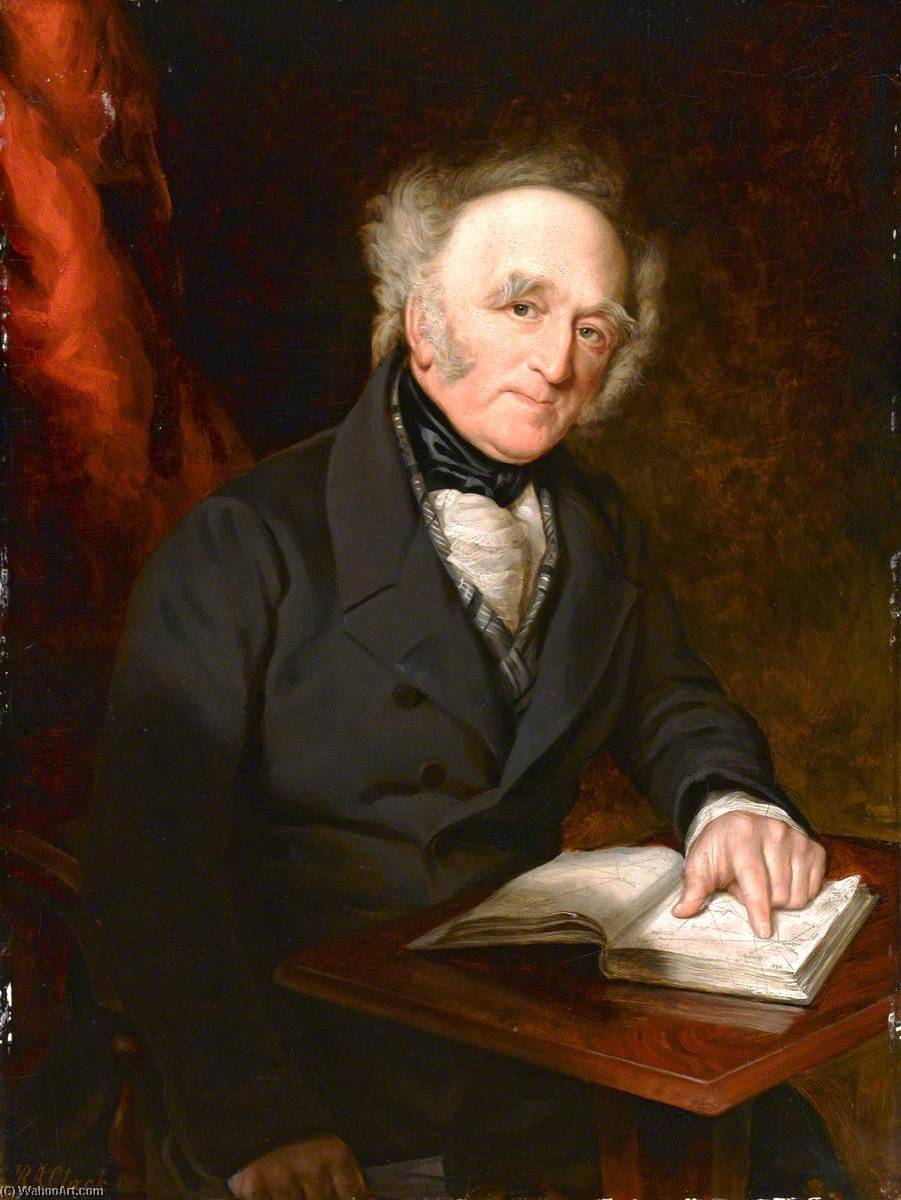
Thomas Gray (1788–1848), the Railway Pioneer
 1848
1848 38.0 x 28.0 cm
 Museo Real de la Memoria y el Arte
 Ver más
Reproducción al óleo hecha a mano
Óleo sobre lienzo pintado a mano en el tamaño y marco de su elección, realizado por encargo por nuestros artistas. ( Comprar impresión Comprar imagen)




































Elija entre nuestros tamaños predefinidos que respetan las proporciones originales de la obra.

Puede ingresar sus propias dimensiones para adaptarse a un marco o espacio específico. Si el tamaño seleccionado no coincide con las proporciones de la imagen original, recortaremos la obra o extenderemos la pintura con elementos adicionales pintados a mano. Se le enviará una maqueta digital para su aprobación antes de comenzar la producción.
Tenga en cuenta que la vista previa en pantalla no refleja el recorte o la extensión reales. Solo la maqueta mostrará con precisión la composición final.
Si bien existen tamaños personalizados, recomendamos seleccionar una dimensión de la lista predefinida para preservar las proporciones originales.
Tras realizar el pedido, el equipo de ArtsDot.com enviará un correo electrónico al cliente para solicitar instrucciones y proporcionarle una vista previa del boceto.
Envío a todo el mundo () en 3-4 semanas en lugar de las 5 semanas estándar. (30 agosto). Sin comprometer la calidad.

Envío exprés gratuito a todo el mundo

Lienzo de lino de alta calidad

Seguro de envío total

Garantía de reembolso de impuestos aduaneros

Garantía de fidelidad cromática exacta

Política de devolución de 60 días (solo por defectos)

Garantía de devolución del 100% del dinero

Descuento por cantidad
 La opción de vidrio solo está disponible en tamaños inferiores a 110 cm.

Thomas Gray (1788–1848), the Railway Pioneer
Técnica de reproducción
Dimensiones de la reproducción
-


Precio total final
$ 263
Obras relacionadas








Biografía del artista
Richard Augustus Clack: A Pioneer of Victorian Symbolism
Richard Augustus Clack (1801-1880) stands as a quietly significant figure in 19th-century British art, a master of evocative landscapes and psychologically astute portraits who often operated outside the mainstream artistic circles of his time. Born into a modest family in London, Clack’s early life offered little indication of the profound impact he would eventually have on the visual language of his era. While not widely celebrated during his lifetime, a closer examination of his oeuvre reveals a sophisticated artist deeply influenced by Romanticism, Symbolism, and a keen observation of human nature – qualities that continue to resonate with viewers today.
Clack’s artistic journey began modestly, initially apprenticed to a portrait painter in London. This foundational training instilled in him a solid understanding of technique and composition, but it was his exposure to the works of artists like Turner and Constable that truly ignited his creative spirit. Turner's atmospheric landscapes and Constable's ability to capture the subtle nuances of light profoundly shaped Clack’s approach to depicting the natural world. He quickly developed a distinctive style characterized by a rich palette, meticulous detail, and an almost preternatural sensitivity to mood and atmosphere. Unlike many of his contemporaries who focused on purely representational art, Clack sought to imbue his paintings with deeper meaning, often employing symbolic imagery to convey complex emotions and psychological states.
The Language of Landscape
Clack’s landscapes are arguably the most compelling aspect of his artistic output. He wasn't simply rendering scenes; he was translating feelings onto canvas. His depictions of the English countryside – from rolling hills and dramatic coastlines to serene woodlands and misty moorlands – are imbued with a palpable sense of melancholy, introspection, and spiritual yearning. He frequently utilized atmospheric perspective—a technique borrowed from Turner—to create a profound sense of depth and distance, drawing the viewer into the heart of his compositions. His use of color is particularly noteworthy; he favored muted tones of grey, blue, and green, often juxtaposing them with flashes of vibrant crimson or gold to heighten the emotional impact of his work.
Furthermore, Clack’s landscapes are rarely devoid of symbolic elements. A solitary tree might represent isolation or resilience, a stormy sea could symbolize inner turmoil, and a winding path could embody the journey of life. These subtle yet potent symbols invite viewers to engage with the paintings on multiple levels, uncovering layers of meaning beyond the purely visual.
Portraits of Character
Alongside his landscapes, Clack produced a remarkable body of portraiture. He possessed an extraordinary ability to capture not just physical likeness but also the inner character and psychological state of his subjects. His portraits are often characterized by a sense of intimacy and vulnerability, as if he were peering directly into the souls of those he depicted. He avoided the conventional formality of many Victorian-era portraits, instead favoring a more relaxed and conversational style. His use of light and shadow is particularly effective in creating dramatic effects, highlighting key features and revealing subtle expressions.
Notable among his portrait subjects are Mrs. Rhoda Richards, wife of Major General Alfred Richards, a commission that showcases Clack’s skill in capturing the dignity and grace of a prominent figure, and numerous self-portraits which offer intimate glimpses into the artist's own thoughts and emotions. These portraits demonstrate his ability to convey not just outward appearance but also inner life.
Influence and Legacy
Despite never achieving widespread fame during his lifetime, Richard Augustus Clack’s influence can be discerned in the works of later artists who embraced Symbolism and a more psychologically driven approach to painting. His emphasis on atmosphere, symbolism, and emotional depth paved the way for subsequent generations of British painters. His work is now recognized as a significant contribution to Victorian art, particularly within the context of landscape painting and psychological portraiture.
Today, Clack’s paintings can be found in prestigious collections such as the Musée Richard Anacréon in Granville, France, and are increasingly appreciated for their quiet beauty, profound emotional resonance, and enduring artistic merit. His legacy lies not in grand pronouncements or public acclaim, but in the subtle yet powerful ways he captured the spirit of his time and continues to speak to our own.
richard augustus clack
1801 - 1880
Datos clave
- Artistic Movement Or Style: Romanticism, Realism
- Artists Or Movements Influenced By This Artist: ['Richard James Lane']
- Artists Who Influenced This Artist: ['Henry Arthur Hoare']
- Date Of Birth: 1801
- Date Of Death: 1880
- Full Name: Richard Augustus Clack
- Nationality: British
- Notable Artworks:
- Portrait of a Young Man
- Self Portrait
- Mrs Rhoda Richards
- Place Of Birth: London, England

