

 Ver en contexto
 Enviar
 Compartir
 Detalles

 Descargar
 Similares
 Radiografía
 Presentación de diapositivas
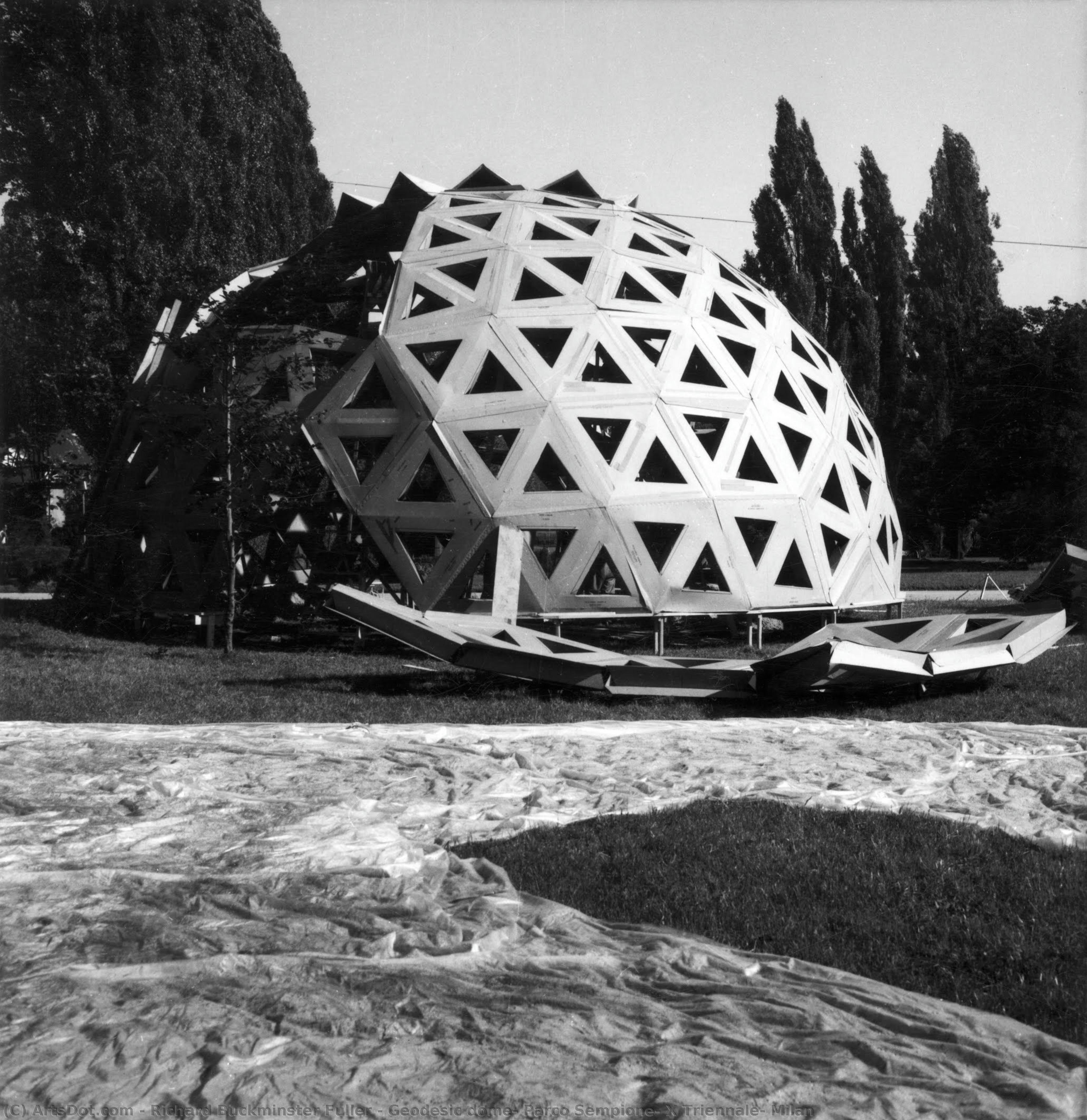
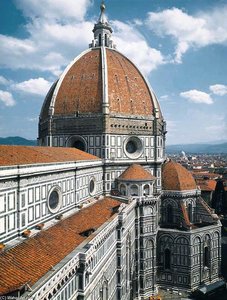
Geodesic dome, Parco Sempione, X Triennale, Milan


 Ver más
Adquiera una imagen digital de alta resolución y optimizada, muy superior a la vista previa en línea.
Cada archivo es preparado meticulosamente por nuestros especialistas internos mediante el uso de herramientas avanzadas y un experto retoque manual. Nos aseguramos de que cada imagen posea una claridad excepcional, una precisión cromática impecable y un detalle minucioso.
El archivo final se entrega por correo electrónico en un plazo de 72 horas, optimizado para su uso inmediato en entornos profesionales, editoriales y de impresión. Esta es la misma calidad en la que confían los estudios de diseño, las editoriales y las galerías de primer nivel.
Imagen Digital
Descarga un archivo de alta resolución para exhibición personal, impresión y proyectos creativos. ( Comprar impresión Comprar pintura hecha a mano)
Incluido en cada pedido de imágenes digitales
Entrega digital experta, garantizada.
Al elegir ArtsDot.com, no solo está adquiriendo una imagen; está recibiendo una obra de arte digital mejorada profesionalmente, elaborada con precisión y respaldada por una garantía de satisfacción. Esto es todo lo que incluye su pedido, automáticamente:

Entrega rápida por email
Recibirá su archivo de imagen digital en alta resolución por correo electrónico en un plazo de 72 horas tras realizar su pedido, listo para su uso inmediato.

Archivo digital optimizado por IA
Su obra de arte se optimiza profesionalmente mediante herramientas avanzadas de IA y edición manual, garantizando el máximo detalle, claridad y precisión cromática.

Reenvío gratuito de por vida
¿Has borrado o perdido tu archivo por error? No te preocupes: te lo volveremos a enviar en cualquier momento, sin coste adicional.

Sin gastos de importación, siempre
Disfrute de su obra de arte al instante sin aduanas, aranceles ni gastos de envío; las descargas digitales siempre están libres de impuestos.

Garantía de fidelidad de color
Garantizamos que su imagen digital refleje los colores originales con la mayor fidelidad posible, mediante el uso de herramientas profesionales y gestión del color.

Garantía de satisfacción de 60 días
Si no está satisfecho con su imagen digital, la revisaremos o le reembolsaremos el 100% en un plazo de 60 días, sin preguntas.

100% Garantía de devolución de dinero
¿No está satisfecho? Obtenga un reembolso completo dentro de los 60 días posteriores a la recepción de su archivo digital, sin necesidad de explicaciones.

Descuentos por pedidos grandes
Compra 3 imágenes, ahorra 10% - Compra 5, ahorra 15% - Compra 10+, ahorra 20%. Ideal para proyectos creativos, galerías y agencias.
Descripción del coleccionable
A Monumental Embrace: Buckminster Fuller’s Geodesic Dome at Parco Sempione
The photograph captures more than just a structure; it presents a moment of profound intersection – the audacious geometry of Buckminster Fuller's geodesic dome rising against the backdrop of Milan’s Parco Sempione. Constructed for the 1954 X Triennale exhibition, this image isn’t merely documentation of an architectural marvel; it’s a testament to Fuller’s revolutionary vision and his belief in harnessing nature’s own principles of efficiency and strength. The stark black and white palette intensifies the drama, emphasizing the dome's intricate network of triangular supports and highlighting its monumental scale against the comparatively modest trees that frame it – a deliberate juxtaposition reflecting Fuller’s ambition to create structures that could rival the grandeur of the natural world.
Fuller’s geodesic dome represents a radical departure from traditional building methods. Inspired by the geometry of honeycombs and snowflakes, this structure utilizes a network of interconnected triangles to distribute stress evenly across its entire surface. This ingenious design allows for incredible strength with minimal material – a principle that underpinned much of Fuller's work, from his Dymaxion house to his ambitious plans for “Domeshell” housing projects designed to provide shelter for the world’s growing population. The photograph subtly reveals this underlying logic, inviting the viewer to contemplate the elegant simplicity and inherent stability of the design.
The Context of Innovation: Fuller's Vision in 1954
To understand the significance of this image, it’s crucial to situate it within the context of 1954 Milan. The X Triennale was a pivotal event in post-war Europe, showcasing cutting-edge design and architectural ideas. Fuller's dome arrived at a time of immense optimism about technological progress and its potential to solve humanity’s challenges. He wasn’t simply designing a building; he was articulating a philosophy – one centered on sustainability, efficiency, and the interconnectedness of all things. The dome became a symbol of this forward-looking spirit, embodying Fuller's belief that architecture could be a force for positive change.
The photograph itself was taken by Esther McCoy, a renowned architectural photographer known for her ability to capture both the technical details and the emotional impact of buildings. Her choice of black and white further enhances the image’s timeless quality, allowing viewers to focus on the structure's form and geometry rather than being distracted by color. The slightly low perspective emphasizes the dome’s imposing height, creating a sense of awe and wonder.
Deconstructing the Form: Technique and Materials
The construction of the dome involved a remarkable feat of engineering and craftsmanship. It was built using a complex system of prefabricated triangular panels, meticulously assembled to create the spherical structure. Fuller’s design prioritized simplicity and ease of assembly, reflecting his belief in efficient production methods. The photograph offers subtle clues about the materials used – the metallic sheen of the supports suggests a durable alloy, while the ground cover hints at a practical, perhaps plastic or fabric-based material designed for stability and drainage.
The dome’s geometry is particularly striking. Each triangular panel is precisely cut and folded to create a tessellated surface that seamlessly connects to its neighbors. This intricate pattern not only provides structural strength but also creates a visually captivating effect, transforming the building into a dynamic sculpture of light and shadow. The interplay between the geometric precision of the dome and the organic forms of the surrounding trees adds another layer of visual interest.
A Legacy of Inspiration: Symbolism and Emotional Resonance
Beyond its technical achievements, Fuller’s geodesic dome carries profound symbolic weight. It represents a vision of a future where architecture is integrated with nature, where structures are designed to be both efficient and beautiful. The dome's spherical form evokes notions of unity and wholeness, reflecting Fuller’s belief in the interconnectedness of all things. The image itself inspires a sense of optimism and possibility – a reminder that human ingenuity can overcome seemingly insurmountable challenges.
Reproductions of this iconic photograph offer a powerful way to bring Fuller's vision into contemporary spaces. Whether adorning a wall or serving as a focal point in an interior design scheme, the dome’s geometric elegance and symbolic resonance continue to captivate and inspire. It is a testament to the enduring legacy of one of the 20th century’s most visionary architects and designers.
Obras relacionadas


Biografía del artista
Richard Buckminster Fuller: Una Vida de Innovación
Richard Buckminster Fuller (12 de julio de 1895 – 1 de julio de 1983) fue un arquitecto, teórico de sistemas, escritor, diseñador, inventor, filósofo y futurista estadounidense. Sigue siendo una figura profundamente influyente en el diseño y el pensamiento del siglo XX.
Primeros Años y Educación
Nacido en Milton, Massachusetts, la vida temprana de Fuller estuvo marcada por la curiosidad intelectual y un espíritu rebelde. Asistió al Milton Academy y estudió brevemente en la Universidad de Harvard, de donde fue expulsado dos veces por su comportamiento poco convencional y falta de enfoque en los estudios académicos tradicionales. Esta experiencia, sin embargo, fomentó su pensamiento independiente y su experimentación.
Carrera Temprana e Influencias
La carrera temprana de Fuller incluyó diversas experiencias prácticas, como trabajar en una fábrica textil y servir en la Marina de EE. UU. durante la Primera Guerra Mundial. Estos roles le proporcionaron valiosos conocimientos prácticos sobre materiales y técnicas de construcción. Estuvo profundamente influenciado por su tía abuela, Margaret Fuller, escritora transcendentalista y defensora de la reforma social.
Desarrollo Artístico y Conceptos Clave
El desarrollo artístico de Fuller no se basó en formas artísticas tradicionales, sino en un enfoque holístico para la resolución de problemas. Buscaba maximizar la eficiencia y minimizar el consumo de recursos – una filosofía que denominó “ephemerización”. Su trabajo estaba impulsado por el pensamiento sistémico, creyendo que comprender la interconexión de los elementos era crucial para la innovación.
Logros y Patentes Principales
- La Cúpula Geodésica: Quizás la invención más icónica de Fuller, la cúpula geodésica es una estructura ligera pero resistente capaz de encerrar grandes espacios con un mínimo de materiales.
- Dymaxion House: Una vivienda prefabricada y producida en masa diseñada para una vida eficiente y sostenible.
- Dymaxion Car: Un vehículo experimental de tres ruedas destinado a revolucionizar el transporte.
- Mapa Dymaxion: Un mapa mundial de proyección que minimizaba la distorsión de las masas terrestres.
- Estructuras de Tensegridad: Fuller exploró la tensegridad, un principio estructural basado en el uso de componentes aislados en compresión dentro de una red de tensión continua.
Contribuciones Filosóficas y Teóricas
El trabajo de Fuller se extendió más allá de las estructuras físicas a los ámbitos filosóficos. Desarrolló el concepto de “Sinergetica”, un sistema geométrico para comprender el universo y sus patrones. Su libro, Critical Path, delineaba su visión de un futuro sostenible basado en la innovación tecnológica y la cooperación global.
Significado Histórico y Legado
El impacto de Fuller se extiende mucho más allá de la arquitectura. Desafió el pensamiento convencional sobre el diseño, la tecnología y la relación entre la humanidad y el medio ambiente. Sus ideas han influido en campos que van desde la ciencia del medio ambiente hasta la informática. Recibió 28 patentes estadounidenses y numerosas doctorados honorarios, incluido ser electo Miembro Honorario de Phi Beta Kappa en 1967.
Premios y Reconocimientos
- Frank P. Brown Medal (Instituto Franklin, 1960)
- Premio Medalla de Oro (Instituto Americano de Arquitectos, 1970)
- Premio Literario de San Luis (Asociación de la Biblioteca de la Universidad de San Luis, 1976)
- Medal de Libertad Presidencial (Ronald Reagan, 1983)
El legado de Fuller continúa inspirando a diseñadores, arquitectos e intelectuales hoy en día, instándonos a imaginar un futuro más sostenible y equitativo.

Richard Buckminster Fuller
1895 - 1983 , Estados Unidos
Breves datos
- Fecha De Fallecimiento: 1 de julio de 1983
- Fecha De Nacimiento: 12 de julio de 1895
- Lugar De Nacimiento: Milton, Massachusetts, Estados Unidos
- Movimiento: Futurismo, Teoría de Sistemas
- Nacionalidad: Estadounidense
- Nombre: Richard Buckminster Fuller
- Obras Notables: Domo Geodésico, Casa Dymaxion, Auto Dymaxion

