 Ver en contexto
 Enviar
 Compartir
 Detalles

 Descargar
 Similares
 Radiografía
 Presentación de diapositivas
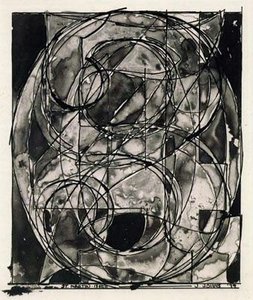
Recollections of a Visit to Leningrad


 Ver más
Reproducción al óleo hecha a mano
Óleo sobre lienzo pintado a mano en el tamaño y marco de su elección, realizado por encargo por nuestros artistas. ( Comprar impresión Comprar imagen)




P118B $10

P118H $10

P118W $10

P438Z $10

P508JH $12

P508YH $12

P805H $10

P805Z $10

P919BZ $10

P919G $10

P919XJ $10

P959ZH $10

P968JZ $12

W106C $8

W218G $10

W218JH $8

W218Y $10

W307PJ $10

W316G $10

W316PJ $8

W316Y $10

W398PJ $8

W4111J $10

W500HY $15

W500JH $15

W692G $12

W849H $8

W940BG $15

W953PJ $8




Elija entre nuestros tamaños predefinidos que respetan las proporciones originales de la obra.

Puede ingresar sus propias dimensiones para adaptarse a un marco o espacio específico. Si el tamaño seleccionado no coincide con las proporciones de la imagen original, recortaremos la obra o extenderemos la pintura con elementos adicionales pintados a mano. Se le enviará una maqueta digital para su aprobación antes de comenzar la producción.
Tenga en cuenta que la vista previa en pantalla no refleja el recorte o la extensión reales. Solo la maqueta mostrará con precisión la composición final.
Si bien existen tamaños personalizados, recomendamos seleccionar una dimensión de la lista predefinida para preservar las proporciones originales.
Tras realizar el pedido, el equipo de ArtsDot.com enviará un correo electrónico al cliente para solicitar instrucciones y proporcionarle una vista previa del boceto.
Envío a todo el mundo () en 3-4 semanas en lugar de las 5 semanas estándar. (2 septiembre). Sin comprometer la calidad.

Envío exprés gratuito a todo el mundo

Lienzo de lino de alta calidad

Seguro de envío total

Garantía de reembolso de impuestos aduaneros

Garantía de fidelidad cromática exacta

Política de devolución de 60 días (solo por defectos)

Garantía de devolución del 100% del dinero

Descuento por cantidad
 La opción de vidrio solo está disponible en tamaños inferiores a 110 cm.

Recollections of a Visit to Leningrad
Técnica de reproducción
Dimensiones de la reproducción
-


Precio total final
$ 263
Richard Diebenkorn’s ‘Recollections of a Visit to Leningrad’: A Symphony of Color and Memory
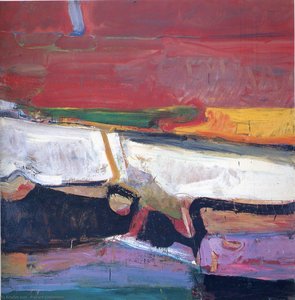
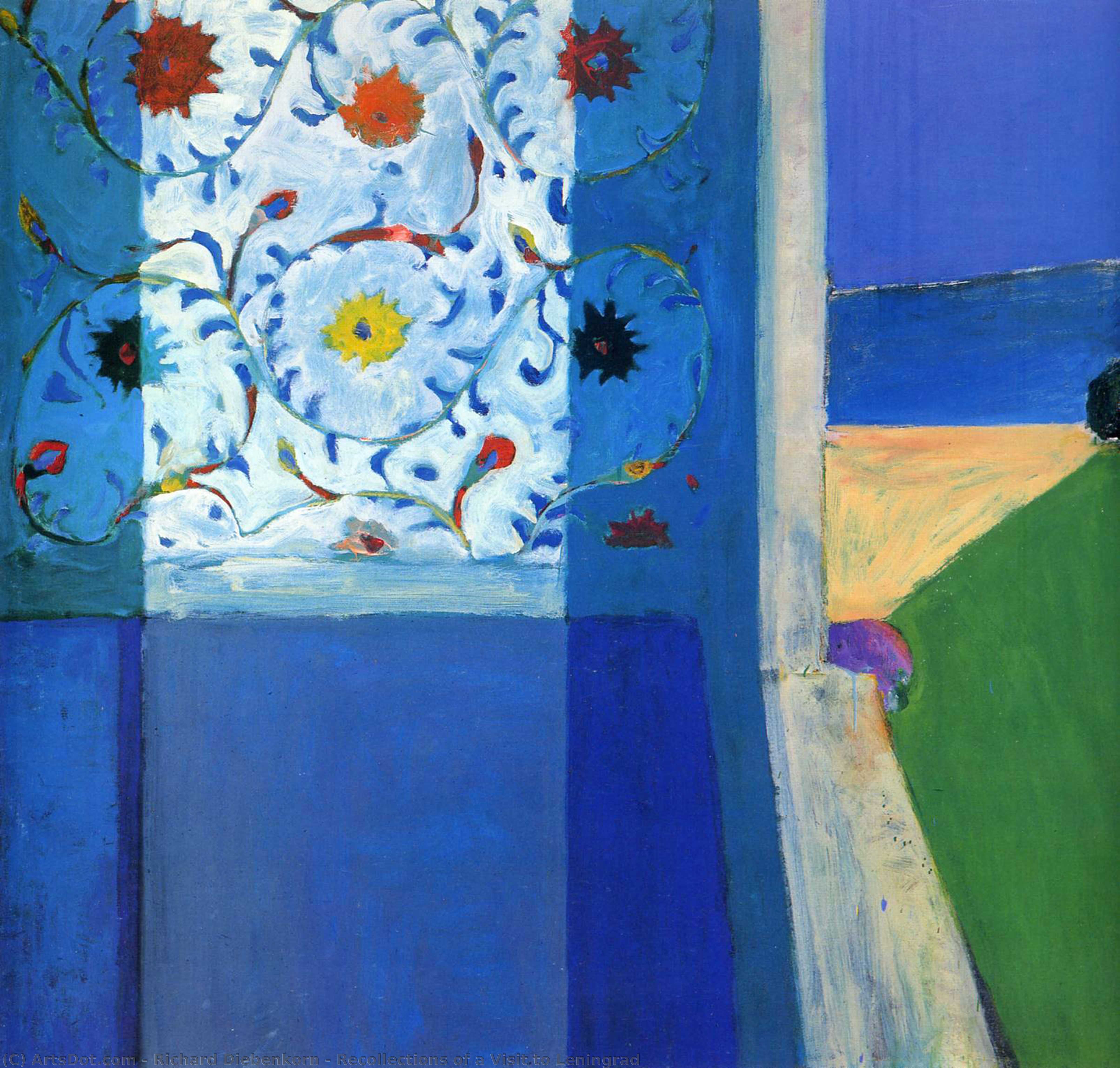
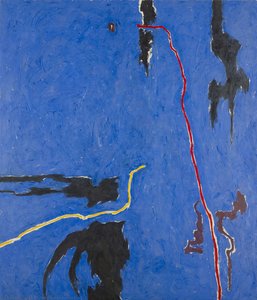
Richard Diebenkorn's "Recollections of a Visit to Leningrad" is more than just an abstract composition; it’s a poignant meditation on memory, place, and the evocative power of color. Executed in his signature style – a masterful blend of abstract expressionism and Bay Area Figurative Movement sensibilities – this painting invites viewers into a world where vibrant hues dance across a textured surface, hinting at a deeply personal narrative.
- The Artist’s Vision: Diebenkorn, born in Portland in 1922, spent his career exploring the relationship between emotion and form. His early work, heavily influenced by abstract expressionism's emphasis on spontaneous gesture and color, evolved over time, culminating in works like this that retain a core expressive energy while demonstrating a refined control of composition.
- A Palette of Serenity: The dominant blue and white tones immediately establish a sense of calm and introspection – colors often associated with memory and reflection. These cool hues are brilliantly punctuated by bursts of yellow, representing the vibrant life and fleeting beauty that punctuate even the most contemplative moments.
Deconstructing the Composition: Intricate Forms and Dynamic Movement
The painting’s central element is a meticulously rendered design of flowers scattered across a wall – an abstract representation of a visit to Leningrad, perhaps, or simply a visual manifestation of Diebenkorn's fascination with pattern and form. The varying sizes and positions of the floral shapes create a dynamic visual effect, drawing the eye across the canvas in a continuous loop. This deliberate arrangement isn’t merely decorative; it suggests a process of recollection – fragments of experience coalescing into a unified image.
- Technique: Diebenkorn's brushwork is characterized by layers of thin, translucent paint, allowing the canvas to peek through and adding depth and luminosity to the composition. The subtle variations in color and texture create a tactile quality, inviting viewers to reach out and touch the image.
- Compositional Intent: The seemingly random placement of the flowers actually adheres to principles of visual balance and harmony, reflecting Diebenkorn’s rigorous artistic training while still allowing for an element of controlled spontaneity.
Historical Context & Neo-Figurative Echoes
"Recollections of a Visit to Leningrad" exists within a pivotal moment in art history – the mid-20th century's reaction against representational art, embodied by abstract expressionism. However, it also reveals subtle connections to the emerging neo-figurative movement, which sought to reintroduce recognizable forms and subjects into modern art while retaining an expressive core. Like neo-figurative artists, Diebenkorn was interested in exploring the relationship between representation and abstraction, pushing the boundaries of both styles.
- Influence: The painting’s quiet introspection echoes the influence of Edward Hopper, a key figure in Diebenkorn's early artistic development.
- Movement Significance: This work exemplifies abstract expressionism’s core tenets – freedom of expression, emotional intensity, and an emphasis on the process of creation over purely representational accuracy.
Symbolic Resonance & Emotional Impact
The blue and white palette evokes a sense of nostalgia and longing, while the scattered yellow flowers symbolize hope, joy, and the beauty that can be found even in moments of reflection. “Recollections of a Visit to Leningrad” is not simply a beautiful painting; it’s an invitation to contemplate memory, loss, and the enduring power of art to capture fleeting emotions and transform them into lasting impressions. It speaks to the human desire to find meaning and beauty in the world around us.
Obras relacionadas
Biografía del artista
Primeros Años y Educación
- Nacimiento: 22 de abril de 1922, Portland, Oregón
- Historia Familiar: Su familia se mudó a San Francisco, California cuando él tenía dos años.
- Inclinación Artística Temprana: Mostró una pasión por el dibujo desde la edad de cuatro o cinco años.
- Educación Formal: Asistió a la Universidad de Stanford en 1940.
- Mentores Influyentes en Stanford: Victor Arnautoff (disciplina formal clásica con óleo) y Daniel Mendelowitz (compartieron una pasión por Edward Hopper).
- Influencia de Hopper: Su obra temprana fue influenciada por el estilo de Edward Hopper.
Desarrollo del Estilo Artístico
- Influencias Posteriores a la Segunda Guerra Mundial: Cambio en el mundo del arte de París a los Estados Unidos, particularmente Nueva York.
- Expresionismo Abstracto: Se inscribió en la Escuela de Bellas Artes de California (ahora Instituto de Arte de San Francisco) y adoptó el expresionismo abstracto como su vehículo para la autoexpresión.
- Influencias Tempranas: Clyfford Still, Arshile Gorky, Hassel Smith y Willem de Kooning.
- Movimiento Figurativo del Área de la Bahía: Se convirtió en una figura destacada en el movimiento figurativo del área de la bahía junto con Elmer Bischoff, Henry Villierme, David Park y James Weeks. Este movimiento representó un retorno a la pintura figurativa después del expresionismo abstracto.
- Transición de la Abstracción a la Figuración: Abandonó la adherencia estricta al expresionismo abstracto a mediados de la década de 1950, incorporando elementos representacionales en su obra.
La Serie Ocean Park y Obra Posterior
- Pinturas Ocean Park: Comenzaron en 1967 y continuaron hasta su muerte. Estas pinturas geométricas y líricas abstractas se convirtieron en un logro definitorio de su carrera.
- Exploración de Grabado: Comenzó a explorar el grabado (aguafuerte) durante el verano de 1961 mientras estaba en UCLA.
- Colaboración con Crown Point Press: Estableció una colaboración a largo plazo con Kathan Brown en Crown Point Press, produciendo numerosos grabados desde 1965 hasta 1992.
Logros Mayores y Significado Histórico
- Aclamación Crítica: Alcanzó un reconocimiento mundial por su serie Ocean Park.
- Retrospectiva a Medio Camino: Se presentó una retrospectiva significativa en el Museo de Arte Pasadena en 1960, seguida de una variación en el Palacio de la Legión de Honor de San Francisco más tarde ese año.
- Influencia en el Arte de la Posguerra: La obra de Diebenkorn unió al expresionismo abstracto y a la abstracción lírica, influyendo en muchos artistas que lo siguieron. Su capacidad para combinar formas geométricas con colores expresivos lo convirtió en una figura única en el arte estadounidense de la posguerra.
Muerte y Legado
- Fallecimiento: 1993
- Impacto Duradero: El legado de Richard Diebenkorn radica en su enfoque innovador de la abstracción, su capacidad para capturar la esencia de los paisajes californianos y su contribución tanto al expresionismo abstracto como al arte figurativo. Su serie Ocean Park sigue siendo un testimonio de su visión artística y continúa inspirando a artistas y coleccionistas en todo el mundo.
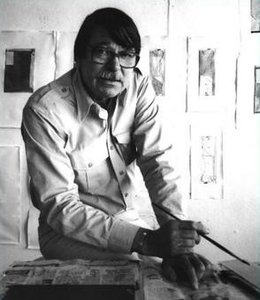
Richard Diebenkorn
1922 - 1993 , Estados Unidos de América
Datos clave
- Artistas Que Influyeron:
- Edward Hopper
- Clyfford Still
- Arshile Gorky
- Henri Matisse
- Fecha De Fallecimiento: 30 de marzo de 1993
- Fecha De Nacimiento: 22 de abril de 1922
- Lugar De Nacimiento: Portland, Estados Unidos
- Movimiento Artístico:
- Expresionismo abstracto
- Figurativo de Bay Area
- Nacionalidad: Estadounidense
- Nombre Completo: Richard Clifford Diebenkorn Jr.
- Obras Notables:
- A Day at the Races
- Ocean Park No. 32
- Ocean Park #54
- Berkeley No. 54
- Untitled 'M'
- Chabot Valley
- Berkeley No. 33
- Seawall
- Ocean Park No. 7
Artículos relacionados
Expresionismo Abstracto: 10 Obras Maestras que Transformaron el Arte |
Descubre las 10 obras maestras del Expresionismo Abstracto: Pollock, Rothko y más. Explora la historia, técnica y significado de estos lienzos icónicos. Reproducciones de arte exclusivas en .

Blanco Sublime: Los 10 Cuadros Más Famosos Dominados por la Luz y el Color
Descubre los 10 cuadros blancos más emblemáticos de la historia del arte. Explora Monet, Van Gogh y Klimt, y su magistral uso de la luz y el color. Encuentra reproducciones de alta calidad e inspírate para tu decoración en .

Kandinsky: Las 25 Obras Maestras del Pionero de la Abstracción | ArtsDot
Descubre las 25 obras maestras de Wassily Kandinsky, pionero del arte abstracto. Explora su expresionismo, composiciones únicas y la historia detrás de cada cuadro. Reproducciones de alta calidad para decorar tu hogar con arte moderno en ArtsDot.com.

Las 10 Obras Maestras del Azul Pizarra: Arte, Historia y Decoración
Descubre las 10 pinturas más famosas dominadas por el azul pizarra. Explora la historia, técnica y belleza de Monet, Van Gogh y otros maestros. Encuentra reproducciones de arte exclusivas para decorar tu hogar en .
Richard Diebenkorn: A Poetics of Space & Form – Navigating Abstraction in California Modernism
Explore the evolution of Richard Diebenkorn's iconic art – from abstract expressionism to his celebrated Ocean Park series. Discover insights for collectors & enthusiasts.