 Ver en contexto
 Enviar
 Compartir
 Detalles

 Descargar
 Similares
 Radiografía
 Presentación de diapositivas
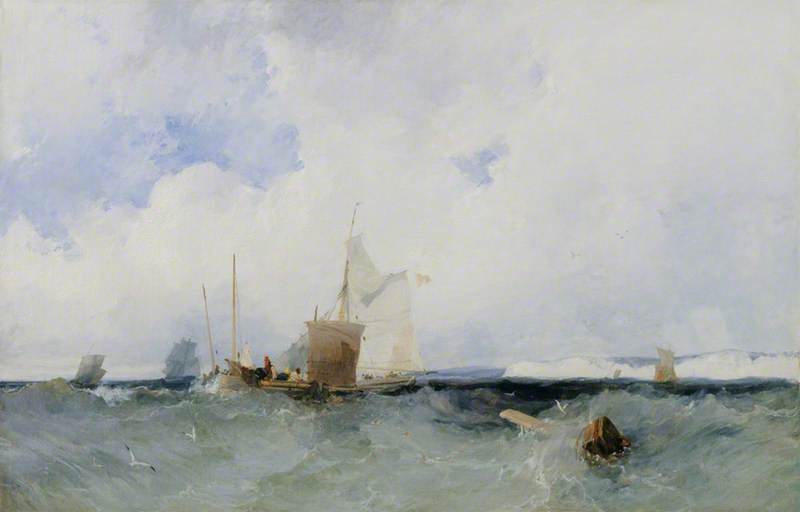
A Sea Piece
 Oil On Canvas
- WallArt
- Romanticism
 1824
1824 55.0 x 85.0 cm
 The Wallace Collection
 Ver más
Reproducción al óleo hecha a mano
Óleo sobre lienzo pintado a mano en el tamaño y marco de su elección, realizado por encargo por nuestros artistas. ( Comprar impresión Comprar imagen)




P118B $10

P118H $10

P118W $10

P438Z $10

P508JH $12

P508YH $12

P805H $10

P805Z $10

P919BZ $10

P919G $10

P919XJ $10

P959ZH $10

P968JZ $12

W106C $8

W218G $10

W218JH $8

W218Y $10

W307PJ $10

W316G $10

W316PJ $8

W316Y $10

W398PJ $8

W4111J $10

W500HY $15

W500JH $15

W692G $12

W849H $8

W940BG $15

W953PJ $8




Elija entre nuestros tamaños predefinidos que respetan las proporciones originales de la obra.

Puede ingresar sus propias dimensiones para adaptarse a un marco o espacio específico. Si el tamaño seleccionado no coincide con las proporciones de la imagen original, recortaremos la obra o extenderemos la pintura con elementos adicionales pintados a mano. Se le enviará una maqueta digital para su aprobación antes de comenzar la producción.
Tenga en cuenta que la vista previa en pantalla no refleja el recorte o la extensión reales. Solo la maqueta mostrará con precisión la composición final.
Si bien existen tamaños personalizados, recomendamos seleccionar una dimensión de la lista predefinida para preservar las proporciones originales.
Tras realizar el pedido, el equipo de ArtsDot.com enviará un correo electrónico al cliente para solicitar instrucciones y proporcionarle una vista previa del boceto.
Envío a todo el mundo () en 3-4 semanas en lugar de las 5 semanas estándar. (25 agosto). Sin comprometer la calidad.

Envío exprés gratuito a todo el mundo

Lienzo de lino de alta calidad

Seguro de envío total

Garantía de reembolso de impuestos aduaneros

Garantía de fidelidad cromática exacta

Política de devolución de 60 días (solo por defectos)

Garantía de devolución del 100% del dinero

Descuento por cantidad
 La opción de vidrio solo está disponible en tamaños inferiores a 110 cm.

A Sea Piece
Técnica de reproducción
Dimensiones de la reproducción
-


Precio total final
$ 263
Descripción de la obra
The Tempestuous Beauty of ‘A Sea Piece’
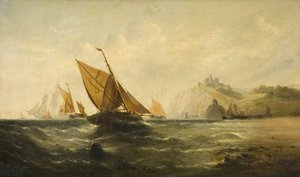
Richard Parkes Bonington's “A Sea Piece,” painted in 1824, isn’t merely a depiction of a seascape; it’s an immersive experience of the sea’s raw power and ethereal beauty. Born into a family steeped in artistic craft – his father a lace-maker and drawing master – Bonington inherited a keen eye for detail and a fascination with capturing fleeting moments of light and atmosphere, traits that would define his tragically short but remarkably influential career. This particular work, housed within the Wallace Collection in London, exemplifies his signature style: a masterful blend of English watercolor tradition and burgeoning Romantic sensibilities.
The scene unfolds beneath an overcast sky, a dramatic backdrop to the churning waters of the North Sea. Several sailing vessels – their forms rendered with a confident yet slightly loose brushstroke – navigate the choppy waves, each battling against the wind’s relentless push. The composition is deliberately horizontal, emphasizing the vastness of the sea and sky, creating a sense of both scale and vulnerability. Bonington eschews precise detail in favor of capturing the *feeling* of the scene—the movement, the light, the inherent drama of the maritime experience. Notice how he uses varying shades of blue and grey to suggest depth and distance; the darker hues dominating the foreground gradually lighten as they recede into the hazy horizon.
A Bridge Between Styles: Romanticism and Watercolor Technique
Bonington’s approach was revolutionary for his time. He wasn't simply replicating a visual observation; he was translating an *impression* onto canvas, anticipating the tenets of Impressionism decades later. His technique is characterized by broken color—applying paint in thin, translucent layers that allow the white of the paper (or canvas) to peek through. This creates a luminous quality, particularly noticeable in the highlights on the water’s surface and the billowing sails. The loose brushwork, visible throughout the painting, contributes to this sense of movement and atmosphere, mirroring the turbulent nature of the sea.
Crucially, Bonington was deeply influenced by the English watercolor tradition, championed by artists like Girtin and Turner. However, he wasn’t content with simply imitating their style. He infused it with a Romantic sensibility—a heightened emotional response to the natural world. The painting isn't just about depicting ships at sea; it’s about conveying the awe and perhaps even the slight apprehension one feels in the face of such immense power. The subtle hints of light breaking through the clouds, combined with the dynamic movement of the waves, evoke a sense of both beauty and danger.
Symbolism and Emotional Resonance
Beyond its technical brilliance, “A Sea Piece” is rich in symbolic meaning. The sea itself has long been associated with themes of freedom, adventure, and the unknown—powerful forces that resonated deeply within the Romantic movement. The ships, struggling against the elements, can be interpreted as metaphors for human ambition and resilience. The overcast sky suggests a sense of foreboding or uncertainty, while the distant coastline hints at the promise of land and safety.
Furthermore, Bonington’s choice to depict a relatively small portion of the seascape—focusing on the immediate foreground—creates an intimate connection between the viewer and the scene. We are drawn into this moment, experiencing the sea's drama alongside the ships. The painting’s emotional impact is profound; it evokes feelings of both exhilaration and melancholy, reflecting the inherent duality of the sea – its capacity for both creation and destruction.
A Legacy in Light: Bonington’s Influence
Richard Parkes Bonington's tragically short life—he died at just 25—left an indelible mark on British art. His innovative use of watercolor, his ability to capture atmospheric effects with remarkable precision, and his embrace of Romantic ideals profoundly influenced subsequent generations of artists, including Eugène Delacroix. “A Sea Piece” stands as a testament to his genius, a captivating work that continues to resonate with viewers today through its masterful technique, evocative imagery, and profound emotional depth.
Obras relacionadas

Biografía del artista
Primeros años y formación
Richard Parkes Bonington, una figura destacada del movimiento romántico británico, nació el 25 de octubre de 1802 en Arnold, Nottinghamshire, Reino Unido. Su padre, también llamado Richard, era un individuo multifacético que trabajó como carcelero, maestro de dibujo y fabricante de encaje. Este diverso trasfondo probablemente influyó en las primeras inclinaciones artísticas de Bonington. https://ArtsDot.com/@/richardparkesbonington, la plataforma en línea para entusiastas del arte, ofrece una extensa colección de obras de Bonington, mostrando su maestría sobre paisajes y escenas históricas.Evolución artística e influencias
El viaje artístico de Bonington comenzó con la pintura a la acuarela, enseñado por su padre. A los once años ya estaba exhibiendo en la Academia de Liverpool. En 1817, su familia se mudó a Calais, Francia, donde tomó lecciones de François Louis Thomas Francia, quien lo introdujo a la técnica inglesa de acuarela.- La influencia de Francia puede verse en las primeras obras de Bonington, caracterizadas por una mezcla de estilos inglés y francés.
- Su encuentro con Eugène Delacroix https://ArtsDot.com/@/eugenedelacroix, un pintor romántico francés, moldeó aún más su enfoque artístico.
- Su tiempo en la École des Beaux-Arts en París, bajo Antoine-Jean, Baron Gros, solidificó sus habilidades.
Obras destacadas y logros
Pinturas clave:- Rouen, Normandía, c. 1823 (disponible en /es/art/show/art-8xyhdc-es/
- Vista de la laguna cerca de Venecia, 1827 (Louvre)
- Carlos V visita a François Ier después de la batalla de Pavia, c. 1827
- Medalla de oro en el Salón de París en 1824, junto con John Constable y Anthony Vandyke Copley Fielding.
- El tributo de Delacroix al trabajo de Bonington en una carta a Théophile Thoré en 1861, destacando su ligereza de toque.
Legado y recuerdo
La vida de Bonington se truncó debido a la tuberculosis, que le arrebató la vida el 23 de septiembre de 1828, a los 25 años. A pesar de su breve carrera, dejó una huella imborrable en el romanticismo británico.- Una estatua en Nottingham School of Art, erigida por Watson Fothergill.
- Un teatro y escuela primaria en su ciudad natal de Arnold que llevan su nombre.
- La Wallace Collection alberga un grupo significativo de 35 obras, mostrando tanto sus paisajes como sus pinturas históricas.
Importancia Histórica
Richard Parkes Bonington fue fundamental en la transición del arte inglés hacia el Romanticismo y tuvo una influencia significativa en pintores posteriores como Delacroix. Su habilidad para capturar la luz y la atmósfera, combinada con su estilo fluido y espontáneo, lo convirtió en un artista innovador y admirado. Su trabajo ayudó a popularizar las acuarelas y los bocetos al aire libre, sentando las bases para el impresionismo posterior. Bonington es recordado como un talento precoz cuya carrera fue interrumpida demasiado pronto, pero cuyo legado continúa inspirando a artistas y amantes del arte en todo el mundo.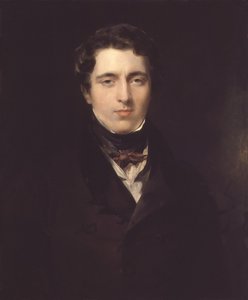
Richard Parkes Bonington
1802 - 1828 , Reino Unido
Datos clave
- Artistas Que Influyeron:
- François Louis Thomas Francia
- Eugène Delacroix
- Fecha De Muerte: 23 de septiembre de 1828
- Fecha De Nacimiento: 25 de octubre de 1802
- Influencia En Artistas: Artistas británicos e imitadores
- Lugar De Nacimiento: Arnold, Reino Unido
- Movimiento Artístico: Romanticismo Británico
- Nacionalidad: Británico
- Nombre Completo: Richard Parkes Bonington
- Obras Notables:
- Rouen, Normandía (c. 1823)
- Vista del lago cerca de Venecia (1827)
- Carlos V visita a Francisco I (c. 1827)
Artículos relacionados

Acuarelas Legendarias: 10 Obras Maestras que Transformaron el Arte | ArtsDot
Descubre 10 acuarelas legendarias de Turner, Monet y Sargent que revolucionaron el arte. Explora la historia, técnica y belleza de estas obras maestras impresionistas y románticas. Reproducciones de museo en ArtsDot.com.
Richard Parkes Bonington: A Brief but Brilliant Career – Romantic Landscapes & the Dawn of Plein Air Painting
Explore the short but impactful career of Richard Parkes Bonington, a pivotal figure bridging British Romanticism & French plein air painting. Discover his luminous landscapes and lasting influence on Delacroix & beyond.

Ephemeral Visions: Exploring the Artistic Legacy & Contemporary Practice of Watercolor Painting
Explore the captivating world of watercolor painting! Discover its rich history, essential techniques, influential artists & collecting tips. A comprehensive guide for art enthusiasts from ArtsDot.
Visiones Efímeras: Historia y Resonancia Emocional de la Pintura Acuarela
Descubre la fascinante historia de la acuarela, desde sus orígenes hasta su expresión contemporánea. Explora técnicas, artistas clave como Paul Klee y encuentra reproducciones de alta calidad en ArtsDot.

Ephemeral Visions: Exploring the Artistic Legacy & Nuances of Watercolor Painting
Explore the captivating world of watercolor painting! Discover its rich history, essential techniques, influential artists & collecting tips from art experts. A comprehensive guide for enthusiasts.