 Ver en contexto
 Enviar
 Compartir
 Detalles

 Descargar
 Similares
 Radiografía
 Presentación de diapositivas
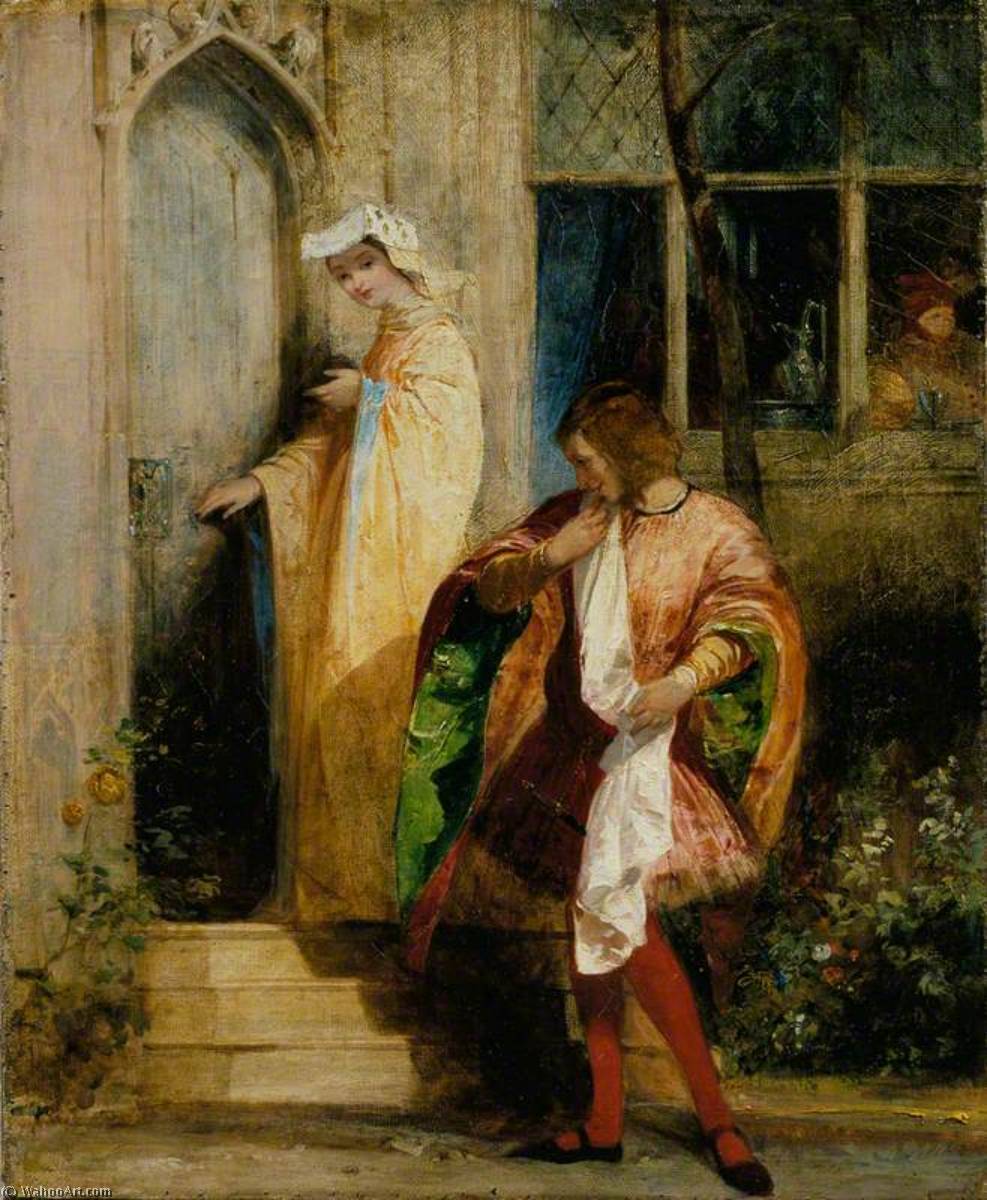
Anne Page and Slender
 Acrylic On Canvas
- WallArt
- Romanticism
 1825
1825 46.0 x 38.0 cm
 The Wallace Collection
 Ver más
Reproducción al óleo hecha a mano
Óleo sobre lienzo pintado a mano en el tamaño y marco de su elección, realizado por encargo por nuestros artistas. ( Comprar impresión Comprar imagen)




P118B $10

P118H $10

P118W $10

P438Z $10

P508JH $12

P508YH $12

P805H $10

P805Z $10

P919BZ $10

P919G $10

P919XJ $10

P959ZH $10

P968JZ $12

W106C $8

W218G $10

W218JH $8

W218Y $10

W307PJ $10

W316G $10

W316PJ $8

W316Y $10

W398PJ $8

W4111J $10

W500HY $15

W500JH $15

W692G $12

W849H $8

W940BG $15

W953PJ $8




Elija entre nuestros tamaños predefinidos que respetan las proporciones originales de la obra.

Puede ingresar sus propias dimensiones para adaptarse a un marco o espacio específico. Si el tamaño seleccionado no coincide con las proporciones de la imagen original, recortaremos la obra o extenderemos la pintura con elementos adicionales pintados a mano. Se le enviará una maqueta digital para su aprobación antes de comenzar la producción.
Tenga en cuenta que la vista previa en pantalla no refleja el recorte o la extensión reales. Solo la maqueta mostrará con precisión la composición final.
Si bien existen tamaños personalizados, recomendamos seleccionar una dimensión de la lista predefinida para preservar las proporciones originales.
Tras realizar el pedido, el equipo de ArtsDot.com enviará un correo electrónico al cliente para solicitar instrucciones y proporcionarle una vista previa del boceto.
Envío a todo el mundo () en 3-4 semanas en lugar de las 5 semanas estándar. (23 agosto). Sin comprometer la calidad.

Envío exprés gratuito a todo el mundo

Lienzo de lino de alta calidad

Seguro de envío total

Garantía de reembolso de impuestos aduaneros

Garantía de fidelidad cromática exacta

Política de devolución de 60 días (solo por defectos)

Garantía de devolución del 100% del dinero

Descuento por cantidad
 La opción de vidrio solo está disponible en tamaños inferiores a 110 cm.

Anne Page and Slender
Técnica de reproducción
Dimensiones de la reproducción
-


Precio total final
$ 263
Descripción de la obra
A Moment Frozen in Time: Richard Parkes Bonington’s “Anne Page and Slender”
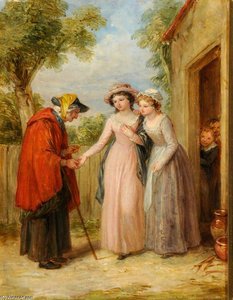
Richard Parkes Bonington's "Anne Page and Slender," painted around 1825, isn’t merely a portrait; it’s a carefully constructed tableau of domestic intimacy imbued with an undercurrent of subtle tension. The painting depicts two figures – Anne Page and her unnamed companion – engaged in conversation within the shadowed doorway of what appears to be a modest home. Bonington, a pivotal figure bridging the styles of English Romanticism and burgeoning French plein air painting, masterfully captures a fleeting moment, imbuing it with an atmosphere both inviting and slightly unsettling.
Bonington’s technique is immediately striking. He eschews the stark realism favored by earlier portraitists, opting instead for a luminous, almost atmospheric approach. The palette is dominated by muted earth tones – ochres, browns, and greys – creating a sense of subdued light and shadow. This isn't a brightly lit studio scene; rather, it’s rendered as if viewed through the diffused glow of late afternoon. Notice how he employs loose brushstrokes, particularly in the rendering of fabric and drapery, lending a sense of movement and immediacy to the figures. The subtle variations in tone – the darker shadows emphasizing the depth of the doorway, the brighter highlights catching the sheen on Anne’s dress – contribute significantly to the painting's overall realism and its captivating quality.
The Shakespearean Echo and Domestic Life
“Anne Page and Slender” is directly inspired by a scene from William Shakespeare’s *Merry Wives of Windsor*, specifically Act 1, Scene 1. The painting depicts Anne Page, the wife of the witty lawyer Sir John Falstaff, engaged in a clandestine meeting with her lover, Slender. Bonington cleverly avoids literal representation, instead focusing on capturing the essence of their conversation – the shared glance, the subtle gestures that hint at unspoken desires and carefully constructed deception. This choice allows the viewer to project their own interpretations onto the scene, fostering a deeper engagement with the artwork.
However, the painting transcends its literary source. It’s not simply a depiction of a romantic rendezvous; it's a portrait of domestic life – a snapshot of everyday interactions within a private space. The doorway itself acts as a symbolic threshold, suggesting both entrance and exit, concealment and revelation. The potted plant in the foreground adds an element of rustic charm, grounding the scene in a tangible reality while simultaneously hinting at the complexities of human relationships.
Symbolism and Emotional Resonance
Beyond its narrative content, “Anne Page and Slender” is rich in symbolic detail. Anne’s posture – her hand resting lightly on the companion's arm – suggests a delicate balance between affection and restraint. The companion’s averted gaze speaks to a carefully guarded secret, while his slightly hesitant stance reveals a vulnerability beneath his outward composure. Bonington masterfully uses these subtle cues to evoke a sense of emotional ambiguity.
The painting’s overall mood is one of quiet contemplation – a moment suspended in time. It invites the viewer to consider not just what is depicted, but also what lies beneath the surface. The subdued lighting and muted colors contribute to this atmosphere of mystery, while the figures' expressions convey a complex interplay of desire, deception, and perhaps even regret. It’s a testament to Bonington’s skill that he can create such a powerful emotional impact with such understated means.
A Legacy of Light and Shadow
Richard Parkes Bonington’s “Anne Page and Slender” stands as a remarkable example of Romantic portraiture. It demonstrates his ability to seamlessly blend English and French artistic influences, creating a style that is both technically sophisticated and emotionally resonant. His innovative use of light and shadow, coupled with his keen observation of human behavior, cemented his place as one of the most important artists of his generation. Reproductions of this captivating work continue to resonate with viewers today, offering a glimpse into a world of hidden desires and carefully constructed illusions – a timeless exploration of the complexities of human connection.
Obras relacionadas
![The Saint Anne Altarpiece: Saint Anne With The Virgin And Child [middle Panel] — Gerard David, Northern Renaissance](/media/artworks/images-thumb/42/d4/42d42cc1e264b01960dfe910bbf42dc4.jpg)
Biografía del artista
Primeros años y formación
Richard Parkes Bonington, una figura destacada del movimiento romántico británico, nació el 25 de octubre de 1802 en Arnold, Nottinghamshire, Reino Unido. Su padre, también llamado Richard, era un individuo multifacético que trabajó como carcelero, maestro de dibujo y fabricante de encaje. Este diverso trasfondo probablemente influyó en las primeras inclinaciones artísticas de Bonington. https://ArtsDot.com/@/richardparkesbonington, la plataforma en línea para entusiastas del arte, ofrece una extensa colección de obras de Bonington, mostrando su maestría sobre paisajes y escenas históricas.Evolución artística e influencias
El viaje artístico de Bonington comenzó con la pintura a la acuarela, enseñado por su padre. A los once años ya estaba exhibiendo en la Academia de Liverpool. En 1817, su familia se mudó a Calais, Francia, donde tomó lecciones de François Louis Thomas Francia, quien lo introdujo a la técnica inglesa de acuarela.- La influencia de Francia puede verse en las primeras obras de Bonington, caracterizadas por una mezcla de estilos inglés y francés.
- Su encuentro con Eugène Delacroix https://ArtsDot.com/@/eugenedelacroix, un pintor romántico francés, moldeó aún más su enfoque artístico.
- Su tiempo en la École des Beaux-Arts en París, bajo Antoine-Jean, Baron Gros, solidificó sus habilidades.
Obras destacadas y logros
Pinturas clave:- Rouen, Normandía, c. 1823 (disponible en /es/art/show/art-8xyhdc-es/
- Vista de la laguna cerca de Venecia, 1827 (Louvre)
- Carlos V visita a François Ier después de la batalla de Pavia, c. 1827
- Medalla de oro en el Salón de París en 1824, junto con John Constable y Anthony Vandyke Copley Fielding.
- El tributo de Delacroix al trabajo de Bonington en una carta a Théophile Thoré en 1861, destacando su ligereza de toque.
Legado y recuerdo
La vida de Bonington se truncó debido a la tuberculosis, que le arrebató la vida el 23 de septiembre de 1828, a los 25 años. A pesar de su breve carrera, dejó una huella imborrable en el romanticismo británico.- Una estatua en Nottingham School of Art, erigida por Watson Fothergill.
- Un teatro y escuela primaria en su ciudad natal de Arnold que llevan su nombre.
- La Wallace Collection alberga un grupo significativo de 35 obras, mostrando tanto sus paisajes como sus pinturas históricas.
Importancia Histórica
Richard Parkes Bonington fue fundamental en la transición del arte inglés hacia el Romanticismo y tuvo una influencia significativa en pintores posteriores como Delacroix. Su habilidad para capturar la luz y la atmósfera, combinada con su estilo fluido y espontáneo, lo convirtió en un artista innovador y admirado. Su trabajo ayudó a popularizar las acuarelas y los bocetos al aire libre, sentando las bases para el impresionismo posterior. Bonington es recordado como un talento precoz cuya carrera fue interrumpida demasiado pronto, pero cuyo legado continúa inspirando a artistas y amantes del arte en todo el mundo.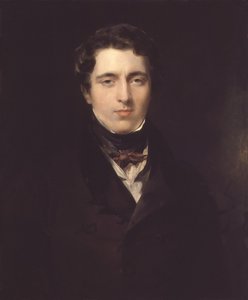
Richard Parkes Bonington
1802 - 1828 , Reino Unido
Datos clave
- Artistas Que Influyeron:
- François Louis Thomas Francia
- Eugène Delacroix
- Fecha De Muerte: 23 de septiembre de 1828
- Fecha De Nacimiento: 25 de octubre de 1802
- Influencia En Artistas: Artistas británicos e imitadores
- Lugar De Nacimiento: Arnold, Reino Unido
- Movimiento Artístico: Romanticismo Británico
- Nacionalidad: Británico
- Nombre Completo: Richard Parkes Bonington
- Obras Notables:
- Rouen, Normandía (c. 1823)
- Vista del lago cerca de Venecia (1827)
- Carlos V visita a Francisco I (c. 1827)
Artículos relacionados

The Enduring Legacy of Oil on Canvas: Technique, History & Aesthetic Impact
Explore the rich history & techniques of oil painting – from Renaissance masters to Impressionism. Discover pigments, layering methods, and why this timeless medium endures. Expert insights for artists & art enthusiasts.

El Óleo sobre Lienzo: Historia, Técnica y la Persistencia de un Medio Artístico Atemporal
Descubre la historia y técnica del óleo sobre lienzo. Explora reproducciones fieles hechas a mano, personalización artística y consejos de expertos con ArtsDot. ¡Colecciona arte con confianza!

The Enduring Power of Painting: A Historical & Contemporary Exploration of Form and Emotion
Explore the rich history & enduring techniques of oil painting with ArtsDot. Discover masterpieces, learn about art collecting, and find authentic handmade reproductions crafted by skilled artists.

El Legado Duradero del Óleo sobre Lienzo: Técnica, Historia y Práctica Contemporánea
Descubre la historia y técnica del óleo sobre lienzo. Explora reproducciones fieles hechas a mano, personalización artística y consejos de expertos con .
El Legado Perenne del Retrato: Inmortalizando Seres Queridos a Través de la Pintura al Óleo
Descubra el arte atemporal del retrato al óleo personalizado. Artistas expertos capturan la esencia de sus seres queridos, creando legados familiares inolvidables y valiosas inversiones artísticas. ¡Solicite su obra maestra hoy!