 Ver en contexto
 Enviar
 Compartir
 Detalles

 Descargar
 Similares
 Radiografía
 Presentación de diapositivas
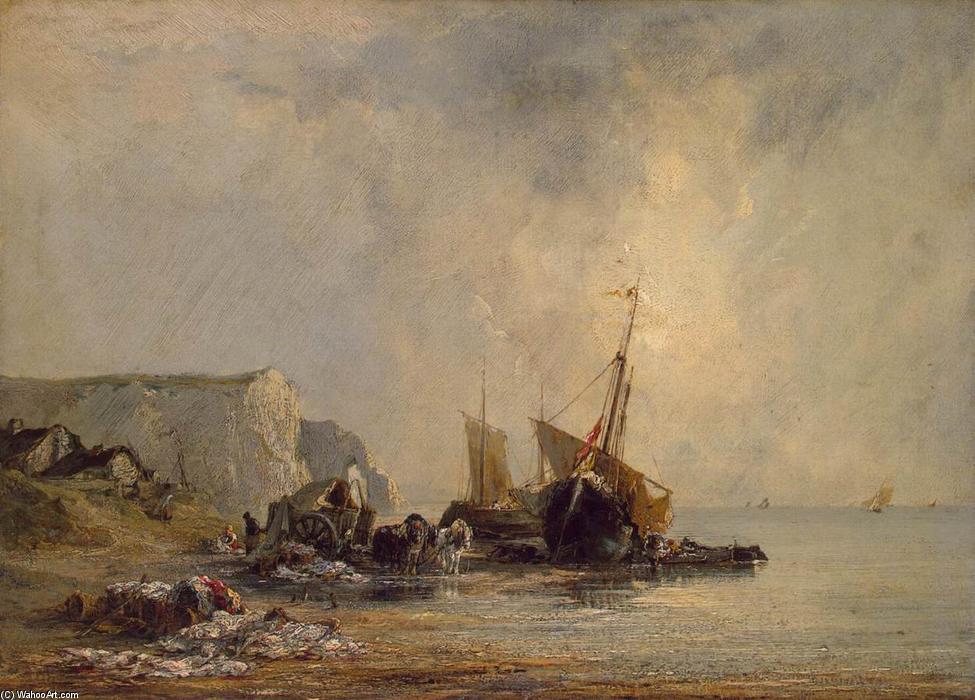
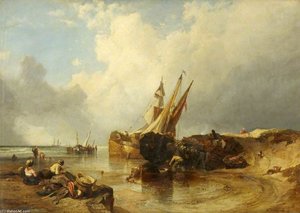
Boats near the Shore of Normandy
 Romanticism
 1823
1823 34.0 x 46.0 cm
 Museo del Hermitage
 Ver más
Giclée / Impresión de arte
Impresiones giclée o en lienzo de calidad de museo con producción rápida y opciones de acabado flexibles. ( Comprar pintura hecha a mano Comprar imagen)




P118B $10

P118H $10

P118W $10

P438Z $10

P508JH $12

P508YH $12

P805H $10

P805Z $10

P919BZ $10

P919G $10

P919XJ $10

P959ZH $10

P968JZ $12

W106C $8

W218G $10

W218JH $8

W218Y $10

W307PJ $10

W316G $10

W316PJ $8

W316Y $10

W398PJ $8

W4111J $10

W500HY $15

W500JH $15

W692G $12

W849H $8

W940BG $15

W953PJ $8




Elija entre nuestros tamaños predefinidos que respetan las proporciones originales de la obra.

Puede introducir sus propias dimensiones para adaptarse a un marco o espacio específico. Si el tamaño seleccionado no coincide con las proporciones de la imagen original, recortaremos la obra de arte o extenderemos la imagen con un borde con efecto espejo o de color sólido. Se enviará una maqueta digital para su aprobación antes de que comience la producción.
Tenga en cuenta que la vista previa en pantalla no refleja el recorte o la extensión real. Solo la maqueta mostrará con precisión la composición final.
Aunque existen tamaños personalizados, recomendamos seleccionar una dimensión de la lista predefinida para preservar las proporciones originales.
Envío a todo el mundo () en 2 semanas en lugar de las 4/5 semanas estándar. (5 septiembre)

Envío exprés gratuito a todo el mundo

Lienzo de lino de alta calidad

Seguro de envío total

Garantía de reembolso de impuestos aduaneros

Garantía de fidelidad cromática exacta

Política de devolución de 60 días (solo por defectos)

Garantía de devolución del 100% del dinero

Descuento por cantidad
 La opción de vidrio solo está disponible en tamaños inferiores a 110 cm.

Boats near the Shore of Normandy
Giclée / Impresión de arte
Dimensiones de la reproducción
-


Precio total final
$ 62
A Glimpse of Coastal Life: The Story Behind "Boats Near the Shore of Normandy"
Richard Parkes Bonington’s “Boats Near the Shore of Normandy,” painted in 1823, isn't merely a depiction of a seaside scene; it’s a poignant distillation of Romanticism’s fascination with light, atmosphere, and the fleeting beauty of nature. Created during a pivotal period of artistic transition – bridging the styles of English watercolor tradition with the burgeoning influence of French plein air painting – this work encapsulates Bonington's unique approach: a delicate balance between meticulous observation and expressive brushwork. The scene unfolds along the rugged coastline of Normandy, capturing a moment of tranquil activity amidst the vastness of the sea and sky. It’s a study in contrasts—the solidity of the boats against the ethereal quality of the light, the human presence subtly integrated into the landscape.
Technique and Style: A Masterful Blend
Bonington’s skill lies in his ability to render light with astonishing subtlety. He employs a technique he termed “watercolor-in-oil,” layering thin washes of watercolor over an underpainting executed in oil. This creates a luminous effect, capturing the shimmering reflections on the water and the diffused quality of the coastal haze. Notice how he builds up the forms of the boats through carefully applied strokes, suggesting their shape rather than defining it with sharp lines. The composition is deliberately asymmetrical, drawing the eye across the canvas and creating a sense of depth and spaciousness. The color palette is restrained – predominantly blues, greens, and greys—but incredibly rich in tonal variation, conveying the mood and atmosphere of the scene with remarkable precision.
- Watercolor-in-Oil Technique: Bonington’s signature method for achieving luminous effects.
- Atmospheric Perspective: The distant boats are rendered paler and less distinct, creating a sense of depth.
- Subtle Brushwork: Delicate strokes build up forms and textures with remarkable finesse.
Historical Context & The Artist's Journey
Bonington’s life was tragically short, ending at the age of 25, yet his artistic output during those few years was remarkably prolific and influential. Born in Nottingham, he moved to France as a young boy, immersing himself in the artistic traditions of Paris. He studied under François Louis Thomas Francia, absorbing the techniques of English watercolor painting, which he then skillfully combined with the French emphasis on capturing direct observation *en plein air*. His early career was marked by a struggle for recognition, often overshadowed by more established artists like Delacroix. Despite this, Bonington’s unique style—characterized by its luminous color and atmospheric effects—began to attract attention, ultimately establishing him as a significant figure in the Romantic movement. The painting reflects his time spent in Normandy, where he sought inspiration from the dramatic coastal landscapes.
Symbolism & Emotional Resonance
Beyond its technical brilliance, “Boats Near the Shore of Normandy” evokes a profound sense of tranquility and contemplation. The scene suggests a moment of respite—a gathering of people enjoying the beauty of the sea. The boats themselves symbolize connection to the past, trade, and the rhythms of coastal life. There’s an underlying melancholy in the painting, perhaps reflecting Bonington's own premature death and the fleeting nature of beauty. It invites us to pause, to appreciate the simple pleasures of the natural world, and to contemplate our place within it. The vastness of the sky and sea serves as a reminder of humanity’s smallness, while the boats offer a sense of groundedness and connection.
Obras relacionadas

Biografía del artista
Primeros años y formación
Richard Parkes Bonington, una figura destacada del movimiento romántico británico, nació el 25 de octubre de 1802 en Arnold, Nottinghamshire, Reino Unido. Su padre, también llamado Richard, era un individuo multifacético que trabajó como carcelero, maestro de dibujo y fabricante de encaje. Este diverso trasfondo probablemente influyó en las primeras inclinaciones artísticas de Bonington. https://ArtsDot.com/@/richardparkesbonington, la plataforma en línea para entusiastas del arte, ofrece una extensa colección de obras de Bonington, mostrando su maestría sobre paisajes y escenas históricas.Evolución artística e influencias
El viaje artístico de Bonington comenzó con la pintura a la acuarela, enseñado por su padre. A los once años ya estaba exhibiendo en la Academia de Liverpool. En 1817, su familia se mudó a Calais, Francia, donde tomó lecciones de François Louis Thomas Francia, quien lo introdujo a la técnica inglesa de acuarela.- La influencia de Francia puede verse en las primeras obras de Bonington, caracterizadas por una mezcla de estilos inglés y francés.
- Su encuentro con Eugène Delacroix https://ArtsDot.com/@/eugenedelacroix, un pintor romántico francés, moldeó aún más su enfoque artístico.
- Su tiempo en la École des Beaux-Arts en París, bajo Antoine-Jean, Baron Gros, solidificó sus habilidades.
Obras destacadas y logros
Pinturas clave:- Rouen, Normandía, c. 1823 (disponible en /es/art/show/art-8xyhdc-es/
- Vista de la laguna cerca de Venecia, 1827 (Louvre)
- Carlos V visita a François Ier después de la batalla de Pavia, c. 1827
- Medalla de oro en el Salón de París en 1824, junto con John Constable y Anthony Vandyke Copley Fielding.
- El tributo de Delacroix al trabajo de Bonington en una carta a Théophile Thoré en 1861, destacando su ligereza de toque.
Legado y recuerdo
La vida de Bonington se truncó debido a la tuberculosis, que le arrebató la vida el 23 de septiembre de 1828, a los 25 años. A pesar de su breve carrera, dejó una huella imborrable en el romanticismo británico.- Una estatua en Nottingham School of Art, erigida por Watson Fothergill.
- Un teatro y escuela primaria en su ciudad natal de Arnold que llevan su nombre.
- La Wallace Collection alberga un grupo significativo de 35 obras, mostrando tanto sus paisajes como sus pinturas históricas.
Importancia Histórica
Richard Parkes Bonington fue fundamental en la transición del arte inglés hacia el Romanticismo y tuvo una influencia significativa en pintores posteriores como Delacroix. Su habilidad para capturar la luz y la atmósfera, combinada con su estilo fluido y espontáneo, lo convirtió en un artista innovador y admirado. Su trabajo ayudó a popularizar las acuarelas y los bocetos al aire libre, sentando las bases para el impresionismo posterior. Bonington es recordado como un talento precoz cuya carrera fue interrumpida demasiado pronto, pero cuyo legado continúa inspirando a artistas y amantes del arte en todo el mundo.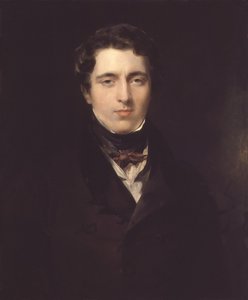
Richard Parkes Bonington
1802 - 1828 , Reino Unido
Datos clave
- Artistas Que Influyeron:
- François Louis Thomas Francia
- Eugène Delacroix
- Fecha De Muerte: 23 de septiembre de 1828
- Fecha De Nacimiento: 25 de octubre de 1802
- Influencia En Artistas: Artistas británicos e imitadores
- Lugar De Nacimiento: Arnold, Reino Unido
- Movimiento Artístico: Romanticismo Británico
- Nacionalidad: Británico
- Nombre Completo: Richard Parkes Bonington
- Obras Notables:
- Rouen, Normandía (c. 1823)
- Vista del lago cerca de Venecia (1827)
- Carlos V visita a Francisco I (c. 1827)
Artículos relacionados

John Constable: Las 25 Obras Maestras del Paisaje Inglés | ArtsDot
Descubre las 25 obras maestras de John Constable, el pintor romántico inglés que capturó la belleza del paisaje. Explora su técnica, historia y significado en ArtsDot.com. Reproducciones de arte de alta calidad para tu hogar.
Barcos en el Arte: 10 Obras Maestras para Inspirar tu Decoración
Descubre 10 obras maestras que capturan la belleza y el simbolismo de los barcos. Desde Monet hasta Van Gogh, explora la historia del arte marítimo e inspira tu decoración con reproducciones de museo en ArtsDot.com.

Paisajes Románticos: 10 Obras Maestras que Definieron un Movimiento Artístico
Descubre los 10 paisajes románticos más influyentes de artistas como Caspar David Friedrich y Turner. Explora la belleza, el simbolismo y las técnicas del movimiento romántico. Reproducciones de arte exclusivas en ArtsDot.com.

Evocations of Place: A Historical Journey Through Landscape Art
Explore the rich history of landscape art with ArtsDot. Discover renowned artists, movements like Impressionism & Romanticism, and expert guidance for collecting timeless pieces. Find your perfect serene escape today!
Richard Parkes Bonington: A Brief but Brilliant Career – Romantic Landscapes & the Dawn of Plein Air Painting
Explore the short but impactful career of Richard Parkes Bonington, a pivotal figure bridging British Romanticism & French plein air painting. Discover his luminous landscapes and lasting influence on Delacroix & beyond.