Ver en contexto
 Enviar
 Compartir
 Detalles

 Descargar
 Similares
 Radiografía
 Presentación de diapositivas
Henri IV and the Spanish Ambassador
 Acrylic On Canvas
- WallArt
- Romantic Landscape
 1827
1827 38.0 x 52.0 cm
 The Wallace Collection
 Ver más
Reproducción al óleo hecha a mano
Óleo sobre lienzo pintado a mano en el tamaño y marco de su elección, realizado por encargo por nuestros artistas. ( Comprar impresión Comprar imagen)




P118B $10

P118H $10

P118W $10

P438Z $10

P508JH $12

P508YH $12

P805H $10

P805Z $10

P919BZ $10

P919G $10

P919XJ $10

P959ZH $10

P968JZ $12

W106C $8

W218G $10

W218JH $8

W218Y $10

W307PJ $10

W316G $10

W316PJ $8

W316Y $10

W398PJ $8

W4111J $10

W500HY $15

W500JH $15

W692G $12

W849H $8

W940BG $15

W953PJ $8




Elija entre nuestros tamaños predefinidos que respetan las proporciones originales de la obra.

Puede ingresar sus propias dimensiones para adaptarse a un marco o espacio específico. Si el tamaño seleccionado no coincide con las proporciones de la imagen original, recortaremos la obra o extenderemos la pintura con elementos adicionales pintados a mano. Se le enviará una maqueta digital para su aprobación antes de comenzar la producción.
Tenga en cuenta que la vista previa en pantalla no refleja el recorte o la extensión reales. Solo la maqueta mostrará con precisión la composición final.
Si bien existen tamaños personalizados, recomendamos seleccionar una dimensión de la lista predefinida para preservar las proporciones originales.
Tras realizar el pedido, el equipo de ArtsDot.com enviará un correo electrónico al cliente para solicitar instrucciones y proporcionarle una vista previa del boceto.
Envío a todo el mundo () en 3-4 semanas en lugar de las 5 semanas estándar. (29 agosto). Sin comprometer la calidad.

Envío exprés gratuito a todo el mundo

Lienzo de lino de alta calidad

Seguro de envío total

Garantía de reembolso de impuestos aduaneros

Garantía de fidelidad cromática exacta

Política de devolución de 60 días (solo por defectos)

Garantía de devolución del 100% del dinero

Descuento por cantidad
 La opción de vidrio solo está disponible en tamaños inferiores a 110 cm.

Henri IV and the Spanish Ambassador
Técnica de reproducción
Dimensiones de la reproducción
-


Precio total final
$ 263
The Scene Unfolds: A Portrait of Courtly Grace
Richard Parkes Bonington’s “Henri IV and the Spanish Ambassador,” painted in 1827, isn't merely a portrait; it’s a carefully constructed tableau vivant – a snapshot of an opulent moment within the bustling court of Louis XIV. The painting captures a scene of diplomatic exchange, a meeting between the King of France and a Spanish envoy, set against the backdrop of a richly appointed interior. The composition is remarkably balanced, drawing the eye across the room with a subtle yet powerful orchestration of figures and details. Bonington masterfully employs light to define form and create a sense of depth, bathing the subjects in a warm, diffused glow that suggests both intimacy and formality.
- The Figures: Henri IV, depicted as a man of considerable presence despite his age, sits regally on a chair, radiating authority. His posture is relaxed yet dignified, conveying an air of shrewdness and experience. Opposite him stands the Spanish Ambassador, a figure of restrained elegance, engaged in conversation with the King.
- The Setting: The room itself is a testament to royal extravagance – tapestries adorn the walls, a vase overflows with flowers, and a table displays various objects indicative of wealth and status. Notice the carefully rendered details: the intricate patterns on the fabrics, the gleam of polished surfaces, and the subtle play of light on the furniture.
- The Dog & Cat: The inclusion of a dog and cat adds an unexpected layer of domesticity to this formal scene, softening the atmosphere and hinting at the human connection beneath the layers of diplomacy.
A Romantic Palette and Delicate Technique
Bonington’s artistic approach is distinctly Romantic, characterized by a focus on capturing fleeting moments of beauty and emotion. He eschewed the rigid conventions of academic painting in favor of a looser, more expressive style. His brushwork is remarkably delicate, almost translucent in places, creating an ethereal quality that imbues the scene with a sense of atmosphere. He skillfully blended watercolor with gouache and gum arabic to achieve a luminous effect reminiscent of oil paint – a technique that allowed him to capture the subtle nuances of light and color with exceptional precision.
Color & Light: Bonington’s use of color is particularly noteworthy. He employs a restrained palette, dominated by warm earth tones—ochres, browns, and reds—that are subtly accented by touches of gold and blue. The lighting is soft and diffused, creating a sense of intimacy and highlighting the textures of the fabrics and objects within the room. The artist’s ability to render light with such subtlety is one of the hallmarks of his style.Historical Context: A King at the Crossroads
“Henri IV and the Spanish Ambassador” was painted during a pivotal period in French history – the reign of Louis XIV, often referred to as the “Sun King.” Henry IV’s legacy was one of religious tolerance and political stability, achieved through pragmatic compromises. The painting reflects this era of relative peace and prosperity, but also hints at the underlying tensions that would soon erupt into the more turbulent years of Louis XIV's reign. The meeting depicted here represents a crucial moment in diplomatic relations between France and Spain, underscoring the importance of maintaining alliances and navigating complex political landscapes.
Richard Parkes Bonington (1802-1828): A tragically short-lived artist, Bonington’s career was cut short by tuberculosis. Despite his brief time in the art world, he left behind a remarkable body of work that is celebrated for its exquisite beauty and technical mastery. His ability to capture light, atmosphere, and emotion has earned him a place among the most influential Romantic painters of his generation.Symbolism & Emotional Resonance
Beyond its literal depiction of a diplomatic meeting, “Henri IV and the Spanish Ambassador” is rich in symbolic meaning. The carefully arranged objects within the room—the flowers, the books, the instruments—speak to themes of wealth, knowledge, and refinement. The presence of the dog and cat suggests loyalty and companionship, while the formal setting underscores the importance of etiquette and diplomacy. Ultimately, the painting evokes a sense of quiet dignity and understated elegance – a testament to the enduring power of art to capture not just appearances but also the essence of human experience.
Obras relacionadas

Biografía del artista
Primeros años y formación
Richard Parkes Bonington, una figura destacada del movimiento romántico británico, nació el 25 de octubre de 1802 en Arnold, Nottinghamshire, Reino Unido. Su padre, también llamado Richard, era un individuo multifacético que trabajó como carcelero, maestro de dibujo y fabricante de encaje. Este diverso trasfondo probablemente influyó en las primeras inclinaciones artísticas de Bonington. https://ArtsDot.com/@/richardparkesbonington, la plataforma en línea para entusiastas del arte, ofrece una extensa colección de obras de Bonington, mostrando su maestría sobre paisajes y escenas históricas.Evolución artística e influencias
El viaje artístico de Bonington comenzó con la pintura a la acuarela, enseñado por su padre. A los once años ya estaba exhibiendo en la Academia de Liverpool. En 1817, su familia se mudó a Calais, Francia, donde tomó lecciones de François Louis Thomas Francia, quien lo introdujo a la técnica inglesa de acuarela.- La influencia de Francia puede verse en las primeras obras de Bonington, caracterizadas por una mezcla de estilos inglés y francés.
- Su encuentro con Eugène Delacroix https://ArtsDot.com/@/eugenedelacroix, un pintor romántico francés, moldeó aún más su enfoque artístico.
- Su tiempo en la École des Beaux-Arts en París, bajo Antoine-Jean, Baron Gros, solidificó sus habilidades.
Obras destacadas y logros
Pinturas clave:- Rouen, Normandía, c. 1823 (disponible en /es/art/show/art-8xyhdc-es/
- Vista de la laguna cerca de Venecia, 1827 (Louvre)
- Carlos V visita a François Ier después de la batalla de Pavia, c. 1827
- Medalla de oro en el Salón de París en 1824, junto con John Constable y Anthony Vandyke Copley Fielding.
- El tributo de Delacroix al trabajo de Bonington en una carta a Théophile Thoré en 1861, destacando su ligereza de toque.
Legado y recuerdo
La vida de Bonington se truncó debido a la tuberculosis, que le arrebató la vida el 23 de septiembre de 1828, a los 25 años. A pesar de su breve carrera, dejó una huella imborrable en el romanticismo británico.- Una estatua en Nottingham School of Art, erigida por Watson Fothergill.
- Un teatro y escuela primaria en su ciudad natal de Arnold que llevan su nombre.
- La Wallace Collection alberga un grupo significativo de 35 obras, mostrando tanto sus paisajes como sus pinturas históricas.
Importancia Histórica
Richard Parkes Bonington fue fundamental en la transición del arte inglés hacia el Romanticismo y tuvo una influencia significativa en pintores posteriores como Delacroix. Su habilidad para capturar la luz y la atmósfera, combinada con su estilo fluido y espontáneo, lo convirtió en un artista innovador y admirado. Su trabajo ayudó a popularizar las acuarelas y los bocetos al aire libre, sentando las bases para el impresionismo posterior. Bonington es recordado como un talento precoz cuya carrera fue interrumpida demasiado pronto, pero cuyo legado continúa inspirando a artistas y amantes del arte en todo el mundo.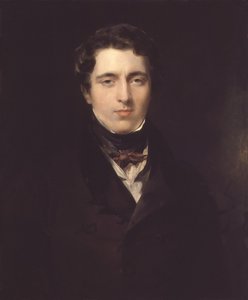
Richard Parkes Bonington
1802 - 1828 , Reino Unido
Datos clave
- Artistas Que Influyeron:
- François Louis Thomas Francia
- Eugène Delacroix
- Fecha De Muerte: 23 de septiembre de 1828
- Fecha De Nacimiento: 25 de octubre de 1802
- Influencia En Artistas: Artistas británicos e imitadores
- Lugar De Nacimiento: Arnold, Reino Unido
- Movimiento Artístico: Romanticismo Británico
- Nacionalidad: Británico
- Nombre Completo: Richard Parkes Bonington
- Obras Notables:
- Rouen, Normandía (c. 1823)
- Vista del lago cerca de Venecia (1827)
- Carlos V visita a Francisco I (c. 1827)
Artículos relacionados

Acuarelas Legendarias: 10 Obras Maestras que Transformaron el Arte | ArtsDot
Descubre 10 acuarelas legendarias de Turner, Monet y Sargent que revolucionaron el arte. Explora la historia, técnica y belleza de estas obras maestras impresionistas y románticas. Reproducciones de museo en ArtsDot.com.
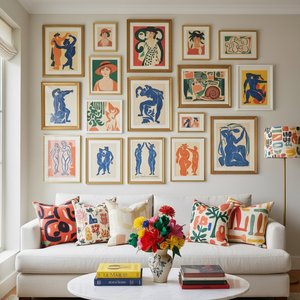
Henri Matisse: Las 25 Obras Maestras que Definieron un Genio del Color | ArtsDot
Descubre las 25 obras maestras de Henri Matisse, el rey del color y padre del fauvismo. Explora su arte moderno, lienzos vibrantes y la historia detrás de cada pintura icónica. Encuentra reproducciones de alta calidad en ArtsDot.com.

Ephemeral Visions: Exploring the Artistic Legacy & Contemporary Practice of Watercolor Painting
Explore the captivating world of watercolor painting! Discover its rich history, essential techniques, influential artists & collecting tips. A comprehensive guide for art enthusiasts from ArtsDot.

Visiones Efímeras: Historia y Resonancia Emocional de la Pintura Acuarela
Descubre la fascinante historia de la acuarela, desde sus orígenes hasta su expresión contemporánea. Explora técnicas, artistas clave como Paul Klee y encuentra reproducciones de alta calidad en ArtsDot.

Ephemeral Visions: Exploring the Artistic Legacy & Nuances of Watercolor Painting
Explore the captivating world of watercolor painting! Discover its rich history, essential techniques, influential artists & collecting tips from art experts. A comprehensive guide for enthusiasts.