 Ver en contexto
 Enviar
 Compartir
 Detalles

 Descargar
 Similares
 Radiografía
 Presentación de diapositivas
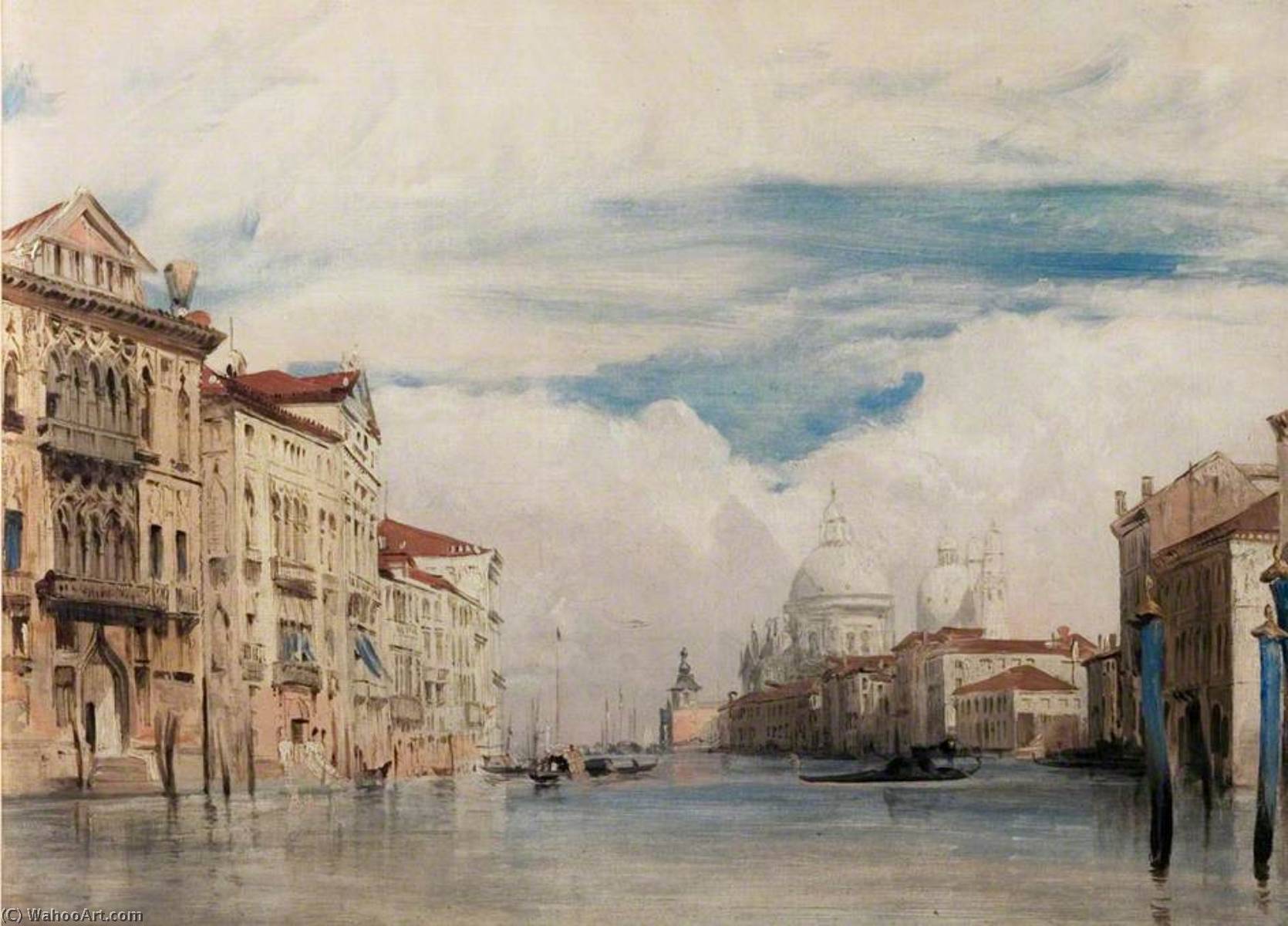
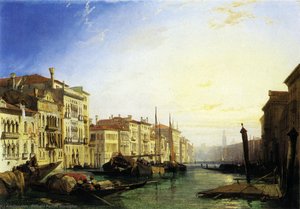
The Grand Canal, Venice
 Acrylic On Canvas
- WallArt
- Romantic Landscape Painting
 1827
1827 31.0 x 43.0 cm
 Nottingham Castle Museum y Galería de Arte
 Ver más
Reproducción al óleo hecha a mano
Óleo sobre lienzo pintado a mano en el tamaño y marco de su elección, realizado por encargo por nuestros artistas. ( Comprar impresión Comprar imagen)




P118B $10

P118H $10

P118W $10

P438Z $10

P508JH $12

P508YH $12

P805H $10

P805Z $10

P919BZ $10

P919G $10

P919XJ $10

P959ZH $10

P968JZ $12

W106C $8

W218G $10

W218JH $8

W218Y $10

W307PJ $10

W316G $10

W316PJ $8

W316Y $10

W398PJ $8

W4111J $10

W500HY $15

W500JH $15

W692G $12

W849H $8

W940BG $15

W953PJ $8




Elija entre nuestros tamaños predefinidos que respetan las proporciones originales de la obra.

Puede ingresar sus propias dimensiones para adaptarse a un marco o espacio específico. Si el tamaño seleccionado no coincide con las proporciones de la imagen original, recortaremos la obra o extenderemos la pintura con elementos adicionales pintados a mano. Se le enviará una maqueta digital para su aprobación antes de comenzar la producción.
Tenga en cuenta que la vista previa en pantalla no refleja el recorte o la extensión reales. Solo la maqueta mostrará con precisión la composición final.
Si bien existen tamaños personalizados, recomendamos seleccionar una dimensión de la lista predefinida para preservar las proporciones originales.
Tras realizar el pedido, el equipo de ArtsDot.com enviará un correo electrónico al cliente para solicitar instrucciones y proporcionarle una vista previa del boceto.
Envío a todo el mundo () en 3-4 semanas en lugar de las 5 semanas estándar. (24 agosto). Sin comprometer la calidad.

Envío exprés gratuito a todo el mundo

Lienzo de lino de alta calidad

Seguro de envío total

Garantía de reembolso de impuestos aduaneros

Garantía de fidelidad cromática exacta

Política de devolución de 60 días (solo por defectos)

Garantía de devolución del 100% del dinero

Descuento por cantidad
 La opción de vidrio solo está disponible en tamaños inferiores a 110 cm.

The Grand Canal, Venice
Técnica de reproducción
Dimensiones de la reproducción
-


Precio total final
$ 263
Descripción de la obra
The Grand Canal by Richard Parkes Bonington
Richard Parkes Bonington’s “The Grand Canal,” painted in 1826–1827, stands as a quintessential embodiment of Romantic landscape painting and a testament to the burgeoning fascination with capturing atmospheric grandeur. Executed during Bonington's prolific Venetian sojourn—a period profoundly influenced by his friendship with Eugène Delacroix—this artwork transcends mere visual representation; it aspires to evoke a feeling of sublime beauty and transports the viewer into the heart of Venice’s vibrant cultural landscape.Subject Matter & Composition
The scene depicts a panoramic vista of the Grand Canal, Venice, skillfully rendered against a backdrop of expansive skies dominated by muted blues and greys—a characteristic feature of Romantic painters' preoccupation with capturing natural phenomena. Buildings lining both sides of the canal ascend in receding planes, culminating in the imposing dome of Santa Maria della Salute, creating a dynamic composition that draws the eye towards the distant horizon. Scattered gondolas punctuate the water’s surface, adding movement and life to the tranquil scene. Bonington's compositional choices prioritize balance and perspective, mirroring the conventions established by artists like JMW Turner and Thomas Girtin—figures who championed the exploration of light and atmosphere as primary artistic concerns.Style & Technique
Bonington’s distinctive style is firmly rooted in the Romantic tradition, prioritizing expressive brushwork over meticulous detail. Loose, gestural strokes dominate the canvas, conveying a palpable sense of movement and capturing the ephemeral qualities of Venetian daylight. He skillfully employs atmospheric perspective—a technique whereby distant objects appear paler and less distinct—to heighten the illusion of depth and create an immersive experience for the viewer. Bonington’s masterful blending of watercolor with gouache achieves a luminous effect reminiscent of oil painting, resulting in a textured surface that subtly reflects the ambient light. The artist's deliberate layering of paint contributes to the artwork’s overall richness and visual complexity.Historical Context & Influence
Painted at the cusp of the Romantic era, “The Grand Canal” reflects the broader artistic currents of its time—a movement characterized by an intense emotional response to nature and a rejection of Neoclassical formalism. Bonington's Venetian paintings were particularly admired by contemporaries like JMW Turner, who recognized in Bonington’s work a kindred spirit devoted to capturing sublime beauty. The artwork served as inspiration for Delacroix, whose own landscapes would similarly prioritize expressive brushwork and atmospheric effects. Furthermore, Bonington’s innovative technique—combining watercolor with gouache—challenged prevailing artistic conventions and paved the way for future developments in plein air painting.Symbolism & Emotional Impact
Beyond its aesthetic merits, “The Grand Canal” carries symbolic significance, encapsulating Venice's role as a center of art, commerce, and cultural prestige during the Romantic period. The canal itself represents a conduit of history and tradition—a vital artery connecting the city’s past to its present. Bonington’s depiction captures not merely a visual spectacle but also an emotional resonance—a feeling of serenity mingled with nostalgia for a bygone era. The artwork invites contemplation on themes of beauty, grandeur, and the fleeting nature of time, leaving a lasting impression on viewers who appreciate the power of art to evoke profound emotions.Provenance & Legacy
Currently housed in Nottingham City Museums & Galleries (NG 2164), “The Grand Canal” exemplifies Bonington’s enduring legacy as one of Britain's foremost Romantic landscape painters. Its acquisition from Arthur Tooth & Sons Ltd in 1958 solidified its place within the national collection and ensured its continued appreciation by generations of art enthusiasts. The artwork remains a celebrated exemplar of Romantic painting, demonstrating Bonington’s unparalleled ability to translate atmospheric grandeur into visual splendor—a feat that continues to inspire artists and captivate audiences today.Obras relacionadas

Biografía del artista
Primeros años y formación
Richard Parkes Bonington, una figura destacada del movimiento romántico británico, nació el 25 de octubre de 1802 en Arnold, Nottinghamshire, Reino Unido. Su padre, también llamado Richard, era un individuo multifacético que trabajó como carcelero, maestro de dibujo y fabricante de encaje. Este diverso trasfondo probablemente influyó en las primeras inclinaciones artísticas de Bonington. https://ArtsDot.com/@/richardparkesbonington, la plataforma en línea para entusiastas del arte, ofrece una extensa colección de obras de Bonington, mostrando su maestría sobre paisajes y escenas históricas.Evolución artística e influencias
El viaje artístico de Bonington comenzó con la pintura a la acuarela, enseñado por su padre. A los once años ya estaba exhibiendo en la Academia de Liverpool. En 1817, su familia se mudó a Calais, Francia, donde tomó lecciones de François Louis Thomas Francia, quien lo introdujo a la técnica inglesa de acuarela.- La influencia de Francia puede verse en las primeras obras de Bonington, caracterizadas por una mezcla de estilos inglés y francés.
- Su encuentro con Eugène Delacroix https://ArtsDot.com/@/eugenedelacroix, un pintor romántico francés, moldeó aún más su enfoque artístico.
- Su tiempo en la École des Beaux-Arts en París, bajo Antoine-Jean, Baron Gros, solidificó sus habilidades.
Obras destacadas y logros
Pinturas clave:- Rouen, Normandía, c. 1823 (disponible en /es/art/show/art-8xyhdc-es/
- Vista de la laguna cerca de Venecia, 1827 (Louvre)
- Carlos V visita a François Ier después de la batalla de Pavia, c. 1827
- Medalla de oro en el Salón de París en 1824, junto con John Constable y Anthony Vandyke Copley Fielding.
- El tributo de Delacroix al trabajo de Bonington en una carta a Théophile Thoré en 1861, destacando su ligereza de toque.
Legado y recuerdo
La vida de Bonington se truncó debido a la tuberculosis, que le arrebató la vida el 23 de septiembre de 1828, a los 25 años. A pesar de su breve carrera, dejó una huella imborrable en el romanticismo británico.- Una estatua en Nottingham School of Art, erigida por Watson Fothergill.
- Un teatro y escuela primaria en su ciudad natal de Arnold que llevan su nombre.
- La Wallace Collection alberga un grupo significativo de 35 obras, mostrando tanto sus paisajes como sus pinturas históricas.
Importancia Histórica
Richard Parkes Bonington fue fundamental en la transición del arte inglés hacia el Romanticismo y tuvo una influencia significativa en pintores posteriores como Delacroix. Su habilidad para capturar la luz y la atmósfera, combinada con su estilo fluido y espontáneo, lo convirtió en un artista innovador y admirado. Su trabajo ayudó a popularizar las acuarelas y los bocetos al aire libre, sentando las bases para el impresionismo posterior. Bonington es recordado como un talento precoz cuya carrera fue interrumpida demasiado pronto, pero cuyo legado continúa inspirando a artistas y amantes del arte en todo el mundo.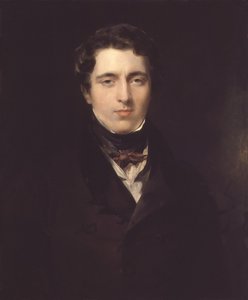
Richard Parkes Bonington
1802 - 1828 , Reino Unido
Datos clave
- Artistas Que Influyeron:
- François Louis Thomas Francia
- Eugène Delacroix
- Fecha De Muerte: 23 de septiembre de 1828
- Fecha De Nacimiento: 25 de octubre de 1802
- Influencia En Artistas: Artistas británicos e imitadores
- Lugar De Nacimiento: Arnold, Reino Unido
- Movimiento Artístico: Romanticismo Británico
- Nacionalidad: Británico
- Nombre Completo: Richard Parkes Bonington
- Obras Notables:
- Rouen, Normandía (c. 1823)
- Vista del lago cerca de Venecia (1827)
- Carlos V visita a Francisco I (c. 1827)
Artículos relacionados
Richard Parkes Bonington: A Brief but Brilliant Career – Romantic Landscapes & the Dawn of Plein Air Painting
Explore the short but impactful career of Richard Parkes Bonington, a pivotal figure bridging British Romanticism & French plein air painting. Discover his luminous landscapes and lasting influence on Delacroix & beyond.

Paisajes Románticos: 10 Obras Maestras que Definieron un Movimiento Artístico
Descubre los 10 paisajes románticos más influyentes de artistas como Caspar David Friedrich y Turner. Explora la belleza, el simbolismo y las técnicas del movimiento romántico. Reproducciones de arte exclusivas en ArtsDot.com.

Evocations of Place: A Historical Journey Through Landscape Art
Explore the rich history of landscape art with ArtsDot. Discover renowned artists, movements like Impressionism & Romanticism, and expert guidance for collecting timeless pieces. Find your perfect serene escape today!

John Constable: Las 25 Obras Maestras del Paisaje Inglés | ArtsDot
Descubre las 25 obras maestras de John Constable, el pintor romántico inglés que capturó la belleza del paisaje. Explora su técnica, historia y significado en ArtsDot.com. Reproducciones de arte de alta calidad para tu hogar.
El Sublime y lo Pintoresco: Explorando la Emoción y la Naturaleza en la Pintura Romántica de Paisaje
Explora la profunda conexión entre el arte romántico y la naturaleza. Descubre a Caspar David Friedrich, John Constable y otros maestros del sublime y lo pintoresco. Análisis experto e historia del movimiento.