

 Ver en contexto
 Enviar
 Compartir
 Detalles

 Descargar
 Similares
 Radiografía
 Presentación de diapositivas
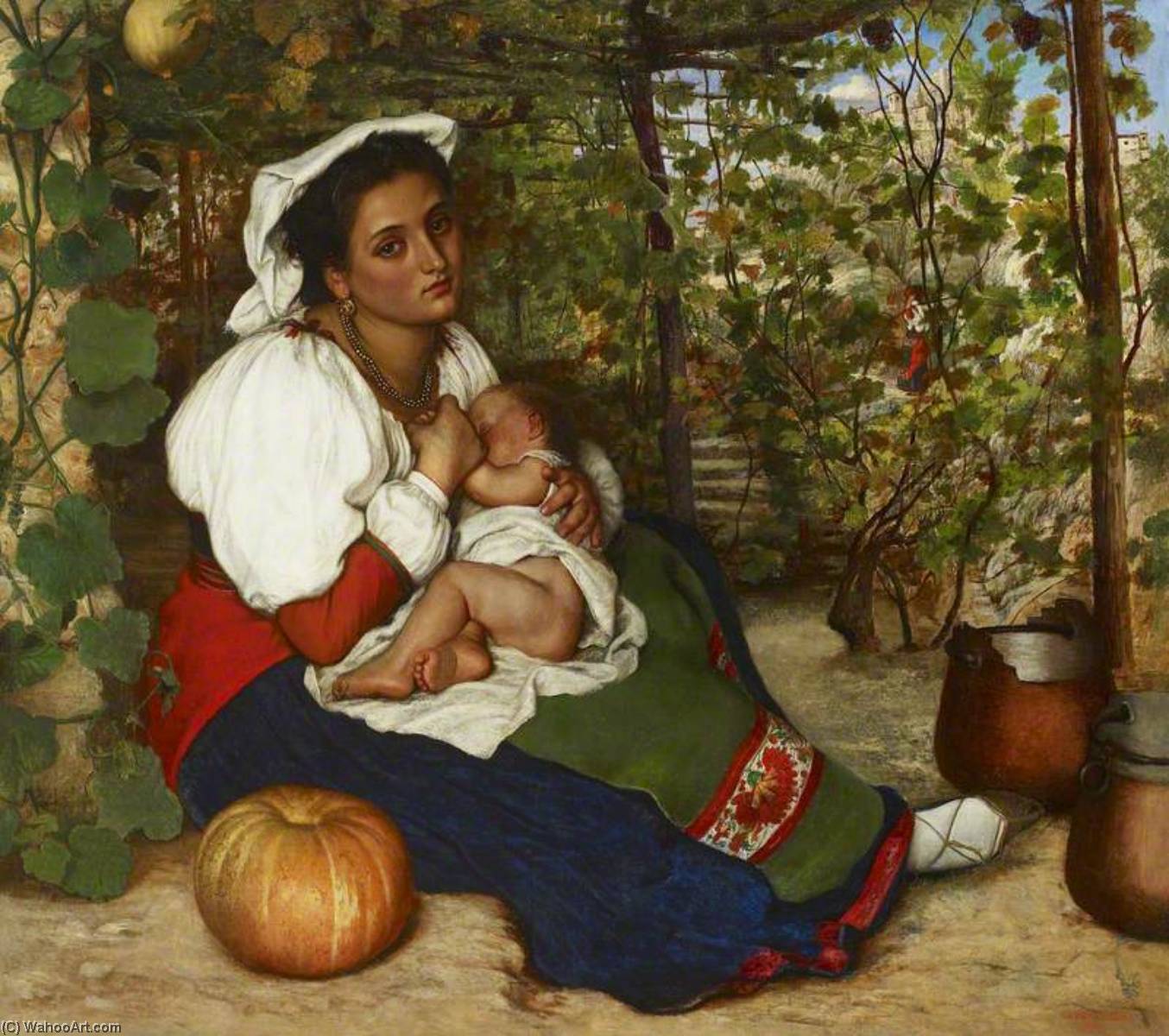
A Woman of San Germano
 Oil On Canvas
- WallArt
- Romanticism
 1864
1864- 19th Century
 58.0 x 65.0 cm
 El Museo Ashmolean de Arte y Arqueología
 Ver más
Reproducción al óleo hecha a mano
Óleo sobre lienzo pintado a mano en el tamaño y marco de su elección, realizado por encargo por nuestros artistas. ( Comprar impresión Comprar imagen)




P118B $10

P118H $10

P118W $10

P438Z $10

P508JH $12

P508YH $12

P805H $10

P805Z $10

P919BZ $10

P919G $10

P919XJ $10

P959ZH $10

P968JZ $12

W106C $8

W218G $10

W218JH $8

W218Y $10

W307PJ $10

W316G $10

W316PJ $8

W316Y $10

W398PJ $8

W4111J $10

W500HY $15

W500JH $15

W692G $12

W849H $8

W940BG $15

W953PJ $8




Elija entre nuestros tamaños predefinidos que respetan las proporciones originales de la obra.

Puede ingresar sus propias dimensiones para adaptarse a un marco o espacio específico. Si el tamaño seleccionado no coincide con las proporciones de la imagen original, recortaremos la obra o extenderemos la pintura con elementos adicionales pintados a mano. Se le enviará una maqueta digital para su aprobación antes de comenzar la producción.
Tenga en cuenta que la vista previa en pantalla no refleja el recorte o la extensión reales. Solo la maqueta mostrará con precisión la composición final.
Si bien existen tamaños personalizados, recomendamos seleccionar una dimensión de la lista predefinida para preservar las proporciones originales.
Tras realizar el pedido, el equipo de ArtsDot.com enviará un correo electrónico al cliente para solicitar instrucciones y proporcionarle una vista previa del boceto.
Envío a todo el mundo () en 3-4 semanas en lugar de las 5 semanas estándar. (30 agosto). Sin comprometer la calidad.

Envío exprés gratuito a todo el mundo

Lienzo de lino de alta calidad

Seguro de envío total

Garantía de reembolso de impuestos aduaneros

Garantía de fidelidad cromática exacta

Política de devolución de 60 días (solo por defectos)

Garantía de devolución del 100% del dinero

Descuento por cantidad
 La opción de vidrio solo está disponible en tamaños inferiores a 110 cm.

A Woman of San Germano
Técnica de reproducción
Dimensiones de la reproducción
-


Precio total final
$ 288
The Intimate World of Robert Braithwaite Martineau
Robert Braithwaite Martineau’s “A Woman of San Germano,” painted in 1864, isn't merely a depiction of a mother and child; it’s a carefully constructed tableau brimming with Victorian sensibilities, Romantic ideals, and a subtle narrative depth. Born into a family steeped in both legal tradition and artistic inclination – his father a respected barrister, his mother an amateur painter – Martineau initially pursued a career in law before finding his true calling on the canvas. This dual experience likely informed his work, imbuing it with a meticulous attention to detail and a quiet moral scrutiny that distinguishes him from some of his more flamboyant Pre-Raphaelite contemporaries.
The painting immediately draws the viewer into an atmosphere of serene domesticity. Set within a lush, overgrown garden – a deliberate choice reflecting the Romantic fascination with nature’s untamed beauty – we encounter a woman seated outdoors, tenderly attending to her infant child. The composition is thoughtfully centered around this intimate scene, yet subtly off-balance, creating a sense of quiet observation rather than direct confrontation. The lighting, soft and diffused like a late afternoon sun, washes the figures in a warm glow, highlighting the textures of their garments and the verdant foliage surrounding them. Perspective is deliberately shallow, pulling us into the heart of this private moment, as if we’ve become silent witnesses to a cherished domestic ritual.
A Symphony of Detail: Technique and Materials
Martineau's mastery lies in his painstaking technique. He employs oil paints with remarkable precision, meticulously rendering every fold of fabric, every leaf, and every strand of hair. Visible brushstrokes contribute to the rich texture of the scene – the rough bark of the trees, the delicate petals of flowers, and the smooth skin of the figures all possess a tangible quality. The artist’s deliberate layering of paint creates an illusion of depth, drawing our eye into the garden's hidden corners and suggesting a sense of vastness despite the intimate scale of the composition. The color palette is predominantly earthy – greens, browns, ochres – punctuated by subtle accents of red in the woman’s dress and the pumpkin prominently displayed, a potent symbol of fertility and abundance within the Victorian context.
Beyond mere representation, Martineau demonstrates an understanding of light and shadow. The diffused sunlight casts long, gentle shadows, adding to the painting's atmosphere of tranquility and warmth. The careful modeling of forms – particularly the woman’s face and hands – reveals a deep appreciation for anatomy and a desire to capture not just appearance but also the subtle nuances of human expression.
Symbolism and Victorian Values
“A Woman of San Germano” is rich in symbolic elements, reflecting the prevailing values of 19th-century England. The pumpkin, a recurring motif in Victorian art, represents fertility, prosperity, and the cyclical nature of life. Its presence underscores the painting’s celebration of domesticity and the continuation of family lineage. The woman's posture – relaxed yet attentive – embodies the ideal of motherhood as both nurturer and guardian. Furthermore, the setting itself—a slightly wild, overgrown garden—suggests a connection to rural life and a reverence for nature, aligning with the Romantic movement’s emphasis on emotional experience and the sublime.
Interestingly, research reveals that Martineau drew inspiration from Holman Hunt's "Past and Present," which depicted a similar figure in Neapolitan costume. While Martineau didn't travel to Italy himself, he skillfully adapted this theme, creating his own distinct interpretation by setting the scene within a meticulously imagined English garden. This subtle nod to a contemporary artistic precedent adds another layer of complexity to the painting’s narrative.
A Legacy of Victorian Realism
Robert Braithwaite Martineau's “A Woman of San Germano” stands as a testament to the quiet power of Victorian realism. It is not a grand, dramatic scene but rather an intimate portrait of everyday life, imbued with symbolic meaning and rendered with exquisite technical skill. The painting’s enduring appeal lies in its ability to evoke a sense of warmth, serenity, and timeless beauty – qualities that continue to resonate with viewers today. Reproductions capture the essence of this remarkable work, offering a window into a bygone era and a poignant reflection on the universal themes of motherhood, family, and the connection between humanity and nature.
Obras relacionadas

Biografía del artista
Robert Braithwaite Martineau: Una Vida en Realismo Victoriano
Primeros Años y Educación
- Nacido: Londres, Reino Unido (1826)
- Fallecido: 1869
- Robert Braithwaite Martineau provenía de una familia con conexiones artísticas y legales. Su madre, Elizabeth Batty, era la nieta del médico y pintor aficionado Robert Batty, M.D., mientras que su padre, Philip Martineau, era un maestro en chancelería.
- Asistió a Colfes School durante unos años comenzando a los 15 años.
- Inicialmente entrenado como abogado, Martineau posteriormente persiguió una formación artística formal en la Royal Academy, donde obtuvo una medalla de plata.
Desarrollo Artístico e Influencias
- Asociación Pre-Rafaelita: Un momento crucial en el desarrollo de Martineau fue su estudio bajo el artista Pre-Rafaelita William Holman Hunt. Incluso compartió un estudio con Hunt durante un tiempo.
- Esta asociación influyó profundamente en su estilo, llevándolo a adoptar el realismo detallado, la narración y los temas morales característicos del movimiento.
- Influencias Clave: Más allá de Hunt, las sensibilidades artísticas de Martineau fueron moldeadas por un deseo de representar la vida cotidiana con honestidad y profundidad emocional. Se alejó de las representaciones idealizadas hacia retratos más arraigados de la sociedad victoriana.
Obras Principales y Temas
- 'El Último Día en el Viejo Hogar' (1864): Quizás su obra más famosa, este cuadro retrata al Coronel John Leslie Toke después de haber perdido sus tierras por las apuestas. Es una poderosa representación del arruin y la consecuencia.
- Enfoque Narrativo: Martineau eligió con frecuencia temas que contaban historias, a menudo con comentarios morales o sociales. Sus pinturas no eran meros retratos sino ventanas a la vida victoriana.
- Otras Pinturas Notables: Incluyen 'La niña con un aro,' ‘Una mujer de San Germano,’ ‘Picciola,’ y ‘La lección de escritura de Kit.’ Estas obras demuestran su versatilidad al representar diversos escenarios, desde momentos íntimos en el hogar hasta narrativas históricas.
- Sus pinturas a menudo exploraron temas de realismo social, moralidad, pérdida y las cambiantes dinámicas dentro de la sociedad victoriana.
Significado Histórico y Legado
- Comentario Social: El trabajo de Martineau destaca por su disposición a abordar verdades difíciles o incómodas sobre la vida victoriana. No se rehusó a representar las consecuencias de los fracasos sociales.
- Sus pinturas proporcionan valiosos conocimientos sobre los valores, ansiedades y realidades de Inglaterra en el siglo XIX.
- Reconocimiento Póstumo: Aunque murió relativamente joven a los 43 años, su obra ha ganado un reconocimiento creciente en los últimos años.
- Sus pinturas se conservan ahora en colecciones destacadas como la Tate Gallery (Londres), el Ashmolean Museum (Oxford) y la Liverpool Art Gallery.
- Vida Personal: En 1865, Martineau se casó con Maria Wheeler y tuvo dos hijos. Está enterrado en el Cementerio de Kensal Green.

Robert Braithwaite Martineau
1826 - 1869 , United Kingdom
Datos clave
- Artistas Que Influyeron: ['William Holman Hunt']
- Fecha De Fallecimiento: 1869
- Fecha De Nacimiento: 1826
- Lugar De Nacimiento: Londres, Reino Unido
- Movimiento Artístico: Pre-Rafaelita, Realismo
- Nacionalidad: Británico
- Nombre Completo: Robert Braithwaite Martineau
- Obras Notables:
- El Último Día...
- Niña con un aro
- Lección de escritura
Artículos relacionados

Paisajes Románticos: 10 Obras Maestras que Definieron un Movimiento Artístico
Descubre los 10 paisajes románticos más influyentes de artistas como Caspar David Friedrich y Turner. Explora la belleza, el simbolismo y las técnicas del movimiento romántico. Reproducciones de arte exclusivas en ArtsDot.com.

John Constable: Las 25 Obras Maestras del Paisaje Inglés | ArtsDot
Descubre las 25 obras maestras de John Constable, el pintor romántico inglés que capturó la belleza del paisaje. Explora su técnica, historia y significado en ArtsDot.com. Reproducciones de arte de alta calidad para tu hogar.

Cultivating Visions: A Historical Journey Through Rural Landscapes in Art
Explore the rich history of rural landscape painting with ArtsDot. Discover Impressionist masterpieces, key artists & movements. Find your perfect serene artwork and bring nature's beauty home.

Evocations of Place: A Historical Journey Through Landscape Art
Explore the rich history of landscape art with ArtsDot. Discover renowned artists, movements like Impressionism & Romanticism, and expert guidance for collecting timeless pieces. Find your perfect serene escape today!

El Sublime y lo Pintoresco: Explorando la Emoción y la Naturaleza en la Pintura Romántica de Paisaje
Explora la profunda conexión entre el arte romántico y la naturaleza. Descubre a Caspar David Friedrich, John Constable y otros maestros del sublime y lo pintoresco. Análisis experto e historia del movimiento.

