 Ver en contexto
 Enviar
 Compartir
 Detalles

 Descargar
 Similares
 Radiografía
 Presentación de diapositivas
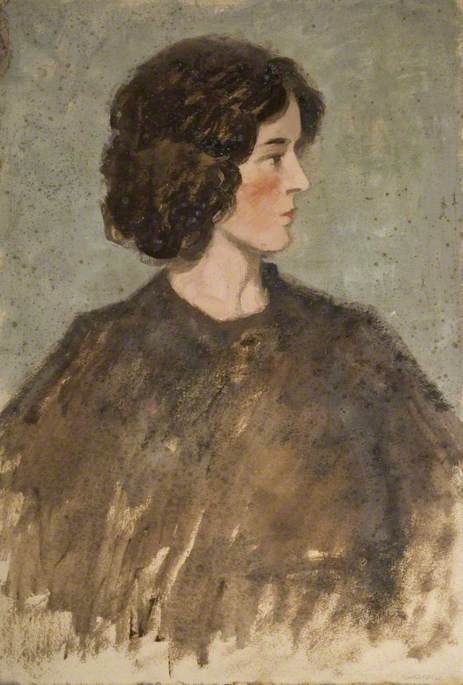
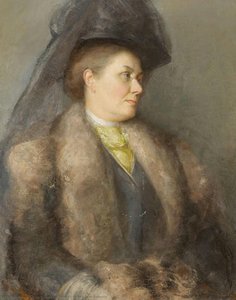
Retrato de una dama
 Romanticism
 61.0 x 40.0 cm
 Ver más
Reproducción al óleo hecha a mano
Óleo sobre lienzo pintado a mano en el tamaño y marco de su elección, realizado por encargo por nuestros artistas. ( Comprar impresión Comprar imagen)




































Elija entre nuestros tamaños predefinidos que respetan las proporciones originales de la obra.

Puede ingresar sus propias dimensiones para adaptarse a un marco o espacio específico. Si el tamaño seleccionado no coincide con las proporciones de la imagen original, recortaremos la obra o extenderemos la pintura con elementos adicionales pintados a mano. Se le enviará una maqueta digital para su aprobación antes de comenzar la producción.
Tenga en cuenta que la vista previa en pantalla no refleja el recorte o la extensión reales. Solo la maqueta mostrará con precisión la composición final.
Si bien existen tamaños personalizados, recomendamos seleccionar una dimensión de la lista predefinida para preservar las proporciones originales.
Tras realizar el pedido, el equipo de ArtsDot.com enviará un correo electrónico al cliente para solicitar instrucciones y proporcionarle una vista previa del boceto.
Envío a todo el mundo () en 3-4 semanas en lugar de las 5 semanas estándar. (23 agosto). Sin comprometer la calidad.

Envío exprés gratuito a todo el mundo

Lienzo de lino de alta calidad

Seguro de envío total

Garantía de reembolso de impuestos aduaneros

Garantía de fidelidad cromática exacta

Política de devolución de 60 días (solo por defectos)

Garantía de devolución del 100% del dinero

Descuento por cantidad
 La opción de vidrio solo está disponible en tamaños inferiores a 110 cm.

Retrato de una dama
Técnica de reproducción
Dimensiones de la reproducción
-


Precio total final
$ 263
Descripción de la obra
Una Mirada a la Introspección: El "Retrato de una Dama" de Robert Ernest Mceune
Esta evocadora pintura al óleo de Robert Ernest Mceune ofrece una conmovedora visión del mundo introspectivo de una joven dama. Ejecutada alrededor del siglo XX, este retrato la captura en perfil, presentando un estudio de tranquila dignidad y sutil melancolía. La fortaleza de la obra reside no en los detalles llamativos, sino en su capacidad para transmitir una profunda sensación de estado de ánimo a través de colores restringidos y pinceladas expresivas – señas distintivas del estilo Romántico que influyó en el trabajo de Mceune. La mirada desviada de la retratada invita al espectador a proyectar sus propias interpretaciones sobre su expresión, fomentando una conexión profundamente personal con la obra.Estilo y Técnica: Una Fusión de Tradición Académica y Sensibilidad Romántica
Mceune demuestra un dominio de las técnicas de pintura al óleo dentro de un marco que combina el retrato académico con la profundidad emocional característica del Romanticismo. La aplicación de la pintura es suelta y texturizada, evidente en las pinceladas visibles que contribuyen a la apariencia envejecida de la obra e imbuyen una sensación de inmediatez. Delgadas capas de óleo se aplican meticulosamente para construir tonos y crear sutiles cambios de luz y sombra. Esta técnica permite una profundidad notable a pesar de la naturaleza bidimensional de la composición. La paleta apagada, dominada por marrones y tonos tierra, realza aún más el ambiente sombrío y contemplativo. La ausencia de contornos nítidos enfatiza las formas orgánicas del rostro y la ropa, creando una estética suave y fluida.Contexto Histórico e Influencias Artísticas
Robert Ernest Mceune (1876-1952) fue un artista británico conocido por sus serenos paisajes, bodegones y estudios de personajes, a menudo representando escenas de Suiza. Si bien este retrato no representa un paisaje, comparte con otras obras una tranquila observación de la forma humana y la emoción. El siglo XX temprano fue testigo de un cambio alejándose de la rigidez formal del retrato victoriano hacia representaciones más expresivas y psicológicamente matizadas. La obra de Mceune refleja esta transición, inspirándose en los maestros románticos anteriores al tiempo que forja su propio estilo distintivo. El enfoque en capturar el estado de ánimo y la vida interior se alinea con las tendencias artísticas más amplias que enfatizan la autenticidad emocional sobre el realismo estricto.Simbolismo e Impacto Emocional
Más allá de las cualidades puramente estéticas de la pintura, "Retrato de una Dama" conlleva un sutil peso simbólico. La mirada baja de la retratada y su expresión ligeramente melancólica sugieren introspección o quizás una tristeza tranquila. El esquema de color sombrío refuerza esta sensación, evocando una sensación de nostalgia o contemplación pacífica. Si bien no se presenta ninguna narrativa explícita, el retrato invita a los espectadores a considerar la historia de la mujer: sus pensamientos, sus sentimientos, su lugar en el mundo. Esta ambigüedad contribuye al atractivo perdurable de la obra y permite múltiples interpretaciones, convirtiéndola en una pieza cautivadora tanto para los entusiastas del arte como para aquellos que buscan agregar un toque de elegante tranquilidad a su espacio.- Materiales: Pinturas al óleo sobre lienzo
- Tamaño: 61 x 40 cm
- Fecha: Desconocida (Principios del siglo XX)
Obras relacionadas
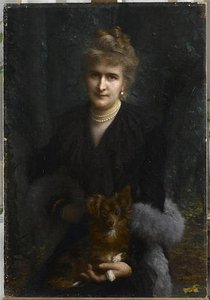
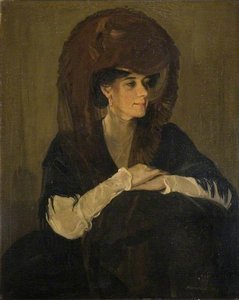
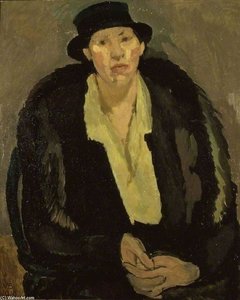
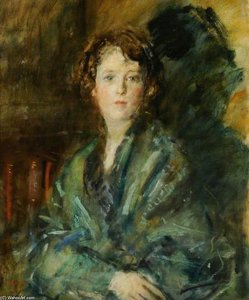
Biografía del artista
Robert Ernest McEune: A Quiet Observer of the British Landscape
Robert Ernest McEune (1876-1952) was a largely unsung British artist whose career spanned nearly half a century, marked by a consistent dedication to capturing the serene beauty of the English countryside and offering intimate portraits of his subjects. Though he never achieved widespread fame during his lifetime, his work—primarily oil paintings and watercolours—now resides in public collections across Britain, revealing a subtle yet compelling artistic voice deeply rooted in the traditions of academic art while possessing a distinctly personal sensibility.
Born in Gateshead, County Durham, in 1876, McEune’s early life was shaped by his family's modest circumstances. His father, Robert McEune, a grocer, faced financial difficulties and declared bankruptcy in 1881, an event that likely influenced the young artist’s pragmatic approach to his profession. Despite this challenging beginning, McEune pursued artistic training at the Gateshead School of Art and later at Kings College, Newcastle, honing his skills in various mediums. He initially worked as a clerk for a local coal company, balancing his art with the demands of a working life – a pattern that would continue throughout much of his career.
McEune’s artistic development is particularly notable through his work for Milner & Co., a prominent Halifax publishing house specializing in affordable children's books. From around 1900 until the early 1920s, he illustrated numerous titles, including adaptations of classic stories like *Alice’s Adventures in Wonderland* and *Tom Brown’s Schooldays*. These illustrations, characterized by their detailed realism and subtle tonal variations, demonstrate a mastery of watercolour techniques and a keen eye for capturing human character. While the exact dates of these commissions remain somewhat elusive, they represent a crucial period in McEune's artistic journey, providing him with valuable experience and exposure.
Following his retirement from employment, McEune settled in Penrith, Cumberland, where he continued to paint prolifically. He also took on the role of art teacher at Newcastle’s Royal Grammar School, sharing his knowledge and passion with a new generation of artists. His later works often focused on landscapes – particularly scenes from Northumberland – rendered with a quiet dignity and an appreciation for the subtle shifts in light and colour. These paintings reflect a mature artistic perspective, imbued with a sense of peace and contemplation. McEune’s style evolved over time, moving away from the more illustrative techniques of his earlier work towards a greater emphasis on capturing atmospheric effects and conveying mood through brushwork.
A Portfolio of Landscapes and Portraits
McEune's oeuvre is remarkably diverse, encompassing landscapes, portraits, still lifes, and studies of plaster busts. His landscape paintings are particularly noteworthy for their ability to evoke the tranquility of the English countryside. Works like “Cottage Lane in Winter” and “The Thames at Windsor” capture the essence of rural life with a delicate sensitivity, revealing an intimate understanding of light, texture, and composition. His portraits, often characterized by their understated realism and psychological depth, offer glimpses into the lives of ordinary people – fishermen mending lobster pots, old men, and young boys.
The Shipley Art Gallery in Newcastle holds a significant collection of McEune’s work, including several key pieces that exemplify his artistic style. These paintings—ranging from intimate studies to expansive landscapes—provide valuable insights into the artist's creative process and his enduring fascination with the beauty of the British Isles. The gallery’s holdings also include numerous watercolours, showcasing McEune’s versatility and his ability to capture fleeting moments of light and colour.
Influences and Artistic Style
McEune’s artistic style is best described as a blend of academic tradition and personal observation. He was undoubtedly influenced by the prevailing artistic conventions of his time, particularly the emphasis on realism and meticulous detail that characterized much of 19th-century British art. However, he also possessed a distinctive sensibility—a quietness and restraint that set him apart from more flamboyant or expressive artists. His use of muted tones, subtle brushwork, and careful attention to detail create paintings that are both visually appealing and emotionally resonant.
The artist’s work can be seen as a reflection of the broader cultural context in which he lived—a period of social change and artistic experimentation. While McEune never actively engaged with avant-garde movements, his paintings nonetheless embody a sense of quiet dignity and understated beauty that resonated with many viewers during his lifetime.
Legacy and Historical Significance
Despite his relative obscurity during his lifetime, Robert Ernest McEune’s work has gained increasing recognition in recent years. His paintings are now appreciated for their quiet charm, technical skill, and subtle emotional depth. McEune's contribution to British art lies not in groundbreaking innovation but rather in his consistent dedication to capturing the beauty of everyday life and offering intimate portraits of a bygone era.
His work serves as a reminder that artistic excellence can be found in unexpected places—in the hands of artists who quietly pursued their craft with passion and integrity. The collection held by the Shipley Art Gallery, along with other public collections across Britain, ensures that McEune’s legacy will continue to inspire and delight future generations of art lovers.
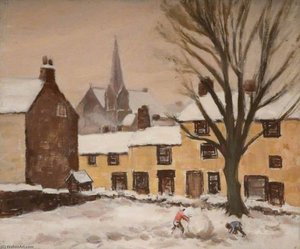
robert ernest mceune
1876 - 1952
Datos clave
- Artistic Movement Or Style: Academic Realism
- Artists Or Movements Influenced By This Artist: ['Ernest Hébert']
- Artists Who Influenced This Artist: ['William Fitzjames White']
- Date Of Birth: 1876-09-12
- Date Of Death: 1952-03-24
- Full Name: Robert Ernest McEune
- Nationality: British
- Notable Artworks:
- Portrait of a Lady
- Head of a Young Man
- Oil Study Plaster Bust
- Place Of Birth: Gateshead, England
Artículos relacionados

The Enduring Legacy of Oil on Canvas: Technique, History & Aesthetic Impact
Explore the rich history & techniques of oil painting – from Renaissance masters to Impressionism. Discover pigments, layering methods, and why this timeless medium endures. Expert insights for artists & art enthusiasts.
Hubert Robert: Picturing Ruins, Preserving Memory – A Study of Romantic Antiquarianism & Artistic Innovation
Explore the captivating world of Hubert Robert, master of Romantic landscape painting & 'capriccio' ruins. Discover his historical context, artistic innovations, and collecting insights with ArtsDot.

El Óleo sobre Lienzo: Historia, Técnica y la Persistencia de un Medio Artístico Atemporal
Descubre la historia y técnica del óleo sobre lienzo. Explora reproducciones fieles hechas a mano, personalización artística y consejos de expertos con ArtsDot. ¡Colecciona arte con confianza!

The Enduring Power of Painting: A Historical & Contemporary Exploration of Form and Emotion
Explore the rich history & enduring techniques of oil painting with ArtsDot. Discover masterpieces, learn about art collecting, and find authentic handmade reproductions crafted by skilled artists.

El Legado Duradero del Óleo sobre Lienzo: Técnica, Historia y Práctica Contemporánea
Descubre la historia y técnica del óleo sobre lienzo. Explora reproducciones fieles hechas a mano, personalización artística y consejos de expertos con .