

 Ver en contexto
 Enviar
 Compartir
 Detalles

 Descargar
 Similares
 Radiografía
 Presentación de diapositivas
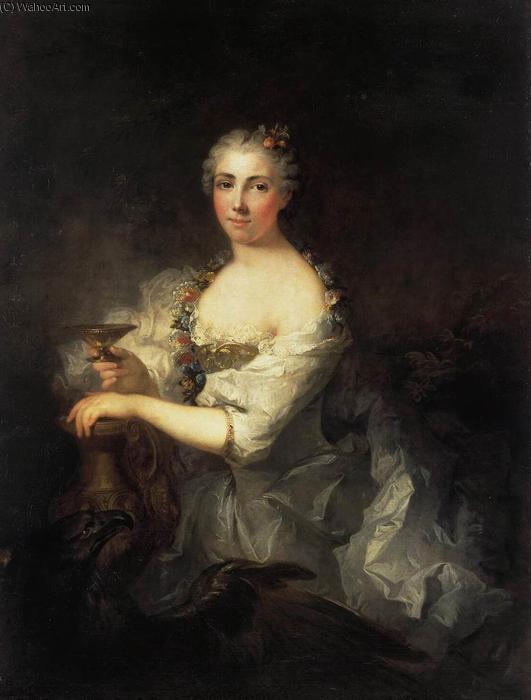
Portrait of Unknown Woman as Hebe
 Acrylic On Canvas
- WallArt
- Rococo
 115.0 x 89.0 cm
 Museo del Hermitage
 Ver más
Reproducción al óleo hecha a mano
Óleo sobre lienzo pintado a mano en el tamaño y marco de su elección, realizado por encargo por nuestros artistas. ( Comprar impresión Comprar imagen)




P118B $10

P118H $10

P118W $10

P438Z $10

P508JH $12

P508YH $12

P805H $10

P805Z $10

P919BZ $10

P919G $10

P919XJ $10

P959ZH $10

P968JZ $12

W106C $8

W218G $10

W218JH $8

W218Y $10

W307PJ $10

W316G $10

W316PJ $8

W316Y $10

W398PJ $8

W4111J $10

W500HY $15

W500JH $15

W692G $12

W849H $8

W940BG $15

W953PJ $8




Elija entre nuestros tamaños predefinidos que respetan las proporciones originales de la obra.

Puede ingresar sus propias dimensiones para adaptarse a un marco o espacio específico. Si el tamaño seleccionado no coincide con las proporciones de la imagen original, recortaremos la obra o extenderemos la pintura con elementos adicionales pintados a mano. Se le enviará una maqueta digital para su aprobación antes de comenzar la producción.
Tenga en cuenta que la vista previa en pantalla no refleja el recorte o la extensión reales. Solo la maqueta mostrará con precisión la composición final.
Si bien existen tamaños personalizados, recomendamos seleccionar una dimensión de la lista predefinida para preservar las proporciones originales.
Tras realizar el pedido, el equipo de ArtsDot.com enviará un correo electrónico al cliente para solicitar instrucciones y proporcionarle una vista previa del boceto.
Envío a todo el mundo () en 3-4 semanas en lugar de las 5 semanas estándar. (2 septiembre). Sin comprometer la calidad.

Envío exprés gratuito a todo el mundo

Lienzo de lino de alta calidad

Seguro de envío total

Garantía de reembolso de impuestos aduaneros

Garantía de fidelidad cromática exacta

Política de devolución de 60 días (solo por defectos)

Garantía de devolución del 100% del dinero

Descuento por cantidad
 La opción de vidrio solo está disponible en tamaños inferiores a 110 cm.

Portrait of Unknown Woman as Hebe
Técnica de reproducción
Dimensiones de la reproducción
-


Precio total final
$ 263
A Delicate Dance Between Dutch Intimacy and Rococo Elegance: Exploring Robert Le Vrac de Tournières’ “Portrait of Unknown Woman as Hebe”
Robert Le Vrac de Tournières, born in Caen, France, in 1667, stands as a pivotal figure bridging the stylistic currents of the Baroque and Rococo eras. While his contemporaries wrestled with grand narratives and dramatic expressions—a hallmark of the preceding century—Tournières embraced a more nuanced aesthetic, skillfully blending influences from Dutch genre painting with the burgeoning lightness and ornamentation characteristic of the Rococo movement. This masterful fusion is vividly realized in “Portrait of Unknown Woman as Hebe,” a captivating artwork that continues to intrigue scholars and connoisseurs alike.The Influence of Dutch Intimacy
Tournières’ artistic sensibilities were undeniably shaped by the prevailing trends emanating from Holland during his formative years. Dutch painters excelled at capturing everyday life with remarkable realism and psychological depth, prioritizing intimate scenes populated by ordinary individuals. This approach is palpable in “Portrait of Unknown Woman as Hebe,” where the subject—a woman seated gracefully—is depicted in a setting that evokes a sense of quiet contemplation. The artist’s meticulous attention to detail extends beyond mere representation; he strives to convey an inner state of serenity and thoughtfulness, mirroring the humanist ideals prevalent during Tournières' time. Notice particularly the subtle rendering of drapery – a technique borrowed directly from Dutch masters—which contributes to the overall impression of understated elegance.A Rococo Palette and Refined Technique
Despite his grounding in Dutch realism, Tournières’ artistic vision ascended towards the opulent aesthetic championed by Rococo artists. His palette is characterized by delicate hues—primarily pastel shades—creating a luminous atmosphere that contrasts beautifully with the dark background. This masterful use of color underscores Tournières' commitment to capturing not just visual appearance but also emotional resonance. The artist’s technique demonstrates exceptional precision, achieved through painstaking brushwork and careful layering of pigments. He skillfully renders textures – from the smooth skin tone to the intricate folds of fabric—creating a palpable sense of materiality that elevates the artwork beyond mere imitation.Symbolism Embedded in Form and Gesture
The composition itself is laden with symbolic significance. The woman’s posture exudes composure and grace, reflecting the ideals of feminine virtue celebrated during the Rococo period. Her hand delicately holding what appears to be a flower – likely Hebe, the Greek goddess of youth—further reinforces this theme. Flowers frequently served as emblems of beauty, purity, and renewal in art history, symbolizing aspirations for harmony and flourishing life. The artist’s deliberate framing emphasizes the subject's gaze directly at the viewer, fostering a connection between sitter and observer—a hallmark of portraiture intended to convey not just likeness but also character and spirit.Historical Context and Artistic Legacy
“Portrait of Unknown Woman as Hebe” was created during a period marked by significant social and intellectual transformations. The Enlightenment challenged traditional hierarchies and championed reason, influencing artistic sensibilities across Europe. Tournières’ work exemplifies this shift toward humanist values, prioritizing psychological insight and aesthetic refinement. Although he wasn't among the most celebrated painters of his era, Tournières’ meticulous technique and stylistic innovation secured his place as a significant contributor to French art history. Reproductions of “Portrait of Unknown Woman as Hebe” continue to inspire interior designers seeking to infuse their spaces with understated elegance and contemplative beauty—a testament to the enduring power of this remarkable artwork.Obras relacionadas
Biografía del artista
Robert Le Vrac de Tournières: Una Vida en Transición
Primeros Años y Educación
Robert Le Vrac de Tournières nació en Caen, Francia, en 1667. Su viaje artístico comenzó con estudios bajo Lucas Delahaye, un respetado pintor de la época. Posteriormente perfeccionó sus habilidades bajo la tutela de Bon Boullogne y Rigaud, ambos figuras prominentes en la pintura francesa, preparando el escenario para una exitosa carrera.
Desarrollo Artístico y Estilo
El estilo artístico de Tournières refleja un fascinante período de transición dentro del arte francés. Combinó hábilmente elementos de la intimidad holandesa – particularmente evidentes en sus escenas de género – con la ligereza y elegancia emergente que definiría el estilo Rococó. Su paleta se notaba por su colorido delicado, y demostraba un talento agudo para capturar tanto pose como drapeo. Si bien no fue considerado uno de los pintores más poderosos de su época, los críticos reconocieron su técnica cuidadosa y su ejecución refinada.
Reconocimiento Académico y Obras Maestras
Tournières logró un reconocimiento significativo durante su vida, siendo recibido en la Académie royale de peinture dos veces. La primera aceptación en 1702 se basó en sus habilidades para el retrato, específicamente retratos de compañeros artistas Pierre Mosnier y Michel Corneille. Su segunda recepción en 1716, como pintor de historia, llegó con su obra Invento del Dibujo (1716), que representa una escena romántica iluminada por la luz de las velas. Aunque muchas de sus grandes pinturas se han perdido con el tiempo, numerosas obras más pequeñas sobreviven, mostrando su maestría en los detalles y la caracterización.
Influencias y Preocupaciones Artísticas
Tournières fue profundamente influenciado por maestros holandeses como Godfried Schalken y Gerard Dou, dedicando un estudio considerable a sus técnicas. Esta influencia es visible en su atención a la luz, la sombra y la caracterización íntima de la vida cotidiana. También se inspiró en sus maestros, incorporando elementos de sus estilos en su propio enfoque único.
Vida Tardía y Legado
En 1737, Tournières fue ascendido a professeur auxiliaire, consolidando aún más su posición dentro de la comunidad artística. Continuó exhibiendo con éxito en el Salón de 1742. Sin embargo, regresó a Caen en 1749 y dejó de pintar. Su padre, un grabador, tenía conexiones familiares a través del matrimonio con François Lemoyne. A pesar de desvanecerse de la práctica activa, Tournières dejó atrás un considerable cuerpo de retratos que siguen siendo muy apreciados y se encuentran en colecciones notables hoy en día.
Significado Histórico
Robert Le Vrac de Tournières ocupa un lugar importante como figura de transición en el arte francés. Embodica el cambio del estilo más formal Barroco hacia la estética más ligera y decorativa Rococó. Su capacidad para sintetizar el realismo holandés con las sensibilidades francesas emergentes hace que su obra sea particularmente valiosa para comprender la evolución de la pintura del siglo XVIII.
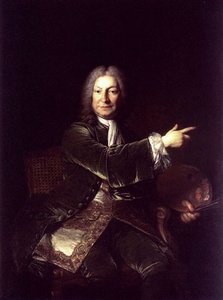
Robert Le Vrac de Tournières
1667 - 1752 , Francia
Datos clave
- Artistic Movement Or Style: Rococó, Arte francés Regencia
- Artists Or Movements Influenced By This Artist:
- Godfried Schalken
- Gerard Dou
- Artists Who Influenced This Artist:
- Lucas Delahaye
- Bon Boullogne
- Rigaud
- Date Of Birth: 1667
- Full Name: Robert Le Vrac de Tournières
- Nationality: Francés
- Notable Artworks:
- Invento del Dibujo (1716)
- Retratos
- Place Of Birth: Caen, Francia
Artículos relacionados

Goya: Las 25 Obras Maestras del Genio Español | Reproducciones de Arte en ArtsDot
Descubre las 25 obras maestras de Goya, el genio español. Explora retratos icónicos, 'Los Caprichos' y 'Las Pinturas Negras'. Reproducciones de arte en lienzo de alta calidad para decorar tu hogar con estilo. ¡Encuentra tu obra favorita en ArtsDot.com!
Pieter de Hooch: Illuminating Dutch Domestic Life & Golden Age Charm
Explore the captivating world of Pieter de Hooch, a master of Dutch Golden Age painting. Discover his innovative use of light, intimate domestic scenes, and lasting influence on art history. Learn more at ArtsDot.

Acerca de nosotros
Descubre nuestra historia! Llevamos el arte de clase mundial a tu vida gracias a una selección experta, creaciones personalizadas y vistas previas gratuitas. Aprobado por particulares y empresas desde el año 2000.
Willem van de Velde the Elder: Master of Maritime Painting & Chronicler of the Dutch Golden Age
Discover the captivating maritime paintings of Willem van de Velde the Elder, a master chronicler of the Dutch Golden Age. Explore his unparalleled realism and lasting influence on naval art history.
Maurice Quentin de La Tour: Light, Shadow & the Rococo Portrait
Explore the captivating world of Maurice Quentin de La Tour, a master of Rococo portraiture. Discover his innovative pastel techniques, intimate depictions of French aristocracy, and lasting artistic legacy. Learn more at ArtsDot.

