

 Ver en contexto
 Enviar
 Compartir
 Detalles

 Descargar
 Similares
 Radiografía
 Presentación de diapositivas
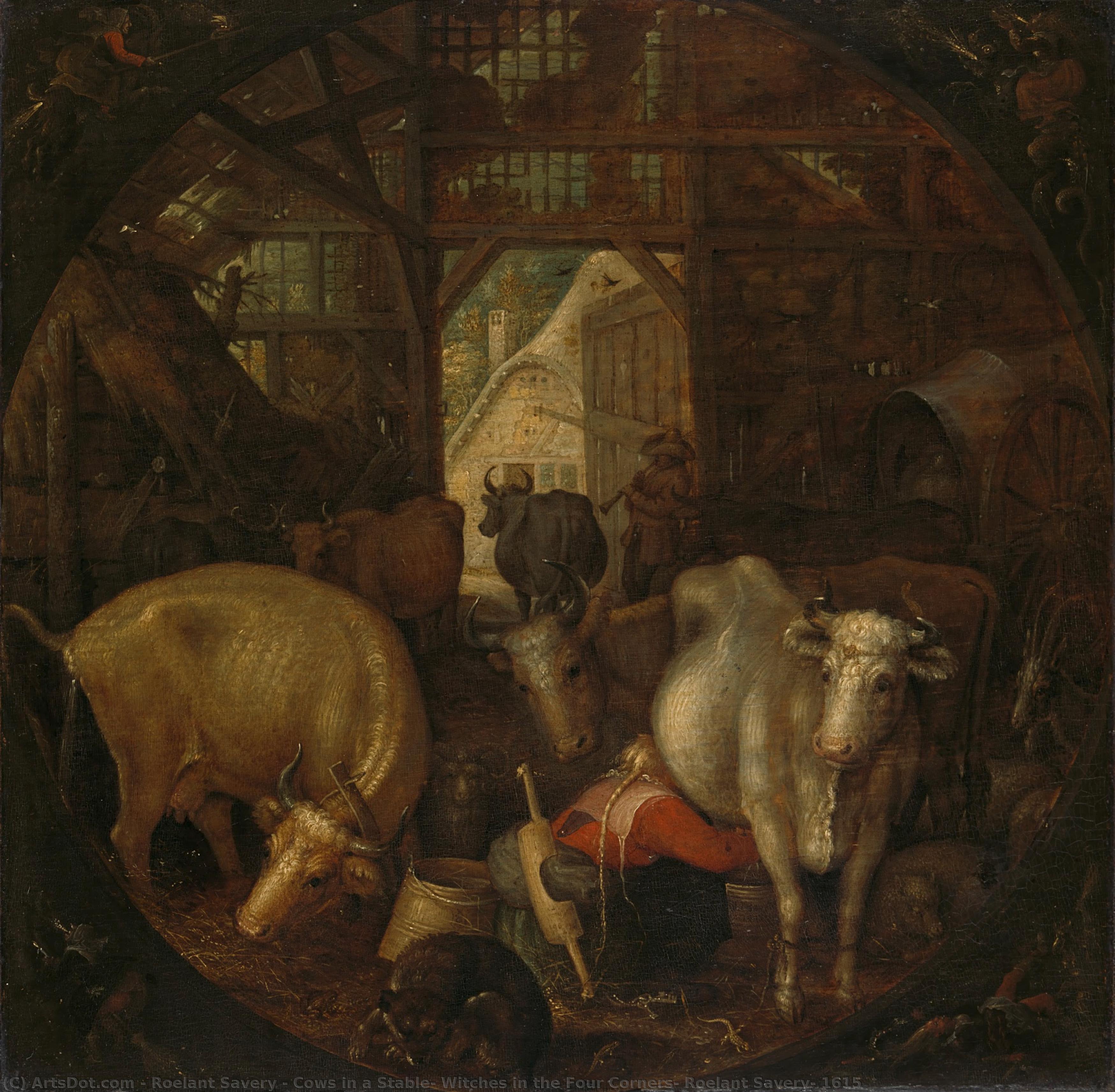
Cows in a Stable; Witches in the Four Corners, Roelant Savery, 1615
 1615
1615 30.0 x 31.0 cm
 Ver más
Reproducción al óleo hecha a mano
Óleo sobre lienzo pintado a mano en el tamaño y marco de su elección, realizado por encargo por nuestros artistas. ( Comprar impresión Comprar imagen)




































Elija entre nuestros tamaños predefinidos que respetan las proporciones originales de la obra.

Puede ingresar sus propias dimensiones para adaptarse a un marco o espacio específico. Si el tamaño seleccionado no coincide con las proporciones de la imagen original, recortaremos la obra o extenderemos la pintura con elementos adicionales pintados a mano. Se le enviará una maqueta digital para su aprobación antes de comenzar la producción.
Tenga en cuenta que la vista previa en pantalla no refleja el recorte o la extensión reales. Solo la maqueta mostrará con precisión la composición final.
Si bien existen tamaños personalizados, recomendamos seleccionar una dimensión de la lista predefinida para preservar las proporciones originales.
Tras realizar el pedido, el equipo de ArtsDot.com enviará un correo electrónico al cliente para solicitar instrucciones y proporcionarle una vista previa del boceto.
Envío a todo el mundo () en 3-4 semanas en lugar de las 5 semanas estándar. (24 agosto). Sin comprometer la calidad.

Envío exprés gratuito a todo el mundo

Lienzo de lino de alta calidad

Seguro de envío total

Garantía de reembolso de impuestos aduaneros

Garantía de fidelidad cromática exacta

Política de devolución de 60 días (solo por defectos)

Garantía de devolución del 100% del dinero

Descuento por cantidad
 La opción de vidrio solo está disponible en tamaños inferiores a 110 cm.

Cows in a Stable; Witches in the Four Corners, Roelant Savery, 1615
Técnica de reproducción
Dimensiones de la reproducción
-


Precio total final
$ 263
Descripción de la obra
Obras relacionadas








Biografía del artista
Roelant Savery: A Flemish Master in the Dutch Golden Age
Born in Kortrijk, Belgium, around 1576 and tragically dying in Utrecht in 1639, Roelant Savery – often referred to as “de Savery” or simply Savery – stands as a compelling figure within the vibrant tapestry of the Dutch Golden Age. His life was one shaped by religious upheaval, artistic apprenticeship, and a remarkable ability to blend Flemish tradition with burgeoning Mannerist influences. More than just a painter, Savery became renowned for his distinctive illustrations, most notably his captivating depictions of the extinct dodo bird – images that continue to fascinate and inform our understanding of this unique period in art history.
Savery’s early life was profoundly impacted by the religious tensions of the time. Belonging to an Anabaptist family, he experienced the forced migration from Flanders to Haarlem around 1585, a common fate for those fleeing persecution under Spanish rule. This displacement shaped his artistic trajectory, exposing him to diverse influences and ultimately contributing to his distinctive style. His formal training began with his older brother, Jacob Savery – himself a respected painter – and the renowned Hans Bol, both masters of the Flemish tradition. These formative years instilled in him a deep appreciation for meticulous detail, rich color palettes, and a penchant for depicting scenes brimming with life and movement.
A Court Painter and Continental Explorer
Following his apprenticeship, Savery embarked on a journey that took him across Europe, culminating in a prestigious position as court painter to the emperors Rudolf II of Prague and Mathias of Vienna. This period proved pivotal, immersing him within the heart of Mannerist art – a style characterized by elongated figures, dramatic lighting, and an emphasis on symbolism and allegory. His time in Prague allowed him to study alongside some of the era’s most influential artists, absorbing their techniques and expanding his artistic horizons. He also traveled to Tyrol, dedicating himself to the detailed observation and documentation of flora, a skill that would later inform his stunning botanical illustrations.
Gillis d'Hondecoeter became Savery’s devoted pupil during this period, further solidifying the transmission of Flemish artistic principles. The influence of Hans Bol remained strong, particularly in Savery’s landscapes – characterized by their meticulous rendering of animals, plants, and architectural details. These works weren’t merely representations; they were carefully constructed narratives, often imbued with mythological or biblical themes, creating a rich visual language for the viewer.
The Utrecht Period: Landscapes, Still Lifes, and Dodos
Returning to Amsterdam in 1616, Savery established himself in Utrecht, where he quickly gained recognition as one of the city’s most successful painters. His studio became a hub of artistic activity, attracting fellow artists like Adam Willaerts and fostering a collaborative environment. The large house he acquired on Boterstraat was not just a residence; it served as a vibrant atelier, complete with a flourishing garden – a veritable living laboratory for his botanical studies and a gathering place for artistic discourse.
Savery’s oeuvre is remarkably diverse, encompassing meticulously rendered landscapes in the tradition of Gillis van Coninxloo, often embellished with an astonishing array of animals and plants. He was equally celebrated for his exquisite flower still lifes – elaborate arrangements presented within stone niches or on rustic tables, frequently incorporating intriguing elements like lizards and insects. However, it’s perhaps his illustrations of the dodo that have secured his enduring fame. His depictions, particularly those from 1626, are considered among the most iconic representations of this extinct bird, captivating audiences for centuries to come. These images weren't simply scientific records; they were imbued with a sense of wonder and fascination, reflecting Savery’s artistic sensibility.
Legacy and Influence
Despite his considerable success, Savery’s later life was marked by financial difficulties and personal struggles, possibly exacerbated by excessive drinking. He ultimately faced bankruptcy in 1638 and passed away shortly thereafter. However, his legacy endures through the remarkable quality of his work and his profound influence on subsequent generations of artists. His nephew, Hans Savery (known as Jan Savery), continued the family tradition, further developing the genre of animal painting and producing equally compelling dodo illustrations. Roelant Savery’s art continues to be studied and admired for its technical brilliance, its evocative atmosphere, and its unique blend of Flemish tradition and Mannerist innovation – a testament to the enduring power of his artistic vision.
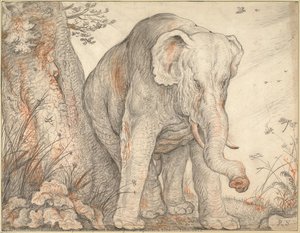
roelant savery
1576 - 1639
Datos clave
- Artistic Movement Or Style: Flemish, Mannerist
- Artists Or Movements Influenced By This Artist: ['Roelant Roghman']
- Artists Who Influenced This Artist:
- Hans Bol
- Gillis van Coninxloo
- Date Of Birth: 1576
- Date Of Death: 1639
- Full Name: Roelant Savery
- Nationality: Dutch
- Notable Artworks:
- Het Gulden Cabinet
- Dodo Illustrations
- Place Of Birth: Kortrijk, Flanders

