

 Ver en contexto
 Enviar
 Compartir
 Detalles

 Descargar
 Similares
 Radiografía
 Presentación de diapositivas
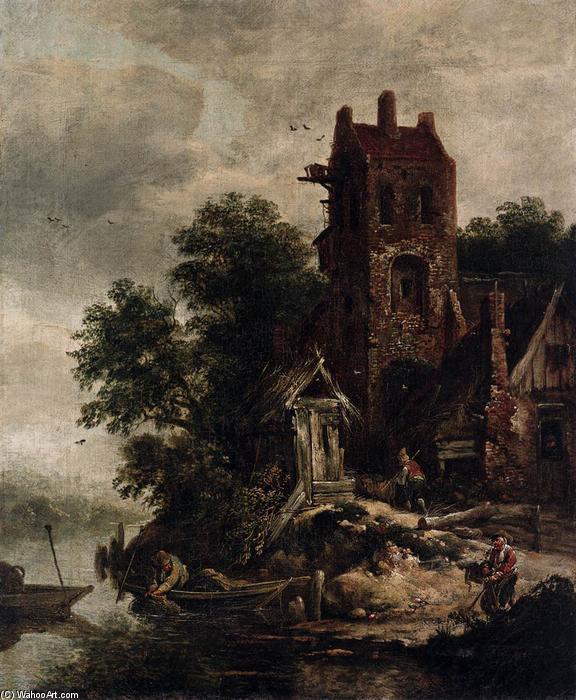
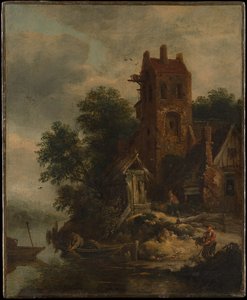
The Pigeon House
 Acrylic On Canvas
- WallArt
- Dutch Golden Age
 1660
1660- Late Medieval
 37.0 x 31.0 cm
 Museo Metropolitano de Arte
 Ver más
Giclée / Impresión de arte
Impresiones giclée o en lienzo de calidad de museo con producción rápida y opciones de acabado flexibles. ( Comprar pintura hecha a mano Comprar imagen)




P118B $10

P118H $10

P118W $10

P438Z $10

P508JH $12

P508YH $12

P805H $10

P805Z $10

P919BZ $10

P919G $10

P919XJ $10

P959ZH $10

P968JZ $12

W106C $8

W218G $10

W218JH $8

W218Y $10

W307PJ $10

W316G $10

W316PJ $8

W316Y $10

W398PJ $8

W4111J $10

W500HY $15

W500JH $15

W692G $12

W849H $8

W940BG $15

W953PJ $8




Elija entre nuestros tamaños predefinidos que respetan las proporciones originales de la obra.

Puede introducir sus propias dimensiones para adaptarse a un marco o espacio específico. Si el tamaño seleccionado no coincide con las proporciones de la imagen original, recortaremos la obra de arte o extenderemos la imagen con un borde con efecto espejo o de color sólido. Se enviará una maqueta digital para su aprobación antes de que comience la producción.
Tenga en cuenta que la vista previa en pantalla no refleja el recorte o la extensión real. Solo la maqueta mostrará con precisión la composición final.
Aunque existen tamaños personalizados, recomendamos seleccionar una dimensión de la lista predefinida para preservar las proporciones originales.
Envío a todo el mundo () en 2 semanas en lugar de las 4/5 semanas estándar. (31 agosto)

Envío exprés gratuito a todo el mundo

Lienzo de lino de alta calidad

Seguro de envío total

Garantía de reembolso de impuestos aduaneros

Garantía de fidelidad cromática exacta

Política de devolución de 60 días (solo por defectos)

Garantía de devolución del 100% del dinero

Descuento por cantidad
 La opción de vidrio solo está disponible en tamaños inferiores a 110 cm.

The Pigeon House
Giclée / Impresión de arte
Dimensiones de la reproducción
-


Precio total final
$ 62
The Serene Embrace of “The Pigeon House” – A Dutch Golden Age Masterpiece
Roelof Jansz van Vries’s “The Pigeon House,” painted in 1660, isn't merely a landscape; it’s a carefully constructed tableau of rural tranquility imbued with the quiet dignity characteristic of the Dutch Golden Age. This oil painting, now housed within the Metropolitan Museum of Art in New York City, offers a profound glimpse into a world where nature and human settlement coexist in harmonious balance – a testament to van Vries's exceptional skill in capturing both the beauty of the countryside and the subtle nuances of light and atmosphere.
The scene unfolds with remarkable detail: a modest brick building, clearly a pigeon house judging by its prominent tower, dominates the composition. This structure isn’t imposing or grand; rather, it speaks to a practical, almost humble existence – a vital element within the rural landscape. Before this building stretches a small body of water, reflecting the overcast sky above in a mirror-like surface. Two figures are present—one rowing a boat and another standing at the water's edge—adding a touch of human presence without disrupting the overall sense of peace. The surrounding fields are rendered with meticulous care, showcasing a variety of greens and browns that suggest the changing seasons. Scattered amongst the trees are several birds, adding to the painting’s naturalistic feel.
A Window into Dutch Artistic Tradition
“The Pigeon House” firmly establishes itself within the context of Dutch Golden Age art, a period renowned for its realism, attention to detail, and profound engagement with the natural world. Van Vries masterfully employs techniques honed by generations of Dutch painters – particularly the use of *tenebrism*, subtly layering light and shadow to create depth and drama. The earth tones—ochres, browns, and muted greens—are applied in smooth, blended strokes, characteristic of the period’s preference for a naturalistic palette. The artist's ability to capture the texture of brick, wood, and water is particularly noteworthy, demonstrating a keen observational skill and a deep understanding of materials.
Furthermore, the painting reflects the broader cultural values of the time – a reverence for nature, a celebration of rural life, and an appreciation for the simple pleasures. The pigeon house itself symbolizes more than just a storage facility; it represents a connection to tradition, a link between past and present, and a quiet acknowledgement of the rhythms of agricultural life.
Symbolism and Emotional Resonance
Beyond its technical brilliance, “The Pigeon House” resonates with a powerful sense of serenity. The overcast sky, the still water, and the muted colors all contribute to an atmosphere of calm and contemplation. There’s a feeling of timelessness about the scene—as if it could exist outside of time, offering a moment of respite from the complexities of daily life. The figures in the painting, though small in scale, serve as reminders of humanity's place within this vast landscape.
The title itself – “The Pigeon House” – is deceptively simple. It invites us to consider the significance of seemingly ordinary objects and places—to find beauty and meaning in the everyday. Van Vries’s painting encourages a slow, deliberate appreciation for the details that often go unnoticed, reminding us of the quiet dignity and enduring charm of rural life.
A Legacy of Dutch Landscape Art
“The Pigeon House” stands as a significant example of Dutch landscape art, showcasing van Vries's mastery of composition, color, and technique. Its influence can be seen in subsequent generations of artists who continued to explore the beauty of the Dutch countryside. The painting’s enduring appeal lies not only in its aesthetic qualities but also in its ability to evoke a sense of nostalgia for a simpler time—a time when nature held sway and human life was inextricably linked to the rhythms of the seasons. Reproductions of this captivating artwork offer a wonderful opportunity to bring this serene scene into your home, allowing you to experience the tranquility and beauty of the Dutch Golden Age firsthand.
Obras relacionadas



Biografía del artista
La visión serena de Roelof Jansz van Vries
Bajo la luz dorada de los Países Bajos del siglo XVII, pocos artistas capturaron la dignidad silenciosa de la campiña holandesa con tanta ternura como Roelof Jansz van Vries. Nacido en el vibrante núcleo artístico de Haarlem alrededor de 1631, van Vries emergió durante un periodo en el que el género del paisaje alcanzaba su apogeo. Su vida y su obra sirven como una ventana al alma de la Edad de Oro holandesa, reflejando un mundo donde las fronteras entre los asentamientos humanos y la naturaleza salvaje se unían mediante un profundo sentido de paz. Aunque sus primeros años permanecen algo velados por las brumas de la historia, su presencia está firmemente grabada en los registros del prestigioso Gremio de San Lucas, apareciendo por primera vez en Leiden en 1653 y uniéndose más tarde al gremio de Haarlem en 1657.
La trayectoria de la vida de van Vries lo llevó desde las meticulosas tradiciones de Haarlem hasta el bullicioso corazón comercial de Ámsterdam. Fue en Ámsterdam donde estableció su residencia permanente, casándose con Marytje Adriaens en 1659, una unión presenciada por el notable pintor Reynier Hals. Esta conexión con la comunidad artística más amplia subraya el tejido social en el que operaba van Vries, una red de maestros y mecenas que alimentó la explosión creativa de la época. Aunque su fecha exacta de fallecimiento sigue siendo objeto de debate académico, y los registros sugieren que vivió hasta bien entrada la transición de siglo, su legado quedó firmemente plantado durante el apogeo de la prosperidad holandesa.
Un dominio de la luz y la atmósfera
Contemplar un paisaje de van Vries es experimentar una clase magistral de luminosidad. Su ADN artístico estaba profundamente entrelazado con la tradición luminista, extrayendo una inspiración significativa de titanes como Jacob van Ruisdael, Jan Wynants y Philips Wouwerman. A diferencia de aquellos que buscaban el drama a través de contrastes bruscos de luz y sombra, van Vries prefería un enfoque más difuso y atmosférico. Poseía una capacidad asombrosa para representar las sutiles gradaciones de un cielo nublado, permitiendo que la iluminación natural bañara sus lienzos con un resplandor suave y penetrante que evoca una sensación de quietud eterna.
Su técnica se caracterizó por una extraordinaria atención al detalle que rozaba lo poético. Uno puede observar cómo representaba meticulosamente la textura del ladrillo desgastado o el delicado follaje de los árboles antiguos, adornándolos a menudo con diminutos puntos dorados de luz, un florecimiento estilístico que recuerda a Meindert Hobbema. Esta precisión no se produjo a expensas de la atmósfera; al contrario, sirvió para asentar su luz etérea en una realidad tangible. En obras como La palomar (1660), vemos esta armonía perfectamente realizada, donde una estructura modesta y un cuerpo de agua que actúa como espejo coexisten en un estado de equilibrio perfecto, invitando al espectador a adentrarse en un mundo de tranquilidad rural.
Legado y trascendencia artística
La importancia histórica de Roelof Jansz van Vries reside en su papel como puente entre las grandes tradiciones del paisaje de Haarlem y los gustos evolutivos del mercado del arte de Ámsterdam. Si bien a menudo fue celebrado por su capacidad para capturar la esencia del terreno holandés, también demostró un sofisticado espíritu colaborativo. Se observa que en muchas de sus composiciones, las pequeñas y vivaces figuras que habitan sus paisajes eran a veces obra de otros maestros, como Adriaen van de Velde o Johannes Lingelbach, creando un rico tapiz de genio colectivo.
Hoy en día, las obras de van Vries continúan imponiendo respeto en las instituciones más prestigiosas del mundo, entre ellas:
- The Metropolitan Museum of Art, donde sus obras maestras ofrecen vislumbres profundos del ideal pastoral holandés.
- El Rijksmuseum, que preserva la herencia cultural de su patria.
- The National Gallery, que exhibe su influencia perdurable en el género del paisaje.
En última instancia, van Vries sigue siendo un pintor del momento silencioso. Su capacidad para encontrar lo extraordinario dentro de lo ordinario —una simple escena fluvial, una torre distante o un pájaro en vuelo— garantiza que su visión de la Edad de Oro holandesa permanezca tan luminosa y cautivadora hoy como lo fue hace tres siglos.
Roelof Jansz van Vries
1631 - 1681 , Países Bajos
Datos clave
- Artistic Movement Or Style: Golden Age Landscape Painting
- Artists Or Movements Influenced By This Artist: ['Haarlem Landscape Tradition']
- Artists Who Influenced This Artist:
- Jacob Van Ruisdael
- Pieter Bruegel the Elder
- Date Of Birth: 1631 Haarlem Netherlands
- Date Of Death: 1681 Amsterdam
- Full Name: Roelof Jansz van Vries
- Nationality: Dutch
- Notable Artworks:
- The Pigeon House
- Landscape with a Tower
- Place Of Birth: Haarlem Netherlands
Artículos relacionados

Los 10 Maestros del Siglo de Oro Holandés: Arte, Historia y Decoración Exclusiva
Descubre los 10 imprescindibles del Siglo de Oro Holandés: Rembrandt, Vermeer y más. Explora la historia, técnica y belleza de estos lienzos clásicos. Encuentra reproducciones de arte exclusivas para decorar tu hogar en .

Rembrandt van Rijn: Las 25 Obras Maestras que Definen un Genio | Arte, Historia y Decoración
Descubre las 25 obras maestras de Rembrandt van Rijn, el genio del barroco holandés. Explora su historia, técnica y simbolismo en retratos icónicos como 'La Ronda Nocturna'. Encuentra reproducciones de arte exclusivas para decorar tu hogar con ArtsDot.com.
Golden Light & Dutch Skies: Bringing the Magic of Dutch Golden Age Landscapes into Your Home
Transform your home with the breathtaking light of Dutch Golden Age landscapes. Discover how hand-painted oil reproductions of masterworks like Ruisdael and Vermeer bring timeless elegance, atmosphere, and soulful texture to modern interiors. Elevate your space with museum-quality art.
Jan van Goyen: Master of Dutch Landscape & Atmospheric Perspective
Discover Jan van Goyen, the master of Dutch landscape painting. Explore his subtle technique, atmospheric realism & lasting influence on art history. Learn about this 17th-century pioneer at ArtsDot.
Charles Leickert: Capturing the Dutch Golden Age Light – A Comprehensive Study of Technique, Context, and Legacy
Explore the captivating winter landscapes of Charles Leickert, a master of Dutch Golden Age light & atmosphere. Discover his techniques, symbolism, and lasting legacy – a comprehensive study for art enthusiasts and collectors.

