

 Ver en contexto
 Enviar
 Compartir
 Detalles

 Descargar
 Similares
 Radiografía
 Presentación de diapositivas
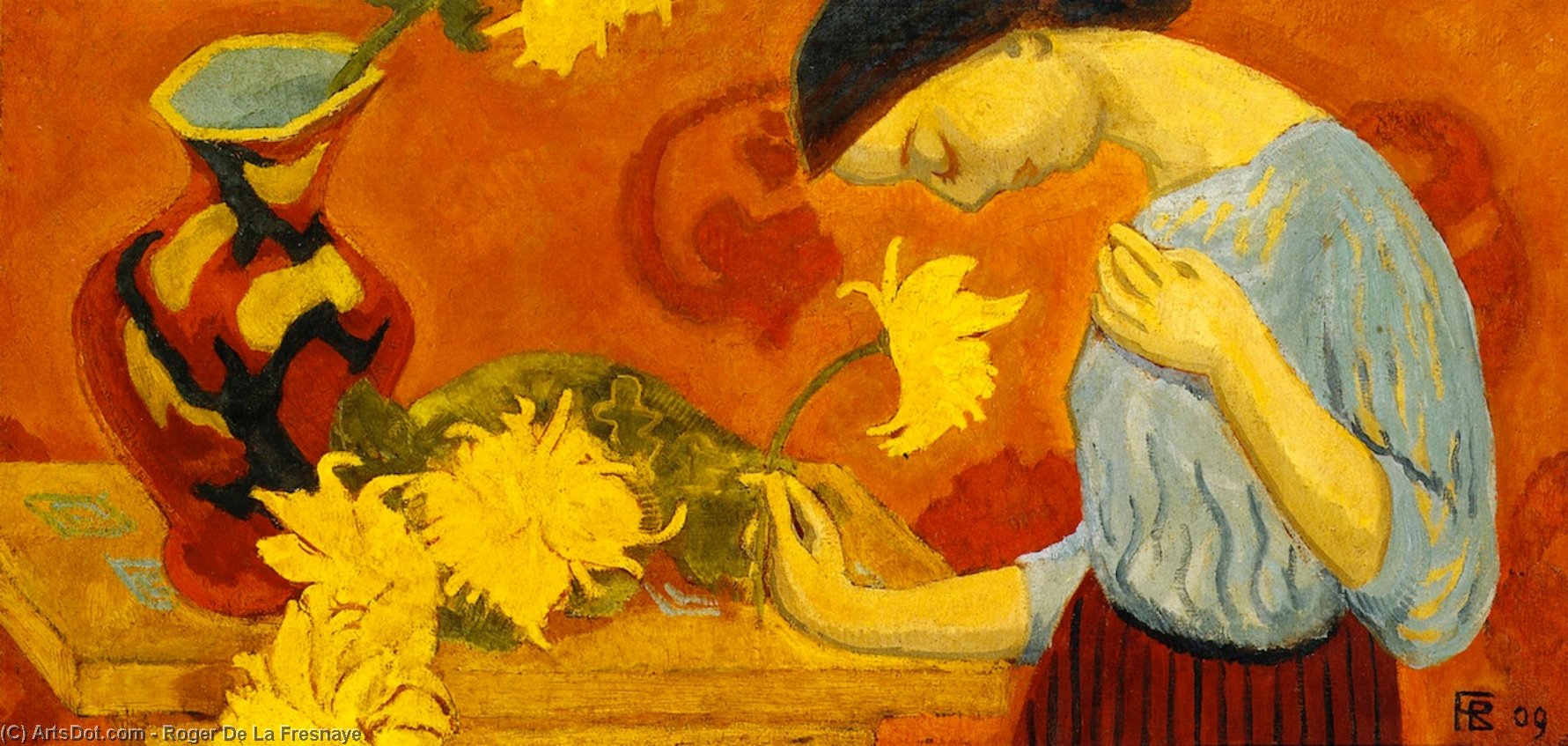
Mademoiselle Maria Zimmern
 Oil On Canvas
- WallArt
- Cubism
 1909
1909 59.0 x 115.0 cm
 Musée Nacional de Arte Moderno Centre Georges Pompidou
 Ver más
Adquiera una imagen digital de alta resolución y optimizada, muy superior a la vista previa en línea.
Cada archivo es preparado meticulosamente por nuestros especialistas internos mediante el uso de herramientas avanzadas y un experto retoque manual. Nos aseguramos de que cada imagen posea una claridad excepcional, una precisión cromática impecable y un detalle minucioso.
El archivo final se entrega por correo electrónico en un plazo de 72 horas, optimizado para su uso inmediato en entornos profesionales, editoriales y de impresión. Esta es la misma calidad en la que confían los estudios de diseño, las editoriales y las galerías de primer nivel.
Imagen Digital
Descarga un archivo de alta resolución para exhibición personal, impresión y proyectos creativos. ( Comprar impresión Comprar pintura hecha a mano)
Incluido en cada pedido de imágenes digitales
Entrega digital experta, garantizada.
Al elegir ArtsDot.com, no solo está adquiriendo una imagen; está recibiendo una obra de arte digital mejorada profesionalmente, elaborada con precisión y respaldada por una garantía de satisfacción. Esto es todo lo que incluye su pedido, automáticamente:

Entrega rápida por email
Recibirá su archivo de imagen digital en alta resolución por correo electrónico en un plazo de 72 horas tras realizar su pedido, listo para su uso inmediato.

Archivo digital optimizado por IA
Su obra de arte se optimiza profesionalmente mediante herramientas avanzadas de IA y edición manual, garantizando el máximo detalle, claridad y precisión cromática.

Reenvío gratuito de por vida
¿Has borrado o perdido tu archivo por error? No te preocupes: te lo volveremos a enviar en cualquier momento, sin coste adicional.

Sin gastos de importación, siempre
Disfrute de su obra de arte al instante sin aduanas, aranceles ni gastos de envío; las descargas digitales siempre están libres de impuestos.

Garantía de fidelidad de color
Garantizamos que su imagen digital refleje los colores originales con la mayor fidelidad posible, mediante el uso de herramientas profesionales y gestión del color.

Garantía de satisfacción de 60 días
Si no está satisfecho con su imagen digital, la revisaremos o le reembolsaremos el 100% en un plazo de 60 días, sin preguntas.

100% Garantía de devolución de dinero
¿No está satisfecho? Obtenga un reembolso completo dentro de los 60 días posteriores a la recepción de su archivo digital, sin necesidad de explicaciones.

Descuentos por pedidos grandes
Compra 3 imágenes, ahorra 10% - Compra 5, ahorra 15% - Compra 10+, ahorra 20%. Ideal para proyectos creativos, galerías y agencias.
Mademoiselle Maria Zimmern: A Fauvist Echo in Cubist Form
Roger de La Fresnaye’s “Mademoiselle Maria Zimmern,” completed in 1909, stands as a pivotal moment in the burgeoning avant-garde movement of early 20th century France. More than just a portrait, it's an exploration of color and form—a daring experiment that foreshadowed the radical stylistic shifts to come within Cubism and cemented De La Fresnaye’s place amongst the influential figures shaping modern art.
The Fauvist Influence: Initially rooted in Symbolist aesthetics – characterized by muted tones and evocative imagery – De La Fresnaye swiftly embraced the vibrant palette championed by Matisse and Cézanne. This embrace of “Fauvism,” meaning "wild beasts," is immediately apparent in the painting’s dominant hues: a fiery orange that saturates the background, punctuated by yellows and reds that illuminate the woman's dress and floral arrangements. The audacious use of color wasn’t merely decorative; it aimed to convey emotion directly—a deliberate rejection of Impressionism’s optical realism.
Cubist Decomposition: However, De La Fresnaye didn’t simply adopt Fauvist color theory wholesale. He skillfully integrated Cubist principles into his composition. The woman's figure is rendered in profile, fragmented into geometric planes that subtly overlap and intersect—a technique borrowed from Picasso and Braque. This fragmentation isn’t jarring; rather, it creates a sense of dynamism and depth, suggesting multiple perspectives simultaneously.
Composition & Symbolism: The arrangement of objects within the frame contributes to the painting's symbolic resonance. A dark vase holds several large chrysanthemums—flowers traditionally associated with mourning and remembrance—underscoring themes of contemplation and perhaps melancholy. Alongside the vase sits a smaller bowl, adding visual complexity and reinforcing the sense of stillness. The careful positioning of these elements reflects De La Fresnaye’s meticulous attention to detail and his desire to communicate meaning beyond mere representation.
Technique & Texture: Executed in oil paint on canvas, “Mademoiselle Maria Zimmern” showcases De La Fresnaye's mastery of impasto—thickly applied pigment that creates a palpable textural surface. Visible brushstrokes ripple across the canvas, capturing the energy and spontaneity of the artist’s process. This technique enhances the painting’s visual impact, inviting viewers to engage with its materiality and experiencing the vibrancy of color firsthand.
Historical Context & Legacy: De La Fresnaye's work emerged during a period of intense artistic debate—a challenge to established conventions and a fervent pursuit of new expressive possibilities. “Mademoiselle Maria Zimmern” exemplifies this spirit, representing an important step toward the development of Cubism and demonstrating the transformative power of color and form in conveying emotion and exploring complex ideas. Its enduring appeal lies in its ability to capture a fleeting moment—a portrait imbued with both beauty and subtle sorrow—and remains a testament to De La Fresnaye’s visionary artistic vision.
Further Exploration: For those interested in delving deeper into Roger de La Fresnaye's oeuvre, we encourage you to visit Roger De La Fresnaye at ArtsDot for additional information and reproductions.
Obras relacionadas
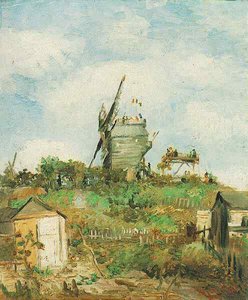
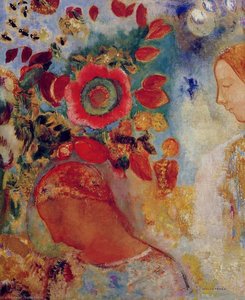
Biografía del artista
Roger de La Fresnaye (1885-1925): Bridging Tradition and Innovation
Roger de la Fresnaye, born into the aristocratic lineage of the La Fresnayes in Le Mans on July 11, 1885, was a painter whose brief but incandescent career illuminated the burgeoning landscape of early 20th-century art. His story is one of inherited privilege tempered by artistic ambition, classical training disrupted by avant-garde fervor, and ultimately, a life tragically cut short by illness. The Château de la Fresnaye in Falaise, ancestral home to his family with its long history of military service, provided an early backdrop for a life that would eventually blend tradition with radical innovation. Though steeped in the values of his upbringing, young Roger found himself drawn not to the battlefield but to the canvas, embarking on a journey that would see him navigate the complex currents of Symbolism, Cubism, and beyond. His initial education was classically grounded, yet it quickly evolved as he sought artistic instruction at the Academie Julien and later the École des Beaux-Arts in Paris – institutions where the seeds of his future stylistic explorations were sown.Early Influences: The Nabis Aesthetic
The formative years of de la Fresnaye’s artistic development were profoundly shaped by the *Nabis*, a group of Post-Impressionist painters who prioritized subjective experience and symbolic meaning over strict representation. Studying under Maurice Denis and Paul Sérusier at the Academie Ranson, he absorbed their emphasis on flattened forms, decorative patterns, and evocative color palettes – qualities evident in works like Woman with Chrysanthemums. This period reveals a dreamlike quality, a stylistic echo of the Nabis’ pursuit of spiritual resonance through art. Their influence extended beyond mere technique; it instilled within him a fundamental belief that art should transcend mere imitation of nature and strive to convey deeper truths about human emotion and consciousness. The Nabis’s exploration of myth and folklore—particularly their fascination with biblical narratives—provided de la Fresnaye with a rich source of inspiration, informing his compositional choices and contributing to the lyrical character of his early paintings.The Embrace of Cubism: A Revolutionary Shift
Around 1912, de la Fresnaye encountered the transformative force of Cubism, spearheaded by Pablo Picasso and Georges Braque. This marked a pivotal shift in his artistic trajectory—a move away from the decorative conventions of Symbolism toward a radically geometric aesthetic. Initially hesitant to fully embrace the movement’s disruptive principles, he nonetheless recognized its intellectual rigor and its capacity to challenge conventional notions of perspective and spatial illusion. He wasn’t merely imitating; he was responding, interpreting, and ultimately forging his own unique voice within the burgeoning avant-garde landscape. His engagement with Cubism wasn't driven by a desire for novelty alone but by an earnest conviction that art could grapple with the complexities of modern life—a conviction reflected in canvases like *The Conquest of the Air*, where fragmented planes intersect to create dynamic compositions imbued with both visual excitement and symbolic resonance. The influence of Robert Delaunay’s Orphism – characterized by bold color combinations and a rejection of traditional shading – further enriched his artistic vocabulary, pushing him toward explorations of chromatic abstraction that would define his distinctive style.War Service and Artistic Transformation
The outbreak of World War I profoundly impacted de la Fresnaye’s life and work. He enlisted in the French army, serving with distinction during the conflict—a commitment fueled by patriotic fervor and a deep sense of moral responsibility. However, his military service was tragically curtailed by tuberculosis, forcing his discharge in 1918. The debilitating illness took its physical toll, diminishing his energy and altering the course of his artistic production. Despite facing considerable hardship, de la Fresnaye persevered with his painting—a testament to his unwavering dedication to art as a means of confronting existential anxieties. As he convalesced, he abandoned the energetic dynamism of Cubist forms in favor of a more contemplative style—one marked by linear precision and an introspective gaze. This stylistic shift wasn’t merely a reaction to illness; it represented a deliberate reconsideration of artistic priorities—a quest for beauty within constraint that resonated with the artist’s own evolving worldview.Legacy: A Singular Voice Amidst Modernism
Roger de la Fresnaye died in 1925 at the young age of forty, leaving behind a relatively small but remarkably significant body of work. Though his career was tragically abbreviated, his contribution to the development of modern art remains undeniable. He successfully bridged the gap between the decorative sensibilities of Symbolism and the radical experimentation of Cubism—creating a unique visual language that continues to captivate audiences today. His paintings can be found in prestigious museums such as the Musée d'Art Moderne de Troyes and the Centre Pompidou (Paris), testaments to his enduring artistic merit. The record-breaking sale of *La Conquête de l’Air* at Christie’s in 2017 – fetching over €2.3 million – serves as a powerful affirmation of his place within the canon of modern masters. De la Fresnaye's legacy lies not only in his individual artistic achievements but also in his ability to synthesize diverse influences into a cohesive and compelling vision—a singular voice amidst the turbulent currents of modernist art that continues to inspire artists and scholars alike.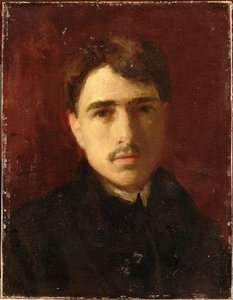
Roger de La Fresnaye
1885 - 1925 , Francia
Breves datos
- Artistic Movement Or Style: Cubism, Symbolism
- Artists Or Movements Influenced By This Artist: ["Section d'Or"]
- Artists Who Influenced This Artist:
- Maurice Denis
- Paul Sérusier
- Georges Braque
- Pablo Picasso
- Date Of Birth: July 11, 1885
- Date Of Death: November 27, 1925
- Full Name: Roger de La Fresnaye
- Nationality: French
- Notable Artworks:
- The Conquest of the Air
- La Madelon
- Le Cuirassier
- Place Of Birth: Le Mans, France

