 Vista previa
 Compartir
 Compartir
 Ver detalles

 Descargar
 Ver similares
 Radiografía
 Presentación de diapositivas
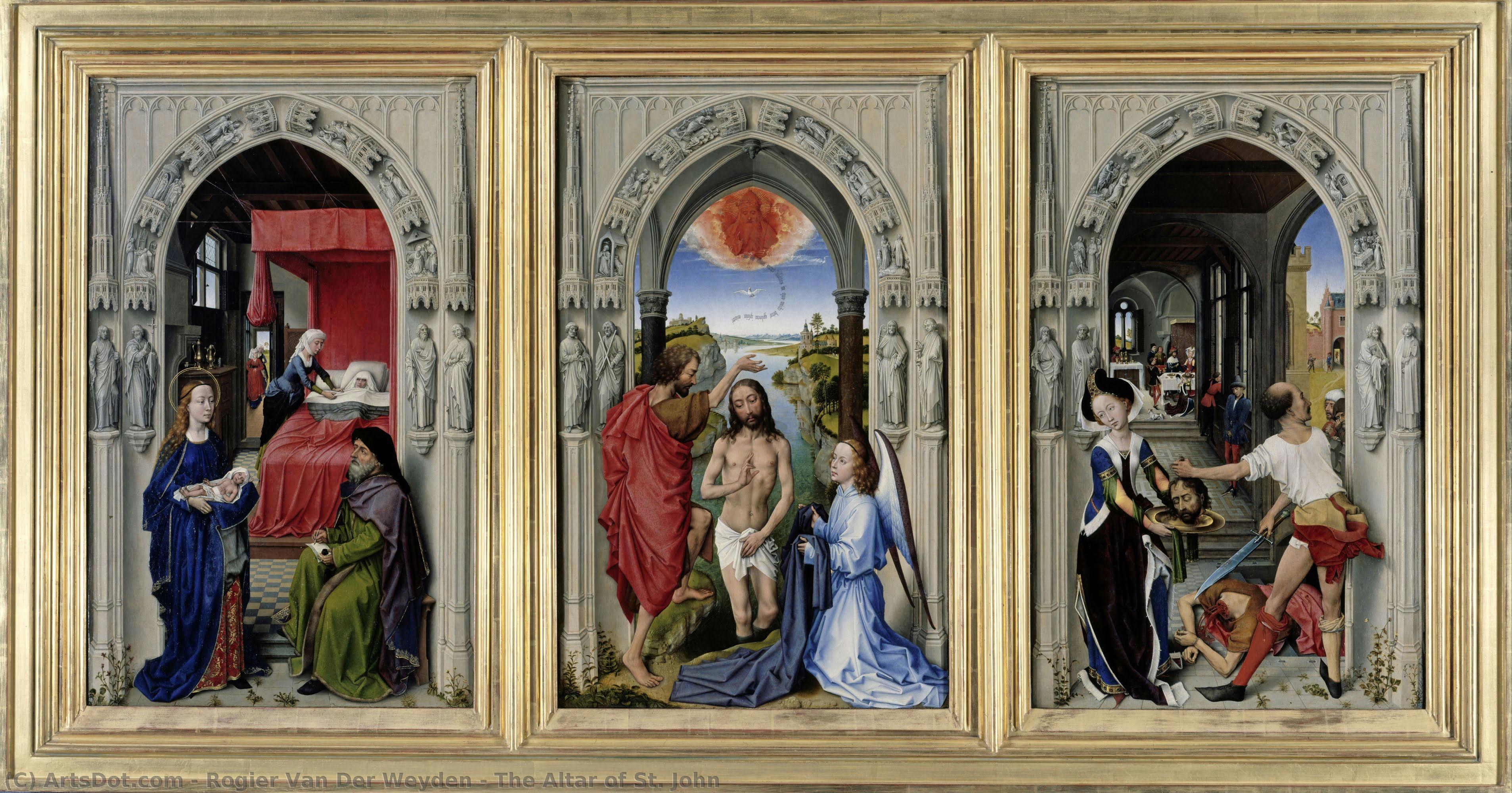
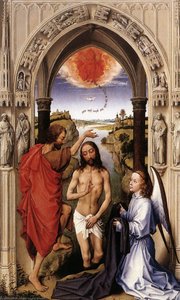
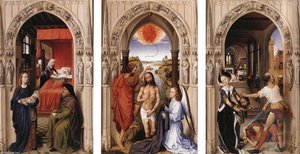
The Altar of St. John
 Oil On Panel
- WallArt
- Early Netherlandish Painting
 1455
1455- Renaissance
 48.0 x 221.0 cm
 Leer más
Reproducción al óleo hecha a mano
Óleo sobre lienzo pintado a mano en el tamaño y marco de su elección, realizado por encargo por nuestros artistas. ( Pedir impresión Comprar descarga)




P118B $10

P118H $10

P118W $10

P438Z $10

P508JH $12

P508YH $12

P805H $10

P805Z $10

P919BZ $10

P919G $10

P919XJ $10

P959ZH $10

P968JZ $12

W106C $8

W218G $10

W218JH $8

W218Y $10

W307PJ $10

W316G $10

W316PJ $8

W316Y $10

W398PJ $8

W4111J $10

W500HY $15

W500JH $15

W692G $12

W849H $8

W940BG $15

W953PJ $8




Elija entre nuestros tamaños predefinidos que respetan las proporciones originales de la obra.

Puede ingresar sus propias dimensiones para adaptarse a un marco o espacio específico. Si el tamaño seleccionado no coincide con las proporciones de la imagen original, recortaremos la obra o extenderemos la pintura con elementos adicionales pintados a mano. Se le enviará una maqueta digital para su aprobación antes de comenzar la producción.
Tenga en cuenta que la vista previa en pantalla no refleja el recorte o la extensión reales. Solo la maqueta mostrará con precisión la composición final.
Si bien existen tamaños personalizados, recomendamos seleccionar una dimensión de la lista predefinida para preservar las proporciones originales.
Tras realizar el pedido, el equipo de ArtsDot.com enviará un correo electrónico al cliente para solicitar instrucciones y proporcionarle una vista previa del boceto.
Envío a todo el mundo () en 3-4 semanas en lugar de las 5 semanas estándar. (21 agosto). Sin comprometer la calidad.

Envío exprés gratuito a todo el mundo

Lienzo de lino de alta calidad

Seguro de envío completo

Garantía de reembolso de aranceles aduaneros

Garantía de fidelidad cromática exacta

Política de devolución de 60 días (solo por defectos)

Garantía de devolución del 100% del dinero

Oferta por volumen
 La opción de vidrio solo está disponible en tamaños inferiores a 110 cm.

The Altar of St. John
Técnica de reproducción
Tamaño de la reproducción
-


Precio total
$ 263
Descripción de la obra
A Window into Grief and Faith: The Soul of the Altar of St. John
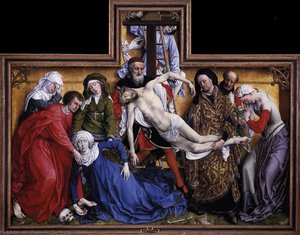
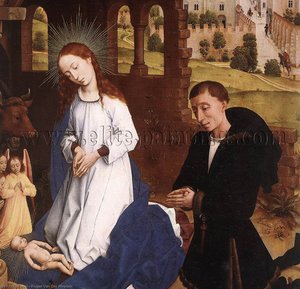
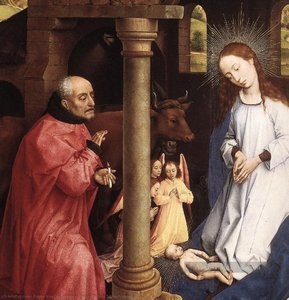
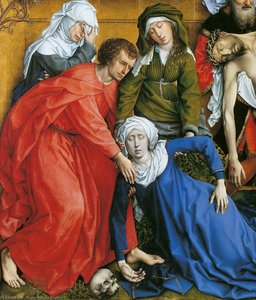
To stand before Rogier van der Weyden’s “The Altar of St. John” is to enter a sacred space where the boundaries between the earthly and the divine begin to dissolve. Completed around 1455, this monumental achievement of Early Netherlandish painting serves as more than a mere religious relic; it is a profound exploration of the human condition. Through his unparalleled ability to translate spiritual agony into visual form, Van der Weyden invites the viewer into a silent, heavy atmosphere of mourning and devotion. The altarpiece does not simply depict a biblical narrative; it breathes with the weight of sorrow, capturing the very essence of 15th-century piety through a lens of startlingly human emotion.
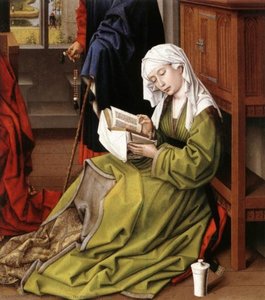
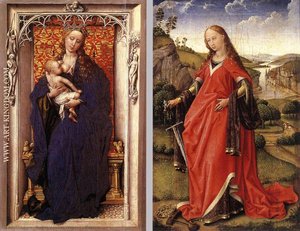
The composition is anchored by the harrowing central scene of the crucifixion, where the physical reality of Christ’s sacrifice is rendered with such visceral clarity that the viewer becomes an eyewitness to the event. Surrounding this central tragedy are smaller, intimate vignettes that expand the narrative depth of the work. We see figures caught in moments of quiet contemplation—a man cradling a child, another lost in the pages of a book, and others tending to simple vessels. These secondary scenes provide a rhythmic counterpoint to the central drama, grounding the cosmic significance of the crucifixion within the humble, everyday textures of life, thereby making the divine accessible to the mortal observer.
The Alchemy of Light and Oil: Technical Brilliance
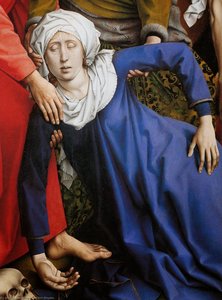
The enduring allure of this masterpiece lies in Van der Weyden’s technical mastery, a skill likely refined during his early years as a goldsmith. This background in fine craftsmanship is evident in the meticulous application of oil paint on wood panel. By layering incredibly thin, translucent glazes, the artist achieved a luminous quality that seems to emanate from within the wood itself. This technique allows for a breathtaking range of light and shadow, creating a sense of depth that pulls the eye into the folds of heavy drapery and the subtle contours of grieving faces.
One cannot help but be captivated by the sculptural quality of the figures. The fabric of their garments does not merely hang; it clings, flows, and weighs upon the bodies beneath, conveying a sense of physical presence that was radical for its time. This commitment to anatomical accuracy and textural realism—from the cold sheen of metal to the soft warmth of skin—demonstrates a scientific observation of the natural world. For the collector or designer, such detail offers an unparalleled richness, providing a focal point that rewards prolonged study and brings a sense of historical gravity to any curated space.
Symbolism and the Legacy of Devotion
Every element within the Saint John Altarpiece is imbued with symbolic significance, designed to guide the faithful through a journey of meditation. The central crucifix serves as the ultimate symbol of redemption, yet it is the surrounding figures that provide the emotional roadmap for the viewer. The presence of Mary Magdalene and other mourners allows for a shared experience of grief, transforming the painting from a static image into a living ritual of remembrance. The smaller scenes, featuring books and bowls, act as symbols of the liturgical life and the quiet, persistent nature of faith.
For those seeking to bring the majesty of the Northern Renaissance into a contemporary interior, a high-quality reproduction of this work offers more than mere decoration. It provides an infusion of history, intellect, and soul. The "Altar of St. John" remains a testament to the power of art to bridge centuries, offering a timeless connection to the themes of sacrifice, beauty, and the enduring strength of the human spirit. Whether placed in a quiet study or as a commanding centerpiece in a grand hall, this work continues to inspire awe and profound reflection.
Obras relacionadas

Biografía del artista
vida y carrera
rogier van der weyden, también conocido como roger de la pasture, fue un destacado pintor flamenco temprano activo en el siglo XV. Nacido en Bélgica alrededor de 1400, se convirtió en uno de los artistas más influyentes de su tiempo, con sus obras ganando un reconocimiento significativo en los Países Bajos, Italia y España.estilo artístico y técnica
El estilo artístico de Van der Weyden se caracterizó por una rica coloración, una expresión simpática y un enfoque único del pathos y el naturalismo. Sus figuras a menudo aparecían estatuarias, particularmente en sus trípticos, que presentaban detalles intrincados y rasgos faciales idealizados. Empleó una diversa paleta de colores, asegurando que ningún tono se repitiera, añadiendo profundidad y complejidad a sus composiciones.obras notables
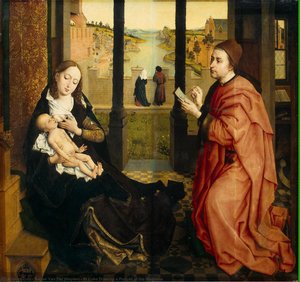
* st luke drawing a portrait of the madonna (Museo de Bellas Artes de Boston): Esta pintura muestra la maestría de Van der Weyden en el óleo sobre tabla, presentando una representación impresionante de San Lucas. * Lamento (Musée des Beaux-Arts de Tournai, Bélgica): Este pequeño pero poderoso cuadro demuestra la capacidad de Van der Weyden para transmitir intensidad emocional a través del claroscuro.museos y colecciones
* Musée des Beaux-Arts de Tournai, Bélgica: cuenta con una impresionante colección de obras de Van der Weyden, incluyendo el diptico de retrato de Jean de Gros. * Musées Royaux des Beaux-Arts (Bruselas, Bélgica): alberga una importante colección de pinturas flamencas tempranas, incluyendo obras de Van der Weyden y otros artistas notables.legado
La influencia de Van der Weyden en el Renacimiento del Norte es innegable. Se situó junto a Robert Campin y Jan van Eyck como uno de los tres grandes artistas flamencos tempranos, reconocido por su estilo e innovación técnica. A pesar de que su fama menguó en el siglo XVII, la obra de Van der Weyden fue redescubierta en el siglo XIX, y ahora se erige como una figura destacada en la historia de la pintura flamenco temprana.- ver más obras de rogier van der weyden en ArtsDot.com
- explorar la colección del Musée des Beaux-Arts de Tournai en descubriendo los tesoros del Musée des Beaux-Arts de Tournai, Bélgica
- aprender más sobre la pintura flamenca temprana en wikipedia
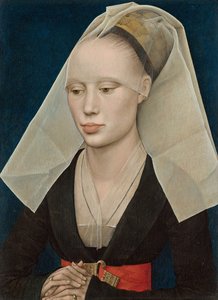
Rogier van der Weyden
1400 - 1464 , Bélgica
Datos clave
- Artistas Influenciados Por: Goswijn van der Weyden
- Artistas Que Influyeron: ['Robert Campin']
- Fecha De Muerte: 1464
- Fecha De Nacimiento: c. 1400
- Lugar De Nacimiento: Tournai, Bélgica
- Movimiento Artístico: Renacimiento Nórdico
- Nacionalidad: Belga
- Nombre Completo: Rogier van der Weyden
- Obras Notables:
- San Lucas dibujando a la Virgen
- La Lamentación
- Depósito
- Anunciación
- Retablo de los Siete Sacramentos
Artículos relacionados

Renacimiento Flamenco Temprano: 10 Obras Maestras que Cambiaron la Historia del Arte | ArtsDot
Descubre las 10 obras maestras del Renacimiento Flamenco Temprano. Explora la historia de Jan van Eyck, Robert Campin y más. Reproducciones de arte en ArtsDot.com para decorar tu hogar con belleza y elegancia. ¡Explora la colección online!

Los 10 Maestros del Primitivo Flamenco: Obras que Definen un Arte Inigualable | ArtsDot
Descubre los 10 imprescindibles del Primitivo Flamenco: Jan van Eyck, Robert Campin y más. Explora la historia, simbolismo y técnica de estas obras maestras renacentistas tempranas. Encuentra reproducciones de arte de museo en ArtsDot.com.

Las 25 Obras Maestras de Van Gogh: Un Viaje Emocional a Través del Arte
Descubre las 25 obras maestras de Van Gogh, desde 'La Noche Estrellada' hasta sus icónicos girasoles. Explora su vida, técnica impresionista y el profundo significado de cada cuadro. Reproducciones de arte de museo en ArtsDot.com.
Rogier van der Weyden: Emotion, Innovation & the Early Netherlandish Renaissance
Explore the revolutionary art of Rogier van der Weyden, a pivotal figure of the Early Netherlandish Renaissance. Discover his emotional realism, innovative compositions, and lasting impact on painting history.
Hugo van der Goes: Devotion, Innovation & the Psychological Depth of Early Netherlandish Painting
Explore the revolutionary art of Hugo van der Goes – a master of Early Netherlandish painting renowned for his dramatic realism, psychological depth & profound influence on Renaissance artists. Discover his iconic works and lasting legacy.